A Symbol of Resilience: Juvenile Bald Eagle Released Back into Florida Skies
Article Editorial Team
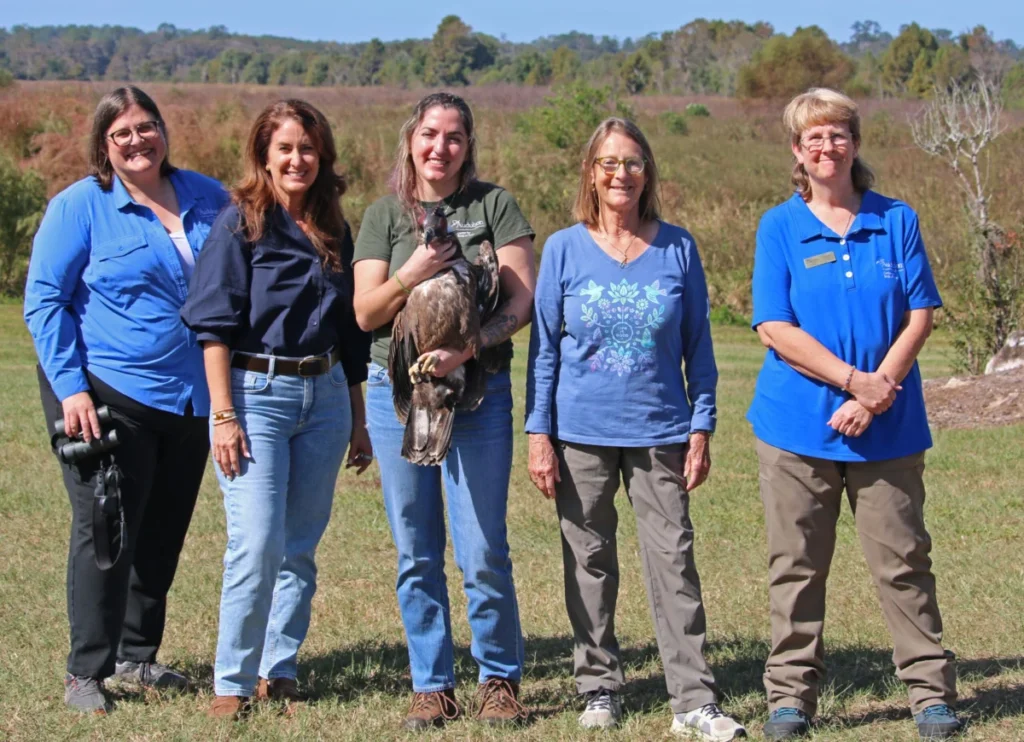
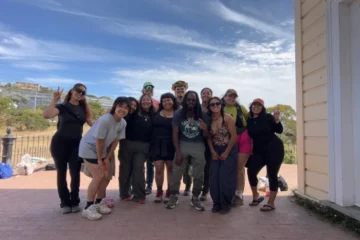
On a bright, crisp afternoon in late October, the skies above Alligator Lake in Columbia County played host to a poignant moment of wildlife recovery. A young Bald Eagle, once grounded by injury, reclaimed its place in the wild, soaring high above a crowd of onlookers that included State Senator Jennifer Bradley, dedicated Audubon staff, local chapter members, and a group of curious, enthusiastic homeschool students. This successful release marked a significant milestone for the Audubon Center for Birds of Prey, serving as the 823rd eagle rehabilitated and returned to the Florida environment since the center’s inception in 1979.
The eagle’s journey to this moment of freedom began in coastal Lee County. Shortly after fledging—the critical period when a young bird develops the feathers and physical strength necessary for independent flight—the juvenile eagle suffered an unfortunate foot injury. Unable to hunt or survive on its own in the wild, the bird was rescued and initially treated by veterinary professionals in Southwest Florida. Following the success of its initial surgical intervention, the bird was transported to the Audubon Center for Birds of Prey in Maitland.
At the Maitland facility, the eagle underwent an intensive regimen of rehabilitation and flight conditioning. The center, a vital institution dedicated to the rescue and conservation of Florida’s raptors, provides a specialized hospital environment where injured birds receive expert care. For this particular patient, the goal was not just physical healing, but the restoration of the strength and agility required to navigate the complexities of life in the wild. Under the careful watch of the center’s staff, the young male thrived, gradually regaining the health needed to sustain a life in the open sky.
Now with a clean bill of health, the bird stands as a testament to the importance of wildlife rehabilitation. As a juvenile, he is currently cloaked in the uniform brown plumage characteristic of his age. Over the next few years, as he matures, he will undergo a series of molts. By the time he reaches the age of four or five, he will transition into the iconic appearance associated with the species: a stark white head and tail, signaling his transition into adulthood. At that stage of maturity, the eagle will be ready to establish his own territory and, hopefully, begin a family of his own.
To track his progress in the wild, the bird has been fitted with an aluminum leg band featuring a unique alphanumeric code. This identification system is a critical tool for researchers and conservationists. Because the code is large enough to be read through binoculars or high-powered cameras, members of the public and researchers can report sightings, allowing the Audubon team to monitor the bird’s survival and movement patterns. This data is essential for understanding the long-term efficacy of rehabilitation efforts and the success of birds reintroduced into the Florida ecosystem.
The release ceremony itself was marked by a sense of quiet anticipation. Senator Jennifer Bradley, representing the state’s commitment to environmental preservation, took the eagle from the handlers at the Center for Birds of Prey. The bird had been transported in a specialized hood, a practice used by wildlife professionals to keep raptors calm and minimize the stress associated with travel and human proximity. Upon being lifted by the Senator, the bird was held for approximately ten seconds, allowing him a moment to re-acclimate to the bright sunlight and his surroundings.
With a gentle release, the eagle stood on the ground for only a brief moment, seemingly assessing his environment before instinct took over. He spread his long, powerful wings and took flight, soaring effortlessly over the assembled crowd and across the tree line of Alligator Lake. For the spectators, many of whom had followed the bird’s journey from rescue to release, the sight was a powerful reminder of the delicate balance between humanity and the natural world.
However, the release of a single eagle is only part of a larger, ongoing conservation narrative. The Audubon Center for Birds of Prey emphasizes that giving a bird a second chance at life is only effective if the landscape they return to remains viable. Florida’s eagles require healthy, protected habitats to thrive, hunt, and raise their young. Programs such as Florida Forever, the Rural and Family Lands Protection Program, and various local land conservation initiatives play an indispensable role in protecting the forests and wetlands that these apex predators depend on. Continued investment in these programs is not merely an environmental preference but a necessity to ensure that the birds returned to the wild have the resources—including prey and nesting sites—required to survive in a changing world.
The event at Alligator Lake also served as a moment of community connection. Audubon Florida expressed its gratitude to Columbia County for facilitating the release at the park, noting that such collaborations between conservation groups and local governments are vital to fostering public awareness.
The work performed at the Center for Birds of Prey is multifaceted, extending far beyond the walls of their onsite raptor hospital. Their mission is deeply rooted in educational outreach and community science, two pillars that keep the public engaged in the welfare of Florida’s wildlife. One of the most successful manifestations of this mission is "Audubon’s EagleWatch" program. This initiative relies on volunteers from across the state to conduct nest monitoring. By tracking the activity of eagle pairs and the health of their nesting sites, these volunteers provide invaluable data that helps the organization assess the health of the Bald Eagle population at large.
The involvement of volunteers is a cornerstone of the Audubon model. By inviting citizens to participate in monitoring and conservation, the organization not only gathers critical data but also builds a constituency of citizens who are personally invested in the success of the species. For those interested in learning more or contributing to these efforts, the EagleWatch program provides a direct avenue to assist in the survival of this remarkable species.
Audubon Florida, the state’s oldest statewide conservation nonprofit, continues to drive science-based solutions to the complex challenges facing Florida’s water, wildlife, and habitats. Operating through a network of 44 community chapters across the state, the organization addresses issues ranging from habitat loss to water quality, always with an eye toward sustainable solutions. In the Columbia County area, the Four Rivers Audubon chapter stands out as a prominent leader. Their dedication to outdoor education and community conservation is evident in their ongoing partnership with the county, which includes the development of a native plant demonstration garden at Alligator Lake.
The success of the 823rd rehabilitated eagle is a victory for everyone involved—from the rescuers who first spotted the bird in distress to the veterinary staff who performed the surgery, the rehabilitators who conditioned him for flight, and the community members who gathered to celebrate his return to the sky. As the juvenile eagle navigates his new, independent life, he serves as a living representative of the commitment to stewardship that defines the conservation community in Florida. Each flight he takes is a testament to the power of intervention, the necessity of habitat protection, and the enduring bond between Floridians and the iconic birds that share their landscape.
Related News