How Owning a 3D Printer Can Cut Costs Across Five Expensive Hobbies
Article Editorial Team
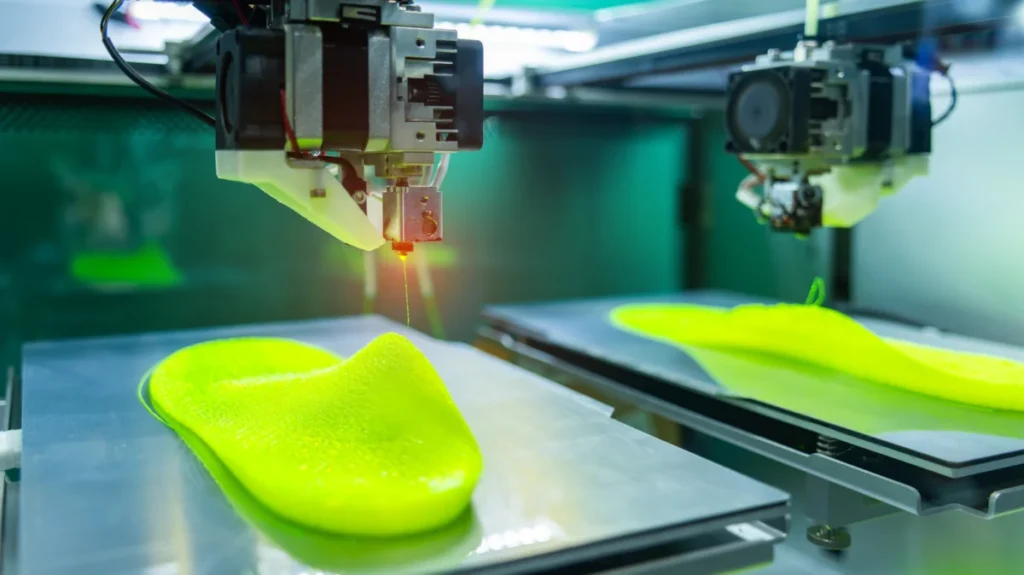
The concept of on-demand manufacturing, once confined to industrial spaces and high-tech environments like NASA’s International Space Station, has found a permanent foothold in the consumer market. Aboard the ISS, astronauts regularly utilize 3D printers to fabricate necessary tools and replacement components in real-time. Back on Earth, a growing number of consumers are discovering that desktop additive manufacturing can achieve a similar feat, turning digital computer-aided design models into physical objects at a fraction of standard retail costs.
However, prospective buyers often weigh the upfront investment against long-term utility, questioning whether consumer-grade machinery is genuinely worth the purchase. Entry-level printers, such as the Creality Ender-3 V3 SE, typically retail starting around $170, while more advanced systems can easily climb past $700. The operational expenses primarily rely on raw materials like filament, which generally starts at approximately $20 per kilogram. By calculating the ratio of hardware expenses against the cost of raw materials—such as producing fifty ten-dollar items from a single kilogram of filament—enthusiasts can quickly identify where significant savings accumulate. Furthermore, ownership is not strictly required; local libraries, maker spaces, and online fabrication services offer alternative pathways to access the technology for a fee.
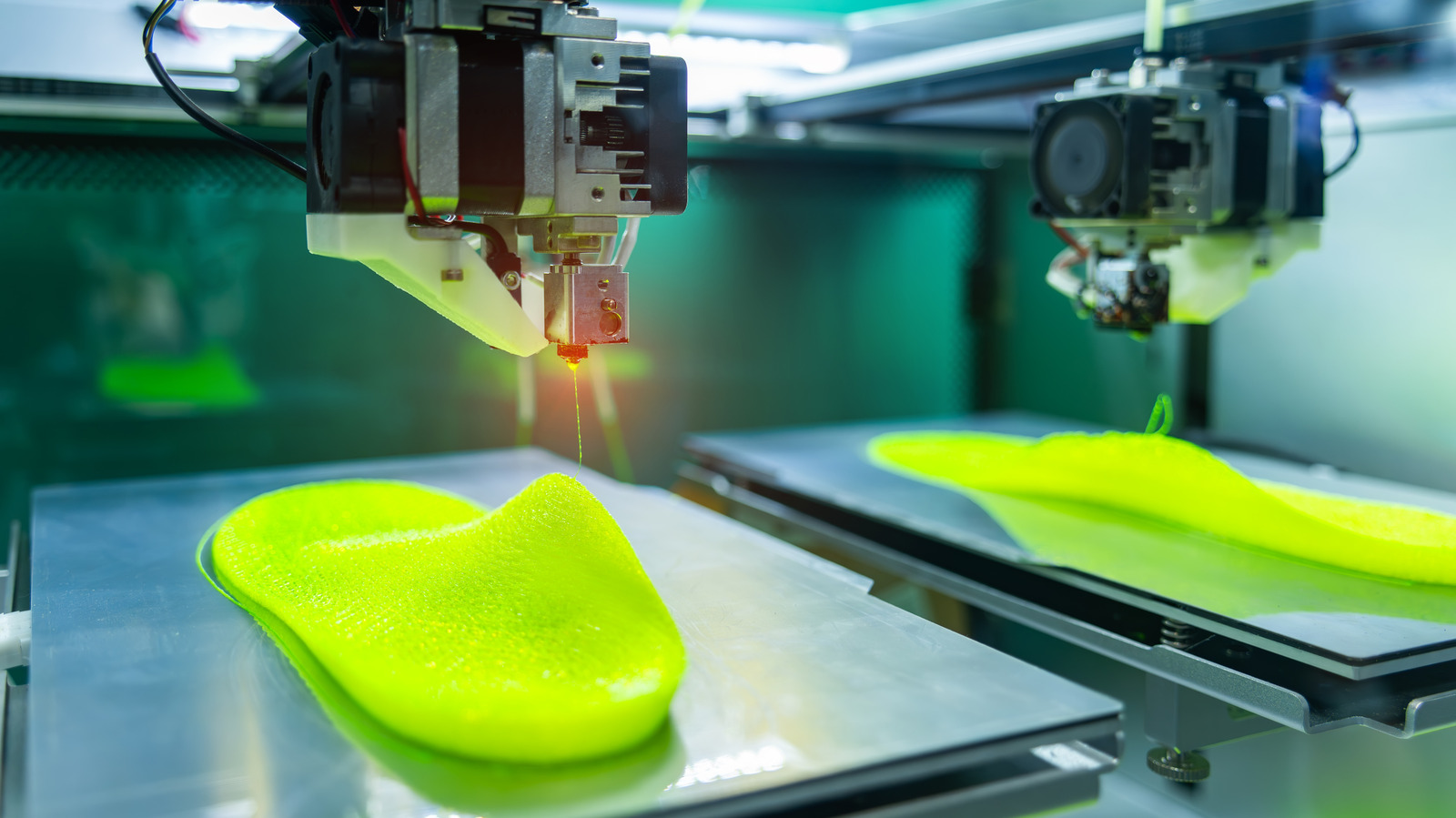
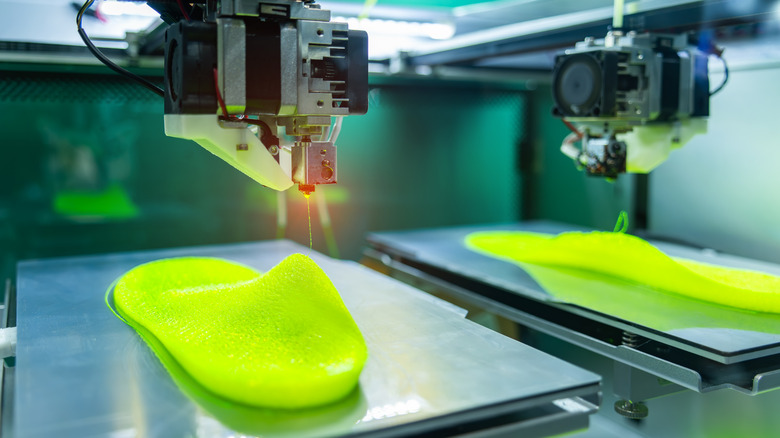
Most consumer-grade machines utilize fused deposition modeling, commonly referred to as FDM. This process pushes a thermoplastic filament, most frequently polylactic acid or PLA, through a heated nozzle to build objects layer by layer. More specialized and expensive systems rely on resin-based methods like stereolithography and digital light processing, or polymer powder approaches such as selective laser sintering. While FDM technology dominates the home market and serves as the economic engine for various recreational pursuits, hobbyists requiring extreme fine detail often lean toward resin alternatives. Across several distinct interest areas, additive manufacturing is proving to be a valuable financial asset rather than just a novelty.
1. Replacement Parts for Drones
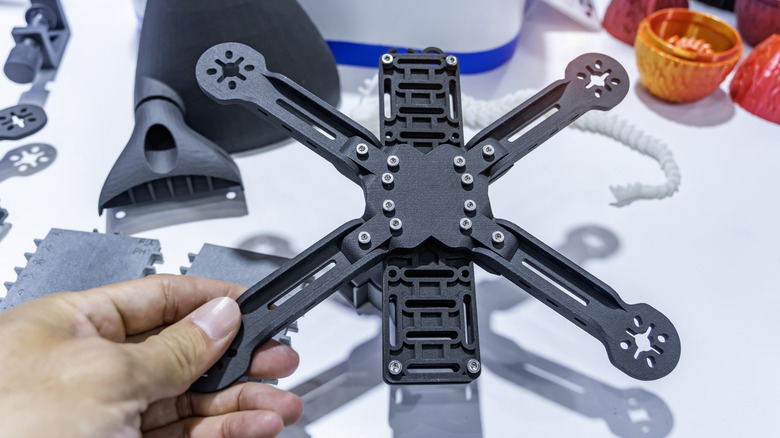
Enthusiasts involved in remote-controlled vehicles and drone piloting frequently encounter the high cost of replacement components. A crash landing can quickly render a vehicle grounded, necessitating the purchase of new structural elements or specialized fittings. Online 3D modeling repositories now feature extensive sections dedicated entirely to drone components, allowing pilots to fabricate broken parts rather than ordering expensive OEM replacements.
While industry experts advise against printing flight-critical components—such as propellers—until specific materials and designs undergo rigorous structural validation, numerous auxiliary parts remain fair game. Accessories like camera mounts, antenna guards, and arm protectors can be produced rapidly at home. For hobbyists who experience frequent hardware attrition, the ability to print a ten-dollar replacement part for pennies allows the machinery to pay for itself over time, mirroring the efficient on-demand logistics utilized in orbital spaceflight.
2. 3D Printing for Gardeners and Gearheads
Individuals who manage bustling gardens or spend their free time working on automotive projects often find themselves needing specialized, hard-to-find hardware. Whether operating as a mechanic or a horticulturist, consumers frequently purchase replaceable components that are either overpriced due to their specialized nature or sold in bulk quantities that exceed actual needs. Additive manufacturing offers a practical reservoir of solutions for these distinct operational environments.
In the garden, users can fabricate everything from custom signage and plant labels to durable plastic clips, planters, soil dibbers, and bird feeders. Meanwhile, in the garage or workshop, the technology provides a means to manufacture difficult-to-locate car interior pieces, broken control knobs, customized tool organizers, wrenches, and multi-axis vises. The convenience of printing an exact tool or component tailored to a specific mechanical problem saves both financial resources and the frustration associated with sourcing obsolete parts through traditional retail channels.
3. Print Your Way to a Smarter Home
The inherent flexibility of fabricating custom shapes and dimensions makes desktop manufacturing a natural fit for home automation projects. Beyond standard organizational accessories like cable management trays, hub shelving, and wall mounts, the technology allows tech enthusiasts to pursue intricate smart home customization without incurring heavy retail markups.
For instance, homeowners utilizing near-field communication or NFC stickers to trigger smart devices can replace utilitarian adhesive tags with purposefully designed housings and mechanical buttons. This approach enables creative implementations, such as guest-friendly Wi-Fi access signs embedded with NFC technology. Similarly, those seeking dedicated control panels can manufacture custom chassis for Home Assistant touch screens or wall mounts for tablets. By printing these enclosures at home, users can achieve advanced smart home integrations at a fraction of the cost associated with branded commercial alternatives like Apple’s $299 HomeView display.
4. 3D for Photography and Videography
Photography and videography enthusiasts frequently express frustration over the premium prices manufacturers charge for highly replaceable accessories, including lens caps, cable clamps, and specialized battery holders. Additive manufacturing disrupts this dynamic by offering universally compatible designs that can be produced for minimal material costs.
Beyond simple replacement caps, creators can print mechanical V-lock battery plates, custom microphone mounts, specialized lighting brackets, and portable tabletop tripods. The ability to modify existing CAD files or design custom components from scratch provides creators with single-use tools tailored to achieve specific shots or mount unique lighting rigs, eliminating the need to purchase expensive, proprietary gear for niche situations.

5. Dungeons, Dragons, and Railroads
Tabletop gamers, scale modelers, and enthusiasts of miniature railroads encounter significant expenses when outfitting their hobby environments. Building detailed terrain, populating game boards with monsters and characters, or expanding model railway layouts with custom sidings and scenery can require a substantial financial commitment. Online repositories like MyMiniFactory host vast libraries of digital assets that support a thriving community of hobbyists who prefer to manufacture their own game pieces.
While historical reenactments and detailed tabletop miniatures often demand the high resolution of resin-based printers, FDM machines are widely used to construct buildings, trees, and expansive terrain features. Beyond the obvious financial savings on miniatures and gaming accessories, the technology offers practical utility for organization, helping gamers keep track of components and dice.
Despite the clear financial advantages across these diverse pursuits, prospective buyers must evaluate several practical factors before investing in desktop manufacturing hardware. Consideration should be given to how frequently the equipment will be utilized, the technical skill required to operate and maintain the machine, and the ongoing cost of raw materials. Furthermore, proper spatial planning is essential, as 3D printers require adequate ventilation and should not be operated in primary living spaces like bedrooms or lounges. For those uncertain about making a permanent investment, utilizing a shared community printer or an online service remains an effective way to determine whether the technology aligns with their specific hobby requirements.
Related News