Inside the Ultra-Long Combat Missions and Spartan Rest Facilities of the B-2 Spirit Stealth Bomber
Article Editorial Team
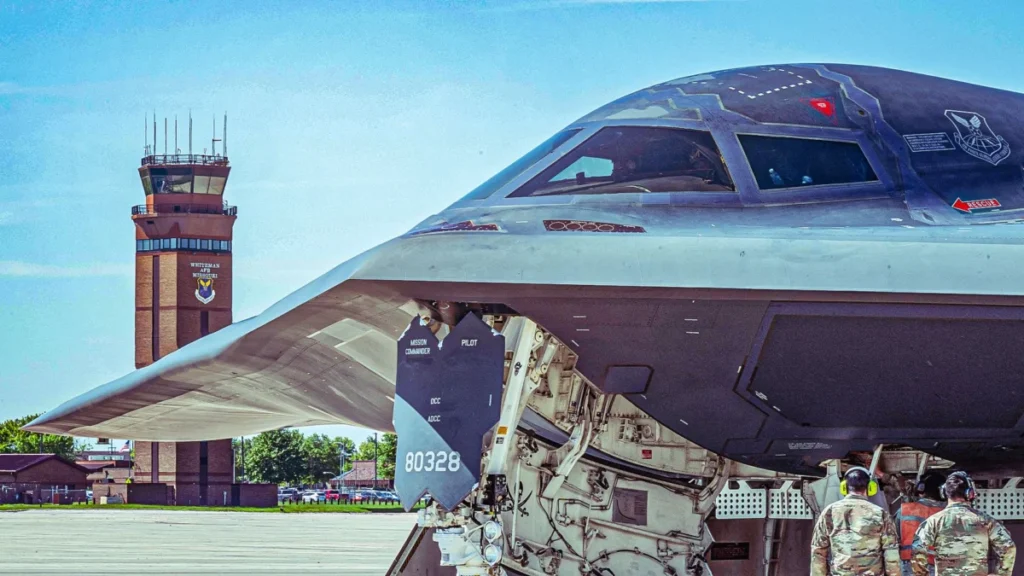
The Northrop B-2 Spirit is not designed for comfort; it is designed to survive the opening night of a major global conflict. Engineered to be among the very first military assets to breach highly contested enemy air defenses, the flying wing stealth bomber executes the initial, high-risk strategic strikes of a campaign. Unlike other heavy bombers currently in service with the United States, Russia, or China, the B-2 is uniquely capable of penetrating heavily defended airspace undetected to deliver precise munitions directly onto high-value targets.
To eliminate the risk of being destroyed on the ground while maximizing strategic surprise and operational uncertainty, these stealth bombers frequently take off directly from their home installation at Whiteman Air Force Base in Missouri. However, regardless of how spartan and utilitarian the interior of the aircraft may be, the operational reality forces the design to cater to the physiological and psychological needs of human pilots during missions that can stretch well beyond 40 hours of continuous flight. Even the most physically fit and extensively experienced aviators face severe cognitive fatigue during these marathon sorties.
Launching From Whiteman
The Northrop B-2 Spirit stands as one of the most strategically valuable and financially expensive assets in the United States military inventory. Beyond its immense procurement cost, the aircraft serves as a formidable icon of national prestige. For any adversary, successfully destroying a B-2 would represent a major symbolic victory. Because these stealth aircraft are virtually impossible to track and target while airborne, military strategists recognize that their greatest vulnerability lies on the ground.
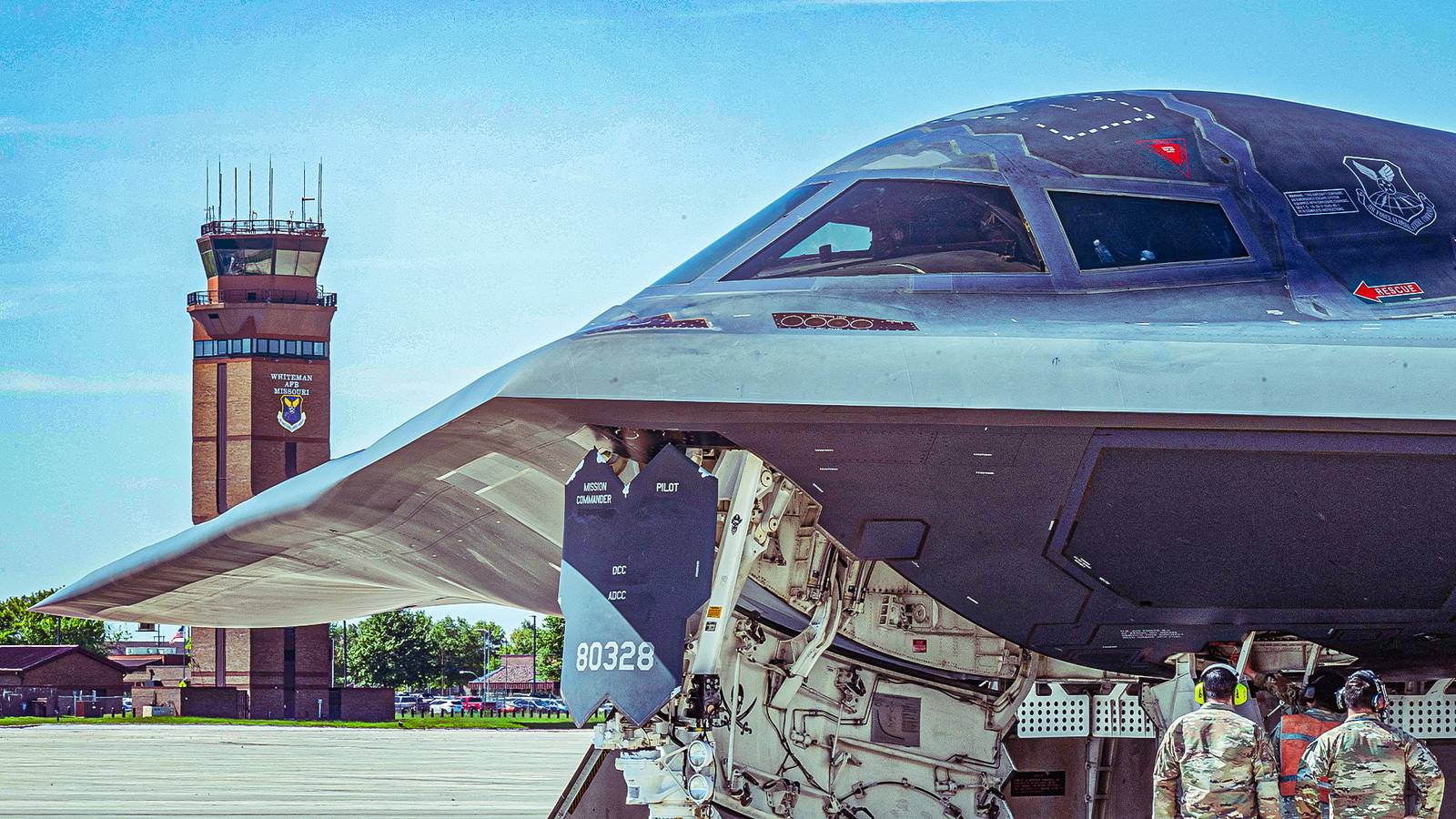
The global military community received a stark reminder of bomber vulnerability in 2025 when Ukraine’s Operation Spiderweb successfully destroyed approximately 20% of Russia’s active strategic bomber fleet while parked at their home airfields. Repeated military war games consistently demonstrate that in a high-end peer-to-peer conflict, the vast majority of aircraft lost by the United States would be destroyed on the ground before ever taking off.
Consequently, while the US Air Force does routinely forward-deploy its B-2 fleet to strategic outposts such as Guam and Diego Garcia, these deployments are typically executed for military exercises, deterrence patrols, or visible shows of force. When the command is given to employ the B-2 in actual combat against a significant adversary, the Air Force frequently elects to fly the bombers on continuous, uninterrupted round-trip missions directly from their home bases in the continental United States.
The United States military is uniquely positioned to execute this strategy thanks to a massive, global network of allied air bases and a robust fleet of aerial refueling tankers, including the KC-135 and KC-46. These tankers meet the bombers along predetermined flight paths to refuel them in mid-air. Flying these missions directly from the United States and back completely removes the threat of preemptive strikes destroying the high-value jets on the ground.

Long Combat Missions
Launching these strategic missions from Whiteman Air Force Base inevitably results in exceptionally long flight times. The longest recorded combat mission in the history of the B-2 program occurred in October 2001 during the opening phases of Operation Enduring Freedom in Afghanistan. That grueling flight lasted approximately 44 hours. The aircraft launched from Missouri, struck targets across Southwest Asia, and eventually landed at an overseas base to change flight crews before the return journey. In total, the operational deployment cycle spanned nearly 70 hours.
More recently, in June 2025, the US Air Force launched Operation Midnight Hammer, targeting Iran’s heavily fortified Fordow nuclear facility. The strike aircraft took off from Whiteman Air Force Base, traversed the airspace over the Atlantic Ocean and Europe to reach targets in Iran, and flew all the way back home. Simultaneously, a diversionary package of B-2s flew the opposite direction across the Pacific Ocean toward Guam. The primary strike mission accounted for approximately 37 hours of continuous flying time.
Similar long-duration missions have defined the B-2’s operational history. In 2017, B-2s executed a 34-hour strike mission during Operation Odyssey Dawn against targets in Libya. During the Kosovo campaign in 1999, missions averaged around 31 hours round-trip, while initial sorties during Operation Iraqi Freedom in 2003 required roughly 33 hours in the air. While many subsequent flights during the Iraq conflict utilized forward-deployed hubs like Diego Garcia, the opening waves designed to dismantle enemy air defenses—colloquially known as "knocking the door down"—frequently originated directly from Missouri.
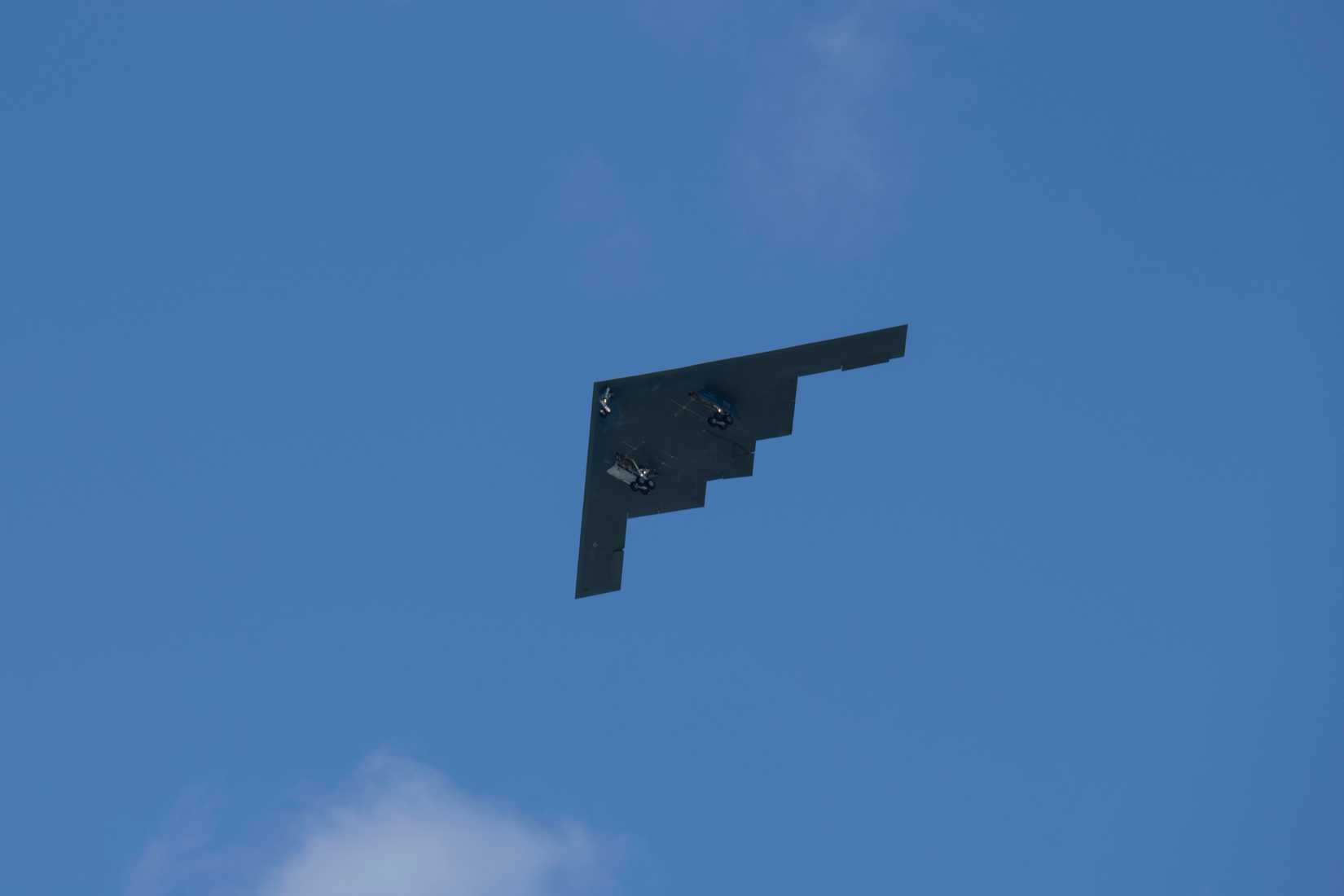
When missions stretch to these extremes, the aircraft must provide basic provisions to sustain the crew. While the B-2 is subsonic, military aviation experts note that all heavy bombers operate at subsonic speeds in actual combat environments. The B-2 relies entirely on its advanced stealth technology to remain hidden from enemy radar rather than attempting to outrun threats via supersonic speed. In modern warfare, supersonic bombers such as the B-1B Lancer, Tu-22M, and Tu-160 almost never fly at supersonic speeds, and when they do, those bursts are brief dashes rather than endurance marathons.
The B-2’s Rest Areas
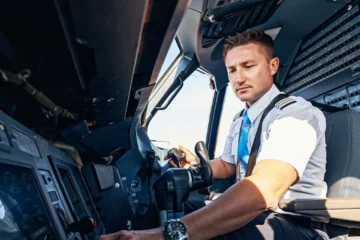
The interior of the B-2 Spirit features rudimentary combat rest facilities located directly behind the cockpit to support the two-person crew during ultra-long-haul operations. A basic, portable chemical toilet is installed as a sealed system. Privacy during these missions is practically nonexistent; other crew members can easily hear the pilot utilizing the facilities and are only a glance away if they turn their heads inside the confined compartment.
Directly behind the cockpit area, mounted along the primary bulkhead, is a fold-down sleep cot designed to accommodate one pilot at a time. The sleeping space is strictly limited and lacks the length required for taller pilots to fully extend their bodies. It is not engineered for deep, restorative sleep, but rather for functional, intermittent naps to combat exhaustion. Pilots also bring a supply of pre-packed operational meals to sustain themselves throughout the journey.
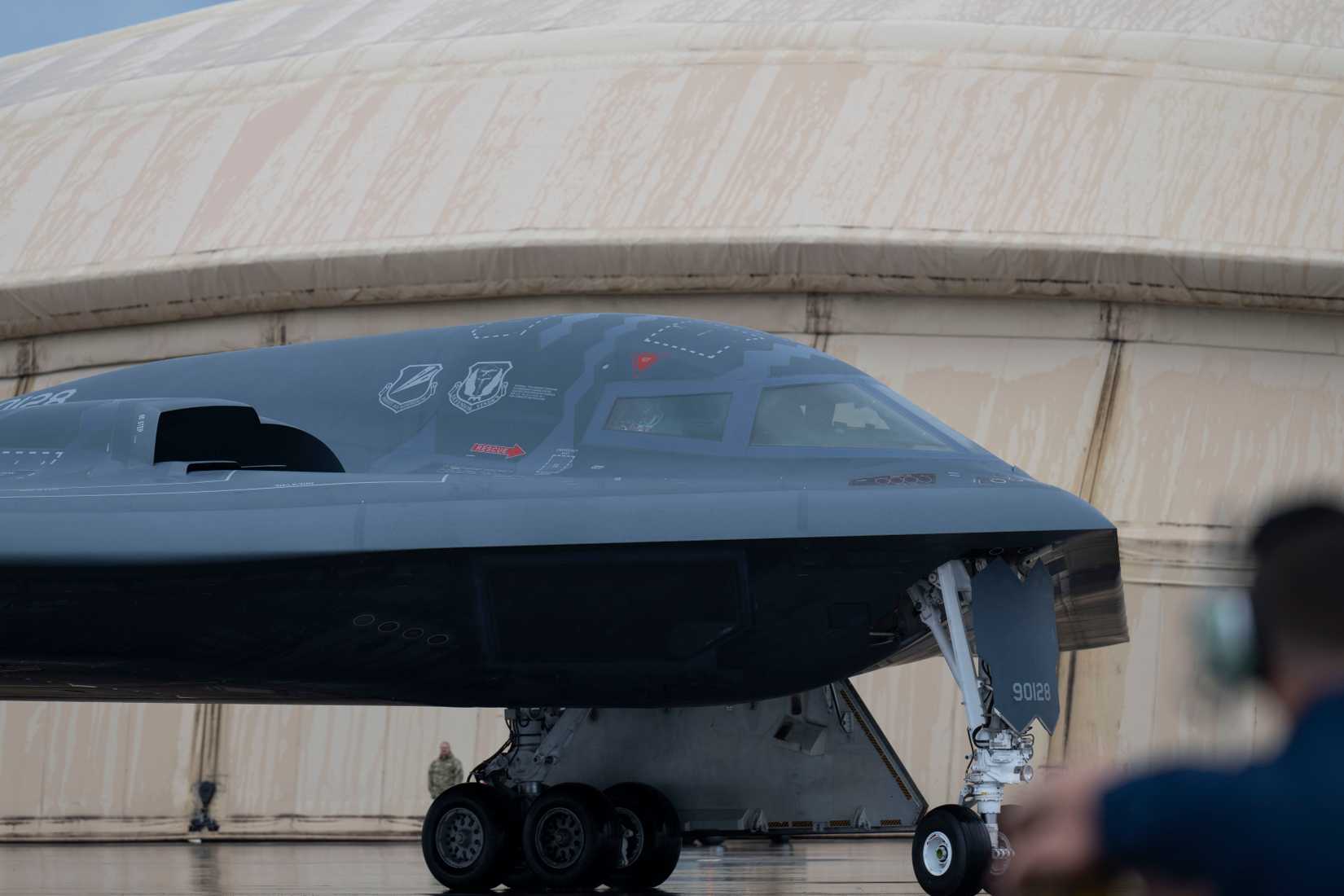
Unlike older strategic bombers such as the B-52 Stratofortress, which carries a flight crew of five—including a pilot, copilot, weapons systems officer, navigator, and electronic warfare officer—the B-2 is operated by just two aviators. The pilot occupies the left seat, while the mission commander is seated on the right. Despite the cramped quarters of the overall airframe, the flight deck itself is spacious enough to allow a six-foot-tall pilot to stand up fully.
The Tales Of The B-2’s Mini-Fridge & Microwave
Internet lore frequently suggests that the B-2 Spirit features a modern luxury kitchen setup, including a dedicated mini-fridge and microwave. While many secondary and tabloid sources have exaggerated these claims, the reality is somewhat more modest. During a 2023 interview with the aviation YouTube channel Whayman College of Aeronautics, B-2 pilot Tim Sutton clarified that the aircraft received an upgrade allowing for a small microwave to heat food on board.
Sutton noted, however, that the setup was "nothing like the C-17" transport aircraft. Regarding the presence of a mini-fridge, historical reporting from publications like The Atlantic indicates that the refrigeration system is typically composed of a couple of Styrofoam coolers packed with food and beverages brought aboard by the pilots themselves.
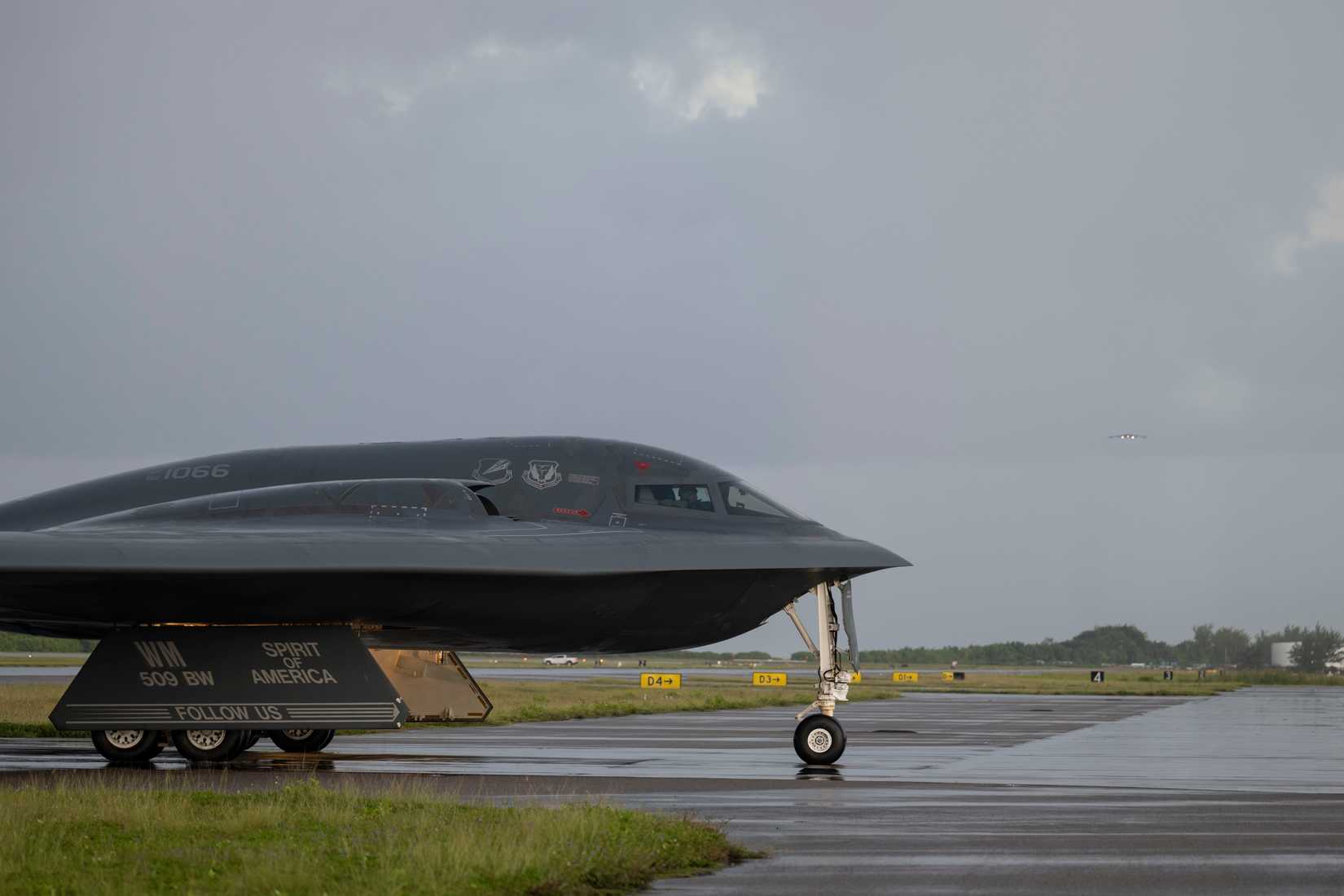
Accounts from long-duration missions also describe pilots using the floor space in the rear of the cockpit to stretch out for rest. On the return legs of these grueling flights, pilots have been known to utilize camping towelettes, wash their faces, brush their teeth, change into fresh flight suits, and freshen up before landing back home.
Why Rests Are Important
Managing fatigue on multi-day missions requires strict discipline. In a 2019 interview with Defense News, Chris Beck, a former B-52 pilot who transitioned to the B-2 program, explained that once an aviator becomes accustomed to ultra-long-haul flights, missions under 20 hours begin to feel relatively brief. He emphasized the danger of falling into a false sense of security simply because a crew has a dozen or more hours before reaching the target area.
Beck stressed that pilots must remain proactive, organizing structured nap schedules early in the flight to stay ahead of exhaustion. Once a pilot falls behind the fatigue curve, recovery becomes exceptionally difficult. Typically, crew members take turns sleeping for a couple of hours at a time, depending on the flight plan and the timing of aerial refuelings. Aviators pack ample supplies of water, sports drinks, toiletries, spare clothing, and light snacks to endure the journey.
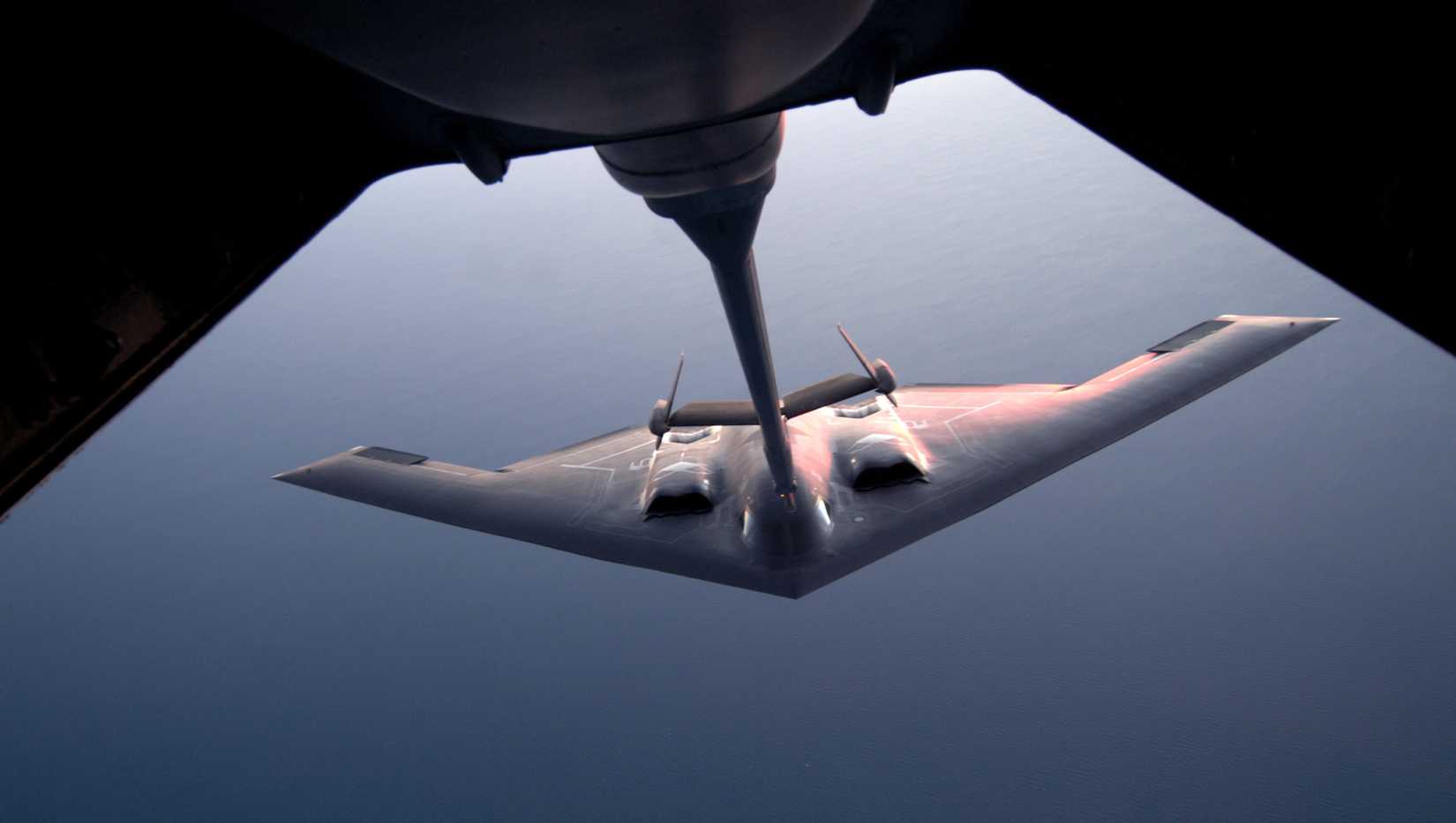
To assist with these demands, Whiteman Air Force Base employs dedicated aerospace physiologists and flight surgeons who specialize in studying the physiological impacts of prolonged flight operations. These medical professionals train incoming pilots on advanced endurance techniques and fatigue countermeasures. On particularly demanding missions, physicians may even prescribe specialized medications designed to help pilots maintain peak focus and cognitive alertness during critical phases of the operation.
The Only Remaining Penetrator Bomber
The Northrop B-2 Spirit holds the distinction of being the only dedicated, low-observable strategic penetration bomber currently active in military service worldwide, a status it will hold until the eventual operational introduction of the Northrop Grumman B-21 Raider. In contrast, other historical designs were built for different tactical doctrines. The B-1B Lancer was originally engineered as a low-level, high-speed supersonic bomber designed to hug the terrain beneath radar horizons, but the proliferation of advanced look-down radar systems has rendered low-altitude tactics increasingly vulnerable in contested airspace.
Similarly, the Boeing B-52 Stratofortress was designed for a bygone era of aviation, and massive, direct bombing runs akin to Operation Linebacker II over Vietnam in 1972 are no longer viable against modern air defenses. Russia’s Tu-95MS turboprop bomber serves a comparable standoff role to the B-52, while the variable-sweep Tu-22M3 was designed primarily for maritime strike missions against allied shipping and aircraft carriers. Russia’s massive Tu-160 supersonic Blackjack and China’s modernization of the legacy Soviet Tupolev Tu-16—designated as the Xi’an H-6—rely heavily on standoff missile delivery rather than stealth penetration.
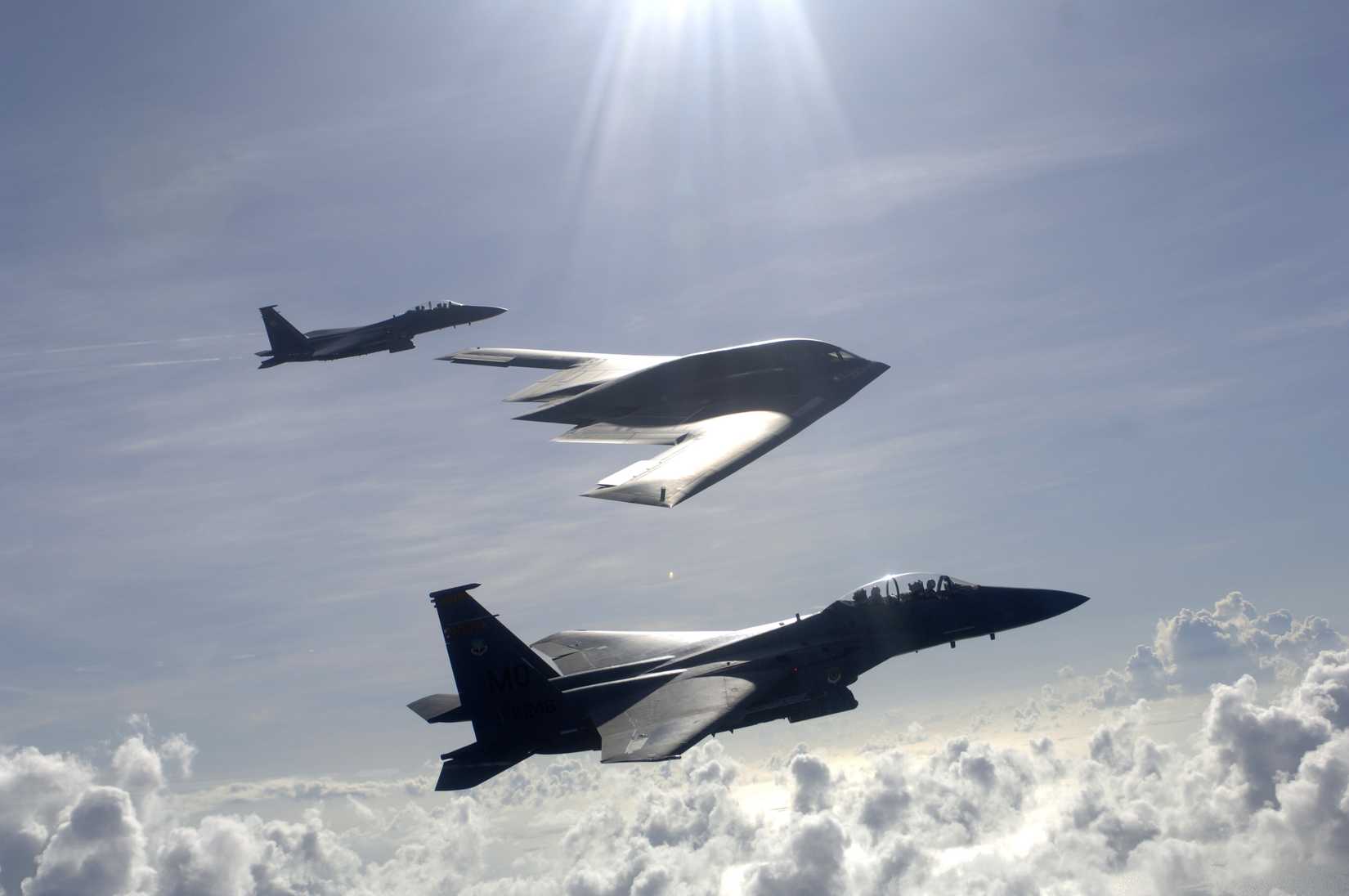
As a result of these technological shifts, the United States, Russia, and China primarily utilize their legacy non-stealth bombers as standoff missile platforms, launching long-range munitions from outside heavily defended airspace. The B-2 Spirit remains the sole operational heavy bomber capable of independently penetrating highly contested environments to deliver conventional or nuclear gravity bombs directly to their targets, as demonstrated during operations in the Middle East.
Related News