How Delta Air Lines’ Transpacific Strategy Evolved From The Northwest Merger to Seoul and Tokyo
Article Editorial Team
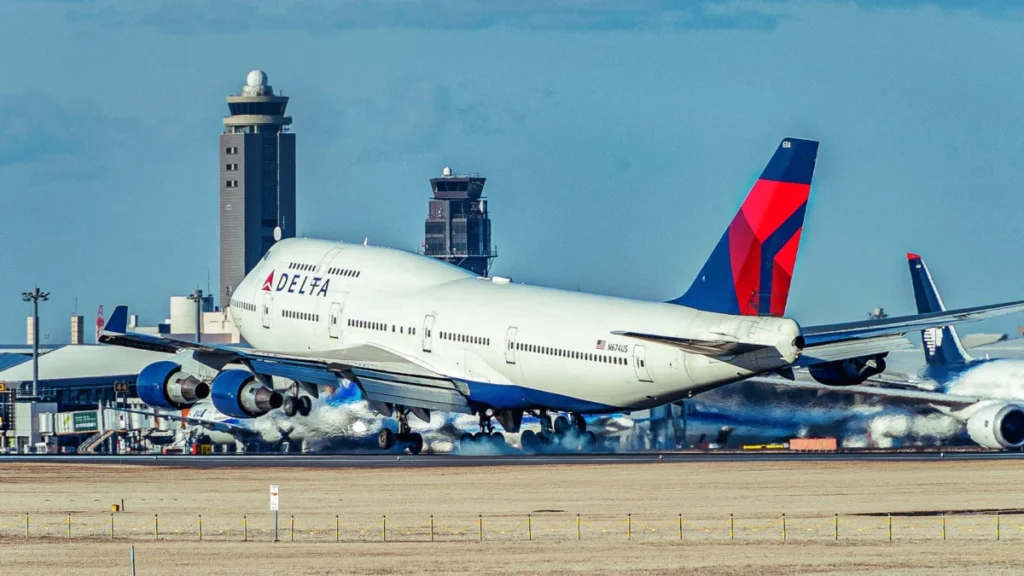
Nearly two decades after the landmark 2008 merger between Delta Air Lines and Northwest Airlines reshaped the United States commercial aviation landscape, the long-term structural ripple effects of that corporate consolidation continue to define modern network planning. The transaction was the first to create one of the nation’s current "mega legacy carriers," bringing together two massive route systems and establishing a baseline of over 1,000 mainline aircraft for the combined enterprise. While Delta and its chief competitors have successfully leveraged their inherited domestic hubs to drive growth and dominate key markets, the evolution of Northwest’s once-mighty international network tells a uniquely complex story of technological advancement, geopolitical shifting, and strategic realignment—most notably demonstrated by the rise and fall of the airline’s historic base at Tokyo Narita International Airport.
Prior to the merger, Atlanta-based Delta operated domestic and transatlantic heavy hubs in Atlanta, New York, Cincinnati, Salt Lake City, and Los Angeles. Northwest Airlines brought a complementary domestic footprint anchored by Memphis, Detroit, and Minneapolis, alongside its crown jewel: a massive transpacific and intra-Asia connecting operation centered at Tokyo Narita. While Northwest frequently marketed Amsterdam and Paris as European hubs, those operations were actually joint venture bases heavily dominated by SkyTeam partners KLM and Air France. Narita, however, stood as a fully integrated Northwest operation, boasting a high frequency of United States-bound trunk routes tightly meshed with a dense web of regional, intra-Asia flights.
In the immediate aftermath of the merger, Delta set about rationalizing its newly expanded domestic and international portfolio to eliminate redundancies. Memphis was systematically dehubbed as the local economy slowed and proximity to the juggernaut Atlanta hub rendered it superfluous. Cincinnati experienced a similar gradual drawdown, with connecting traffic largely funneled into the larger Detroit hub. Simultaneously, Delta began heavily investing in new coastal gateways, aggressively pursuing and ultimately securing successful hub operations in Boston and Seattle to capture vital domestic and international feed.
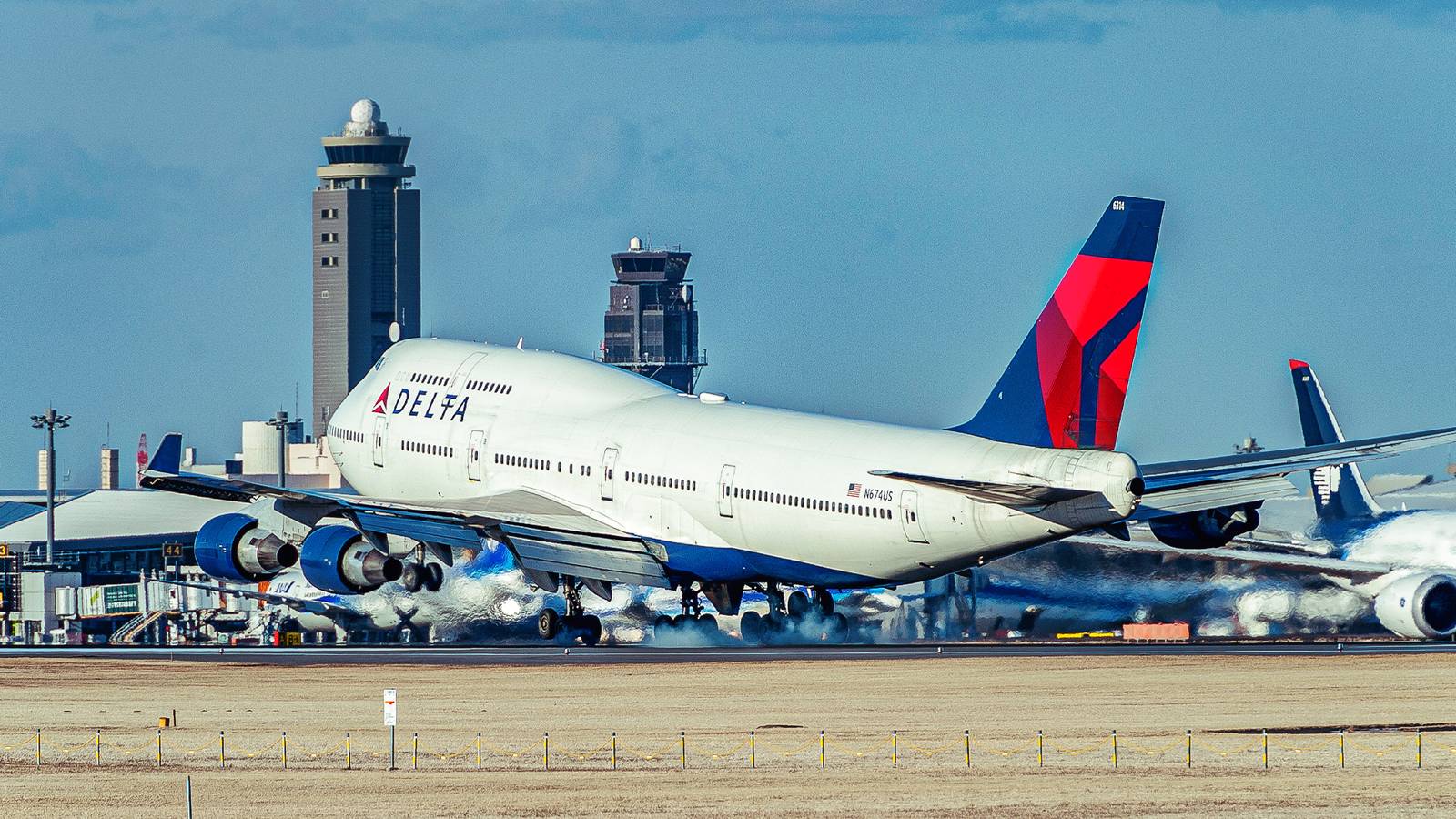
Yet, the treatment of the Narita hub diverged sharply from the rest of the network rationalization process. Unlike domestic bases that were reconfigured or consolidated, the Narita operation represented a massive chunk of capacity that Delta has effectively never replaced in kind. At the exact moment of the 2008 merger, Northwest served 19 distinct cities directly from Narita. Throughout the 2010s, however, Delta steadily pruned the hub, stripping away frequencies and capacity before completely pulling out of Narita in 2020.
While core United States routes previously touching Narita were gradually replaced by direct services to Tokyo Haneda Airport, Delta simultaneously abandoned a wide swath of secondary Asia-Pacific destinations. Cities that once enjoyed direct service under the Northwest or early Delta banner—including Beijing, Guangzhou, Busan, Guam, Palau, Manila, Saipan, Singapore, and Bangkok—saw their flights disappear. Although Delta is scheduled to relaunch flights to Manila from Los Angeles in 2027, the airline still does not serve the vast majority of these regional Asian points from its own metal.
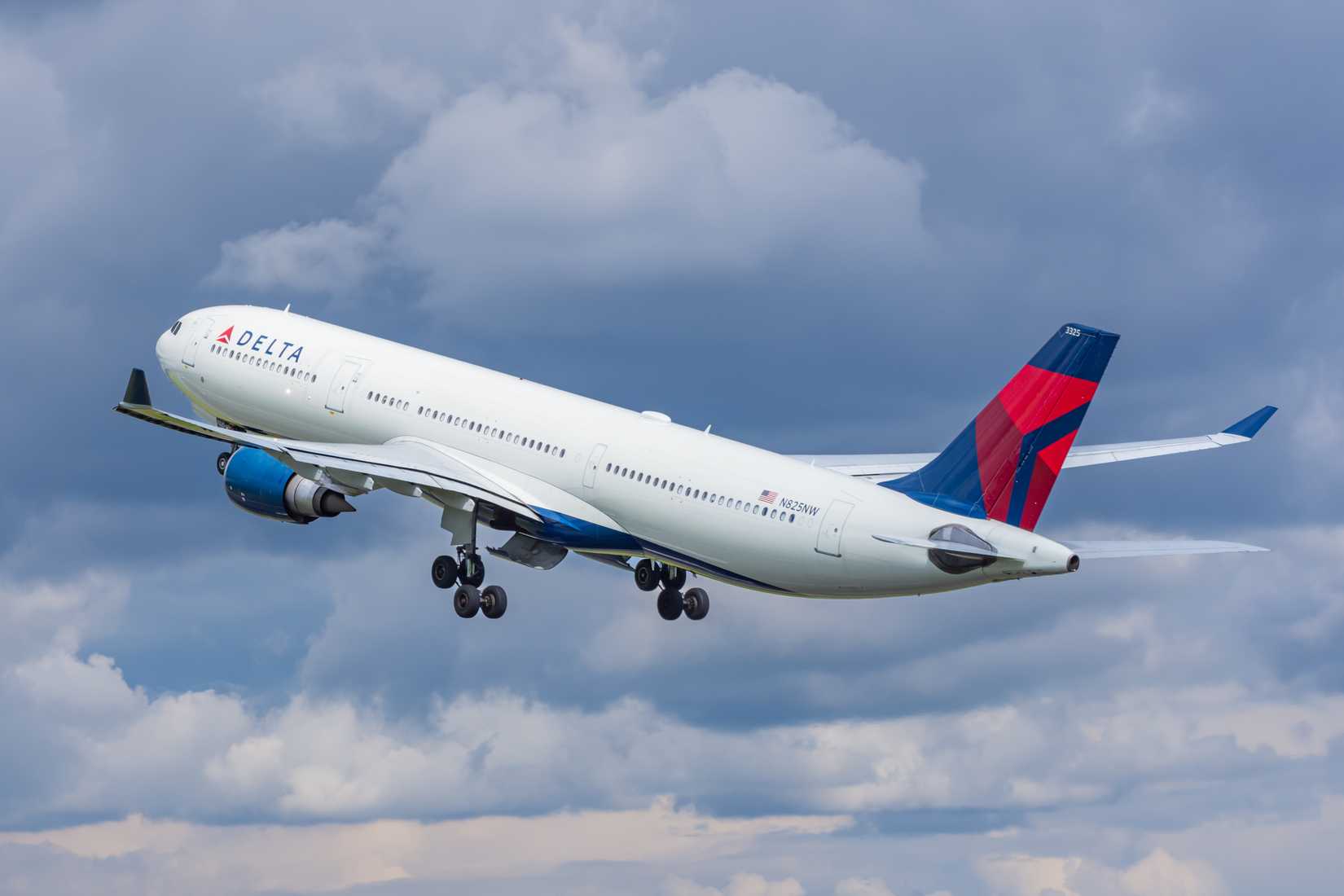
The structural dismantling of the Narita hub ultimately boils down to a technological revolution in aircraft range and efficiency. In the twentieth century, Narita was an absolute necessity. Long-range widebodies of the era, such as the Boeing 747-200, lacked the fuel capacity and performance to reliably operate ultra-long-distance sectors like New York to Tokyo non-stop against punishing winter headwinds. Consequently, Northwest channeled all its American flights into Narita, where passengers disembarked and transferred onto regional aircraft heading deeper into Asia.
As aviation technology marched forward, the introduction of advanced, highly efficient widebody types—ranging from the Boeing 747-400 and Boeing 777 to modern marvels like the Airbus A350 and Boeing 787 Dreamliner—completely invalidated the traditional mid-ocean stopover. These new aircraft could easily fly non-stop from the United States mainland directly to major commercial centers across Asia. While stopping at Narita had previously helped feed regional intra-Asia flights, domestic hubs back in the United States could generate far superior connecting traffic volumes. Recognizing this shift, Delta made a bold pivot in 2012, choosing Seattle as its primary anchor for transpacific flying. The airline inherited former Northwest services to Narita and launched routes to Beijing, subsequently adding frequencies to Osaka, Shanghai, Haneda, Seoul, Hong Kong, and Taipei. Although not all of these routes proved permanent, Seattle allowed Delta to operate smaller, highly efficient widebodies directly to Asia while simultaneously building a robust domestic feed that Narita could never match.
More recently, increased competition from domestic rivals like Alaska Airlines and various foreign carriers out of Seattle has prompted Delta to diversify its transpacific strategy by expanding heavily out of Los Angeles International Airport. Alongside the upcoming Manila return, the carrier has added Hong Kong service, with industry rumors frequently pointing toward a future resumption of non-stop flights to Singapore.
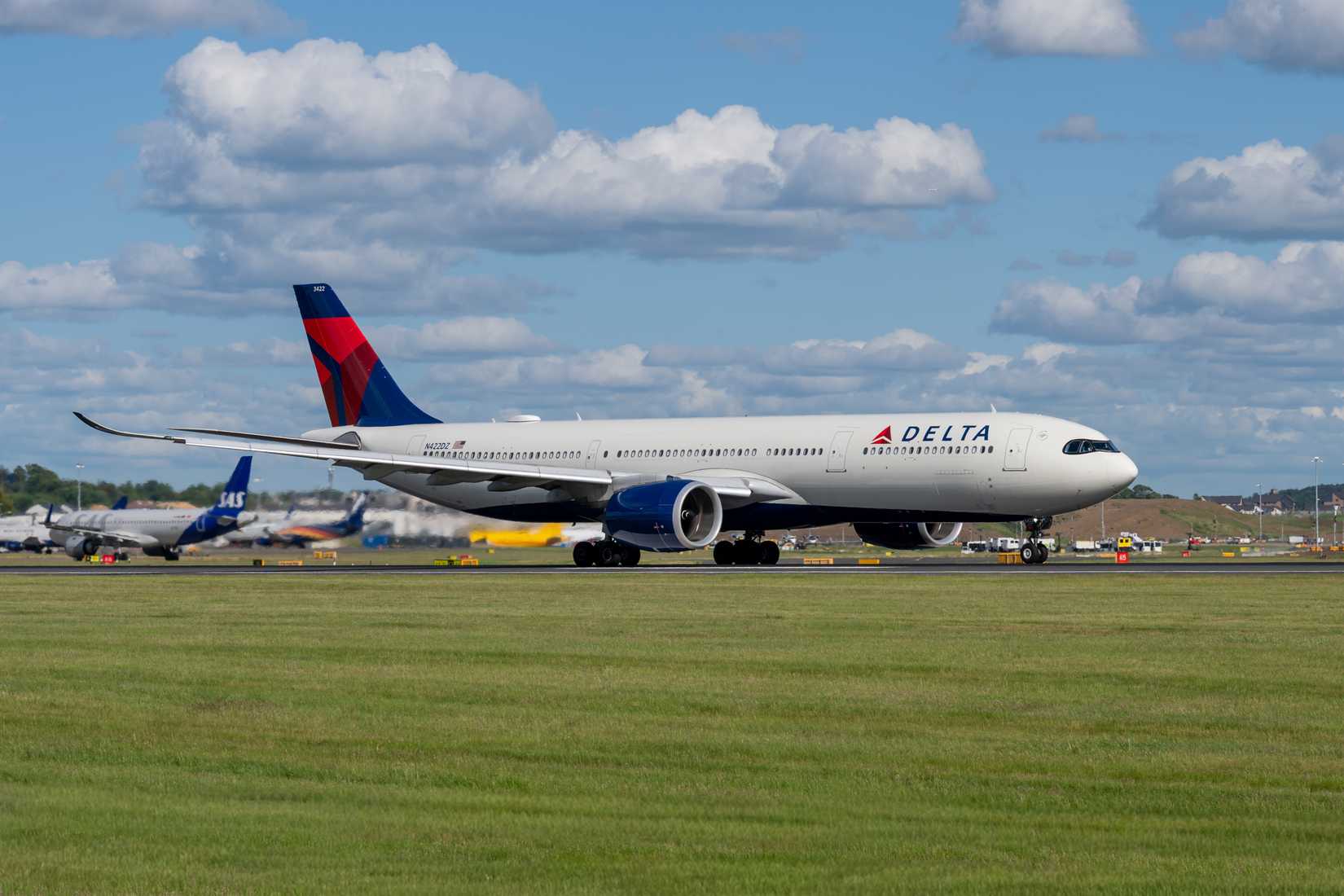
Rather than entirely abandoning the concept of a connecting hub in Asia, Delta executed a masterclass in global airline alliance strategy by effectively replacing Narita with Seoul Incheon International Airport. While Delta removed its own widebody metal from intra-Asia flying, it achieved the exact same network breadth by leaning heavily on its close partnership with SkyTeam alliance anchor Korean Air.
The strategy was supercharged by a metal-neutral joint venture agreement that took full effect in 2018. Under this comprehensive commercial partnership, Delta and Korean Air deeply coordinate flight schedules, align pricing strategies, codeshare seamlessly on each other’s aircraft, and share revenue. For all practical operational intents and purposes, the two carriers function as a single unified airline spanning the Pacific Ocean. This framework permits Delta to continue offering seamless one-stop itineraries from various American cities to regional Asian destinations like Singapore or Bangkok, routing passengers through Seoul on a segment operated by Korean Air. From an economic perspective, utilizing a joint venture partner for the regional leg minimizes financial exposure and eliminates the need to deploy dedicated Delta aircraft for lower-yielding intra-Asia hops.
This partnership-first model became a cornerstone of Delta’s broader corporate philosophy during the late 2010s and early 2020s, which favored relying on foreign partners over launching new, speculative long-haul routes independently. However, changing market dynamics and labor agreements have recently forced a recalibration. American travelers increasingly demand convenient, non-stop options to major international metropolitan areas. Furthermore, Delta’s collective bargaining agreement with its pilot union includes provisions mandating a strict one-for-one increase in proprietary widebody flying relative to any capacity expansion handled by foreign joint venture partners. As a result, Delta has steadily increased its direct United States-to-Asia non-stops, using its Seoul hub to fill the network gaps left behind by the departed Narita operations.
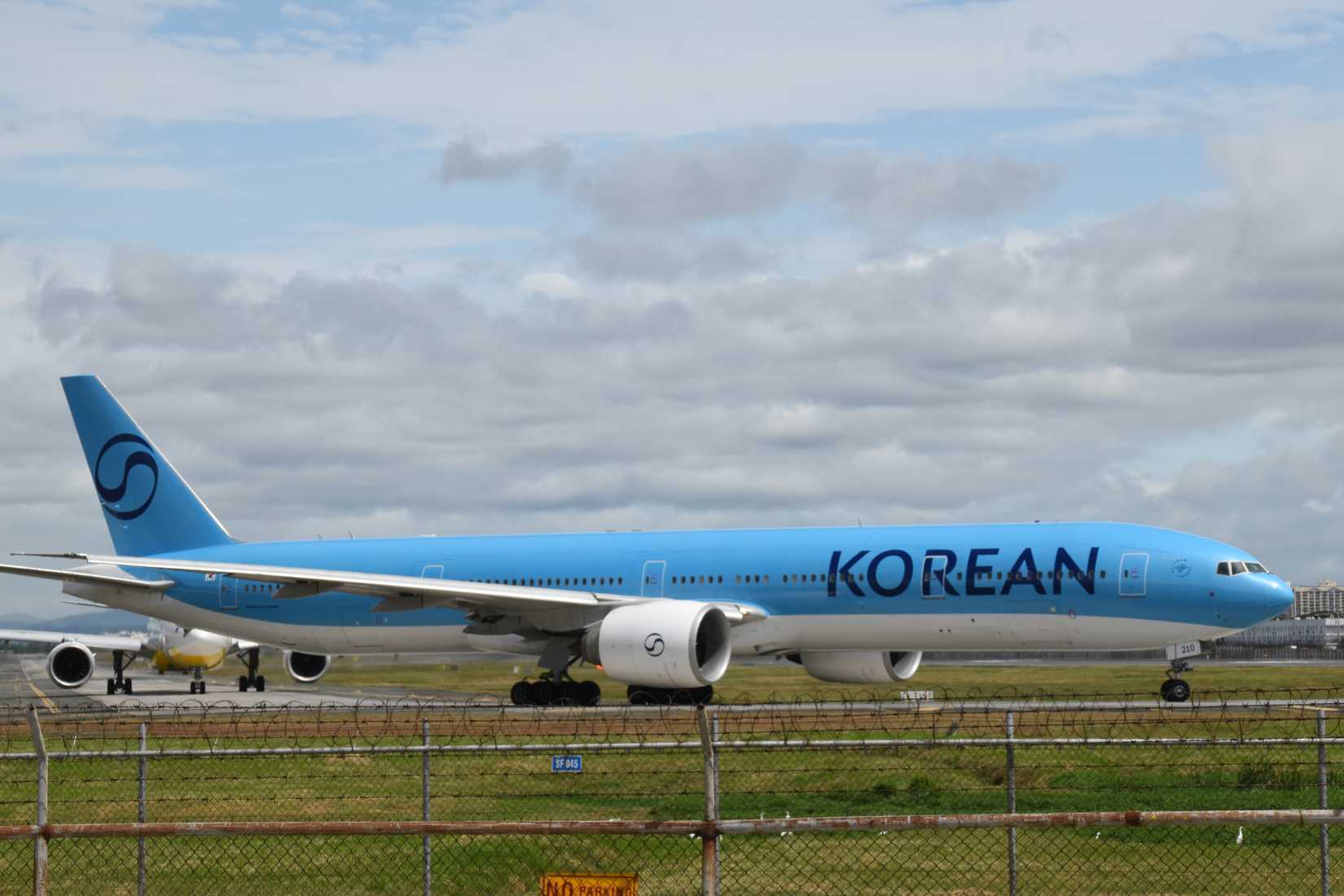
The final chapter of the Narita era was also heavily influenced by regulatory shifts at Tokyo’s more centrally located facility, Tokyo Haneda Airport. When Narita opened its doors in 1978, the Japanese government deliberately transferred all international commercial traffic away from Haneda to alleviate congestion. However, in 2010, authorities began reversing course, permitting international carriers to gradually resume limited operations at Haneda.
Because Haneda sits significantly closer to downtown Tokyo than Narita, it offers vastly superior convenience for business and leisure travelers alike, making it an intensely coveted asset. Because Haneda is strictly slot-controlled, Delta was forced to build up its presence there incrementally as the Japanese government released additional slot pairs, while competitors like American Airlines and United Airlines maintained dual-airport strategies serving both Narita and Haneda. Today, Delta operates flights to Haneda from Atlanta, Detroit, Honolulu, Los Angeles, Minneapolis, and Seattle.
Because Delta lacks a domestic Japanese airline partner—unlike United’s deep joint venture with All Nippon Airways or American’s ties with Japan Airlines—the Tokyo market occupies a slightly different strategic tier for Atlanta. Nevertheless, industry watchers noted Delta’s scheduled return to Narita with a single daily flight from Seattle, a move widely attributed to severe slot constraints at Haneda rather than a desire to resurrect the old Northwest hub model. If regulatory freedom permitted, Delta would almost certainly funnel that capacity directly into Haneda, but physical slot limitations have necessitated a modest return to Narita.
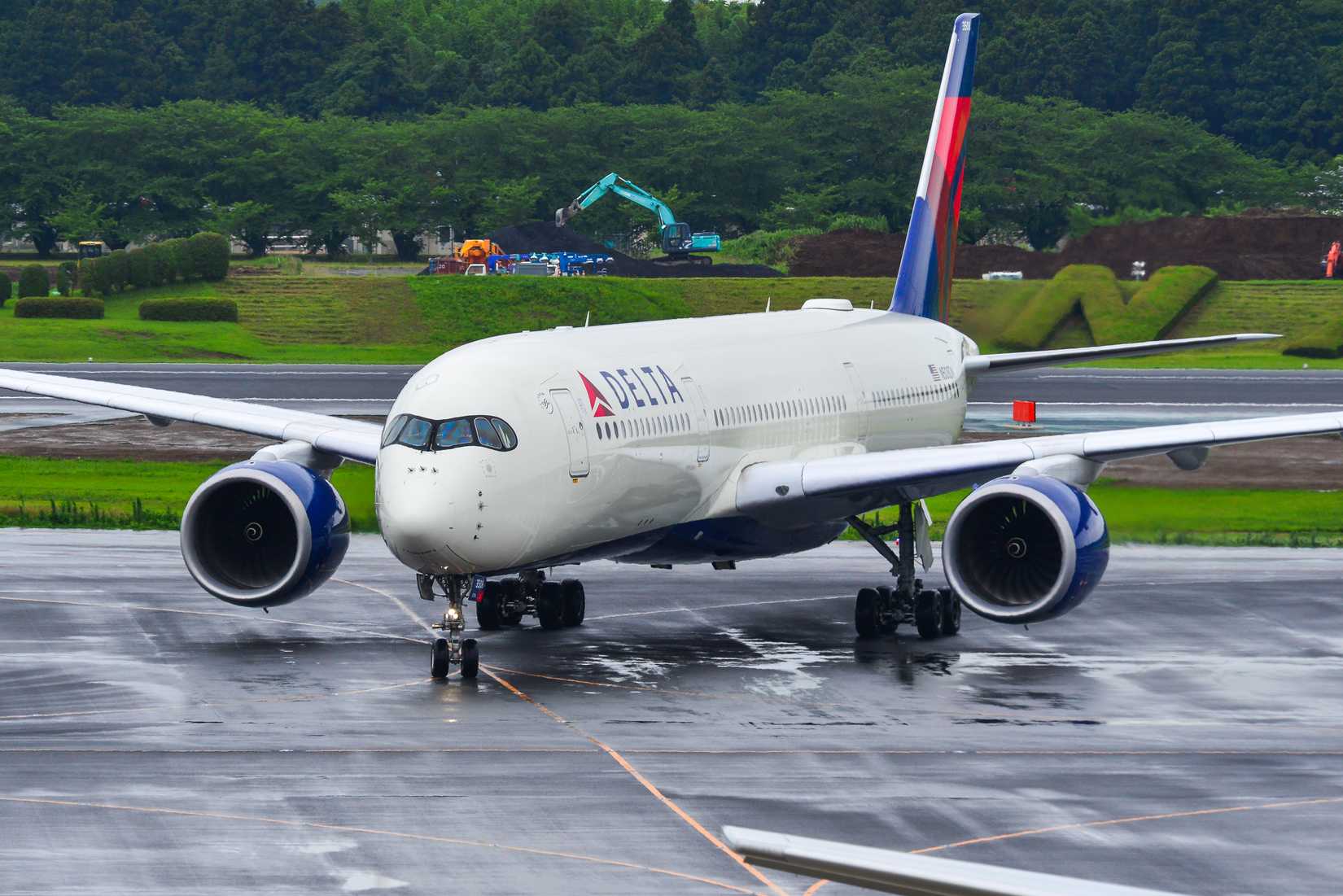
Meanwhile, competitor United Airlines has walked a fascinating parallel yet distinct path regarding its historical Narita footprint. Much like Northwest, United built a massive intra-Asia connecting complex at Narita during the twentieth century to compensate for the limited range of older aircraft. As modern Boeing 787s joined the fleet and unlocked direct routing to cities like Singapore, those intermediate stops largely faded away. Yet, United has continued to serve Narita non-stop from the United States alongside its expanding Haneda network, capitalizing on its robust joint venture with All Nippon Airways.
While Haneda caters primarily to point-to-point origin and destination traffic, Narita remains a vital conduit for broader Asia-Pacific connections. In a fascinating twist over the past few years, United actually expanded its regional operations out of Narita once again, deploying Boeing 737 aircraft to connect Tokyo with secondary destinations such as Cebu, Kaohsiung, Koror, Saipan, and Ulaanbaatar.
These thinner regional routes cannot be economically served non-stop from the United States mainland using widebody equipment. The primary catalyst for United’s renewed regional push out of Narita, however, stems from persistent capacity and demand challenges at its westernmost hub in Guam. Passenger traffic traveling through Guam has recovered at a much slower pace following the pandemic than other global markets. Rather than flying half-empty narrowbodies out of Guam or bearing the immense cost of repositioning aircraft and flight crews back to the continental United States, United chose a more creative asset-utilization strategy. By shifting a cohort of Boeing 737s to Narita, the airline has successfully launched routes to underserved regional destinations that lack direct service from partner All Nippon Airways and remain untouched by any other American carrier. For United, transpacific trunk routes remain firmly anchored by non-stop mainland operations, while its modern Narita operations stand as a pragmatic exercise in maximizing fleet utility across the Pacific.
Related News