Portland City Council Unanimously Approves Historic Ban on Cruise Ship Scrubbers at City Piers
Article Editorial Team
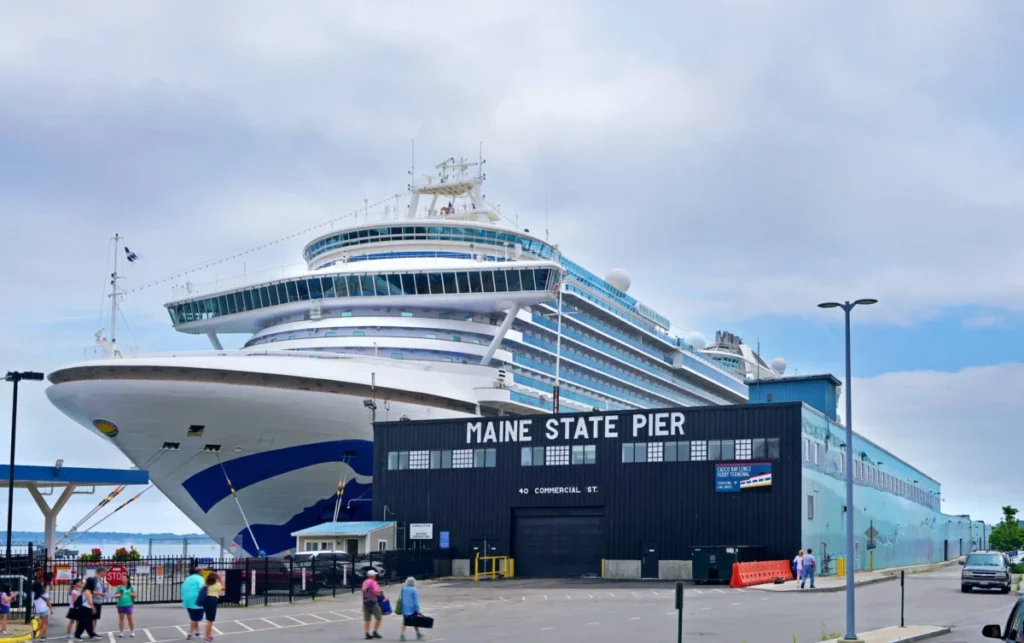
PORTLAND, Maine — In a decisive move that sets a new environmental precedent for the state, the Portland City Council has officially voted in favor of restricting cruise ship exhaust gas cleaning systems, commonly known as scrubbers, while vessels are docked in port.
The resolution, which passed by a unanimous vote on Monday, November 16, makes the popular New England cruise destination the very first port in Maine to restrict these controversial systems on visiting cruise vessels. The decision is the culmination of a dedicated two-year advocacy campaign led by the local grassroots environmental group Portland Cruise Control, which pressed city leaders to take action to protect the local marine ecosystem from the discharge associated with open-loop exhaust cleaning technology.
With the measure now successfully passed, the city manager is tasked with revising the port’s terminal tariff rules. These updates will legally ban ships from utilizing open-loop scrubbers or discharging scrubber wash water directly into the harbor while berthed at city-owned piers.
What the Tariff Update Actually Changes
Because the city of Portland directly controls access to its own municipal docks through a terminal tariff—functioning essentially as a formal contract between the port and visiting commercial cruise lines—councilors utilized this mechanism to enforce the new environmental regulations. Opting for a tariff revision rather than passing a sweeping, citywide harbor ordinance allowed the local government to implement the restrictions efficiently through existing port management structures.
Under the newly updated tariff language, cruise ships calling on city-owned piers will no longer be permitted to operate systems that pump untreated or treated wash water overboard into local waters. Instead, vessels arriving in Portland will face a distinct operational choice. Cruise operators will either need to switch to cleaner, low-sulfur marine gas oil while docked to meet environmental standards or operate their exhaust cleaning systems in closed-loop mode. Operating in closed-loop mode ensures that all wastewater remains safely stored within onboard holding tanks rather than being released into the marine environment of Casco Bay.
The debate surrounding these systems centers on how they operate. Open-loop scrubbers pull in seawater to wash sulfur dioxide and other pollutants out of heavy fuel oil engine exhaust, subsequently discharging that contaminated wash water directly back into the port environment. Environmental advocates and local groups like Portland Cruise Control have long argued that this process transfers air pollution directly into the water, potentially harming marine life and water quality in busy coastal ports.
What Happens Next for Portland Cruises
The timing of the unanimous council vote coincides with the natural conclusion of Portland’s 2026 cruise season. This end-of-year timing provides cruise lines, ship operators, and local port officials with a crucial window of several months to adapt their operational procedures, fuel management, and vessel configurations before the bustling 2027 cruise schedule officially ramps up in the spring.
The Cruise Lines International Association (CLIA), the world’s largest cruise industry trade association, has historically pushed back against local and regional scrubber bans implemented by various municipalities around the world. Industry representatives have consistently maintained that exhaust cleaning systems are fully approved by international maritime regulators, including the International Maritime Organization. Furthermore, industry advocates argue that open-loop wash water meets established environmental standards and has a minimal, manageable impact on overall water quality when vessels are in port.
Despite resistance from international trade groups, Portland has now drawn a clear and definitive line at its municipal piers. In adopting these restrictions, Portland joins a growing list of North American ports—including major maritime hubs like Seattle and Vancouver—that have enacted stricter local environmental standards to regulate cruise ship emissions and wastewater discharges while vessels are in town.
Related News