Transforming B2B Marketing: How Visual Content and Smart Platforms Are Reshaping Corporate Outreach
Article Editorial Team

The landscape of business-to-business marketing has undergone a profound transformation in recent years. As digital channels become increasingly crowded and professional environments shift toward faster, more decentralized communication, marketing teams face a dual challenge: shrinking attention spans and sharply rising expectations from prospective buyers. In today’s competitive marketplace, businesses are no longer evaluated solely on the strength of their products or services, but equally on how clearly, efficiently, and compellingly they present those offerings to a demanding audience.
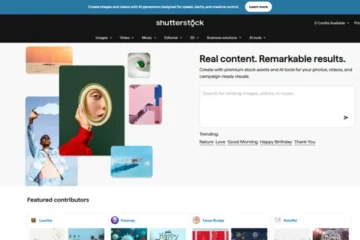
Visual content, with a particular emphasis on dynamic video formats, has firmly established itself as a cornerstone of multi-channel marketing strategies. Yet, simply producing and distributing visual media is no longer enough to guarantee engagement. Not all content delivers the equivalent return on investment, and marketing teams are under mounting pressure to understand what genuinely resonates with modern corporate buyers. By recognizing the patterns of high-performing visual media and strategically leveraging established stock media platforms like Shutterstock—which currently offers exclusive promotions, including 15% off standard subscriptions and video packages—organizations can streamline their workflows and build campaigns that are both exceptionally effective and remarkably easy to manage.
How B2B Buyers Approach Content
Understanding the modern B2B buyer requires acknowledging a fundamental shift in how professional decision-makers consume media. Unlike consumer audiences who may engage with content for entertainment or leisurely exploration, individuals in B2B roles operate under strict time constraints. They are typically searching for solutions to specific, pressing operational challenges, and they want to ascertain the relevance of a piece of content within seconds.
Consequently, content that achieves high performance in the corporate sector is characterized by immediate clarity and direct relevance. The primary objective for content creators is not necessarily to craft visually breathtaking cinematic masterpieces, but rather to communicate complex value propositions with absolute transparency. When a prospective client can instantly recognize that a piece of marketing material addresses their exact pain point, engagement rates climb significantly. This efficiency is paramount across digital touchpoints, where the window to capture and hold professional attention is narrower than ever before.

Common Traits of Effective Visual Content
Analyzing successful campaigns across various media formats reveals distinct patterns in what captures attention and drives conversions. High-performing visual assets consistently prioritize straightforward messaging, uncluttered compositions, and immediate contextual clarity. These attributes become doubly critical in paid advertising campaigns, where marketing budgets are closely scrutinized and the margin for error is razor-thin.
In these high-stakes environments, teams must rely on media assets that instantly communicate core messages without requiring the viewer to decode abstract or overly stylized imagery. Shutterstock provides a vast repository of precisely this kind of content—assets engineered to cut through the noise of crowded digital feeds and support aggressive conversion-driven advertising objectives. Whether organizations are looking for traditional image packs or comprehensive media libraries, having immediate access to professionally curated visuals enables marketing departments to maintain momentum without compromising on quality.
Adjusting Content for Different Platforms
Even when a marketing campaign maintains a consistent core message, the execution and presentation of that content must adapt fluidly to the unique environment of each distribution channel. A video asset designed for a professional networking platform like LinkedIn requires a vastly different pacing, framing, and contextual setup compared to assets deployed in targeted display advertising or email marketing newsletters.
Recognizing these platform-specific nuances ensures that marketing materials feel native to where they are encountered by the user. Adapting visual framing, text overlays, and narrative flow to fit the native behaviors of different digital spaces can create a noticeable and measurable difference in overall campaign performance. Failing to tailor content risks alienating viewers who expect a seamless, platform-appropriate user experience.

The Challenge of Producing Content Regularly
Despite the clear demand for fresh, high-performing visual assets, many marketing organizations struggle continuously to keep pace with production schedules. Creating every campaign element entirely from scratch requires an enormous investment of time, specialized personnel, and financial resources that are frequently unavailable, particularly for lean or mid-sized marketing departments.
While custom production retains distinct strategic value for specific brand milestones, relying on it exclusively often introduces severe operational bottlenecks. Custom shoots can lead to extended production timelines, inflated budgets, and logistical hurdles that delay campaign rollouts. Integrating pre-made visual assets from comprehensive platforms like Shutterstock helps alleviate this systemic pressure, granting teams the agility needed to build, test, and adjust campaigns dynamically in real time.
Avoiding Delays Related to Usage Rights
Another persistent friction point that frequently slows down modern marketing operations is the ambiguity surrounding copyright permissions and usage rights. When creative teams operate without absolute clarity regarding where and how specific media assets can be legally deployed, administrative delays inevitably occur.
Uncertainty regarding licensing terms often forces legal or compliance departments to halt campaigns for review, missing critical market windows. If teams cannot verify whether an asset is cleared for paid advertising, multi-region distribution, or extended commercial use, projects stall. Working with established providers that feature transparent licensing frameworks eliminates this administrative drag. Shutterstock’s clear and straightforward licensing terms ensure that marketing teams can deploy assets rapidly, keeping campaigns moving forward without legal complications.
Why Realistic Content Matters More Now
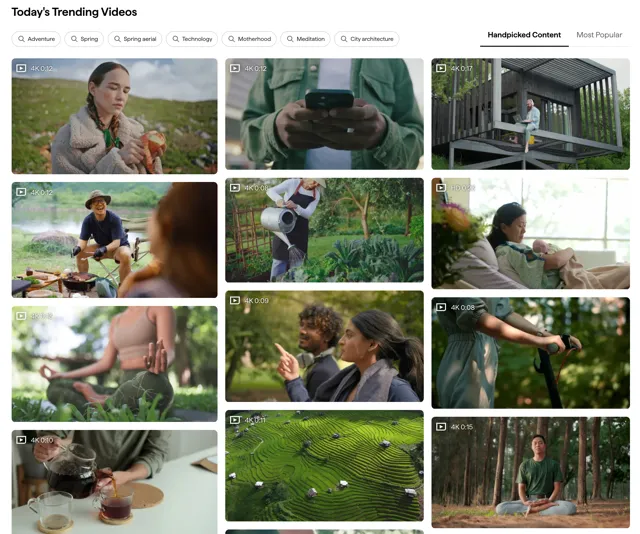
A notable evolution in digital media consumption is the gradual, yet accelerating, shift toward natural-looking, authentic visuals. This trend has become even more pronounced in recent months due to the proliferation of synthetic and heavily artificial-looking media across the internet. As audiences grow increasingly fatigued by overly polished or conspicuously manufactured visuals, they demonstrate a much stronger preference for content that feels familiar, grounded, and believable.
This appetite for realism has profound implications for B2B communication. Authentic imagery and video assets help establish immediate trust, humanize corporate brands, and bridge the gap between abstract business solutions and human experiences. By utilizing media that reflects real-world environments and genuine human interactions, companies can foster deeper connections with prospective clients who value transparency and authenticity over corporate pretense.
A More Practical Approach to B2B Content
In response to the mounting pressures of modern digital marketing, many teams are pivoting away from the pursuit of immaculate, highly polished output in favor of approaches that prioritize practicality, agility, and measurable utility. This pragmatic philosophy centers on building repeatable workflows, relying on versatile asset libraries, and maintaining a consistent market presence without overcomplicating the creative process.
By embracing ready-made visual resources from platforms like Shutterstock, organizations can successfully bridge the gap between strategic vision and rapid execution. This approach allows marketing departments to respond swiftly to market trends, experiment with diverse creative formats, and maintain high-impact communication standards while optimizing both time and operational resources.
Related News