Mastering the Remote Job Application: Essential Strategies for Resumes, Cover Letters, and Virtual Communication
Article Editorial Team
Navigating the application process for a remote position requires distinct strategies compared to securing a traditional, office-based role. Whether candidates are seasoned professionals transitioning to virtual work or newcomers entering the digital job market, understanding how to effectively highlight specific competencies in a resume and cover letter can significantly influence hiring outcomes in today’s competitive landscape.
While remote work does not necessarily demand a completely different overall resume format, job seekers must carefully tailor their application materials to demonstrate to prospective employers that they possess the unique discipline and independence required to thrive outside a physical office.
Crafting a Resume for Remote Employment
When evaluating candidates for virtual roles, hiring managers look beyond standard qualifications to find evidence of self-motivation and adaptability. Even applicants with limited remote experience can successfully position their backgrounds by identifying past tasks, part-time duties, or temporary assignments that involved remote elements. This might include preparing presentations from home, participating in virtual meetings while traveling, or managing specific responsibilities independently.

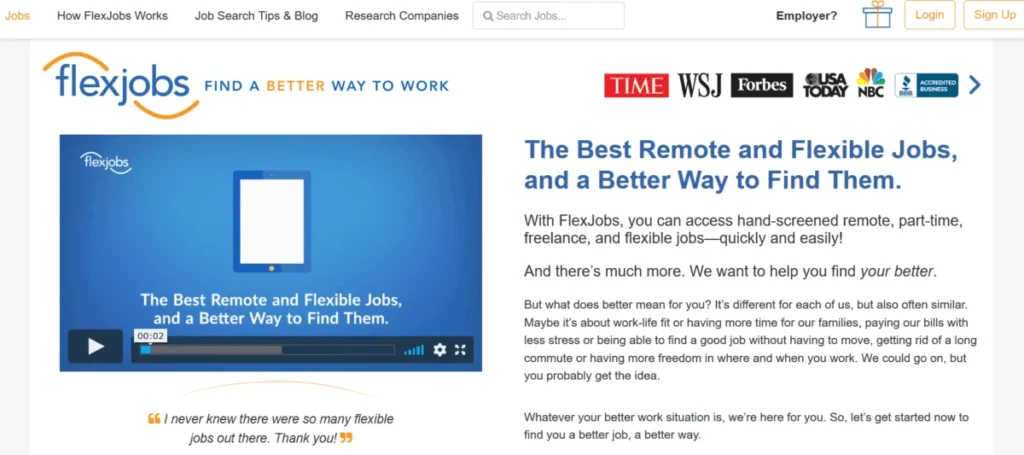
For individuals lacking a substantial history of working away from a central office, integrating these remote-adjacent duties into a standard work history section is a practical approach. Alternatively, aspiring remote workers often take on freelance assignments or part-time online roles to build a credible portfolio and gain practical exposure to virtual collaboration. Specialized employment platforms such as FlexJobs frequently list vetted opportunities with reputable enterprises, providing a reliable starting point for candidates seeking to establish their credentials.
Beyond work history, modern resumes must spotlight specific competencies that align with a virtual environment. Essential attributes include strong written communication, time management, problem-solving, and the capacity to work with minimal direct supervision. Translating these qualities into tangible examples from past employment helps bridge the gap for candidates whose previous experience was primarily office-based. Additionally, updating professional networking profiles to mirror these remote-focused resumes ensures consistency across an applicant’s digital footprint.
Aligning the Cover Letter with Virtual Work Expectations
The cover letter serves as a crucial platform for candidates to speak directly to hiring managers, moving beyond the static bullet points of a resume to articulate why they are uniquely suited for a distributed team. Rather than focusing solely on personal career goals, successful applicants emphasize how their specific remote capabilities will directly benefit the prospective organization.

Articulating past successes in virtual environments—such as managing projects across different time zones or utilizing digital collaboration tools—provides tangible proof of a candidate’s readiness. For instance, detailing prior experience with project management software and scheduled video check-ins demonstrates an ability to maintain productivity and ensure timely task completion without physical oversight.
Furthermore, addressing personal suitability for remote work is vital. Candidates frequently highlight their capacity for deep focus away from traditional office distractions, as well as the personal discipline and organizational strategies that allow them to meet deadlines autonomously.
Managing Logistics: Time Zones and Home Office Setups
Logistical considerations play an influential role in remote hiring decisions. Candidates whose locations fall outside the employer’s primary time zone are encouraged to be transparent regarding their availability. Clearly stating working hours and proposing strategies to ensure adequate schedule overlap for team collaboration helps alleviate employer concerns about communication bottlenecks.

Demonstrating readiness also extends to describing the physical work environment. Especially for applicants new to remote work, briefly mentioning a dedicated home office setup—including high-speed internet connectivity, a quiet workspace, and necessary technology—reassures hiring managers of uninterrupted productivity. Many professionals also emphasize their use of secure virtual private network services to safeguard sensitive data during online operations.
Familiarity with standard remote communication and collaboration applications is another critical evaluation point for employers. Proficiency in tools used for instant messaging, video conferencing, and digital workspace organization indicates that a candidate can integrate smoothly into an existing virtual team structure. Job seekers who lack extensive experience with these platforms can readily access free versions to build basic competency before submitting applications.
Post-Application Follow-Up and Next Steps
Proactive communication following the submission of a remote job application remains a standard professional practice. Sending a polite follow-up email after a week or two demonstrates sustained enthusiasm for the position and keeps the candidate visible on the hiring manager’s radar amidst a potentially large pool of applicants.

Ultimately, securing a remote role depends on presenting a comprehensive application package that validates both professional qualifications and the specific behavioral traits necessary for autonomous success. By emphasizing technical fluency, effective communication, and a readiness for independent workflow, job seekers position themselves effectively within the evolving global workforce.
Related News