Unearthing Ancient Integrity: The Remarkable Autobiography and Tomb of the Egyptian Official Khuwy
Article Editorial Team

SAQQARA, EGYPT — Deep beneath the sands of Egypt’s vast Saqqara necropolis, a team of Czech archaeologists has uncovered an extraordinary window into the personal ethos and administrative life of an ancient Egyptian dignitary. Etched onto the surviving stone walls of a subterranean burial apartment dating back roughly 4,400 years is one of the world’s earliest known autobiographies. Belonging to a high-ranking official named Khuwy, the tomb inscriptions offer a rare, unmediated glimpse into the moral self-fashioning of an elite citizen who served during the turbulent and transformative era of the Old Kingdom.
The discovery was detailed in a recent report by La Brújula Verde, drawing upon scholarly research published in the Journal of Egyptian Archaeology. Khuwy’s final resting place is situated within a sprawling cemetery at Saqqara that physically and symbolically clusters around the pyramid of Djedkare Isesi, a pharaoh of the Fifth Dynasty who reigned from approximately 2381 to 2353 B.C. Constructed around 2400 B.C., the tomb stands as one of the oldest underground decorated burial apartments ever discovered in the region, preserving invaluable fragments of a bygone world through its sophisticated masonry and epigraphic record.
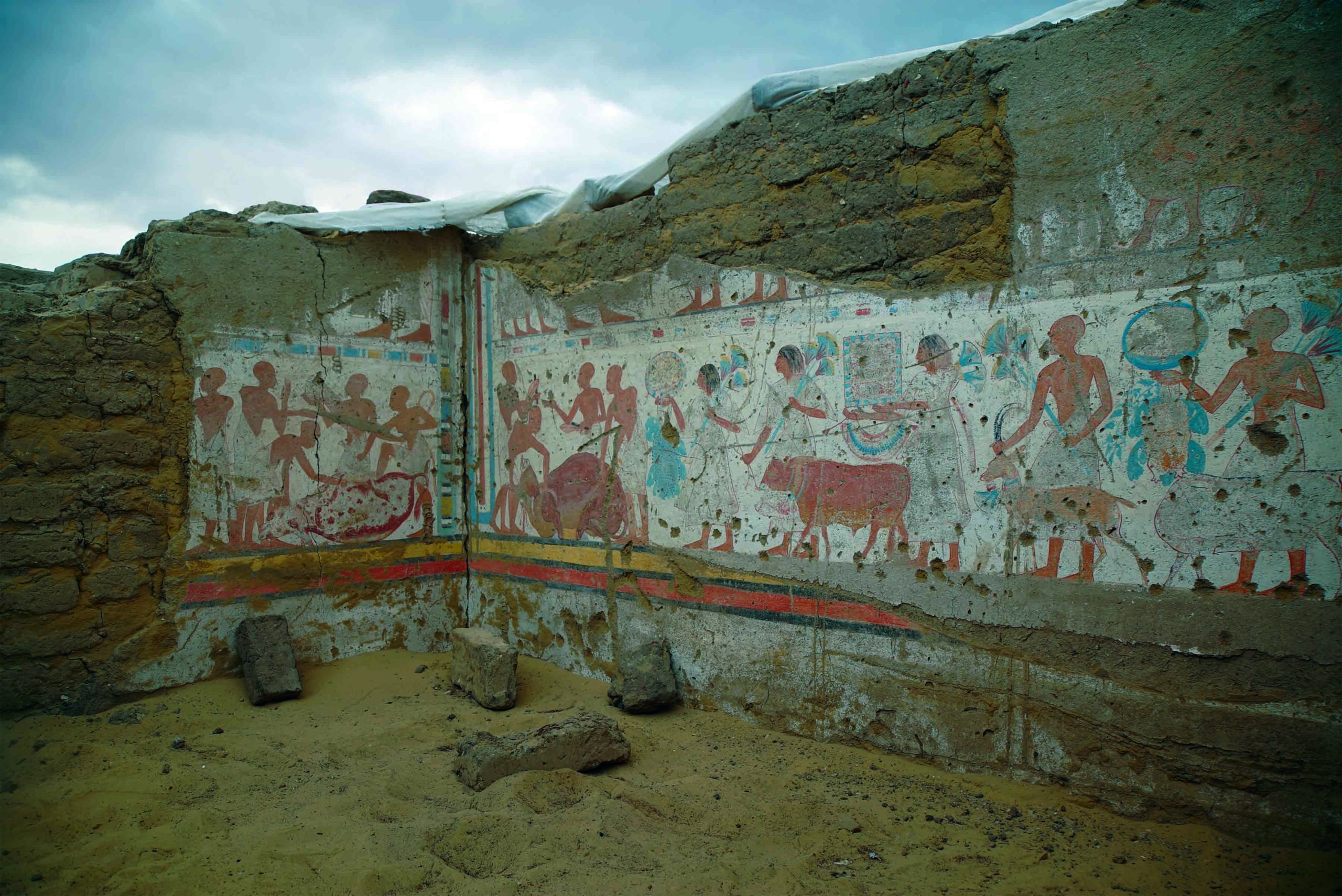
While the monumental upper structures that once rose above Khuwy’s tomb have largely been lost to time, erosion, and the relentless shifting of the desert sands, archaeological persistence paid off when excavators recovered a series of finely carved stone blocks. These blocks once lined the interior walls of the subterranean chambers, serving as the canvas for Khuwy’s enduring personal statement. On these limestone surfaces, the ancient official meticulously documented highlights of his life, career, and administrative achievements, crafting a legacy intended to withstand the passage of centuries.
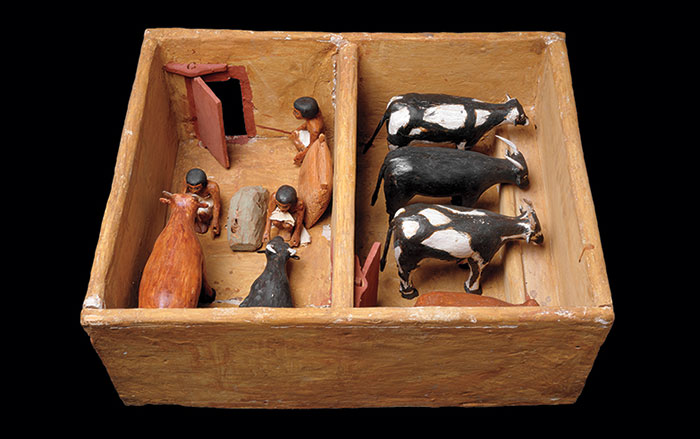
Central to the recovered inscription is a declaration of personal ethics and moral rectitude that bridges the millennia to resonate with modern sensibilities. In a striking boast of integrity, Khuwy states, “I never took anything from any man.” This concise yet powerful ethical assertion sheds light on the administrative ideals expected of—or at least claimed by—those who held high office in the service of the Egyptian state during the late Fifth Dynasty. It suggests that personal accountability, or the projection of it, was a valued currency among the bureaucratic elite who managed the vast resources of the pharaonic government.
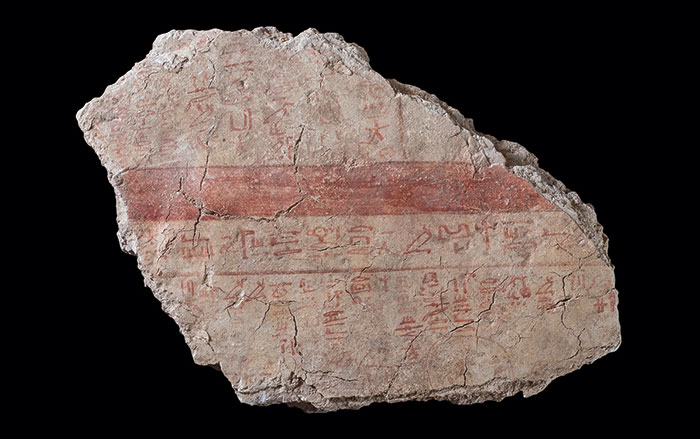
Khuwy’s administrative career was notably extensive and multifaceted. According to the fragmentary wall texts, he served as an official under six different administrative courts, indicating a long and politically agile career that spanned multiple shifts in court administration or royal oversight. This longevity within a complex bureaucratic apparatus underscores his administrative competence and adaptability during an era when Egypt’s centralized government was undergoing significant structural evaluations.
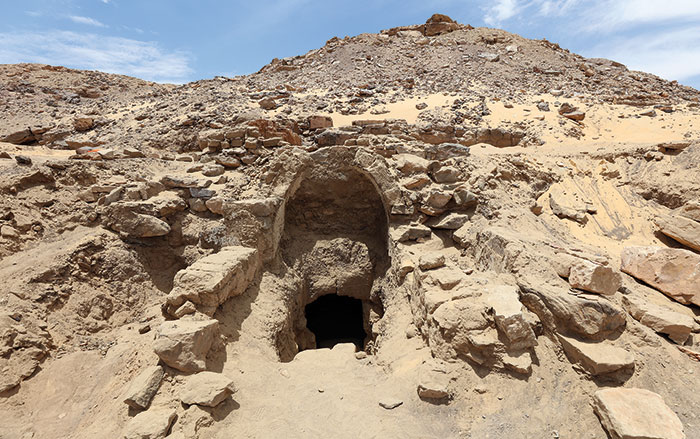
Furthermore, the inscriptions directly invoke the names of Pharaoh Djedkare Isesi and his royal consort, Queen Setibhor. The inclusion of the queen’s name alongside the reigning monarch is a particularly significant detail for Egyptologists, as monuments explicitly referencing queens from this specific period are relatively scarce. The passage, while incomplete and partially illegible due to the natural degradation of the stone over millennia, strongly implies that Khuwy enjoyed a close relationship with the royal couple. This proximity to the pinnacle of royal power explains both the prestige of his office and the exceptional quality of his burial installation.
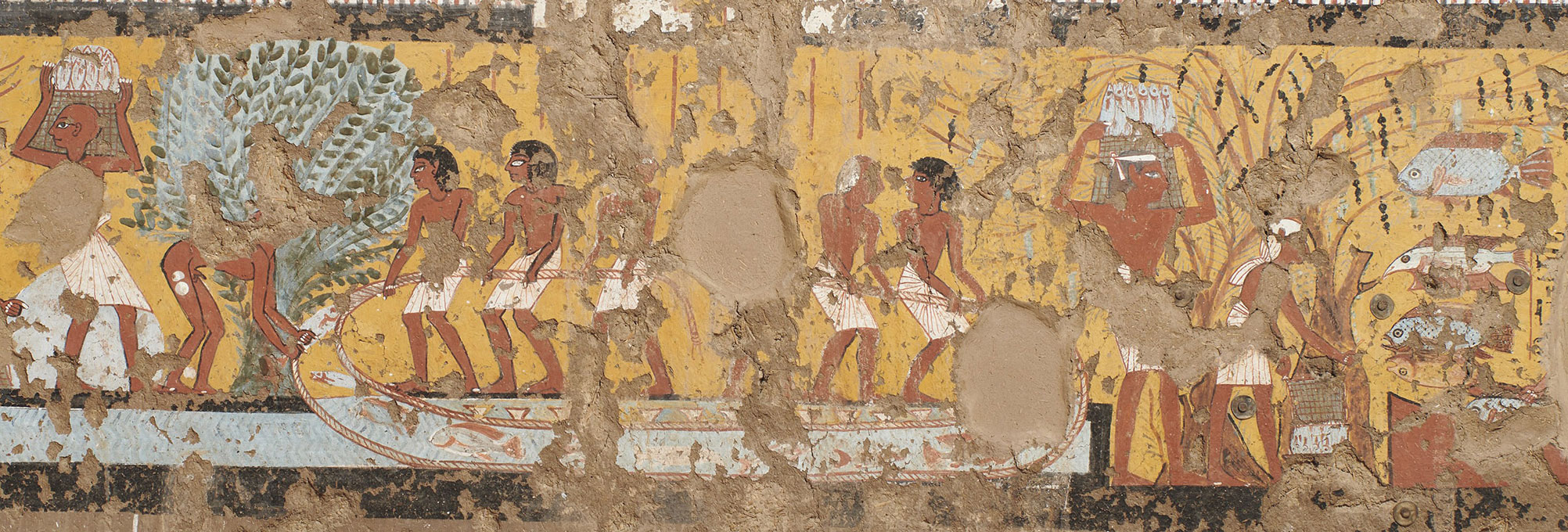
The architectural and artistic execution of Khuwy’s tomb further underscores his elevated status. The fine stonework and expert craftsmanship evident in the surviving blocks indicate that the construction of the burial apartment was almost certainly the product of a royal workshop. During the Old Kingdom, access to the master artisans, specialized sculptors, and high-grade materials controlled by the crown was a privilege reserved for the highest echelons of the court, cementing Khuwy’s status as a favored servant of the state.
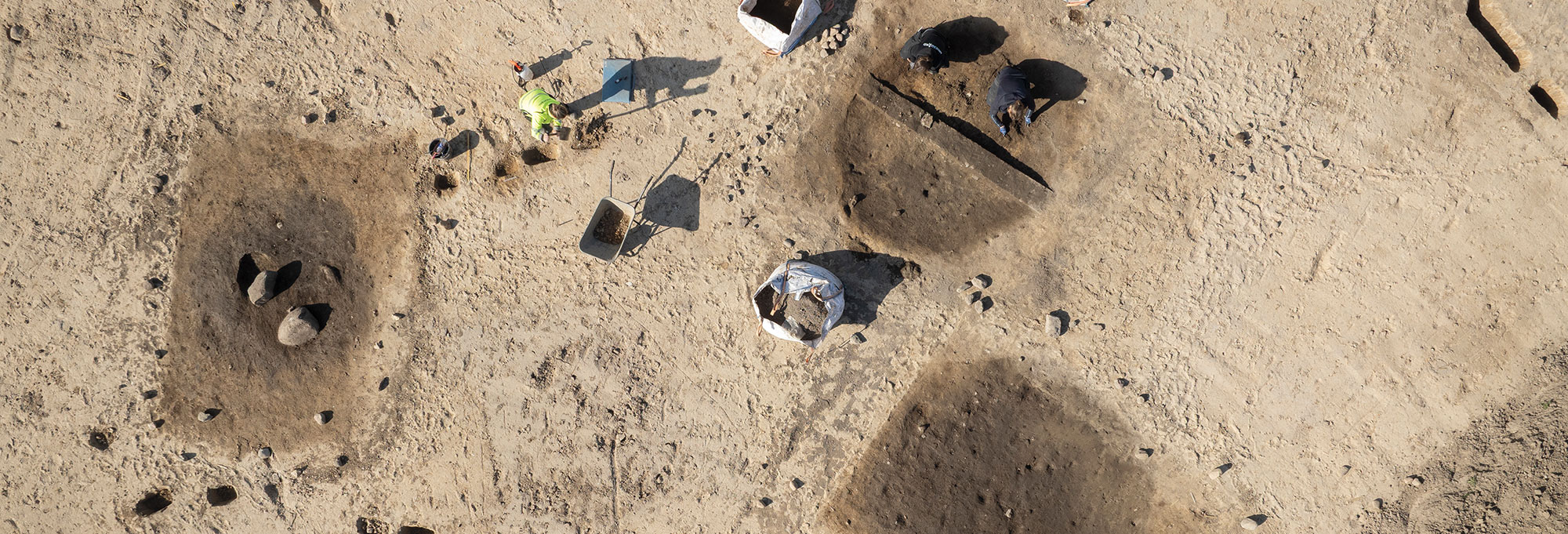
True to the protective traditions of ancient Egyptian funerary architecture, Khuwy’s autobiographical text does not merely celebrate his earthly achievements and royal associations; it also serves as a legal and spiritual deterrent. The inscription concludes with a stern warning cautioning any living visitors or potential desecrators against committing evil acts against the tomb or disturbing the individuals interred within it. Such protective formulas were standard practice in Old Kingdom elite tombs, designed to enlist both mortal respect and divine retribution in safeguarding the eternal resting place of the deceased.

The uncovering of Khuwy’s tomb and its remarkable inscriptions continues a long tradition of major archaeological breakthroughs at Saqqara, a site that has continually rewritten our understanding of Egypt’s Old Kingdom. The significance of the find was previously highlighted when the discovery of the tomb was named one of Archaeology magazine’s Top 10 Discoveries of 2019. As researchers continue to piece together the fragmentary texts and analyze the architectural context of the site, Khuwy’s voice—preserved in stone across four millennia—remains a powerful testament to the universal human desire to be remembered not only for power and status, but for honesty and integrity in life.
Related News