Mesopotamian Chronology Refined with Tree Rings and Ice Cores
Article Editorial Team
At the heart of the research, as detailed in recent findings, is an innovative application of high-precision radiocarbon dating. Dr. Pearson and her colleagues turned their attention to ancient timbers unearthed during archaeological excavations at various historical sites in Turkey. Rather than taking broad samples that averaged out centuries or decades of growth, the researchers analyzed individual tree rings. By radiocarbon dating these single rings and thoroughly studying the wider tree-ring data patterns, the team was able to calculate remarkably precise dates for the exact years when the trees were felled.
These microscopic insights into when the timber was harvested provided a sturdy chronological backbone. Because the timbers were integrated directly into ancient buildings, the precise felling dates allowed the researchers to determine with a high degree of confidence when those specific structures had been constructed. This structural timeline served as a critical anchor, bridging the physical remnants of ancient architecture with the written word left behind by the civilizations that built them.
To scale these structural dates up to a broader historical framework, the researchers linked the tree-ring chronologies directly to historical records excavated from the same archaeological sites. These records were tied to specific, recorded years within the ancient Assyrian calendar, creating a synchronized timeline that aligned physical environmental evidence with ancient administrative documentation.
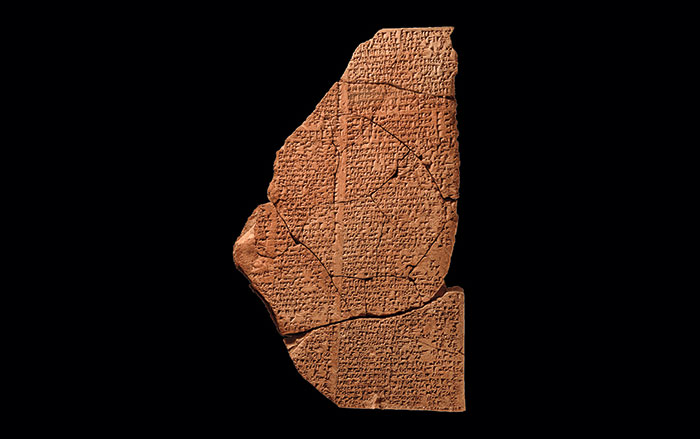
However, the team did not stop at Assyrian calendar records. To push the boundaries of their chronological refinement even further, the scientists delved into ancient Babylonian records detailing astronomical observations of the planet Venus. Scribes in ancient Babylon had meticulously documented the appearance and movement of Venus across the night sky. Within these texts, the ancient observers explicitly noted that the planet was occasionally obscured or rendered exceptionally difficult to see due to a heavy haze hanging thick in the atmosphere.
Recognizing this atmospheric haze as a potential environmental marker, the researchers cross-referenced the ancient Babylonian observations with physical data preserved thousands of miles away in polar ice cores. Ice cores act as long-term environmental archives, trapping layers of fallout from massive volcanic eruptions that occurred centuries and millennia ago. When a major volcano erupts, it spews massive amounts of sulfur dioxide and ash into the stratosphere, creating a global atmospheric haze that dims celestial bodies and alters climate patterns for years.
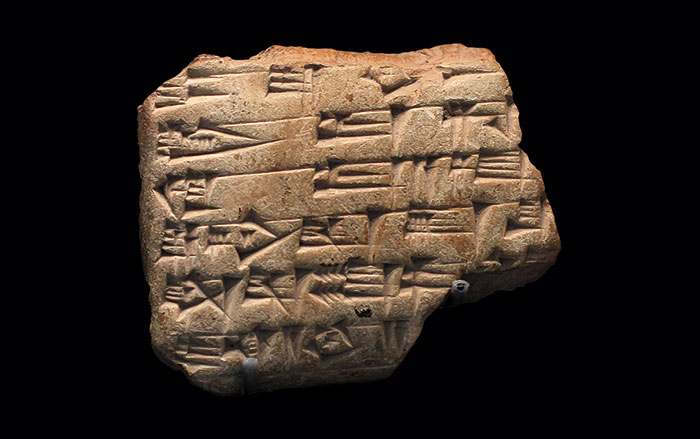
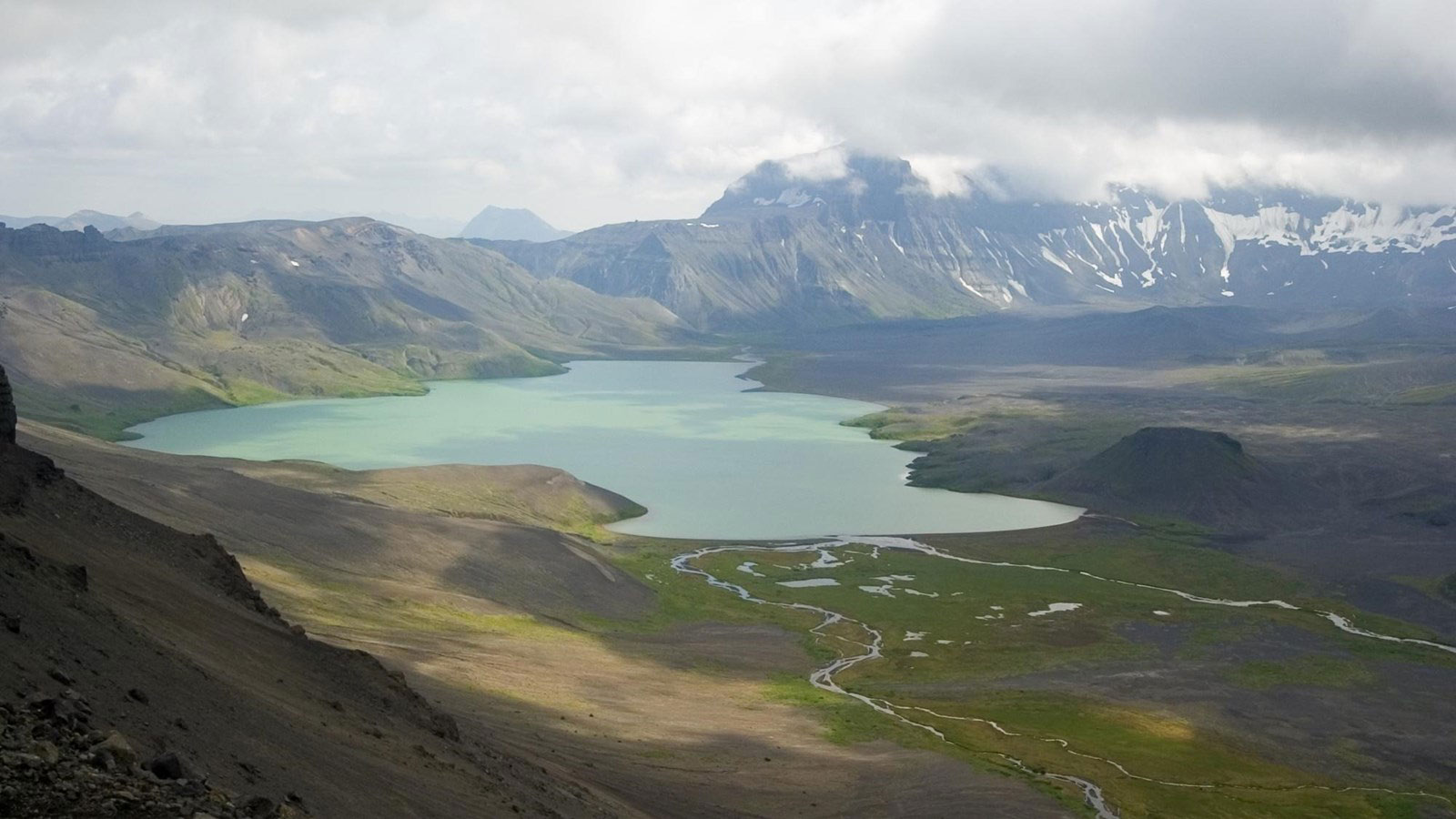
By comparing the atmospheric descriptions in the Babylonian Venus tablets with the volcanic sulfate signatures trapped in polar ice, the research team sought a definitive match. The strongest and most compelling correlation pointed directly to a cataclysmic eruption of the Aniakchak volcano, located in the remote Aleutian Range of Alaska. According to the ice core data, this massive eruption occurred around 1628 or 1627 B.C., blanketing parts of the globe in an atmospheric veil that would have visibly dimmed the night sky and hindered astronomical tracking in Mesopotamia.
Armed with this synchronized multi-disciplinary dataset, the researchers were able to re-evaluate and recalibrate the dates of major political and social milestones in ancient history. By weaving together the tree-ring chronologies, the Assyrian calendar anchors, and the volcanic timeline established by the Alaskan ice cores, the team suggests that the legendary city of Babylon fell around 1587 B.C. This revised date offers a critical new anchor for ancient Near Eastern history, helping historians contextualize the rise and fall of dynasties that fought for dominance across the Fertile Crescent.
Furthermore, the environmental and chronological data shed light on other catastrophic historical collapses in the region. The researchers noted that severe, prolonged drought conditions occurring between 1194 and 1192 B.C. left a devastating mark on the environmental record. The timing of this intense arid period strongly suggests that climate stress may have played a major, if not decisive, role in contributing to the ultimate collapse of the powerful Hittite Empire, which dominated Anatolia and parts of the Levant before fading rapidly from the historical stage.
"Single-year measurements of radiocarbon from calendar-dated tree rings offer new opportunities to refine and improve chronologies," the researchers concluded, highlighting the immense power of integrating high-resolution environmental science with classical historical research. As scientists continue to unearth and analyze environmental archives alongside archaeological remains, the blurry outlines of the ancient world are coming into sharper and more definitive focus.
Related News