Audubon Washington Unveils 2027 Legislative Agenda to Protect Birds and Ecosystems
Article Editorial Team
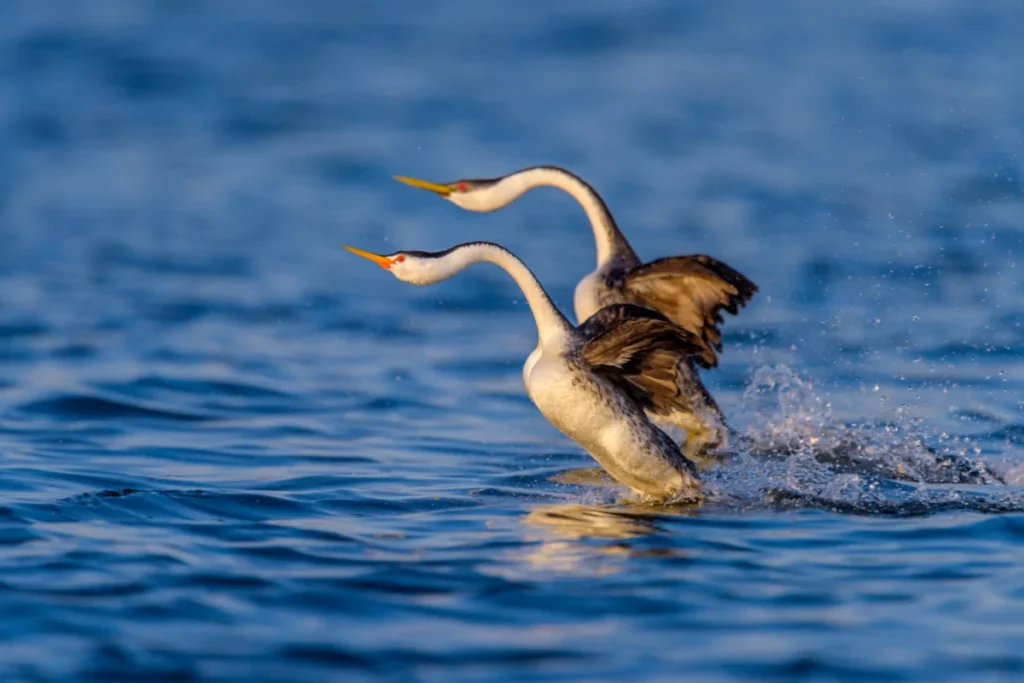
As the state of Washington enters a pivotal legislative session in 2027, Audubon Washington has officially released its policy roadmap, outlining a series of strategic priorities aimed at safeguarding avian populations, promoting climate resilience, and fostering healthier communities. Amidst a challenging state budget landscape and the escalating impacts of climate change, the organization is doubling down on its commitment to conservation through targeted advocacy, seeking to bridge the gap between environmental protection and sustainable development.
At the heart of Audubon’s strategy is the "Flight Plan," a long-term institutional guide that serves as the foundation for the organization’s legislative agenda. This year, the focus is on a multifaceted approach that addresses the urgent needs of at-risk species, the necessity of a responsible energy transition, and the preservation of critical habitats. By advocating for robust funding and stronger regulatory frameworks, Audubon aims to ensure that the ecological health of the Pacific Northwest remains a top priority even when faced with significant fiscal constraints.
Addressing the Perils of Migration: "Lights Out for Birds"
One of the most immediate concerns for Audubon this session is the mounting mortality rate of migratory birds caused by artificial light pollution. Washington serves as a critical corridor for millions of birds traveling across the hemisphere, many of which navigate by the stars. During peak migration months—April, May, September, and October—these birds are often drawn toward the bright glow of urban centers. Disoriented by artificial light, they frequently become exhausted or suffer fatal collisions with buildings, a phenomenon that ranks as the second-leading cause of human-caused bird mortality in the United States.
To mitigate this, Audubon Washington is spearheading legislation to establish a "Lights Out for Birds" initiative. The proposal would mandate that state-owned buildings power down non-essential lighting during the peak migration windows, effectively reducing the "sky glow" that lures birds into danger. Beyond the immediate impact of this measure, the legislation also seeks to codify bird-friendly lighting standards for all future state-owned renovations and new construction projects. By setting this precedent, Audubon hopes to encourage broader adoption of these practices across the private sector, transforming Washington’s urban landscape into a safer path for weary travelers.
Modernizing Infrastructure: The "NextGen Highways" Initiative
As Washington moves to transition to a clean energy economy, the need for a modernized, efficient power grid has become paramount. According to Audubon’s 2023 report, Birds and Transmission: Building the Grid Birds Need, the expansion of the transmission grid is essential to meeting climate goals and protecting birds from the worst effects of rising temperatures. However, the construction of this infrastructure presents its own risks to local ecosystems.
Audubon is now championing the "NextGen Highways" model, a strategy that advocates for placing new transmission lines along existing transportation corridors, such as highways and railways. This approach is significantly less disruptive than building on previously undeveloped land, as these rights-of-way have already been cleared and managed for human infrastructure. By minimizing habitat loss and fragmentation, this method offers a pragmatic, well-tested solution to grid expansion. Having already seen legislative success in Minnesota, Colorado, and Iowa, Audubon is pushing for Washington to adopt similar policies, ensuring that the necessary shift to renewable energy does not come at the cost of the very landscapes the organization works to preserve.
Strengthening Landscape Connectivity
Recognizing that habitat fragmentation is a primary driver of species decline, Audubon is also lending its support to SB 5203, a bill designed to enhance wildlife connectivity across the state. This legislation would mandate a coordinated effort between the Washington Department of Fish and Wildlife and the Department of Transportation to implement the state’s Habitat Connectivity Action Plan.
The goal is to create safe, functional passage for birds and other wildlife, ensuring that populations can move freely to find food, water, and nesting sites. By integrating these connectivity goals into state land-use planning, the legislation aims to restore high-quality habitats and maintain the genetic diversity necessary for long-term species survival. Proponents argue that these efforts are not just about individual animals, but about maintaining the structural integrity of ecosystems that provide essential services to the entire state.
Protecting Coastal and Marine Ecosystems
The legislative agenda also extends to the health of Washington’s coastal waters, where shipping emissions have become a growing environmental concern. Currently, ships calling on state ports are required to use scrubbers to clean their exhaust, but the process creates a secondary environmental issue: the discharge of "scrubber water." Much of this byproduct—containing toxic contaminants and heavy metals—is dumped back into the ocean near the shoreline.
These pollutants build up within the marine food web, posing a direct threat to seabirds like the Rhinoceros Auklet, while simultaneously impacting water quality and local economies. Audubon Washington is backing legislation to close this loophole, pushing for stricter regulations on the discharge of contaminated water from ocean-going vessels. By addressing this issue, the organization aims to protect both the marine life that relies on these waters and the public health of the communities that border them.
Bolstering Funding for Conservation Agencies
In recent years, the Washington Department of Fish and Wildlife (WDFW) has struggled with budget cuts that have hampered its ability to execute mission-critical conservation projects. To combat this, a proposed piece of legislation would empower the department to partner with a non-profit entity—the Washington Fish and Wildlife Foundation—to better manage external funding.
This foundation would have the authority to accept and invest private donations, settlement funds, and mitigation payments, allowing these resources to grow over time and be applied to long-term habitat restoration and species protection. Audubon views this as a vital, creative mechanism to ensure that the agency can fulfill its mandate even during periods of fiscal uncertainty.
Collaborative Advocacy: The Environmental Priorities Coalition
Beyond its independent initiatives, Audubon Washington continues its active role in the Environmental Priorities Coalition (EPC), a collective of over 25 statewide organizations united by a shared vision for a more sustainable future. Together, the coalition is focusing on several key areas for 2027, including the protection of dedicated climate and environmental funding. Despite representing a small fraction of the total state budget, these funds are essential for reducing pollution and supporting the transition to clean energy. Audubon is working to ensure that these investments remain protected from budget-cutting measures, emphasizing that the long-term benefits—ranging from cleaner air and water to the creation of green-sector jobs—far outweigh the costs.
The coalition is also addressing the rapid expansion of data centers in Washington. While these facilities are a part of the modern economy, their energy and water consumption can be significant. The EPC is advocating for policies that ensure data center growth does not compromise the state’s climate goals, grid reliability, or the protection of natural resources like salmon and local watersheds.
Furthermore, the coalition is supporting the "Bottles and Cans Recycling Refund Act." With current recycling rates for beverage containers hovering around 30 percent, this bill proposes a refundable deposit system to incentivize recycling and reduce the amount of plastic and aluminum that ends up in landfills or as litter in natural habitats. Finally, the group is pushing for the expansion of the "Safer Products for Washington" law. This program aims to eliminate toxic chemicals, such as PFAS and phthalates, from consumer goods. Because birds are often the first to show the negative effects of environmental toxins, their recovery is a key indicator of the law’s success. The proposed updates would increase transparency, remove administrative hurdles to enforcement, and ensure that the program is adequately funded through fees on manufacturers of high-priority chemicals.
As the 2027 legislative session unfolds, Audubon Washington remains focused on the human element of these environmental challenges. Success, the organization notes, depends on the active engagement of citizens across the state. By joining the Audubon Washington Action Network, residents can stay informed on these legislative developments and participate in the advocacy efforts needed to turn these proposals into law. With a clear agenda and a coalition of partners, Audubon is prepared to navigate the complexities of the current political landscape, working toward a future where birds and people can thrive together in a healthy, resilient Washington.
Related News