Rare Genetic Discovery: Infant Remains with Cyclopia Uncovered in Ancient Nazca Cemetery in Peru
Article Editorial Team
LIMA, PERU — Archaeologists and geneticists working in southern Peru have uncovered the extraordinary and tragic remains of an infant who suffered from cyclopia, a rare and severe congenital condition that profoundly affects the developing brain and facial structures. Dated to between A.D. 325 and 440, the burial was discovered within an ancient cemetery associated with the pre-Columbian Nazca culture. The finding provides a rare window into health, paleopathology, and burial customs in the ancient Andes, offering researchers modern genetic confirmation of a physical condition that has fascinated and deeply moved medical historians and archaeologists alike.
The discovery was detailed by Elsa Tomasto-Cagigao of the Pontifical Catholic University of Peru and her interdisciplinary research colleagues. According to the scientific team, the newborn or young infant would have faced insurmountable physiological challenges, as most children born with full cyclopia unfortunately do not survive beyond the prenatal stage or live for more than a brief period following birth.

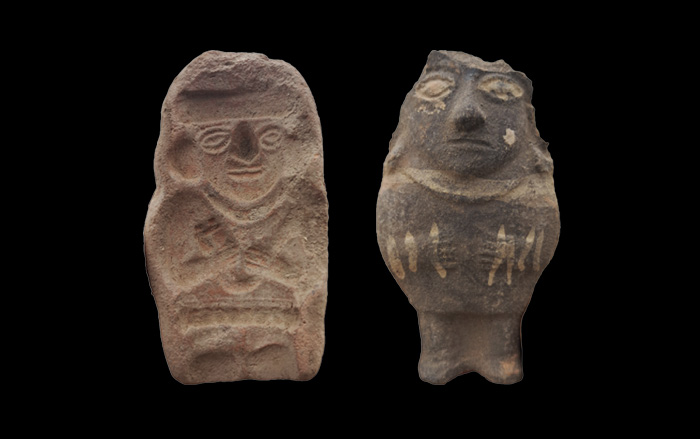
What makes the discovery exceptionally poignant and archaeologically significant is the manner of the burial. The remains of the infant with cyclopia were carefully placed inside a ceramic vessel. Accompanying her inside the same funerary container were the remains of another infant who displayed no skeletal abnormalities or signs of the condition. This deliberate placement suggests a thoughtful, ritualized interment by the community, though the exact social or familial relationship between the two children remained a central question for the research team.

To unravel the mystery behind the joint burial and the physical anomalies, the researchers subjected the remains to advanced genetic analysis. The results indicated that both children were biological females. However, despite being laid to rest together in the same ceramic vessel, genetic profiling revealed that they were not maternally related. This revelation deepens the intrigue surrounding the burial context, suggesting that their shared final resting place was likely driven by cultural, ritual, or community-specific practices rather than a direct mother-child familial connection.
A meticulous osteological examination of the afflicted infant revealed a striking array of anatomical deviations characteristic of extreme craniofacial developmental disruption. The child possessed a skull that was notably smaller than expected for an infant of that developmental stage. Most distinctively, the facial bones failed to divide properly during embryonic development, resulting in a single, centralized eye socket positioned squarely in the center of the forehead. Furthermore, the infant completely lacked nasal bones and nostrils, and the anatomical openings for her optic nerves were fused together.
Beyond the dramatic alterations to the skull and facial architecture, the skeletal analysis uncovered other developmental abnormalities throughout the body. The infant’s shoulders exhibited an unusually curved posture, and two of her spinal bones, or vertebrae, were malformed. Seeking to understand the root cause of these extensive congenital defects, the researchers turned to molecular paleopathology. Subsequent genetic testing provided a definitive medical explanation: the infant possessed an extra copy of chromosome 13.
This chromosomal trisomy is directly linked in modern medical science to severe developmental disorders, most notably Patau syndrome, which is frequently characterized by structural brain defects, holoprosencephaly, and severe facial anomalies, including cyclopia. Finding definitive genetic evidence of chromosome 13 trisomy in an archaeological specimen dating back more than a millennium highlights the remarkable preservation potential of organic remains in certain Andean environments and bridges ancient paleopathology with modern genetic science.
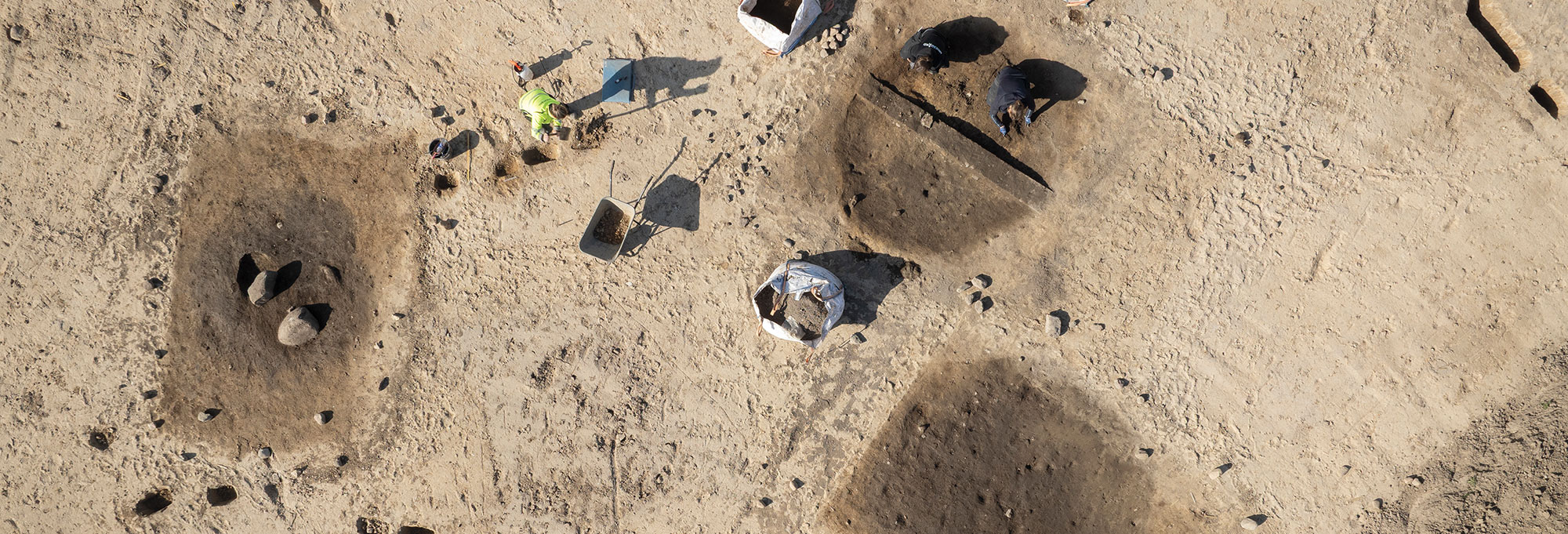
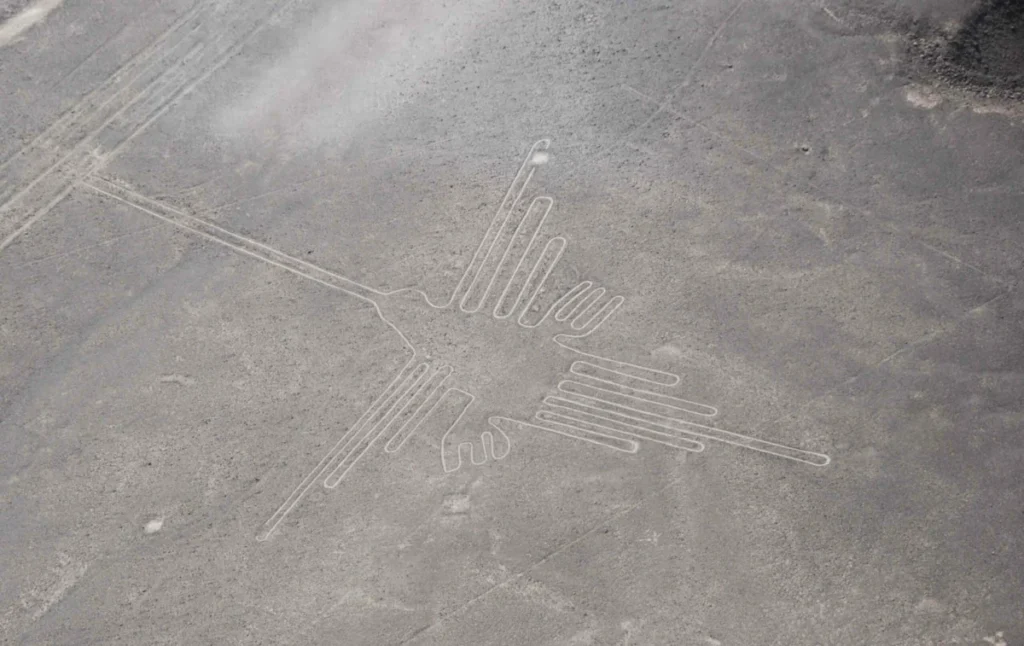
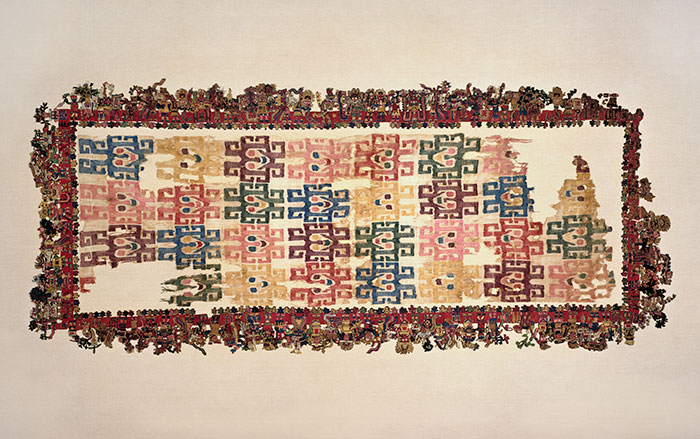
The discovery adds to a growing body of scientific research examining health, disease, and genetic conditions in ancient South American populations. The Nazca culture, renowned worldwide for its enigmatic geoglyphs etched into the desert floor, as well as its sophisticated textiles, pottery, and agricultural engineering in an arid coastal environment, also leaves behind a complex bioarchaeological record. Cemeteries such as the one where these infants were recovered offer researchers invaluable insights into how ancient Andean societies perceived, cared for, and memorialized individuals born with profound physical differences and congenital conditions.

Scholars interested in the technical methodologies, genetic sequencing data, and broader archaeological implications of the study can access the original scholarly research paper published in the journal PNAS. Meanwhile, ongoing investigations into the Nazca civilization continue to shed light on the daily lives, artistic achievements, and ritual practices of the ancient peoples who inhabited the desert valleys of southern Peru long before the rise of the Inca Empire.
Related News