The Airbus A380 at a Crossroads: Why Aviation’s Most Beloved Superjumbo Refuses to Fade Away
Article Editorial Team
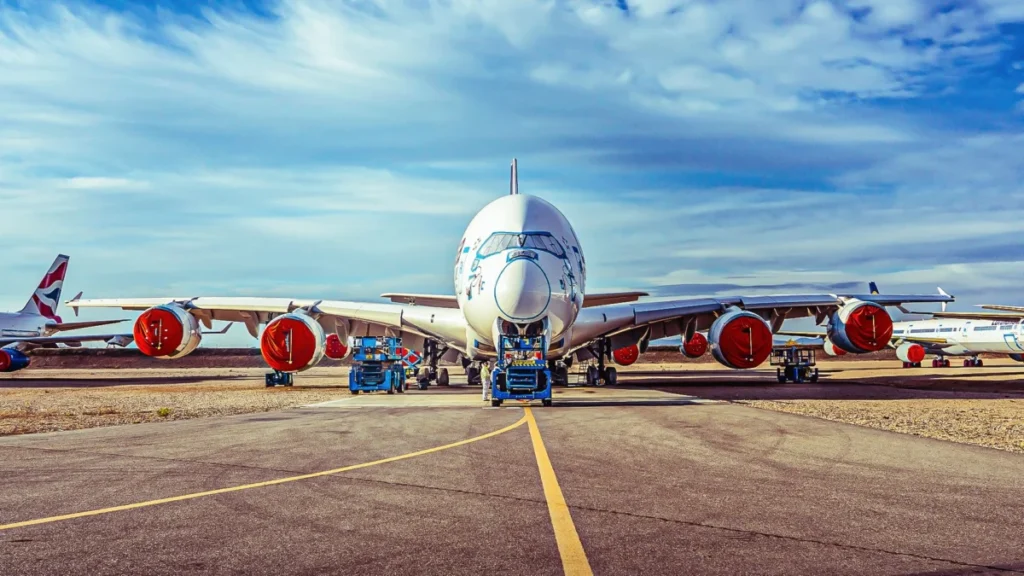
The Airbus A380 remains one of the most paradoxical creations in the history of commercial aviation. Widely celebrated as an engineering marvel and adored by millions of passengers worldwide for its spacious cabin, remarkably quiet flight, and stable handling, the aircraft occupies a unique place in the hearts of travelers. Yet, from a purely financial and manufacturing perspective, the program stands as one of the largest commercial missteps in modern industrial history, particularly for its European manufacturer, Airbus.
Over the course of its production run, a total of 251 units were delivered to airlines across the globe before the program was officially discontinued in December 2021. The decision came less than two decades after the aircraft’s introduction, driven primarily by a persistent lack of broader commercial interest. For Airbus, the program failed to cross the critical break-even threshold, accumulating an estimated sunken cost of up to $25 billion. This staggering figure cemented the A380’s reputation as one of the most financially unprofitable commercial aircraft ever built, even as it captured the public imagination in a way few other machines have managed.
The Story Of The Iconic Superjumbo
The Airbus A380 holds the distinction of being the only full-length double-decker aircraft ever to enter commercial service. On April 27, 2026, the aviation community marked 21 years since the mighty superjumbo first took to the skies for its maiden test flight. When the aircraft made its commercial debut in 2007 under the colors of launch customer Singapore Airlines, it heralded a new era of ultra-large-capacity long-haul travel. Since that milestone, the type has flown more than 800,000 individual flights, safely transporting over 300 million passengers across international borders.
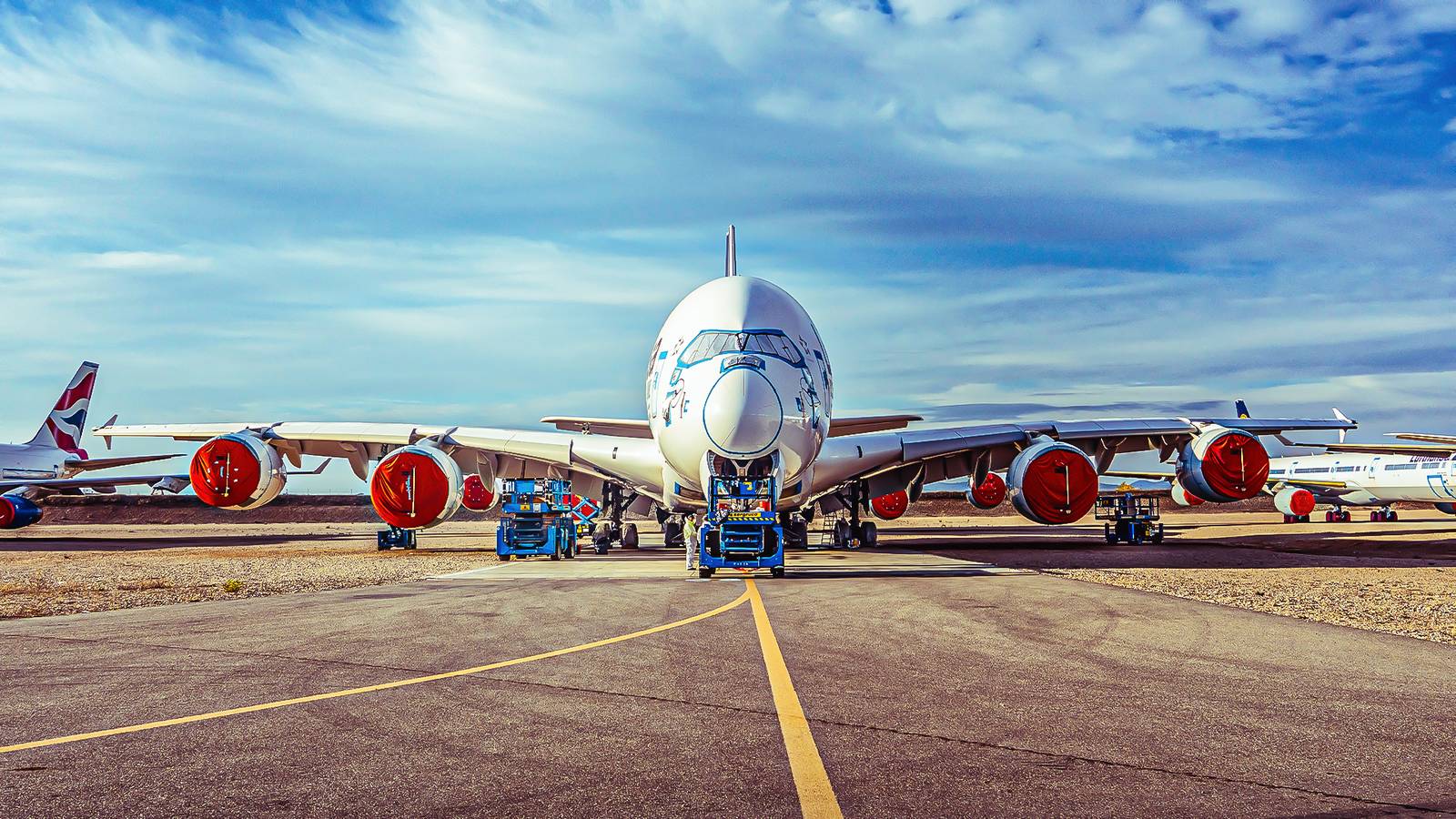
At the time of its initial rollout and first commercial flights, few industry observers would have predicted that its production lifecycle would be cut so short. Following its entry into service in 2007, production reached its peak in 2012, with 30 new superjumbos rolling off the assembly lines in a single year. However, by 2021, the convergence of shifting market trends and the unprecedented economic shocks of the COVID-19 pandemic forced Airbus’s hand. The manufacturer made the definitive decision to sunset the program, concluding that the A380 could not secure a large enough footprint in the modern aviation landscape to justify its continuation. Unsurprisingly, the condensed production lifespan fell far short of generating the revenue required to recover the colossal investments poured into its research, development, and tooling.
A primary driver behind the broader airline industry’s waning interest in the A380 was a fundamental miscalculation regarding market evolution. Airbus had initiated preliminary studies for a very large passenger aircraft as early as 1988, anchoring its business case on a traditional "hub-and-spoke" operational model. Under this philosophy, airlines would funnel passengers from regional airports into massive central hub nodes using large aircraft, and then transfer them onto other large aircraft for intercontinental trunk routes.
However, by the time the A380 finally reached commercial fruition in 2007, the global aviation market had already begun pivoting aggressively toward a "point-to-point" model. Airlines increasingly favored smaller, highly efficient twin-engine widebody aircraft—such as Airbus’s own A350 and the Boeing 787 Dreamliner. These nimble twin-jets aligned far more closely with the financial realities of shifting passenger demand, enabling carriers to operate direct long-haul routes between secondary and tertiary cities with thinner passenger volumes, rather than forcing travelers to connect through congested mega-hubs.

The final structural blow to the A380 program materialized when its largest and most loyal customer, Emirates, opted to curtail its remaining commitments. The Dubai-based carrier decided to cancel and restructure a substantial portion of its outstanding superjumbo orders in favor of the smaller Airbus A350 and the Boeing 777X. This strategic pivot by its most important advocate stripped the program of its remaining commercial viability, sealing the fate of the production line. For Emirates, the decision to diversify its fleet toward smaller, more versatile aircraft was compounded by the fact that Airbus was ultimately unable to deliver a modernized, fuel-efficient variant of the superjumbo, commonly referred to as the "A380neo." Despite this shift, Emirates remains a staunch supporter of the type and fully expects to keep its remaining superjumbos aloft well into the next decade.
Why The A380 Is Still A Valuable Asset For Airlines
Despite the official closure of the production line in 2021, the Airbus A380 continues to serve as an exceptionally valuable operational asset for a select group of carriers. These airlines typically deploy the aircraft on heavily congested, high-demand hub-to-hub routes where passenger volume is consistently high enough to absorb the massive seat inventory.
Many of the world’s primary mega-hubs face severe infrastructure constraints and strict limitations on available takeoff and landing slots. These restrictions effectively cap an airline’s ability to increase flight frequencies to meet growing demand. Under such circumstances, deploying a larger aircraft becomes the only viable mechanism to maximize passenger yield per available slot and capture maximum revenue on constrained trunk routes. Furthermore, because most current operators have largely paid off their existing A380 frames or secured them through favorable long-term lease rates, their ongoing ownership costs have dropped significantly. This financial dynamic enhances the appeal of the aircraft, provided an airline’s network features the specific high-density corridors required to keep load factors high.
Beyond raw economics, the A380 retains an unmatched reputation for passenger comfort and experience. The sheer physical dimensions of its dual-deck cabin allow for exceptional spatial distribution, lower interior cabin noise levels, and a notably stable flight profile. For commercial strategy teams, this expansive interior real estate presents a unique opportunity to configure premium-heavy cabins. Airlines have leveraged this space to design industry-leading flagship products, including expansive first-class private suites, onboard cocktail lounges, and fully equipped shower spas—amenities that hold immense appeal for carriers relying on premium-yield revenue models.
The enduring strategic value of the aircraft was vividly demonstrated at the 2023 Dubai Air Show, where Emirates unveiled a staggering $1.5 billion investment initiative designed to overhaul and modernize its entire A380 fleet for long-term service. Highlighting the pivotal role the aircraft plays in the airline’s operational identity, Emirates President Sir Tim Clark emphasized that the superjumbo has been and will continue to be a core pillar of the carrier’s network strategy, unlocking growth at capacity-constrained airports and elevating the standard for global passenger comfort.
These Airlines Still Operate The A380 In 2026
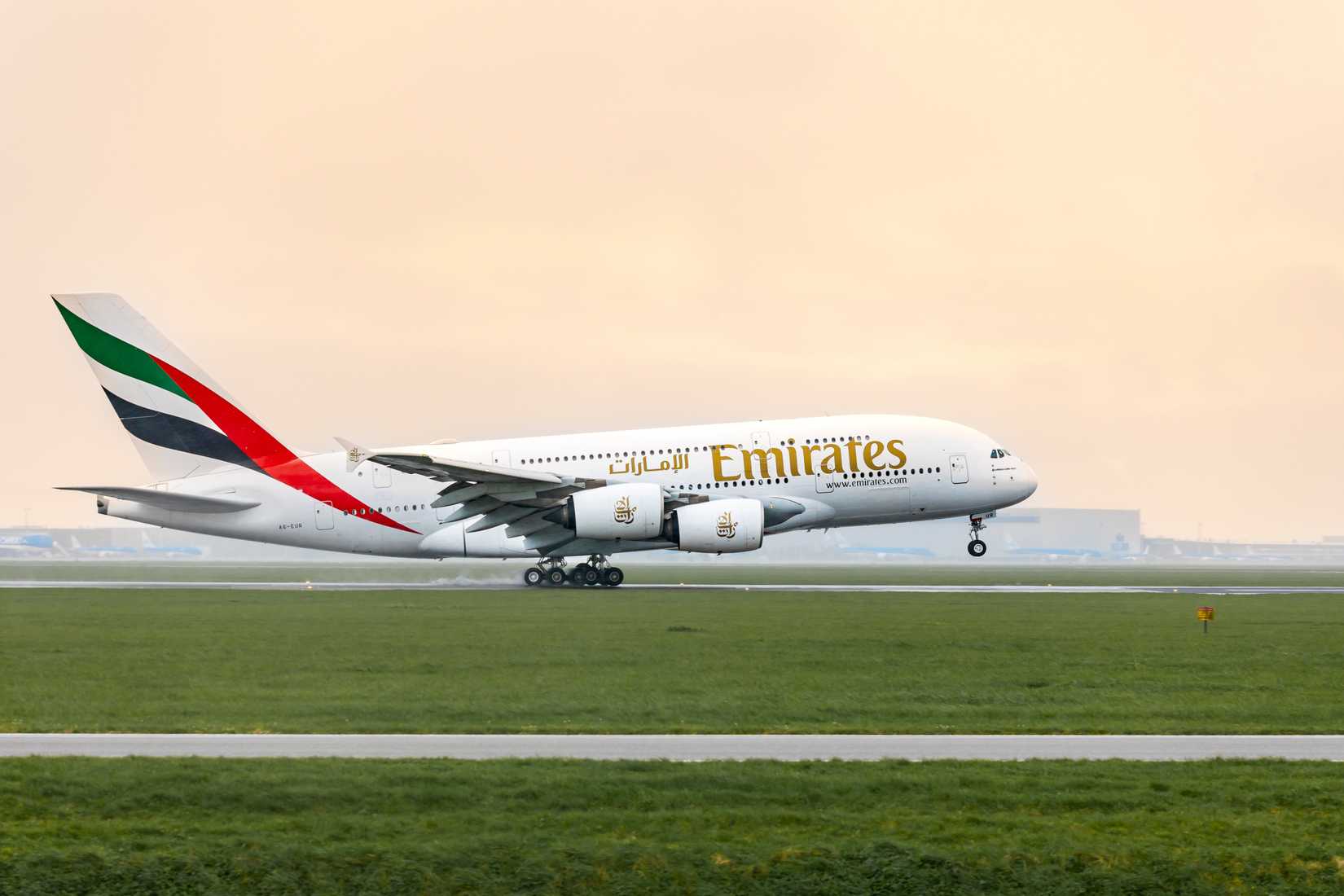
Across the international aviation landscape, a core group of ten airlines continues to operate a combined fleet of approximately 190 Airbus A380 aircraft. By far the largest and most prominent operator is Emirates, whose massive superjumbo fleet commands more than half of the entire active global inventory, boasting 116 aircraft.

Far behind in sheer numbers, but maintaining significant operational commitments, are British Airways and launch customer Singapore Airlines, both of which operate 12 active A380s. Rounding out the upper tier of operators are Australian flag carrier Qantas with 10 aircraft, and Abu Dhabi-based Etihad Airways, which currently fields nine superjumbos following the recent reactivation of previously parked frames from long-term storage.
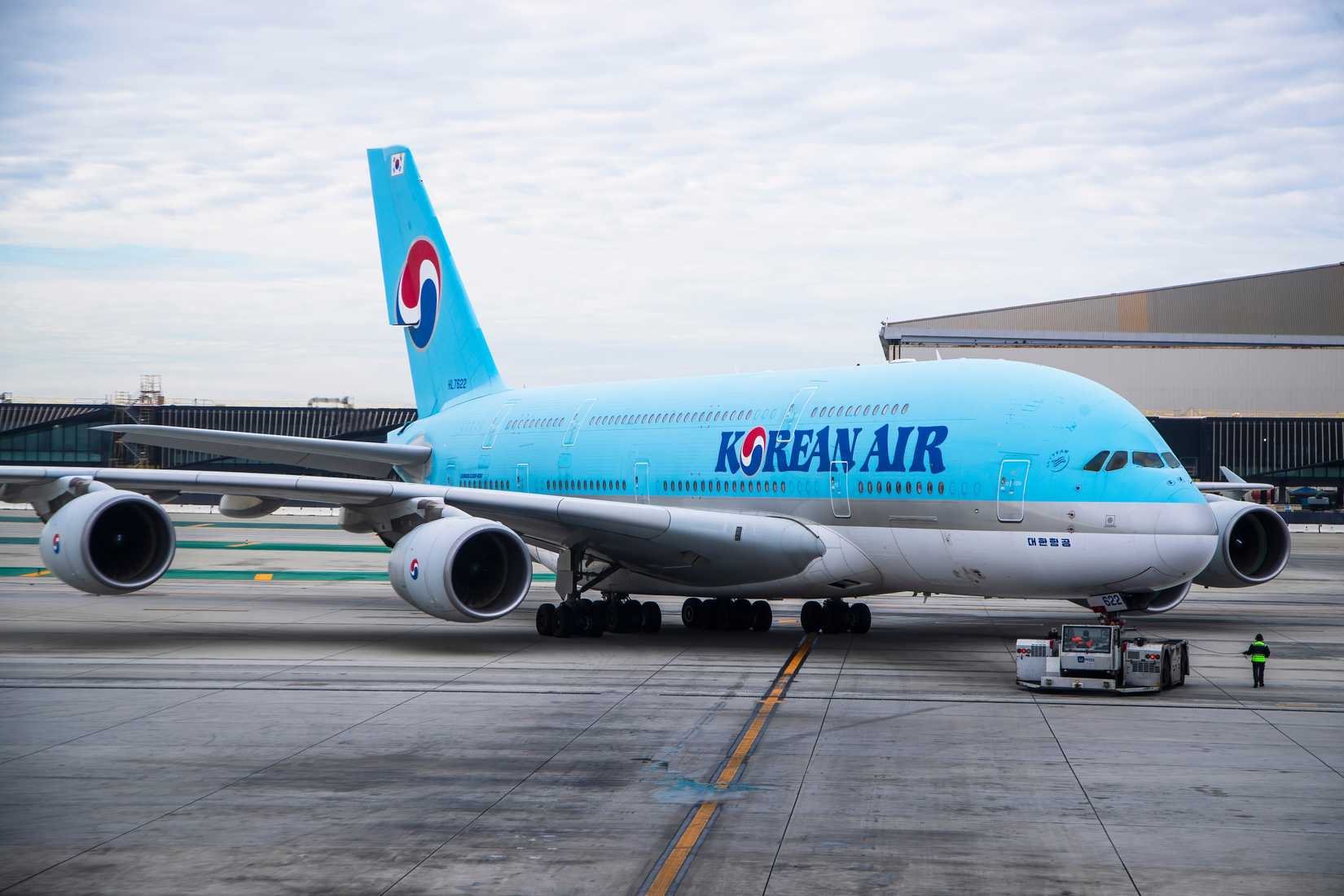
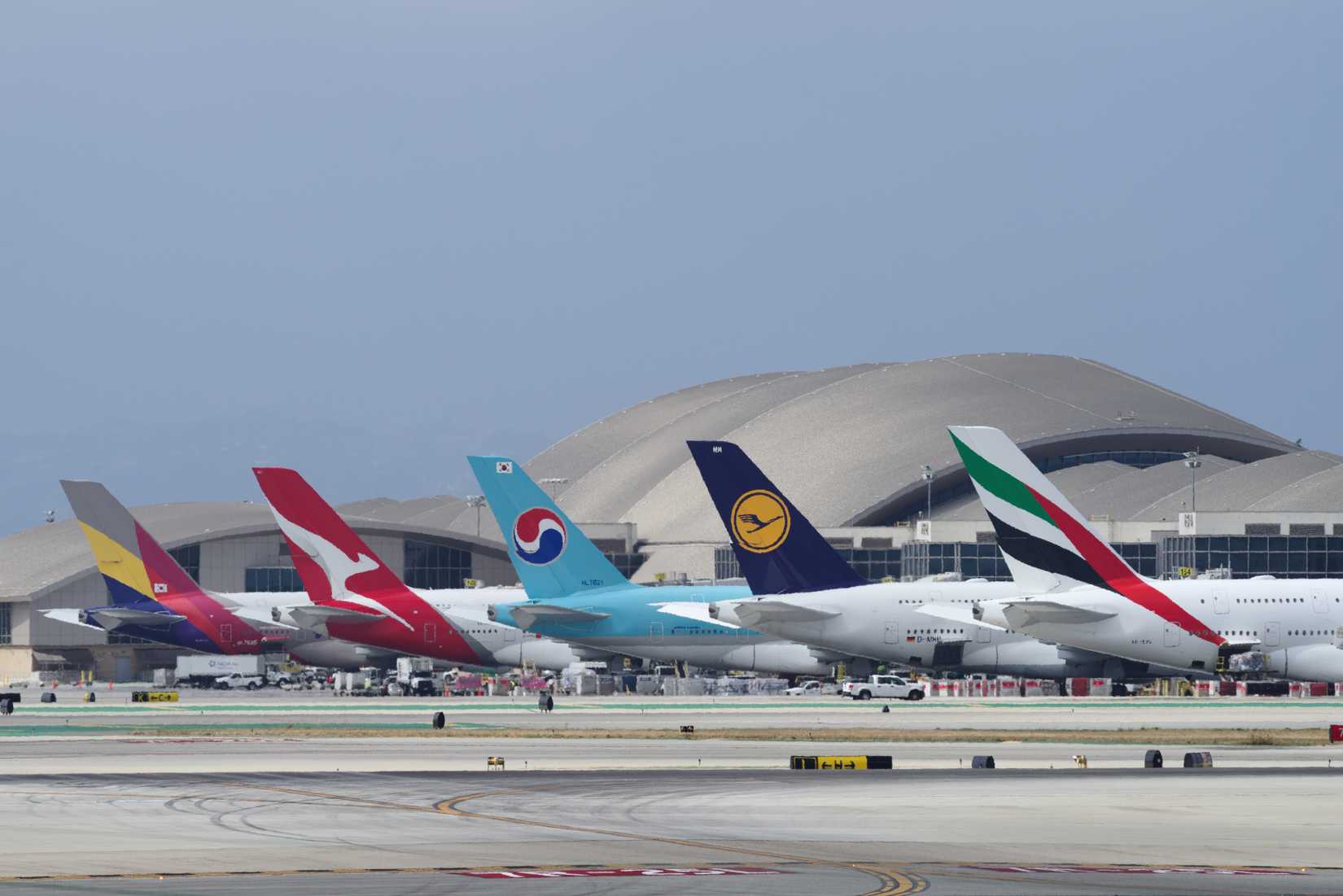
Other notable carriers keeping the type alive include Lufthansa with eight aircraft, Qatar Airways with eight, Korean Air with six, and its sister airline Asiana Airlines with six. The final commercial operator to introduce the aircraft to its lineup was Japan’s All Nippon Airlines (ANA), which integrated the type into its fleet in 2009—a strategic move the carrier has faced challenges with as market dynamics fluctuated. ANA currently operates three A380s dedicated exclusively to high-density leisure routes between Japan and Hawaii. Additionally, the ambitious startup carrier Global Airlines entered the market by leasing a pre-owned A380 sourced via Malta-based charter specialist Hi Fly Malta.
The carriers that chose to retain the A380 have done so with a high degree of operational conviction, committing substantial capital to heavy maintenance and cabin modernizations. This widespread reinvestment underscores the fact that these airlines view the type not merely as a temporary stopgap, but as a long-term strategic pillar. For instance, Qantas welcomed back its tenth and final stored A380 to Sydney following an absence of nearly six years. Restoring the aircraft required more than 100,000 man-hours of labor by dedicated engineering and maintenance teams, alongside a comprehensive cabin overhaul that constituted the largest heavy maintenance project in the airline’s history.
Similar capital commitments are visible across other major operators. Lufthansa has poured substantial resources into modernizing its A380 cabins, committing to keep the superjumbo operational well into the 2030s as global supply chain disruptions and delivery delays for next-generation twin-engine widebodies continue to constrain fleet expansion plans.
These Airlines Have Already Said Farewell To The A380
Operating an aircraft of the A380’s immense scale comes with inherent financial and operational challenges. Chief among them is the requirement to maintain exceptionally high load factors to achieve operational efficiency. When a widebody capable of carrying upwards of 500 passengers flies with empty seats, its per-seat fuel burn spikes dramatically, whereas smaller, highly optimized twin-jets can adjust capacity to shifting demand far more easily.
Beyond seat economics, superjumbos introduce distinct logistical hurdles for ground operations, including specialized gate infrastructure, extended turnaround times, and notably higher maintenance expenditures driven by the complexity of servicing four massive turbofan engines.
While select carriers have found profitable niches for the type, several major airlines moved to retire their A380 fleets well before the decade progressed. Air France was among the first to fully phase out its ten-strong fleet, a process accelerated by the onset of the pandemic. Other notable operators that completely exited the type include China Southern Airways, Thai Airways, and Malaysia Airlines, all of which cited escalating operating expenses and the economic realities of a changing market.
Even among carriers that retained portions of their fleets, temporary groundings and permanent partial retirements became common practice. Singapore Airlines retired half of its original superjumbo fleet over the years, while Etihad Airways temporarily parked its entire operational inventory during industry downturns. Similar strategic downsizing occurred at Lufthansa, Qantas, and Qatar Airways, where portions of their respective sub-fleets were permanently retired following periods of extended storage.
Related News