Singapore Airlines Sticking with Air India Stake Despite Continued Financial Drag
Article Editorial Team
Singapore Airlines (SIA) has reaffirmed its commitment to its 25.1% equity stake in Air India, choosing to maintain its strategic partnership with the carrier even as the massive investment continues to weigh heavily on the Southeast Asian airline group’s overarching financial performance and quarterly profitability metrics.
The enduring commitment was underscored in the carrier’s latest financial disclosures, which highlighted the heavy cost of supporting Air India through its extensive restructuring, fleet modernization, and operational turnaround phase. For the six-month period ending September 30, SIA reported a net profit of S$134 million, which translates to approximately $104 million. This figure represents a sharp 44% decline compared to the same period a year earlier, despite the airline group generating record revenue of S$11.3 billion, or roughly $8.8 billion.
A primary driver of this substantial profit contraction was the group’s share of financial losses stemming from its association with Air India. During the half-year window, SIA’s share of Air India’s losses amounted to S$361.7 million, or about $281.5 million. To put this financial burden into perspective, the losses absorbed by SIA from the Indian carrier were nearly 2.7 times the size of SIA’s entire net profit for the period, demonstrating the immense capital weight that the partnership continues to impose on the parent company’s balance sheet.
Despite the heavy financial toll, the latest figures also point to encouraging signs of operational stabilization and narrowing losses at the Indian carrier. The overall half-year loss absorption was still a marked improvement when compared to the S$429.5 million, or approximately $334 million, in losses recorded by SIA from the association during the corresponding period a year earlier.
This financial cushioning materialized entirely during the second quarter of the fiscal period. SIA noted that its share of losses from associated companies—primarily driven by Air India—was S$110 million, or about $85.6 million, lower than a year earlier during the three months leading up to September. Notably, this quarterly improvement is greater than the S$68 million improvement recorded for the half-year as a whole. This statistical divergence indicates that losses during the first quarter were actually worse than those recorded in the previous year, making the second-quarter turnaround all the more critical for the carrier’s interim financial recovery.
The stronger second-quarter performance provided a vital lift to SIA’s quarterly financial standing, offering reassurance to market watchers and stakeholders who have closely monitored the fiscal implications of the ambitious airline merger and turnaround strategy in South Asia. Air India, which is controlled by the Tata Group alongside Singapore Airlines as a minority shareholder, has been undergoing a massive fleet retrofit and modernization program aimed at transforming the legacy carrier into a globally competitive, premium network airline.
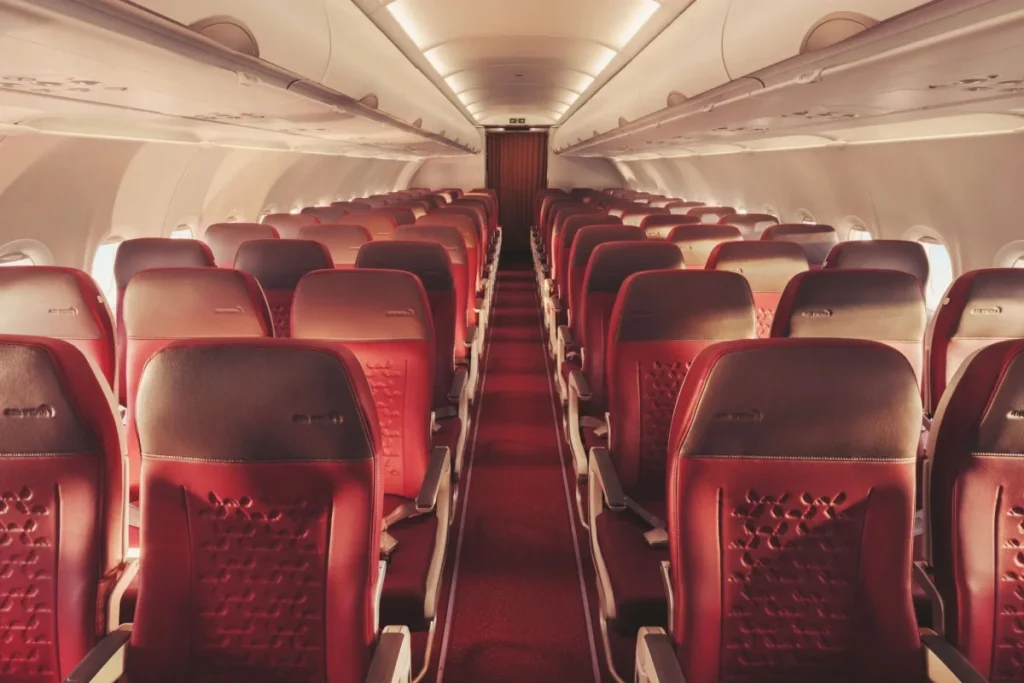
As part of this comprehensive modernization initiative, Air India has been investing heavily in upgrading the interior cabins of its aircraft, such as its Airbus A320neo fleet, introducing refreshed seating, modern inflight entertainment systems, and elevated service standards to align with international expectations. These extensive capital expenditures, combined with network expansion efforts and integration costs, have predictably resulted in substantial short-term financial deficits as the airline works to overhaul its legacy operations.
For Singapore Airlines, retaining its 25.1% stake is viewed as a critical long-term strategic investment that secures its footprint in the rapidly expanding Indian aviation market—one of the fastest-growing domestic and international travel corridors in the world. By maintaining its equity partnership rather than retreating from the financial pressures, SIA is positioning itself to share in the eventual upside of Air India’s multi-year transformation once the carrier completes its operational restructuring and achieves sustained commercial profitability.
Related News