Major Hotel Groups Face Headwinds as Development Pipelines Stumble and Room Growth Forecasts Trimmed
Article Editorial Team
The world’s largest hotel groups are currently sitting on record development pipelines, boasting unprecedented numbers of properties slated for future opening. However, a closer look at the industry reveals a mounting challenge: several major hospitality giants have been struggling to translate these promised hotel developments into actual open projects. At the same time, an unexpected number of existing rooms have been leaving their systems entirely, creating a compounding obstacle for asset-light hotel corporations that rely heavily on net room expansion to drive fee revenue.
This friction between ambitious expansion plans and ground-level execution has prompted prominent
hospitality brands to adjust their financial horizons. Industry heavyweights including Marriott International, Hyatt Hotels Corporation, Wyndham Hotels & Resorts, and Accor have all found it necessary to trim their net rooms growth forecasts since late July. While Hilton managed to hold its initial target steady, its third-quarter growth performance still languished near the very bottom of its projected range.
For modern, asset-light hotel companies, net rooms growth stands alongside revenue per available room as one of the two foundational pillars driving overall fee revenue. When room growth stalls or falls short of expectations, it directly impacts corporate financial health and investor sentiment.
The broader macroeconomic and real estate landscapes are largely to blame for the sluggish momentum. According to recent data from real estate services firm CBRE, the United States hotel industry experienced a meager supply growth of just 0.4% in the third quarter on a year-over-year basis. This stark shortfall is the cumulative result of widespread construction delays, a surprisingly sluggish pace when it comes to converting independent or competing hotels into new brand networks, elevated interest rates that continue to make financing difficult, and a higher-than-planned volume of hotel exits from existing brand portfolios.
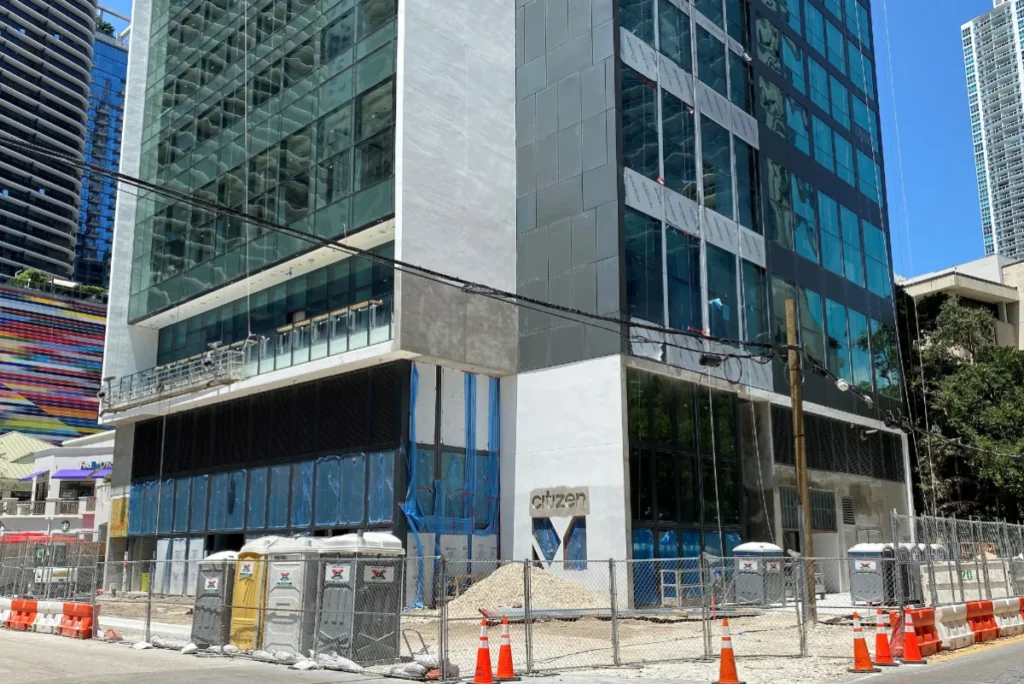
The challenges facing developers and brand operators are deeply intertwined with the physical realities of building and renovating properties. As illustrated by urban developments like the CitizenM Miami Brickell Hotel—part of Marriott International—bringing a modern hotel from an active construction site surrounded by metal gates and scaffolding to a fully operational destination is a complex, time-consuming endeavor. Delays that occur during the heavy construction and permitting phases ripple outward, pushing back opening dates by months or even years and frustrating corporate projections.
Looking ahead, the recovery of supply growth appears gradual at best. Industry forecasts indicate that next year’s trend will likely remain subdued, with U.S. room supply growth projected to reach a modest 0.6% in 2027. This anticipated figure stands in stark contrast to the historical average of 1.6% growth per year that the hospitality sector has traditionally enjoyed over the long term. As hospitality executives navigate these ongoing structural hurdles, the focus remains on finding ways to accelerate conversions, streamline construction pipelines, and minimize unexpected room losses across their global brand networks.
Related News