Portland City Council Weighs Landmark Ban on Cruise Ship Scrubbers to Protect Casco Bay
Article Editorial Team
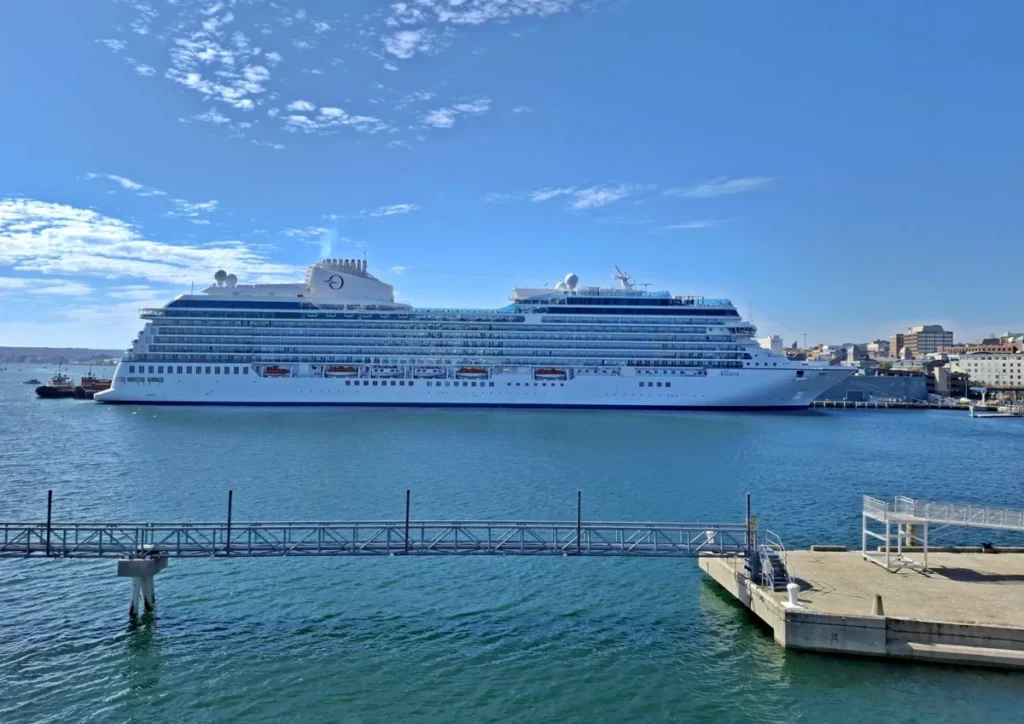
PORTLAND, Maine — The Portland City Council is set to review a groundbreaking resolution that could fundamentally change how cruise ships operate while docked in Maine’s most popular cruise port. The proposal, scheduled for consideration on Monday, targets exhaust gas cleaning systems—commonly known as scrubbers—and aims to restrict their use and the subsequent discharge of wash water at city-owned piers.
If approved by the council, Portland would become the very first port in the state of Maine to restrict these emissions-cleaning systems on visiting vessels. The policy is championed by the local advocacy group Portland Cruise Control, which has spent the past two years lobbying municipal leaders to adopt stricter environmental safeguards for the local marine ecosystem.
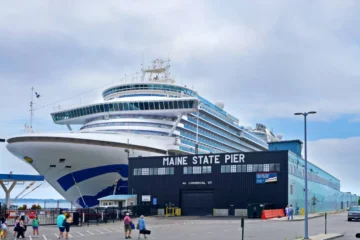
The impending vote arrives as Portland winds down its bustling autumn cruise season. While the port recently played host to the 3,560-passenger Majestic Princess in November, the economic and tourism lifeblood of the local cruise schedule is heavily concentrated in September and October. The scope of the potential impact is significant; for September 2027 alone, a staggering 41 cruise ship calls are already locked into the official schedule.
Supporters of the resolution maintain that the primary objective is safeguarding Casco Bay from localized pollution without sacrificing the robust tourism numbers and ship visits that bring economic vitality to the region. JoAnn Locktov of Portland Cruise Control has calculated that enacting the ban could prevent approximately 32 million gallons of potentially harmful scrubber wash water from being released into the bay over the course of a single cruise season.
"Cruise ships shouldn’t be allowed to turn their air pollution into our water pollution," Locktov stated, emphasizing the group’s stance that the policy is designed to preserve the health of the local marine environment rather than curtail the tourism industry.
What’s a Scrubber Anyway?
Under international maritime regulations, cruise ships are required to meet stringent sulfur emission limits. To comply with these standards, cruise lines generally have two primary pathways. One option involves switching entirely to cleaner, albeit significantly more expensive, low-sulfur marine fuels such as marine gas oil. The alternative is the installation of exhaust gas cleaning systems, or scrubbers, which allow vessels to continue burning cheaper, high-sulfur heavy fuel oil while filtering the exhaust gases before they are released into the atmosphere.
However, environmental scientists and advocates point out a major drawback associated with certain types of scrubbers, particularly open-loop systems. In an open-loop configuration, ships use seawater to scrub the exhaust gases, and that water is subsequently discharged directly back into the marine environment while the vessel is in port or underway.
This wash water is frequently acidic and can carry a cocktail of contaminants, including heavy metals, particulate matter, and polycyclic aromatic hydrocarbons. Environmentalists argue that while scrubbers successfully reduce sulfur emissions entering the air, they effectively transfer the pollution directly into coastal waters.
Other Ports Have Taken Similar Steps
Portland is not operating in a regulatory vacuum. Several domestic and international ports have already confronted the environmental challenges posed by open-loop scrubbing systems and implemented restrictions of their own.
In the Pacific Northwest, the Port of Seattle successfully instituted a ban on the use of open-loop scrubbers while ships are at berth through targeted terminal tariffs. Despite implementing these environmental restrictions, Seattle has maintained a flourishing cruise industry. The port recently wrapped up one of its most successful seasons in history, welcoming nearly 2 million passengers across roughly 330 ship calls.
Similar limits on scrubber wash water discharges have been adopted by numerous jurisdictions along the West Coast, including ports throughout California and Vancouver, Canada, as well as select locations in Connecticut and a growing network of international maritime hubs.
What Cruise Ships Will Do if Measure Passes
Should the Portland City Council give the resolution the green light, cruise lines operating itineraries that include the Maine port will be forced to adapt their operational protocols. The primary adjustments available to fleet operators would involve modifying their fuel management strategies before arriving in Portland.
Ships would likely need to switch over to compliant, low-sulfur marine fuels prior to entering the port boundaries, thereby eliminating the need to operate exhaust scrubbers altogether while docked. Alternatively, vessels equipped with closed-loop systems—which retain the wash water on board for proper disposal at specialized shoreside facilities rather than dumping it overboard—could potentially operate, provided they strictly adhere to no-discharge rules.
While an ideal technological solution for many ports involves plugging vessels directly into shoreside electrical grids so that heavy auxiliary engines can be completely shut down while in port, Portland, Maine, does not currently possess the necessary shore power infrastructure to support this capability.
Vote Comes Monday
According to local reports, the city council is scheduled to deliberate on the resolution on Monday, November 16. If the measure secures approval, the port’s tariff rules will undergo formal revision, setting a new regulatory standard for the maritime industry in Maine.
As the first municipality in the state to pursue such restrictions, Portland’s decision could serve as a bellwether for other East Coast ports evaluating how best to balance the economic benefits of the booming cruise industry with the imperative of protecting fragile coastal ecosystems.
Related News