Saudi Arabia’s Hotel Pipeline Hits Record High Despite Security Challenges and Regional Conflict
Article Editorial Team
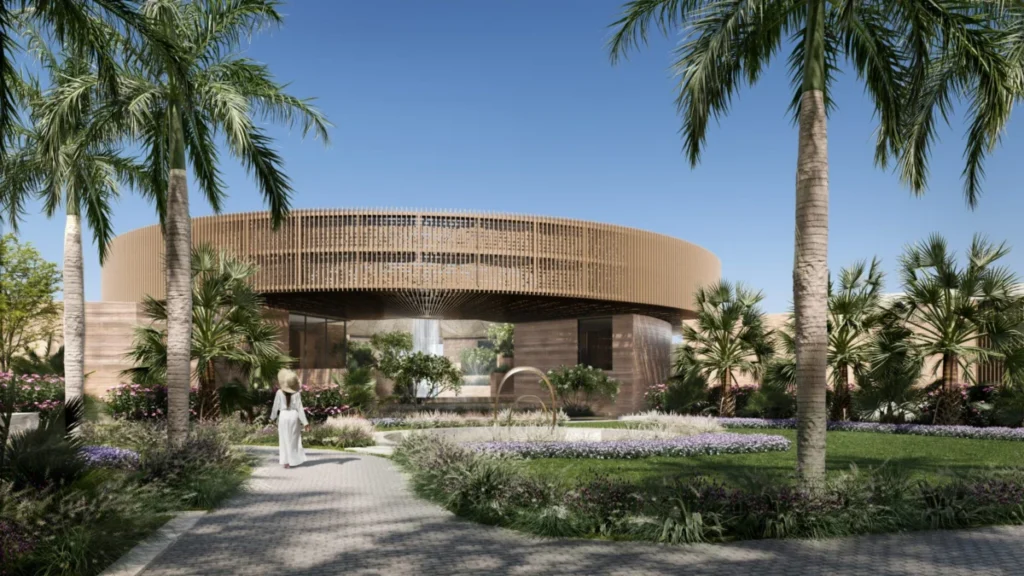
A month after a Houthi missile attack killed 13 people at Riyadh’s main airport, Saudi Arabia’s ambitious hotel development pipeline has reached an all-time high. Despite the heightened geopolitical tensions and the tragic loss of life, developers, hoteliers, and major international operators maintain that they are not aware of a single hotel project being canceled as a direct result of the attacks. However, while construction cranes continue to dominate skylines across the kingdom, industry observers note that the security incidents have severely damaged something far more difficult to rebuild: Saudi Arabia’s emerging image as a safe, stable, and welcoming global tourism destination.
The security threats and subsequent military responses have led to temporary airport closures, the postponement or outright cancellation of some of the kingdom’s largest high-profile events, and a sharp escalation in the cost of securing insurance against regional conflict. Yet, despite these formidable headwinds, international investors and domestic stakeholders continue to sign lucrative deals. Market participants are banking on the resilience of domestic tourism and the steady, year-round engine of religious travel to carry the hospitality sector forward until the broader conflict eventually subsides. How long that stabilization process will take, however, remains an open and pressing question for the kingdom’s economic planners.
A Record Pipeline
Despite the lingering security concerns, Saudi Arabia’s hotel development pipeline has maintained its upward trajectory, outperforming the rest of the wider region by a significant margin. The kingdom currently boasts a record 401 distinct projects in various stages of development, representing a notable 15 percent increase compared to the same period a year ago, according to recent data compiled by Lodging Econometrics.
These ambitious construction and development projects will collectively inject a massive 109,320 new hotel rooms into the Saudi market, translating to a 16 percent year-over-year expansion in inventory. To put the scale of this growth into perspective, Saudi Arabia’s active pipeline accounts for an overwhelming 52 percent of the total project count across the entire Middle East, and an even more dominant 58 percent of all hotel rooms currently under development in the region.
Within the kingdom, the capital city of Riyadh is leading the charge, serving as the epicenter of this unprecedented real estate and hospitality boom. Riyadh alone accounts for 114 of the projects currently moving through planning and construction phases, reflecting the government’s broader push to transform the capital into a major commercial, financial, and cultural hub under the Vision 2030 framework. While international tourism marketing efforts face a challenging landscape in the wake of the airport attack, the sheer momentum of domestic infrastructure spending and long-term capital commitments continues to drive the market forward, leaving developers to balance high-stakes financial rewards against the unpredictable realities of regional conflict.
Related News