Turning a Coastal Crisis into Climate Action: How the Sargassum Recovery Project is Transforming Mexican Shores
Article Editorial Team
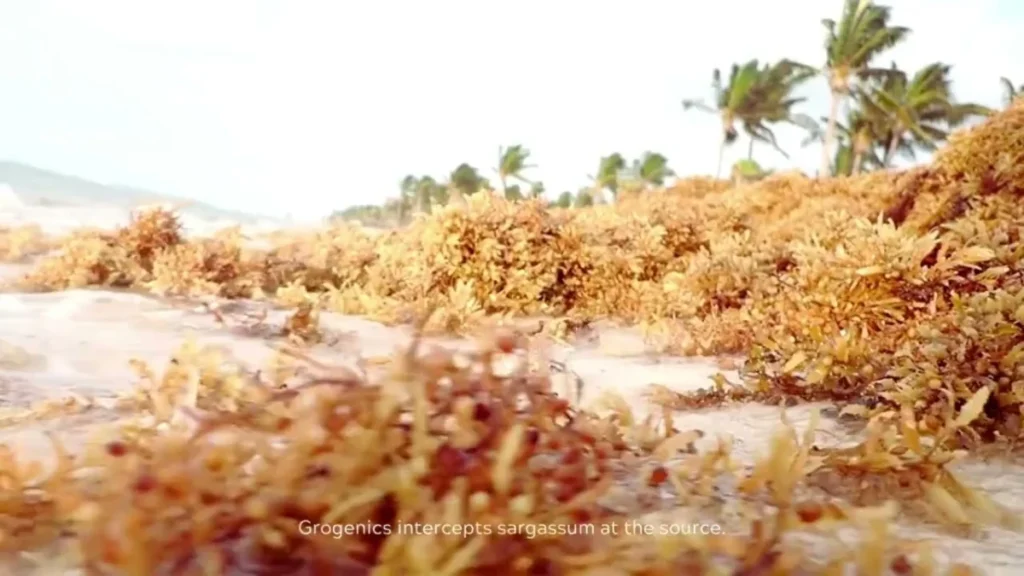
As record-breaking sargassum blooms continue to wash ashore in overwhelming quantities along the coastlines of Mexico, threatening local ecosystems and tourism economies, an innovative environmental initiative is stepping in to turn the tide. The Sargassum Recovery for Clean Coasts project has emerged as a vital frontline defense, intercepting the massive influx of brown seaweed directly at the water’s edge before it can begin the hazardous process of decaying on public beaches and releasing harmful greenhouse gases into the atmosphere.
For years, the arrival of dense mats of sargassum has presented a formidable logistical, environmental, and economic challenge for coastal regions in Mexico. When left unmanaged, accumulated seaweed piles up on pristine beaches, where it rapidly decomposes under the tropical sun. This rotting process not only emits a potent and pervasive sulfurous odor that deters visitors and damages the vital tourism industry, but it also releases large amounts of methane—a greenhouse gas with a warming potential significantly higher than that of carbon dioxide over a short-term horizon. Furthermore, as the seaweed decays, it can leach toxic leachates and heavy metals into the sand and coastal waters, smothering nearshore habitats, depleting oxygen levels, and endangering marine life.
To combat this multifaceted crisis, the Sargassum Recovery for Clean Coasts initiative takes a proactive, science-backed approach. Rather than viewing the seaweed merely as a waste management burden or a costly nuisance to be trucked away to municipal landfills where it continues to rot unmonitored, the project treats sargassum as a resource out of place. Teams intercept the seaweed locally, gathering it efficiently from the shorelines before environmental degradation sets in.
Once collected, the material undergoes a specialized detoxification process through bioremediation. This critical step breaks down any potential contaminants or salts inherent in the marine biomass, rendering the seaweed safe for agricultural and environmental applications. Following detoxification, the processed sargassum is transformed into a high-value, biochar-enriched compost. This agricultural amendment serves multiple ecological purposes simultaneously: it actively restores depleted soils, provides vital nutrients that support local farmers and boost crop yields, and permanently locks carbon securely into the ground, preventing it from returning to the atmosphere as carbon dioxide or methane.
By closing the loop on a major marine waste stream, this comprehensive initiative successfully advances a circular blue economy. In this restorative economic model, coastal ecosystems, the tourism sector, and local communities are no longer at odds with environmental degradation, but instead work in harmony to foster long-term resilience and prosperity. The transformation of a coastal hazard into a carbon-sequestering soil enhancer demonstrates how targeted environmental interventions can address local ecological pressures while simultaneously contributing to broader climate mitigation goals.
The Sargassum Recovery for Clean Coasts project does not operate in a vacuum; it represents a key component of a larger, coordinated international funding and support network. Specifically, this impactful initiative is proudly featured as one of the dedicated projects within the Climate Impact Portfolio, having received vital financial and strategic backing through a specialized carbon offset program. This partnership allows individuals and organizations committed to sustainability to offset their unavoidable carbon footprints by supporting real-world projects that deliver measurable, verifiable greenhouse gas reductions alongside significant co-benefits for local communities and biodiversity.
Visual documentation of the collection, processing, and application phases of this transformative work has been provided by Grogenics, highlighting the hands-on nature of the recovery efforts on the ground in Mexico. Through these collaborative partnerships and innovative circular economy models, the initiative continues to explore and expand its Climate Impact Portfolio, offering a scalable blueprint for other regions grappling with the escalating global phenomenon of massive sargassum inundations.
Related News