Why the Airbus A321XLR and Modern Commercial Jets Cruise at a Noticeable Nose-Up Angle
Article Editorial Team
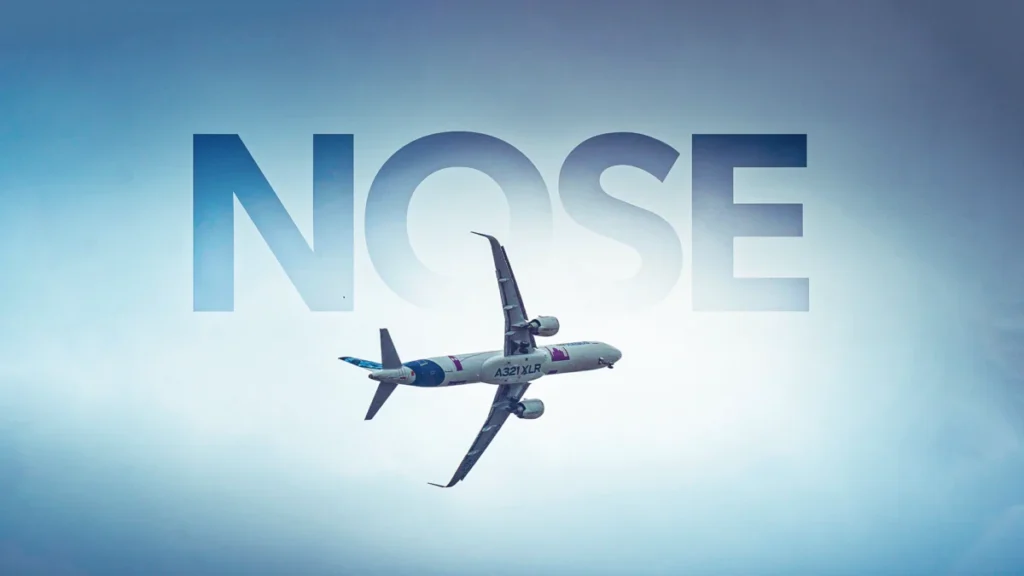
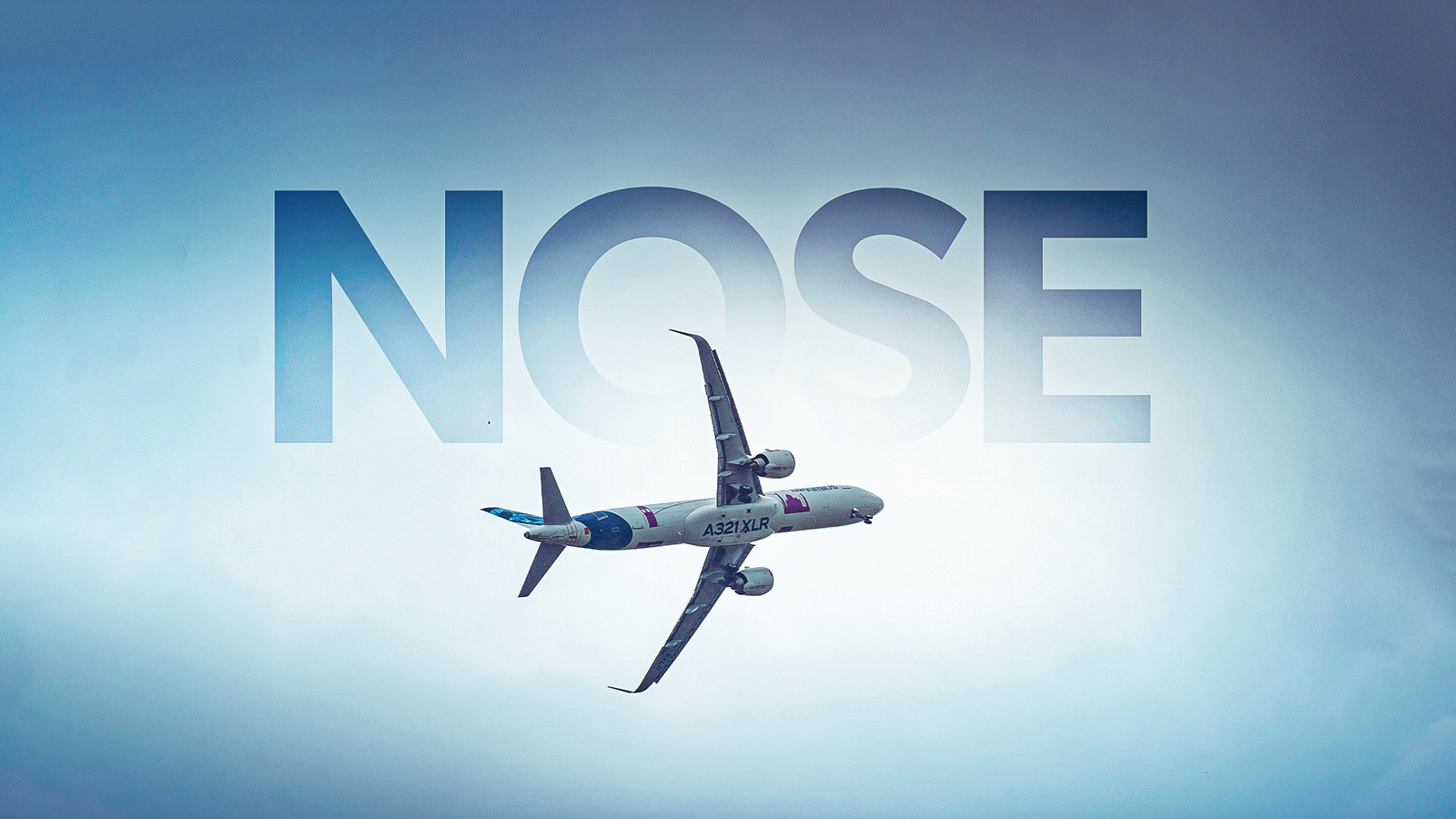
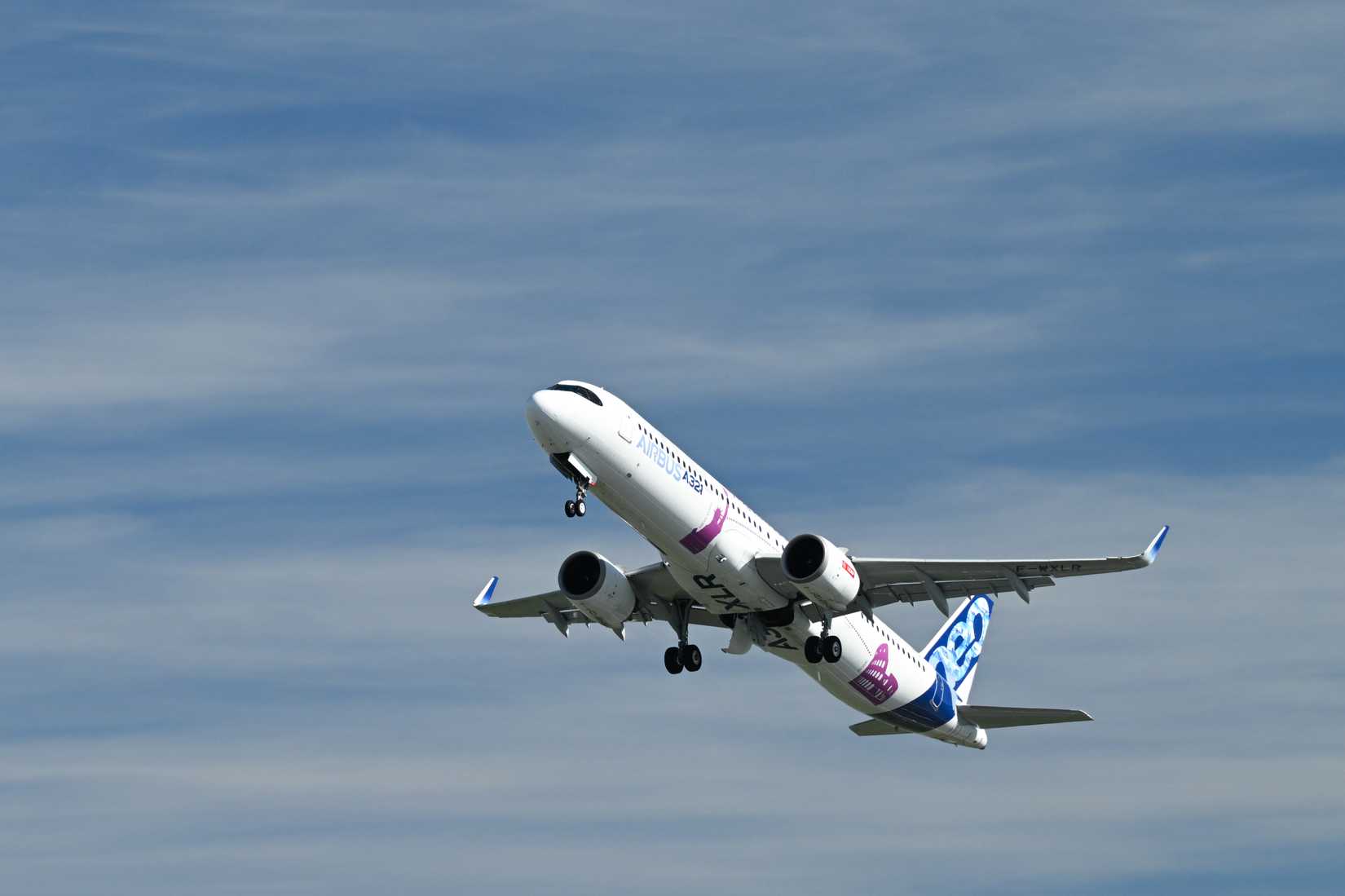
Have you ever felt like your aircraft was pointing slightly upward during a long-haul flight? If so, your perception is entirely accurate. Nearly every single commercial jetliner cruises with a noticeable nose-high pitch for the vast majority of its journey. The fundamental physics of flight dictate that an aircraft on a steady, level cruise rarely maintains a perfectly parallel relationship with the horizon. This characteristic is particularly remarkable and visually apparent on Airbus’ newest long-haul narrowbody aircraft, the highly anticipated A321XLR.
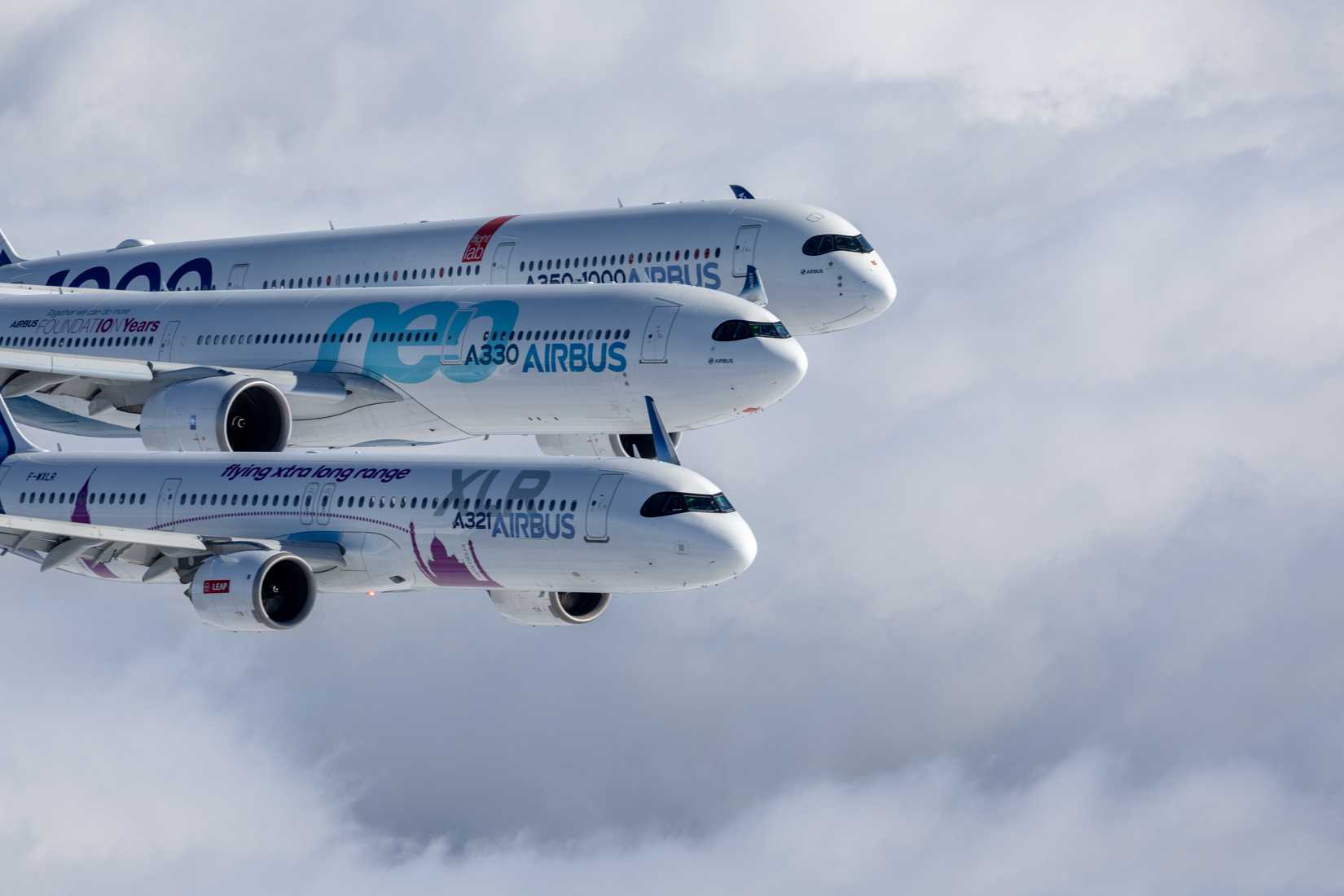
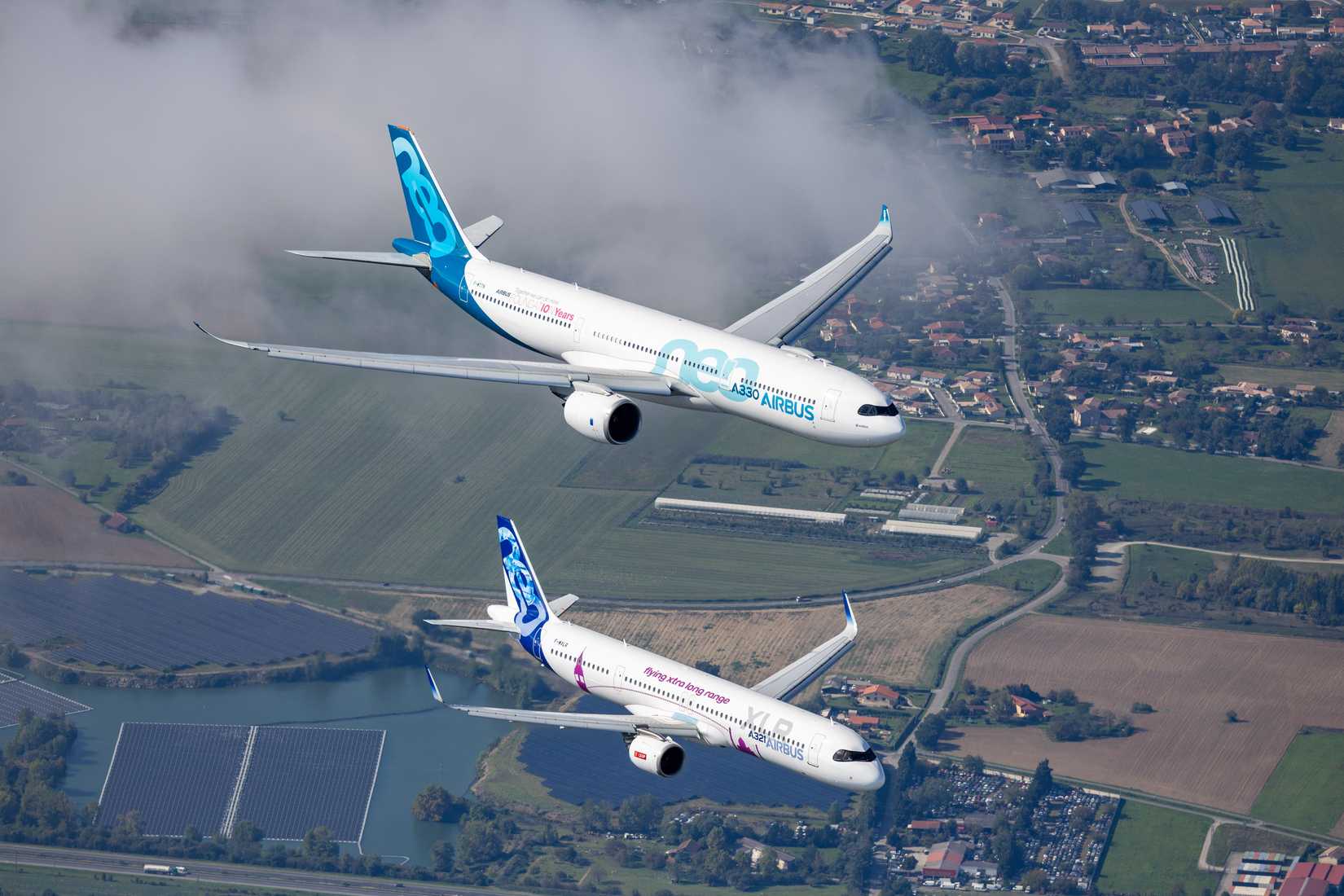
While maintaining a nose-up attitude is basic aerodynamic physics, a combination of structural factors makes it exceptionally noticeable on the A321XLR. An aircraft wing does not generate lift when aligned perfectly flat with the oncoming air mass. Instead, it requires an angle of attack—typically two to three degrees above the horizon—to force air underneath the wings and produce efficient lift. Because the A321 is an exceptionally long narrowbody aircraft, its extended silhouette creates a clear and striking visual profile compared to shorter aircraft models like the Airbus A319.
This phenomenon is not an abnormality or a design flaw in the A321XLR. Rather, it represents the standard operating condition for the entire commercial aviation fleet, ranging from small regional jets like the Airbus A220 to massive widebody aircraft like the Boeing 777. As a flight progresses and the engines steadily burn through fuel, the plane becomes progressively lighter. Because it requires less lift as it loses weight, the fly-by-wire flight control system gradually lowers the nose. Consequently, the cabin floor is rarely completely level during cruise, although the tilt is usually subtle enough that most seated passengers will not consciously notice it.
The Mechanics Of Cruise Pitch: Weight And Flight Dynamics
Despite carrying far more weight than other planes in its specific class, the Airbus A321XLR retains the baseline wingspan of the standard A321 family, measuring 117 feet or 35.8 meters. Given its restricted wing area compared to a widebody jet that typically flies similar long-haul routes, the XLR must fly at a higher angle of attack than many other commercial jets. Raising the nose one to two degrees higher than most other airliners allows the narrowbody aircraft to generate the necessary lift at a comparable altitude and airspeed.
Furthermore, the aircraft must take off with a far greater payload than the standard A321neo—which is often configured with a higher seating capacity—primarily due to the massive amount of fuel it must carry to complete transcontinental and transatlantic journeys. This heavy fuel load requires gradual step climbs, with the XLR slowly raising and lowering its altitude relative to the fuel remaining in its tanks as the route progresses.
Pilots discussing operations on online simulator forums frequently cite cruise pitch ranges between one and three degrees. These values fluctuate depending on the precise fuel load, passenger count, and chosen speed schedule. Weight remains the primary driver of these continuous fluctuations. For the Airbus A321XLR, this delicate mathematical calculation is pushed to the absolute extreme of the single-aisle category. The jet stands out as the heaviest iteration of the A321 family, boasting a maximum takeoff weight reaching an impressive 223,000 pounds or 101,100 kg.

When heavily loaded with fuel at takeoff, the thin air encountered at high cruising altitudes cannot provide enough density to support an XLR efficiently. To avoid an unfavorable flight profile, the aircraft relies heavily on step climbs. It will initially level off at a lower altitude where the surrounding air is denser. Even at this lower altitude, the engines must operate at high thrust settings to maintain cruise speed while simultaneously holding a high nose pitch.
Nose-Up Cruising: Passenger Perception and Safety Envelopes
Walking toward the front of the A321XLR cabin on a long-haul transatlantic flight might make a passenger feel as though they are moving up a shallow ramp. While the plane behaves flawlessly from an engineering and aerodynamic standpoint, its high nose-up posture subtly changes how passengers experience the journey. This physical tilt is most noticeable during the initial hours of a transcontinental mission when the aircraft is at its heaviest and carrying maximum fuel reserves.
During the early phase of such a trip, flight attendants must manage heavy galley carts on a noticeably tilted floor. Airline service typically initiates from the front of the cabin and moves backward toward the rear. This operational flow allows the crew to push the heavy service carts downhill rather than fighting gravity to push them upward. To guarantee a consistently pleasant ride for a full passenger payload, the aircraft relies on a highly optimized, non-emergency "comfort envelope."

To prevent passengers from feeling any sudden jerks or wallowing motions during cruise, the onboard autopilot performs continuous micro-trimming. The flight computers maintain a specific cruise speed, typically around Mach 0.78, at an altitude where local air density allows the plane to ride smoothly. By keeping the XLR within this specialized performance band, the automated system ensures a rock-solid, vibration-free ride for the customers seated toward the back of the aircraft.
Engineering Solutions And Automation At Airbus
Inside the advanced cockpit of the A321XLR, a sophisticated suite of flight computers handles the vast majority of the workload required to balance the jet’s pitch. These advanced flight computers effectively eliminate the need for human pilots to manually adjust the plane’s flight controls as the journey progresses. These integrated avionics systems allow the flight crew to dedicate more of their attention to navigation, communication, and airspace monitoring rather than constantly correcting the aircraft’s physical attitude.
Flying continuously at a nose-up angle naturally creates a certain amount of extra aerodynamic drag. To combat this penalty, the computer systems link navigation data and engine throttles to work together seamlessly. The autopilot utilizes a continuous feedback loop that monitors how the aircraft is interacting with the thin upper air. As the plane burns off fuel and its mass changes, the computer automatically commands the horizontal tail stabilizers to pivot by microdegrees.
This smooth, automated adjustment gently lowers the nose to a flatter angle without requiring any physical input from the flight crew. The system calculates the exact engine thrust needed to glide efficiently at the ideal angle. It maintains a steady cruise speed without burning excess fuel, keeping the plane at the mathematically perfect intersection of pitch, speed, and overall fuel efficiency.
Calculating Step Climbs And High-Altitude Safety Guards
The A321XLR navigation computer removes all the guesswork traditionally associated with changing altitudes during long-haul flights. The plane cannot safely cruise at its final high altitude right after takeoff because the air at that level is initially too thin to support its heavy frame. The automation constantly runs real-time calculations in the background to find the optimal moments to initiate a climb. Simultaneously, flying a long-range narrowbody aircraft like the XLR near its performance margins requires strict safety boundaries.
When the plane reaches an ideal weight state, the system notifies the crew, executes the climb smoothly, and automatically recalibrates the nose position for the new altitude. The flight control software also includes hard-coded safety protections that act as an invisible safety net. If severe turbulence or a sudden wind shift tries to force the nose into a dangerously high angle, the computer automatically intervenes, overriding unsafe tendencies and stabilizing the aircraft well before it approaches an aerodynamic stall.
Safety Of Flight For The Long-Haul
The automation on the A321XLR functions as both an active stabilizer during rough weather and an immediate backup to the primary autopilot. The flight computers do not simply wait for the plane to get bounced around by atmospheric disturbances. Instead, they utilize a real-time response system. The throttle computer continuously tracks wind shear to detect if a sudden draft causes an undesirable drop in airspeed. When this occurs, the engines instantly spool up to add energy, and conversely, if a thermal gust spikes the speed, the throttles dial back.
Accelerometers and sensors distributed throughout the fuselage detect sudden pockets of rising or sinking air instantly. By minutely deflecting control surfaces on the wings in direct opposition to the bumpy air, the plane actively counteracts turbulent forces. Even if the autopilot is disengaged for hand-flying or navigating severe weather, the computer software enforces strict performance limits. If an extreme event exceeds normal autopilot parameters, the XLR will drop offline to hand control safely back to the human pilots.
Because an unexpected autopilot disconnection is a critical event, the cockpit is designed to make the handover impossible to miss. The plane will not allow the nose to point higher than 30 degrees up or lower than 15 degrees down, and the system strictly limits the maximum roll angle to 67 degrees. If the autopilot projects that active intervention is required to stay within safe tolerances, red flashing warning lights illuminate directly in front of both pilots on the main dashboard panels.
Sky High In The A321XLR: Transforming A Commuter Jet Into A Marathon Flyer
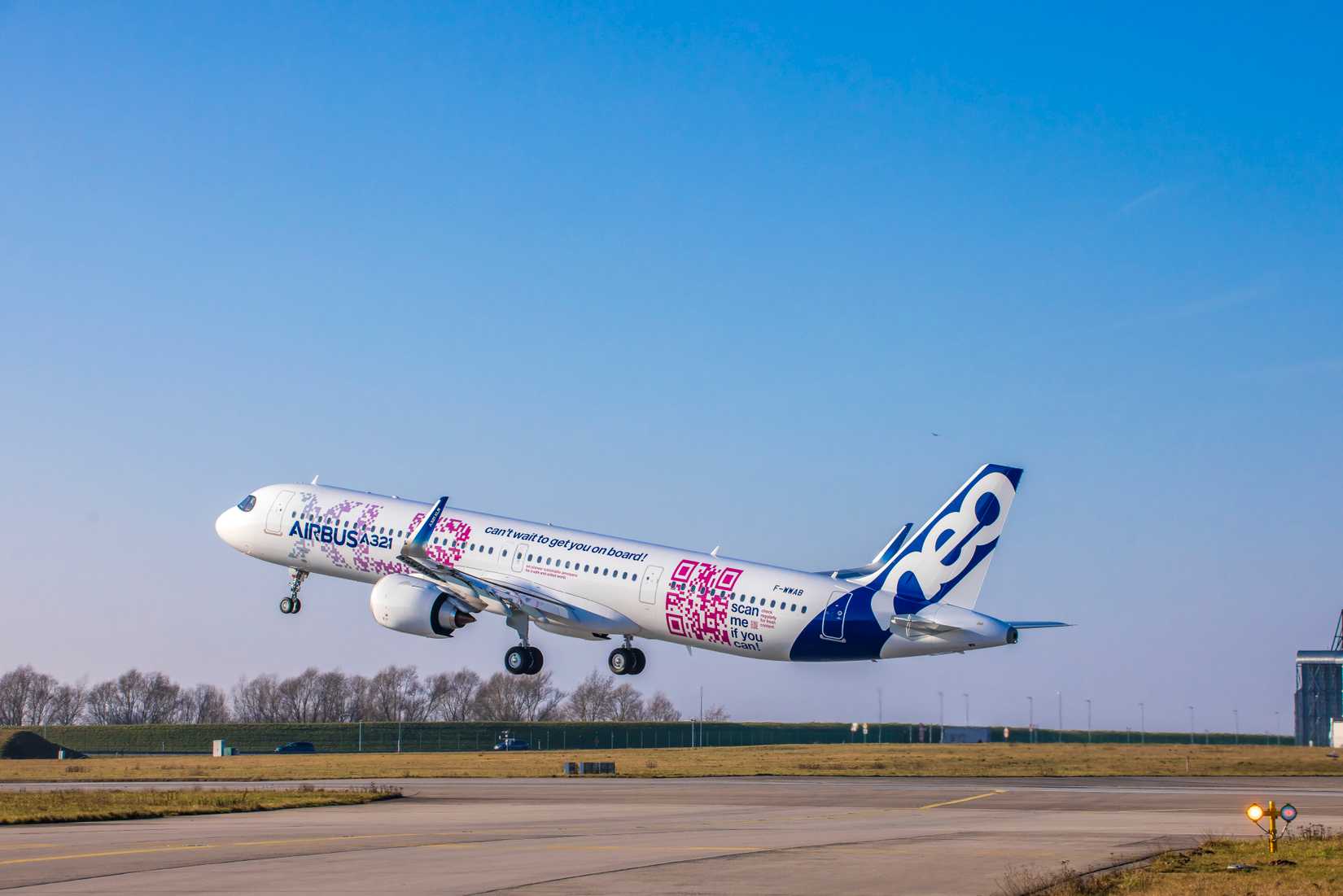
Although the A321XLR looks largely identical to a standard variant of the Airbus family, the jet incorporates subtle differences both inside and out to match the flight efficiency of its lighter, shorter-haul peers. Lighter, standard A321neo jets are optimized for high-capacity, short-haul routes where low-speed lift during frequent takeoffs and landings is a major priority. To achieve this, standard A321 models have historically featured complex, heavy double-slotted inboard flaps. For the A321XLR, Airbus deleted the double-slotted configuration in favor of a simpler single-slotted inboard flap.
This streamlined control surface slashes the physical weight of the wing and provides an optimized aerodynamic profile that significantly reduces drag during high-altitude cruise. During an 11-hour long-haul flight, a double-slotted mechanism creates excessive, unnecessary weight and parasitic drag. To ensure the plane does not lose essential low-speed lift during takeoff at maximum weight, Airbus pairs this single-slotted flap with advanced software that introduces automated flap programming.
Looking at the internal components, the XLR once again differs significantly from older long-range models like the A321LR. On those legacy jets, extra fuel is carried in up to three separate additional center tanks which resemble large cargo containers bolted directly into the luggage hold. These containers add structural weight and consume valuable cargo space that would otherwise be utilized for passenger bags and commercial shipments. The XLR solves this limitation by replacing separate cargo-bay tanks with a single, permanent rear center tank.
Concentrating thousands of liters of fuel entirely behind the wings completely shifts the aircraft’s overall weight and balance dynamics. As the flight progresses and the aft tank gradually drains, the center of gravity dynamically sweeps forward. The XLR’s advanced flight computers use automated fuel management to precisely monitor fuel burn across the outer wings, forward tanks, and the rear tank, keeping the plane perfectly balanced in its optimal cruise pitch from the moment of takeoff until final touchdown.
Related News