Boeing Secures FAA Certification for 737 MAX 7 Following Major Design Overhaul Driven by Southwest Airlines
Article Editorial Team
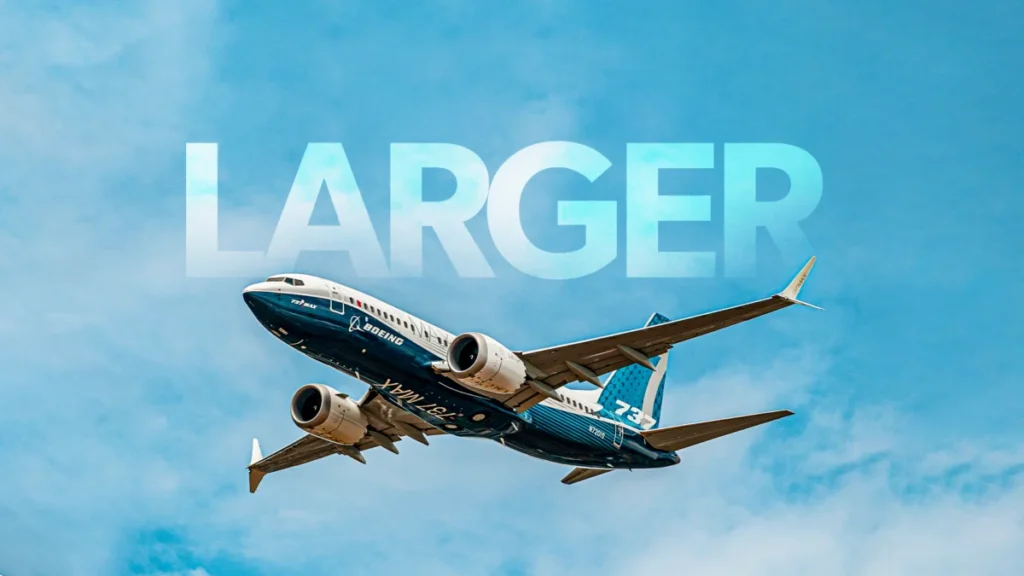
The Boeing 737 MAX 7 has officially received airworthiness certification from the Federal Aviation Administration (FAA), clearing the way for production to ramp up and allowing the modernized narrowbody to step into the shoes of the legacy 737-700 Next Generation. Beyond offering a modernized replacement featuring improved fuel efficiency and superior technology throughout its airframe, the MAX 7 is considerably larger than its predecessor. This notable size adjustment is the direct result of specific requests from the aircraft type’s most loyal and influential customer, Southwest Airlines.
Although the MAX 7 first took to the skies in March 2018, its path to commercial rollout stalled significantly following the widespread grounding of the 737 MAX fleet. Southwest Airlines holds between 237 and 264 firm orders for the Boeing 737 MAX 7, accounting for nearly 90% of the model’s entire order book. Because Southwest operates an exclusively 737-based fleet and stands as the world’s largest customer for the type, Boeing essentially custom-built the MAX 7’s stretched dimensions to prevent its primary partner from defecting to European rival Airbus.
Adding two rows of seats to the cabin lowers the aircraft’s cost per seat-mile, making the jet far more profitable on high-frequency domestic routes than a direct, un-stretched size-for-size replacement would have been. These modifications make the plane roughly six feet longer than the legacy 737-700 NG, while its wingspan remains nearly identical. However, the new iteration weighs more than 20,000 pounds heavier. Consequently, it boasts the longest range in the entire 737 MAX lineup, a benefit derived from its shorter, lighter airframe utilizing the wing, fuselage center, and gear of the larger 737 MAX 8.
How Southwest Forced Boeing To Redesign The 737 MAX 7
Boeing initially marketed the 737 MAX 7 as a direct, one-for-one replacement for the 737-700, maintaining nearly identical length, passenger capacity, and interior layout. However, the heavier CFM LEAP-1B engines added dead-weight drag without simultaneously increasing passenger capacity. As the launch customer whose massive, single-fleet 737 commitment gave it overwhelming market leverage, Southwest was unimpressed with the original proposal and threatened to defect to the clean-sheet Bombardier CSeries, which is now known as the Airbus A220-300. Southwest had joined other carriers, such as WestJet, in demanding lower seat-mile costs from the smallest member of the 737 MAX family.

In response to this pressure, Boeing scrapped the original blueprint it had debuted at the 2016 Farnborough International Airshow. The manufacturer stretched the fuselage by 76 inches, adding 30 inches forward of the wing box and 46 inches aft. That modification increased the MAX 7’s two-class capacity to 153 passengers. Paired with twin LEAP-1B turbofans and larger fuel tanks, the heavier airframe extended its unrefueled range to 3,850 nautical miles.
The redesigned cabin provided Southwest with a dozen additional revenue-generating seats on every single flight without requiring any expansion of the cockpit crew. Stretching the fuselage successfully brought the jet’s seat-mile costs down to competitive levels. While the 175-seat MAX 8 serves as Southwest’s workhorse on major trunk routes, it remains too large to fly profitably multiple times a day on thinner point-to-point routes or off-peak business schedules. Getting Boeing to stretch the MAX 7 gave Southwest Airbus A220-level capacity while preserving its 100% single-type fleet.
Resisting The Airbus A220: Why Southwest Stuck With An All-737 Fleet
Certification delays for the 737 MAX 7 left launch customer Southwest Airlines unable to build reliable schedules around its order book of roughly 300 jets intended to replace aging 737-700s. To ensure new aircraft kept arriving, Southwest converted large blocks of slots into 175-seat 737 MAX 8s. This created network imbalances as the larger jets flew half-empty on thinner routes, while 25-year-old 737-700s required increasingly costly structural overhauls to remain airworthy.
During these prolonged delays, Airbus recognized an opportunity and mounted a strong sales pitch for the clean-sheet A220-300. The A220-300 features carbon-fiber composite wings, aluminum-lithium fuselage panels, and Pratt & Whitney geared turbofans. Its operating empty weight is roughly 81,790 pounds, about 17,600 pounds lighter than Boeing’s all-metal MAX 7, resulting in significantly lower trip fuel burn on 130-seat missions.
Despite the compelling fuel efficiency of the A220-300, Southwest and Boeing ultimately resolved to preserve the carrier’s legendary 50-year single-fleet business model. Breaking its all-737 operational discipline to introduce an Airbus aircraft would have forced Southwest to establish separate pilot training pipelines, split spare-parts inventories, and sacrifice the crucial operational flexibility needed to swap aircraft seamlessly during weather disruptions and schedule irregularities.
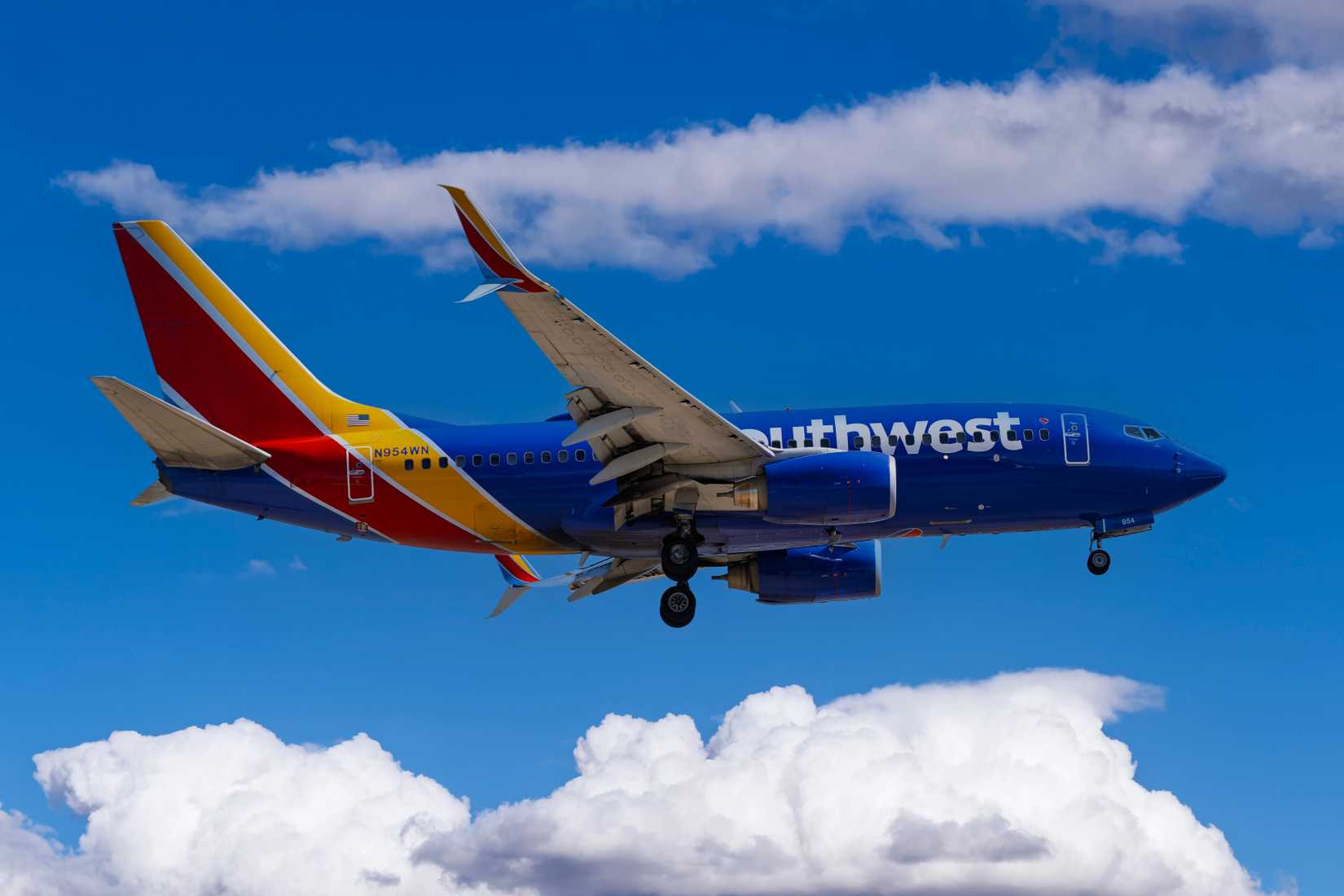
Boeing optimized the extended MAX 7 to leverage raw gross weight, range, and seating density to offset the structural advantages of the A220. The MAX 7 provided equivalent seat-mile economics while maintaining operational uniformity for all pilots, mechanics, and gate personnel across a single aircraft family. It achieved this by carrying up to 12 more passengers in high-density single-class layouts and traveling 400 nautical miles farther than the A220-300.
MAX 7 Versus MAX 8: How Each Jet Fits Southwest’s Flightline
Following its August FAA certification and a planned March 2027 passenger debut, the MAX 7 is set to take over missions from Southwest’s nearly 290 retiring 737-700s. Its smaller size relative to the MAX 8 means Southwest can offer multiple daily flights between mid-sized cities without cutting ticket prices simply to fill empty seats. The 150-seat-count cabin also enables the airline to operate with three flight attendants instead of four, lowering crew costs while carrying more passengers than its predecessor.
With over 340 jets already active in Southwest’s fleet, the MAX 8 handles high-demand routes connecting major focus cities such as Dallas, Denver, Las Vegas, Chicago Midway, and Baltimore. Offering 175 seats, it delivers the lowest cost per seat-mile in the fleet and maximizes revenue at slot-controlled or congested airports where adding extra daily flights is not feasible. Notably, the MAX 7 also handles challenging operating environments better than its larger sibling.
Pairing the lighter body of the MAX 7 with the wings, engines, and fuel tanks of the MAX 8 grants it superior climbing power and range. This makes the aircraft well-suited for serving fields with short runways, high-altitude airports, or long-haul trips to destinations in Hawaii and the Caribbean, where a heavier MAX 8 might otherwise be forced to leave passengers or baggage behind to take off safely with adequate fuel reserves.
How the MAX 7 Powers Southwest’s Shift Toward a New Model
Southwest’s recent transition from a traditional low-cost carrier into a more conventional, legacy-style airline was marked by the ending of its 54-year open-seating policy. The carrier has since added extra-legroom sections, introduced checked bag fees, and announced plans for airport lounges. This paradigm shift in the airline’s identity directly influences how the MAX 7 integrates into its broader network.
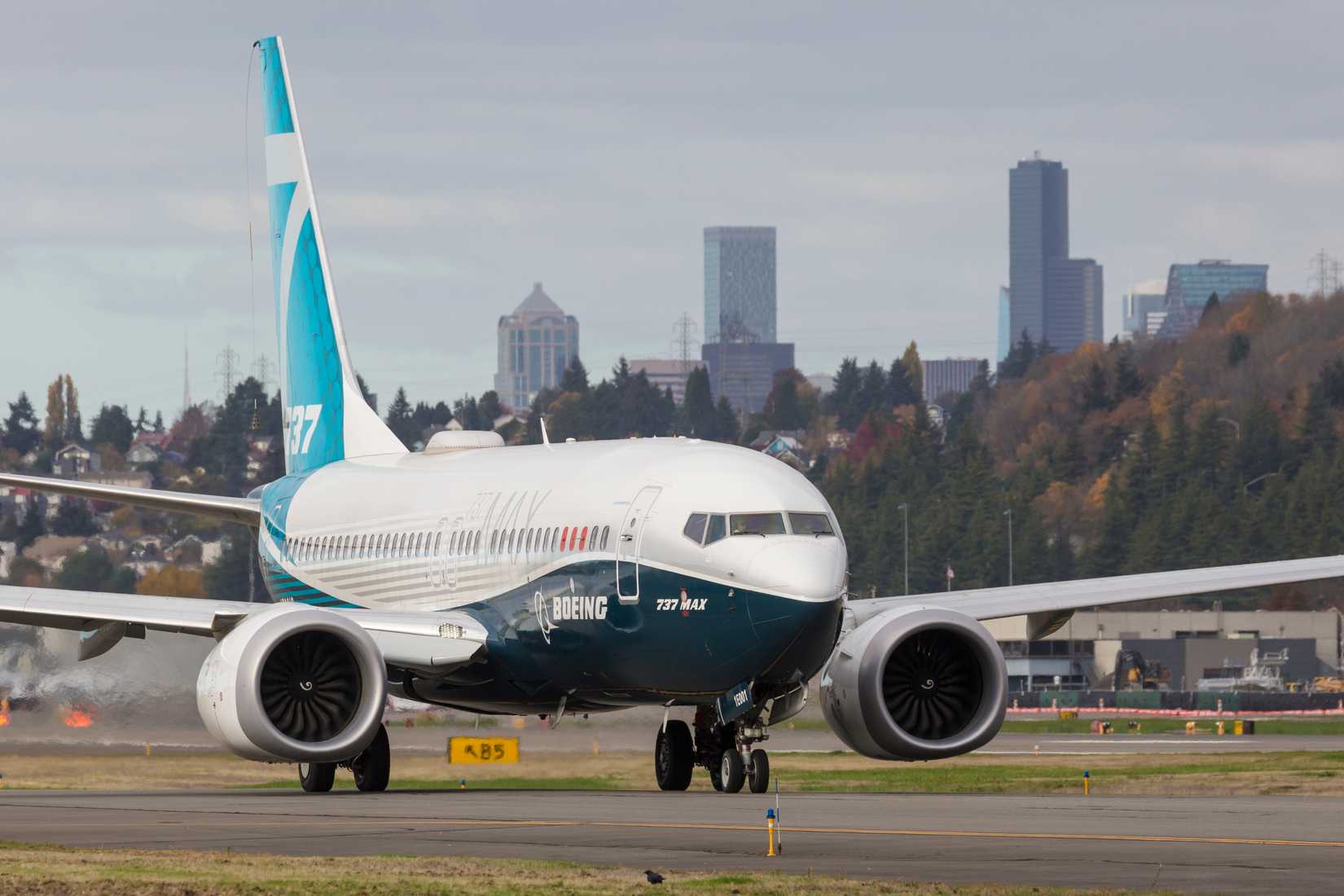
Operating a heavier jet alters the economic calculations governing Southwest’s schedule. Because airports base landing fees on aircraft weight, the 22,500-pound weight increase over the baseline 737-700 makes short, low-yield regional hops less profitable. To offset higher airport charges, Southwest must deploy the MAX 7 on longer routes where its fuel-saving engines and higher-priced extra-legroom seats generate sufficient revenue to cover the added weight penalty.
The design trade-offs of the MAX 7 provide Southwest with the cabin space, amenities, and long-haul capabilities needed to compete directly with legacy network carriers like Delta, United, and American Airlines. The stretched cabin allows the airline to carve out a dedicated extra-legroom section without sacrificing total seat count or adding a fourth flight attendant.
The MAX 7 equips Southwest with the right-sized tool to attract higher-spending business and leisure travelers. Even after Boeing delivers the initial aircraft in late 2026, Southwest will require approximately three months of ferry flights, maintenance checks, and FAA-monitored proving runs before carrying paying passengers in March 2027.
Clearing The Storage Lots: Boeing Ramps Up The MAX 7
Following extensive test flights across the western United States, the Federal Aviation Administration granted final certification for Boeing to begin full production of the MAX 7. Approximately 30 completed MAX 7 jets are preparing to depart long-term storage facilities to enter active service following the regulatory approval. Technicians are currently unwrapping those stored aircraft and installing anti-ice upgrades ahead of scheduled deliveries to Southwest, paving the way for commercial passenger flights in early 2027.
The MAX 7 units had remained parked at Boeing’s main plant while the manufacturer spent years clearing out a massive backlog of grounded MAX 8 and MAX 9 aircraft in Moses Lake, Washington. Simultaneously, mechanics have been reworking the parked inventory as Boeing overhauls its manufacturing footprint to build new MAX 7s alongside the remainder of the MAX family. Newly built MAX 7s are scheduled to begin rolling off the Renton assembly line for Southwest in February 2027.
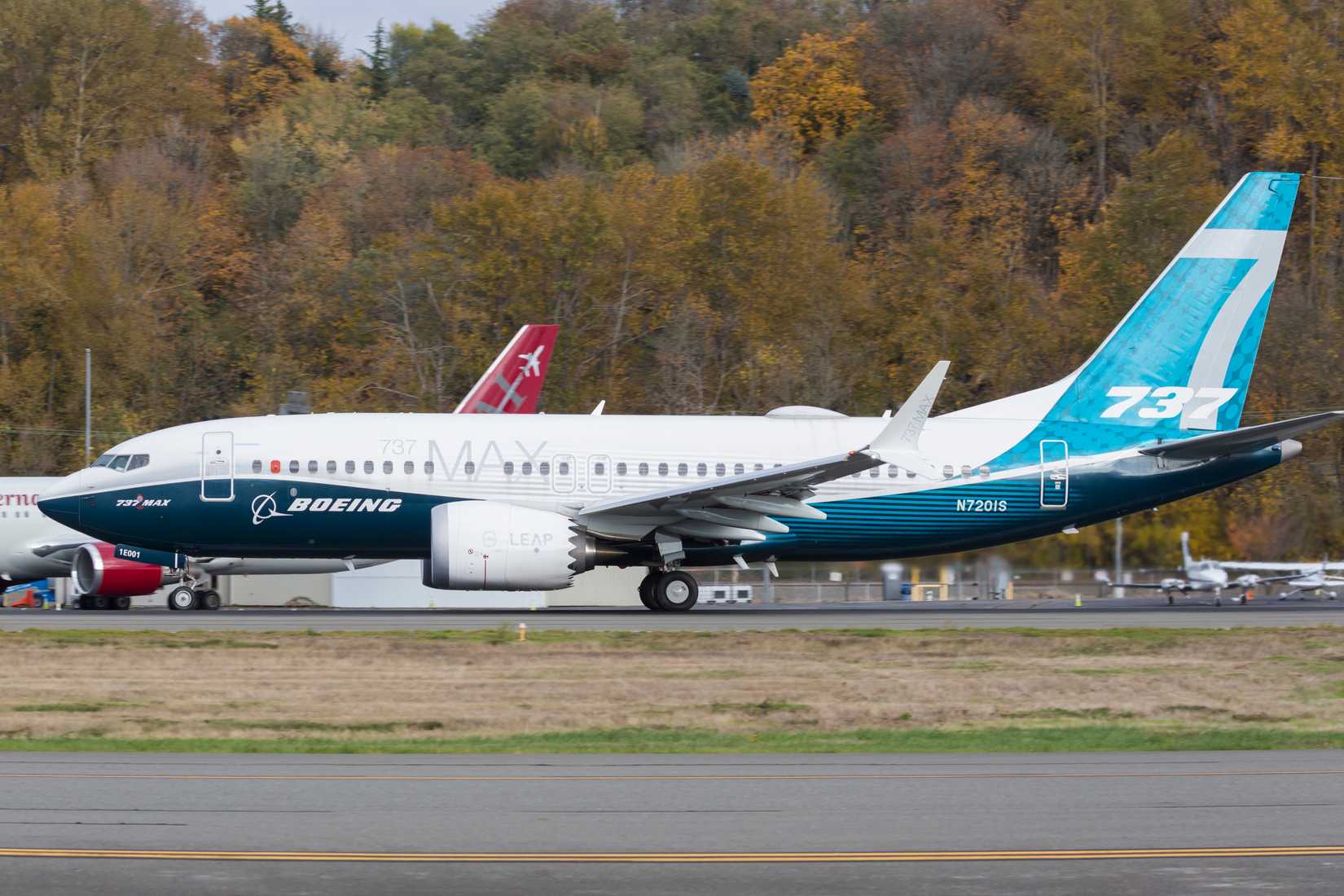
To break years-long supply-chain bottlenecks as it targets a production rate of 47 MAX jets per month, Boeing activated a fourth 737 assembly line known as the North Line. However, the progress of the MAX 7 has also drawn sharp industry focus toward the largest member of the family, the 737 MAX 10. While Southwest anchors the MAX 7 order book with more than 300 orders stretching through 2031, major network carriers including United, Delta, and WestJet are counting on the 230-seat MAX 10 to challenge the Airbus A321neo on high-capacity routes worldwide.
Despite this demand, the stretched flagship remains mired in regulatory review regarding flight management software refinements, unique telescoping landing gear, and strict cockpit alerting standards. Until the FAA signs off on those final design modifications, airlines across North America must wait to see if Boeing can successfully resolve the final logjam in the MAX lineup and conclude its prolonged narrowbody certification saga.
Related News