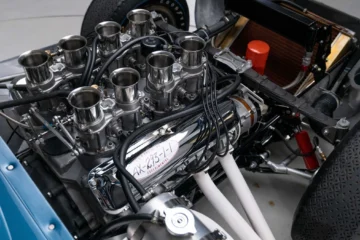
Formula 1 Set to Bring Back Roaring V-8 Engines by 2030, Signaling Major Shift in Sound and Power
Article Editorial Team
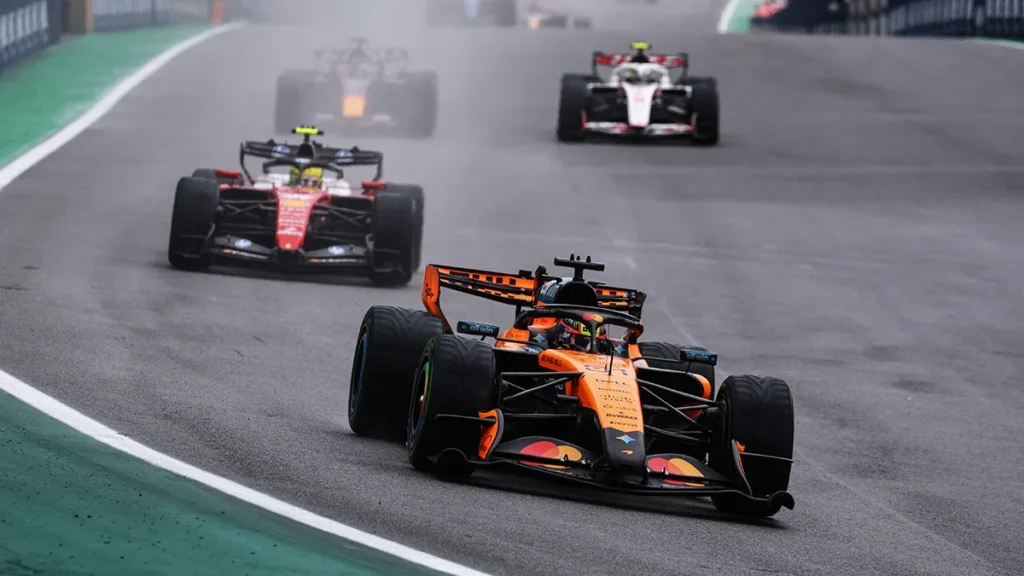
Prepare for Formula 1 to get a lot louder come the turn of the decade. Motorsport’s premier global competition looks set to welcome back the iconic V-8 engine by the year 2030. While no formal and binding official announcement has been etched into the regulations quite yet, key stakeholders, executives, and team personnel deeply involved in the championship are already taking the high-revving mill’s return as an absolute given.
The momentum behind the potential seismic shift gathered significant pace during a crucial series of high-level meetings. Representatives for Formula 1’s five current power unit manufacturers—Audi, Ferrari, Honda, Mercedes, and Red Bull-Ford—converged with officials from the competition’s overarching ruling body, the Fédération Internationale de l’Automobile, commonly known as the FIA. According to reports from The Athletic, this targeted summit followed hot on the heels of another comprehensive gathering that involved all 11 competing Formula 1 teams, ensuring that every faction within the paddock had a voice in the ongoing powertrain discussions.
The internal optimism quickly spilled over into the public eye when FIA President Mohammed Ben Sulayem took to social media. Publishing a vivid audio clip of a screaming, naturally aspirated eight-cylinder engine on his official channels, Ben Sulayem accompanied the post with a direct and telling caption: “You spoke, we listened. [V-8s] coming soon…”

Expect resounding cheers from Formula 1’s massive, ever-expanding global fan base when a definitive, official announcement is finally ratified. Formula 1 cars have relied on complex turbocharged V-6 hybrid powertrains since the sweeping regulation changes introduced ahead of the 2014 season. While those power units were engineered to showcase road-relevant efficiency and cutting-edge energy recovery systems, the setup has persistently struggled to win over the diehard purists who watch every Grand Prix. Many of these devoted spectators have spent more than a decade mourning the loss of the soul-stirring engine roar that defined the sport’s earlier, high-decibel eras.
Although governing bodies and engineers made subtle adjustments to the underlying technology ahead of the current season—and additional technical tweaks are already planned for the upcoming 2017 campaign—the electrified hybrid V-6 units have remained broadly unpopular among traditional followers.
As it turns out, the fans are not the only ones exhilarated by the prospective return of V-8 power. Formula 1 drivers, who have frequently voiced their frustrations with the current hybrid V-6 regulations, are welcoming the prospect with open arms. The current generation of power units has occasionally drawn sharp criticism from the grid for their heavy reliance on fuel management, complex torque delivery curves, and subdued acoustic profiles.
Speaking to reporters ahead of the Las Vegas Grand Prix, McLaren driver Oscar Piastri shared his enthusiasm for the shifting landscape. “I don’t know if they’ll be exactly like the engines that I grew up watching necessarily, but it’s great that we’ve been listened to,” Piastri remarked, highlighting a rare moment of genuine alignment between the sport’s governing administration and the athletes behind the wheel.

Ferrari star Lewis Hamilton, who stands as one of just five drivers on the current grid who actually raced during Formula 1’s last V-8 era prior to 2014, offered a similarly supportive, albeit cautiously optimistic, perspective. Ahead of the high-stakes weekend in Nevada, Hamilton reflected on what has been missing from the cockpit for well over a decade. “I think the return of a great engine sound is something we’ve been missing since we entered the V-6 era,” Hamilton noted, emphasizing the emotional and sensory impact that signature engine notes bring to the pinnacle of motorsport.
Naturally, plenty of intricate technical details still need to be hammered out before any engines fire up in anger on a race weekend in 2030. The historical context of the sport reveals distinct differences in how these powerplants are constructed. The final generation of V-8 engines utilized in Formula 1 prior to the 2014 regulatory overhaul were entirely naturally aspirated, much like the legendary V-10 and V-12 power units that predated them.
However, the automotive and motorsport landscapes have evolved dramatically, meaning the next generation of eight-cylinder mills will not simply be a carbon copy of the past. Industry insiders indicate that manufacturers are heavily favoring the integration of a small, electrified hybrid system into the new V-8 architecture. This approach would draw philosophical parallels to the advanced auxiliary hybrid systems utilized by modern high-performance road cars, balancing the raw acoustic drama and throttle response demanded by fans and drivers with the sustainability mandates required by modern automotive manufacturers.
As the calendar marches closer to 2030, the motorsport world will undoubtedly keep a close watch on the FIA and engine manufacturers as they finalize the regulatory framework for the next decade of racing.
Related News