Jim Beam Extends Production Pause at Historic Clermont Distillery Through 2027 Amid Ongoing Whiskey Market Correction
Article Editorial Team
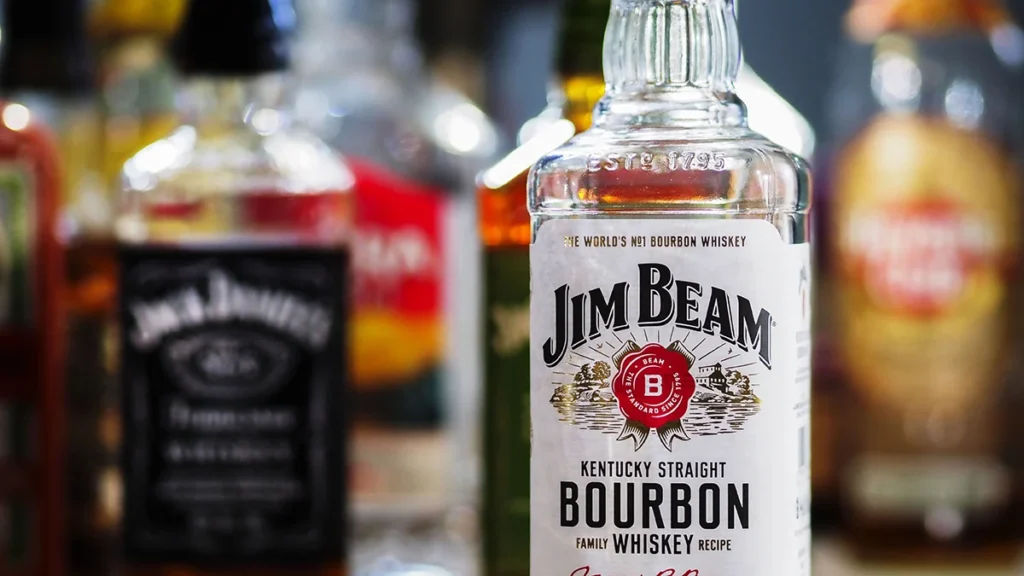
The James B. Beam Distilling Co., home to one of the most recognizable and enduring names in American whiskey, is keeping the stills quiet at one of its foundational production sites a little bit longer. Following an initial decision made late last year to halt operations at its historic Clermont, Kentucky distillery through 2026, corporate leadership has confirmed that the pause will extend through the entirety of 2027. With shifting market dynamics across the global
spirits industry failing to rebound at the pace once anticipated, the company has opted to maintain its current production posture, leaving the exact timeline for a full operational restart open-ended.
The update regarding the extended shutdown was first brought to light following an interview with industry executives published in the Lexington Herald-Leader. Greg Hughes, the president and CEO of Suntory Global Spirits, the parent company of Jim Beam, addressed the ongoing adjustments within the brand’s expansive Kentucky distilling footprint. While confirming that large-scale distillation at the historic Clermont campus remains on hold, Hughes emphasized that the site continues to play a vital and active role in the company’s daily operations, functioning as a hub for aging, visitor engagement, and craft-scale innovation rather than mass-volume production.
The decision reflects a broader, industry-wide recalibration after years of unprecedented, explosive growth in the American bourbon and whiskey sectors. During the pandemic and the years immediately following, distillers across Kentucky and beyond raced to scale up production to meet soaring global demand. However, as consumer buying patterns normalized, inflationary pressures shifted discretionary spending, and distributor inventories caught up with actual consumption, many major spirits producers found themselves contending with a significant market correction. Rather than continuing to flood the market with excess inventory, major players have steadily pivoted toward supply chain optimization, inventory management, and strategic pauses to allow maturation stocks to balance out.
Despite the halt in large-scale production at Clermont, the campus itself is far from dormant. The historic location remains a cornerstone of the Jim Beam visitor experience, housing the brand’s prominent public visitor center, tasting rooms, dining facilities, and aging warehouses that shelter millions of gallons of maturing bourbon. Furthermore, small-scale craft distillation has not entirely ceased at the property. The newer Fred B. Noe Distillery—named in honor of the company’s seventh-generation master distiller—continues to operate on a reduced, specialized scale. This localized production unit is dedicated to crafting smaller-batch, ultra-premium expressions within the broader portfolio, including specialized runs for renowned labels such as Knob Creek, Little Book, and Booker’s.

At the same time, the heavier lifting of the brand’s core production needs has been successfully shifted elsewhere within the company’s regional network. The vast majority of standard Jim Beam production is currently concentrated at the Boston, Kentucky campus, home to the state-of-the-art Booker Noe Distillery. Recognized as one of the largest and most environmentally sustainable distilling facilities in the world, the Boston plant underwent a massive infrastructure expansion a few years prior to the current market downturn, increasing its overall capacity by roughly 50 percent. According to company statements, this high-tech facility allows the brand to maintain the exact quality, flavor profile, and consistency that consumers have come to expect, all while maximizing the efficiency of its manufacturing footprint in Kentucky.
Representatives for Jim Beam reinforced this strategic approach in an official statement addressing the extended timeline at Clermont. The company noted that leveraging its largest and most advanced facility enables the brand to navigate current market conditions responsibly while protecting the integrity of its core products. Additionally, corporate leadership pointed out that the temporary halt in high-volume distillation at Clermont is being utilized as an opportunity to perform crucial behind-the-scenes work. Crews are actively advancing targeted infrastructure improvements and facility upgrades across the historic grounds, designed to enhance long-term operational reliability, safety, and quality standards for decades to come.
Jim Beam is far from alone in making the difficult financial and operational choice to dial back output. The past year has seen a wave of similar production cutbacks and temporary shutdowns sweep across the American whiskey, Scotch, and Irish whiskey landscapes as major multinational conglomerates and independent heritage producers alike adjust to a cooling global market. Industry giants such as Diageo have scaled back operations at facilities like Cascade Hollow and Balcones, while Brown-Forman has implemented production pauses at international and domestic sites including Slane Irish Whiskey and the Glenglassaugh Scotch distillery. Other prominent names, including the rebranded Sempreon (formerly MGP) across its Lux Row and Limestone Branch operations, as well as the Bardstown Bourbon Company, have likewise navigated the softening market by dialing back distillation volumes to better align supply with realistic long-term demand.
Even as traditional, high-volume bourbon production sees strategic retrenchment, spirits producers continue to look for avenues of innovation and consumer acquisition that remain resilient in a shifting economic climate. For Jim Beam, that ongoing strategy includes targeted investments in flavored whiskey categories, which have continued to demonstrate commercial viability and steady consumer appeal. Highlighting this approach, the company announced the upcoming release of Jim Beam Strawberry, slated for early 2027 rollout. Company leadership believes that flavor-forward extensions serve an essential purpose within the broader brand ecosystem by lowering the barrier to entry for casual consumers. These approachable profiles often act as a welcoming gateway for new demographic cohorts, who eventually explore and migrate toward the core, traditional bourbon portfolio over time.
As the spirits industry continues to navigate the complexities of post-boom market stabilization, stakeholders across Kentucky and the broader beverage alcohol sector are keeping a close eye on inventory trends, consumer spending shifts, and corporate production strategies. For now, Jim Beam remains committed to its balanced operational model—relying on the robust capacity of its Boston facility for primary volume, maintaining artisanal production and tourism at Clermont, and making the necessary long-term infrastructure investments to weather the current market cycle. Corporate leadership and industry analysts alike will continue to monitor economic indicators to determine when the stills at Clermont might eventually resume full-scale production.
Related News