Discovering the Isles of Scilly: An Ultimate Guide to Cornwall’s Atlantic Archipelago
Article Editorial Team
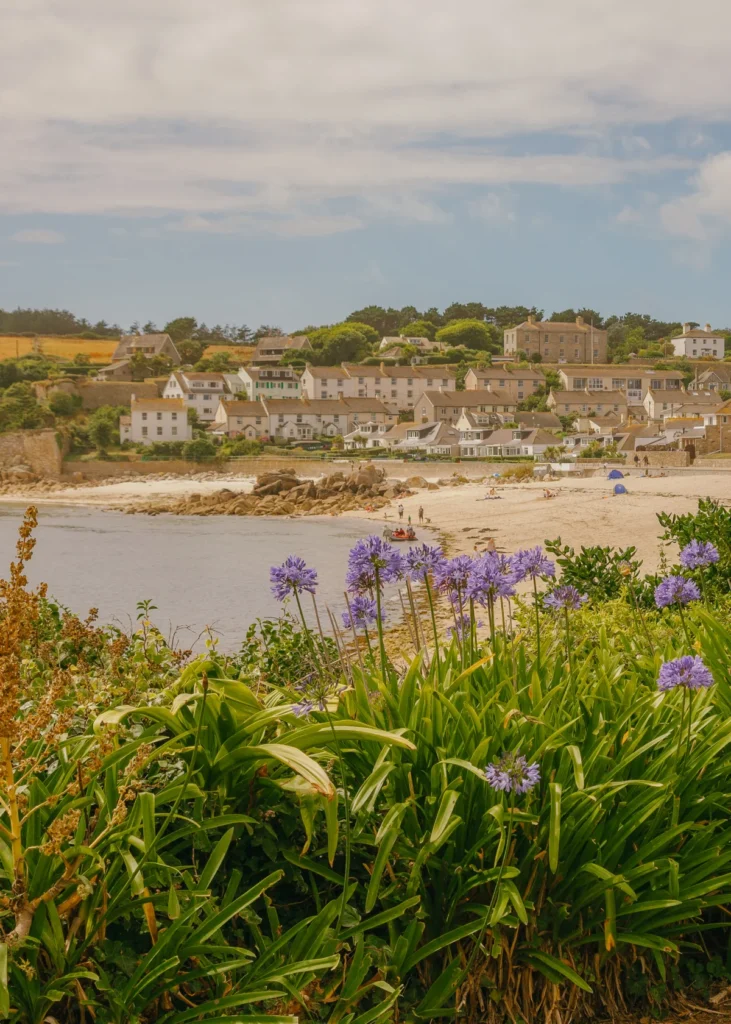
Perched approximately 30 miles off the dramatic coastline of Cornwall, the Isles of Scilly offer a picturesque and stunning escape that feels worlds away from the British mainland. Thanks to the warming influence of the Gulf Stream and the Atlantic Drift, this magical archipelago benefits from milder waters and a uniquely temperate climate, making it an extraordinary destination for travellers seeking natural beauty without needing to travel across continents.

For many first-time visitors, navigating the sheer variety of islands and deciding where to focus their time can be a delightful challenge. Having spent extensive time exploring the length and breadth of the Isles of Scilly, seasoned travellers and visitors alike find that each island possesses its own distinct character, rich history, and coastal charm.

How to Get to the Isles of Scilly
Reaching the archipelago is straightforward, with a few well-established travel options available. The most convenient route for many is via the SkyBus flights, which land directly on St Mary’s Island. Passengers can catch these regular flights from airports including Exeter, Land’s End, and Newquay, offering a swift and scenic journey where even dogs are welcome onboard.

Alternatively, visitors can make their way to the far tip of western Cornwall and board the Scillonian Ferry from Penzance. The crossing typically takes between two and a half and three hours, depending on prevailing sea and weather conditions. While the ferry offers a traditional maritime arrival, travellers should be prepared for potentially choppy waters on particularly windy days. Once ashore, navigating between the various islands is made seamless by a network of local water taxis and scheduled boat services.

1.) St Agnes and Porth Conger
As the southernmost populated island in the Isles of Scilly, St Agnes is a charming location ideal for a day excursion. Easily reached via water taxi and scheduled boat stops from neighbouring islands—with schedules varying according to seasonal and tidal changes—visitors typically dock at Porth Conger Quay before setting out to explore the island’s scenic landscapes.

Arriving around lunchtime presents a perfect opportunity to visit the Turk’s Head, a traditional local pub boasting an exceptional beer garden and decked area with panoramic views. Recognized as the southernmost pub in the entire British Isles, it is a landmark that cannot be missed during a stay on St Agnes. A short stroll through the compact settlement reveals quiet spots to relax and a remarkably picturesque local post office where visitors can purchase souvenirs and mail postcards. Further exploration along New Lane brings visitors to the Coastguards Lookout café for a warm cup of tea, alongside glimpses of the historic St Agnes Lighthouse and St Agnes Church. Additionally, St Agnes is connected to the neighbouring unpopulated island of Gugh by a natural sandy bar, allowing visitors to walk across with ease at appropriate tides.

2.) St Mary’s and Hugh Town
It is nearly inevitable that any trip to the archipelago will include St Mary’s Island, as it serves as the primary commercial centre, transport hub, and home to both the local airport and ferry port. Despite functioning as the busiest hub in the Isles of Scilly, St Mary’s retains the peaceful atmosphere of a quaint small town.

Upon arriving at Hugh Town, visitors frequently rent golf carts from local providers such as Scilly Carts to easily navigate the country roads and explore the wider island at their own pace. A short drive or walk leads to the historic St Mary’s Garrison Walls, a fortification managed by English Heritage that offers free entry and a fascinating glimpse into the military history of the islands within a brief 25-minute walk.

For those seeking coastal relaxation, Porthcressa Beach sits right on the edge of Hugh Town, offering shallow waters and pristine white sands ideal for a refreshing swim. Further meandering across the island’s roads leads to notable landmarks such as Peninnis Head, Porth Hellick, and the ancient Down Burial Chamber. When it is time to dine, venues like Juliet’s Garden Restaurant provide a scenic setting to enjoy local dishes, including freshly prepared scallops.

4.) St Martin’s
For travellers seeking a low-key atmosphere away from the busier hubs, St Martin’s offers a tranquil retreat. Small ferry boats regularly transport visitors to the island, docking at Higher Town before giving way to peaceful coastal rambling.

Higher Town Bay provides an easily accessible shoreline close to the quay. While exploring the island, visitors often stop to enjoy freshly fried local fish and chips drizzled with vinegar from Adam’s fish and chips stand. St Martin’s is also home to the St Martin’s Vineyard and Winery, providing an unexpected local producer for tastings. Further along the coast, Great Bay Beach offers a stunning expanse of sand, while local providers offer kayak rentals for traversing the shallow waters. A popular community fixture is The Seven Stones Inn, a welcoming local pub serving Cornish brews and traditional pasties.

5.) Porthcressa Beach
While Porthcressa Beach is situated conveniently right off the streets of Hugh Town on St Mary’s Island, its accessibility and natural beauty make it worthy of individual recognition. On a bright summer day, the beach provides an ideal location for swimming, sunbathing on the fine sand, and enjoying lunch at nearby establishments such as Dibble and Grub, known for its local sandwiches and cocktails.

6.) Peninnis Lighthouse
Located just a short distance from Porthcressa Beach on St Mary’s Island, the Peninnis Lighthouse area offers a dramatic coastal landscape that is best explored on foot. The surrounding headland provides a scenic walking route, particularly during sunset, allowing visitors to take in the rugged granite coastline and sweeping Atlantic views.

7.) Tresco Abbey Garden
Tresco Abbey Garden stands as one of the most famous and distinctive horticultural attractions in the Isles of Scilly. Benefiting directly from the microclimate created by the Gulf Stream, the garden flourishes with exotic plants, trees, and flowers gathered from across European geographic regions. Maintained as a lush, peaceful sanctuary on Tresco Island, the grounds invite visitors to spend a couple of hours strolling along the terraced pathways amidst historical abbey ruins.

8.) Tresco Island
Beyond its famous gardens, Tresco Island offers a tranquil multi-day retreat with quiet village lanes, cycling paths, and a network of honesty boxes offering local eggs, crafts, and artwork. On the northern shores of the island stand the ruins of Cromwell’s Castle and King Charles’s Castle, providing historical sites to explore alongside the rugged coastline. The village of New Grimsby, situated near the local quay, features the New Inn, a traditional English pub that serves local meals throughout the week.

9.) Innisidgen Lower and Upper Burial Chambers
History enthusiasts visiting the northern side of St Mary’s Island can explore the Innisidgen Lower and Upper Burial Chambers. Maintained as free-to-enter historic sites, these ancient megalithic structures date back as far as 2,500 BC, standing as a testament to the archipelago’s prehistoric inhabitants. Nearby, the Bant’s Carn Burial Chamber and Halangy Down Ancient Village offer further insight into ancient settlement life, requiring only a brief stop for travellers navigating the island.

10.) Bryher Island
Lying just off the coast of Tresco, Bryher is a small, peaceful island characterized by rugged coastlines and dramatic scenery. Arriving at Church Quay, visitors can easily traverse the island on foot, stopping at local spots such as Richard Pearce’s Artist Studio to view landscape paintings. The coastline also leads to Fraggle Rock and the Harbour View café, which features a beer garden overlooking the water for visitors to enjoy during warmer weather.

11.) Teän Island
Positioned just shy of St Martin’s Island, Teän is an unpopulated island that offers completely untouched and unspoilt beaches for travellers looking to escape populated areas. Because the island has no shops or facilities, visitors planning a trip must arrive fully prepared with adequate water, food, and sun protection before walking up Great Hill to take in the regional views.

12.) Gugh Island
Connected directly to St Agnes Island by a narrow natural sandy bar, the island of Gugh is virtually unpopulated save for a single working farm. Visitors can easily walk the entirety of the tranquil island in less than an hour. The landscape is also home to the Old Man of Gugh, a solitary monolith dating back to the Bronze Age that remains a prominent historical landmark visible across the southern waters of the archipelago.
Related News