Navigating Modern Air Travel Disruptions: Essential Strategies for Flight Delays
Article Editorial Team
Flight delays remain an unfortunate and increasingly realistic possibility for modern air travelers, presenting logistical challenges that range from minor inconveniences to day-long ordeals. While some disruptions are fairly predictable—such as when severe meteorological conditions are forecast across a wide regional area—others are far more elusive. Mechanical failures, shifting logistics, and air traffic control restrictions can materialize with little warning, upending carefully laid travel itineraries. Understanding how these disruptions occur and knowing how to respond effectively can significantly mitigate the stress of a delayed journey.
Mitigating the impact of potential delays begins long before a traveler ever sets foot inside an airport terminal. Experts advise booking flights with unexpected disruptions firmly in mind, which includes building generous buffers into travel schedules. While external conditions remain entirely outside of a passenger’s control, leaving extra time between connecting flights and spacing out important appointments can make a profound difference when things go awry. Experienced travelers frequently advocate for arriving at a cruise embarkation port or destination city at least a full day in advance, ensuring that a standard delay will not result in missing a departure. Similarly, avoiding time-sensitive commitments like concerts or sporting events on the scheduled day of arrival provides a vital safety net.
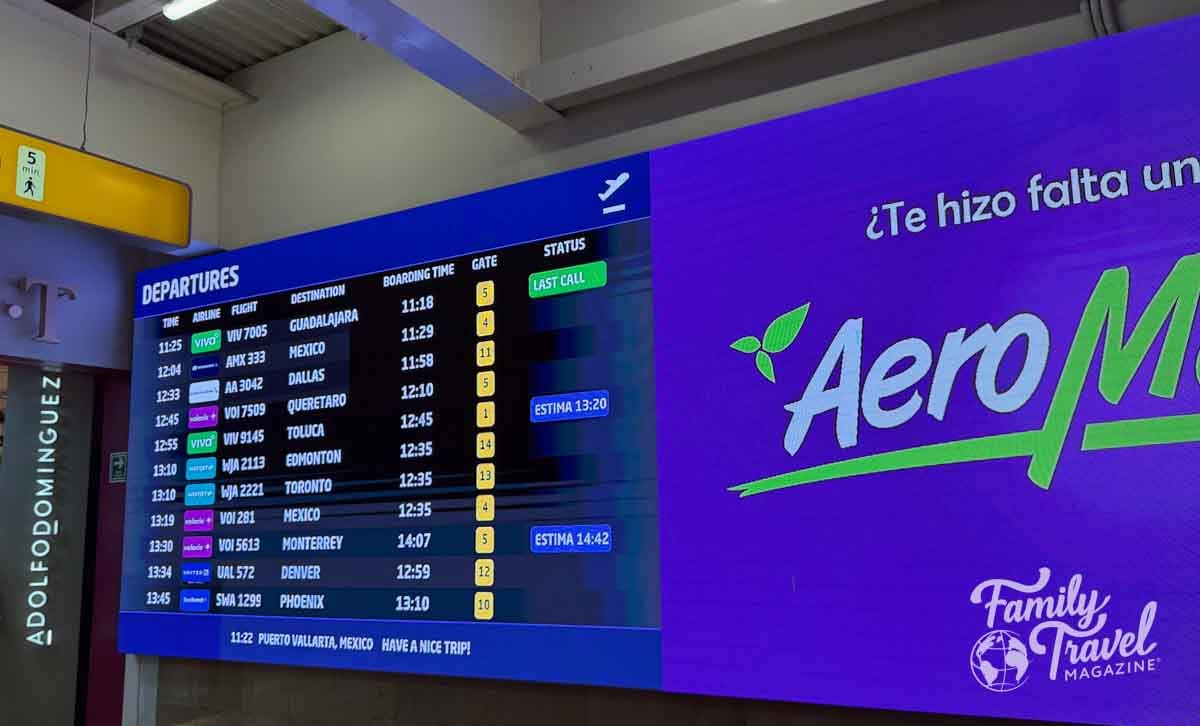
Information is perhaps the single most valuable currency when a flight is disrupted, making proactive tracking essential for modern passengers. Travelers are encouraged to provide airlines with up-to-date contact information to ensure they receive immediate text messages and email notifications regarding gate changes, delays, or cancellations. Furthermore, downloading the official airline mobile application, logging in, and linking the specific reservation ensures that push notifications are delivered straight to a mobile device, provided system permissions are enabled. Beyond official airline channels, seasoned flyers often rely on specialized third-party tracking applications like Flighty and TripIt. By centralizing itinerary data, these platforms frequently provide actionable intelligence regarding ground stops or inbound aircraft delays well before airline crews or terminal monitors are officially updated.
Weather remains one of the most prominent catalysts for air travel disruptions, particularly during winter months or storm seasons. Even when local boarding appears unaffected, routine safety protocols such as aircraft de-icing can introduce unexpected schedule compression. Travelers benefit from monitoring forecasts at both their departure point and final destination, as widespread meteorological events often prompt airlines to issue travel waivers that suspend standard change and cancellation fees. When flexibility permits, keeping an eye on these forecasts allows passengers to proactively adjust their travel windows.

The root causes of flight delays generally fall into distinct categories, each presenting its own set of rules for how passengers should respond. Air traffic control delays, for instance, are notoriously difficult to predict and entirely outside the operational control of commercial carriers. Because air traffic management directives can shift dynamically at a moment’s notice, passengers facing an air traffic control hold are strongly advised to remain in close proximity to their boarding gate. Staying nearby ensures that travelers are ready if the flight status is suddenly pulled back and the departure time is moved forward.
Mechanical issues represent another unpredictable hurdle that can ripple through an airline’s schedule, sometimes compounding delays accumulated earlier in the day even after the specific technical fault has been officially cleared. These issues range from minor cosmetic discrepancies, such as inoperable overhead storage bins or seat adjustments, to complex maintenance requirements that necessitate replacement parts being flown in from alternate locations. When mechanical delays occur, passengers should monitor terminal announcements closely; extended maintenance windows often grant travelers the flexibility to step away from the immediate gate area. Notably, mechanical issues are also the scenario where passengers are most frequently entitled to meal and hotel vouchers from the carrier.
Weather-related delays, conversely, offer a degree of predictability through meteorological monitoring, though downstream consequences can still catch travelers off guard. Adverse weather in entirely separate regions of the country can disrupt the rotation of incoming aircraft, creating delays even when local skies are clear. In these instances, listening for projected timeline updates helps passengers gauge whether an aircraft is simply catching up on its inbound rotation. Additional disruptions can also stem from crew scheduling conflicts, computerized system malfunctions, or medical emergencies on board preceding flights.
When delays strike before a passenger leaves for the airport, maintaining vigilance via flight tracking software allows travelers to monitor the exact geographical location of their inbound aircraft. While some delays necessitate arriving at the terminal on schedule due to the fluid nature of airline operations, others allow for a delayed departure from home. Travelers holding connecting itineraries should immediately evaluate whether a delay threatens their connection, contacting the airline’s customer service channels as early as possible to secure the widest array of rescheduling options.

Once at the airport, passengers should immediately clarify the specific nature of the delay with gate agents. If an itinerary includes a tight connection that appears compromised by the delay, travelers should simultaneously approach the airline’s airport help desk and place a call to the customer service hotline. Operating phone lines while waiting in a physical service queue frequently allows passengers to reach a representative faster, maximizing their chances of securing alternative routing.
During prolonged delays, passengers generally face an extended waiting period. For overnight disruptions, requesting a hotel voucher from the airline is a standard recourse, though carriers are typically exempt from providing accommodations when delays are caused by severe weather. To cope with lengthy terminal stays, some travelers utilize day-stay airport hotels, which provide private rooms, beds, and access to amenities like fitness centers or pools for a fixed number of hours—an option particularly beneficial for families traveling with young children. While screen-time limits may be relaxed during extended airport waits, packing portable power chargers and ensuring carry-on bags are well-stocked with essential supplies remains critical.
Finally, travelers frequently weigh the merits of purchasing independent travel insurance policies to safeguard their journeys. Comprehensive coverage can assist in reimbursing additional out-of-pocket expenses not absorbed by the airline, such as emergency lodging, meals, and costs associated with lost or delayed luggage. Reviewing specific policy terms, keeping emergency assistance numbers accessible, and meticulously retaining all receipts ensures that travelers are adequately prepared to navigate the financial complexities of unexpected flight disruptions.
Related News