How Boeing’s Stretched 747-8 Retained Two Crucial Records Against Airbus’s Massive A380 Superjumbo
Article Editorial Team
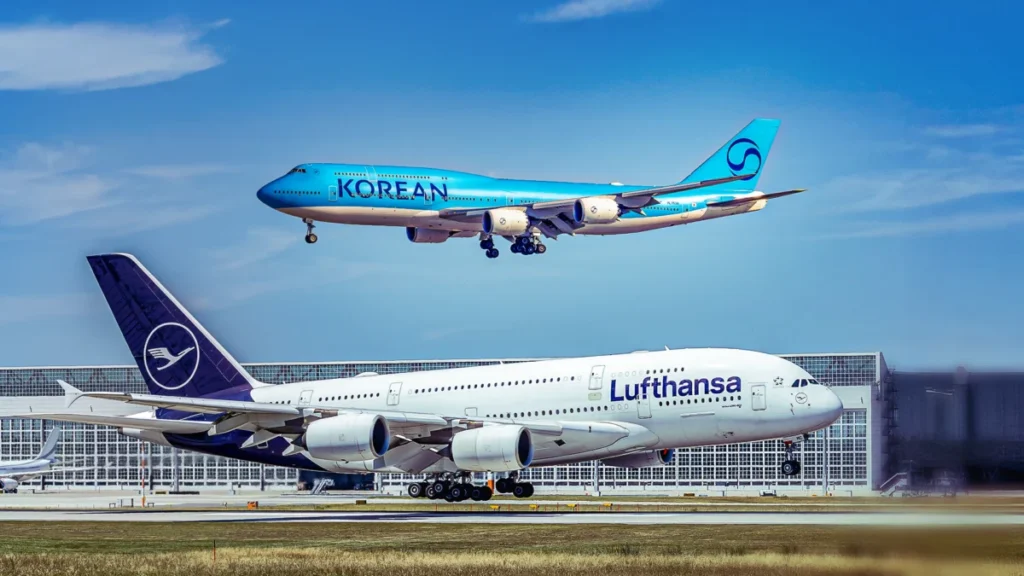
When the Airbus A380 made its grand entrance onto the global aviation stage, it fundamentally reshaped the landscape of commercial aviation, historically dethroning Boeing as the reigning champion of big jet builders. That historic shift, however, came with a series of vital caveats. It is undeniably true that the European superjumbo easily outperforms the classic Boeing 747 in wingspan, overall height, gross weight, and maximum passenger capacity. Yet, the long-reigning "queen of the skies" was far from rendered irrelevant overnight.
Boeing chose not to respond to the European challenge with a brand-new, clean-sheet double-decker aircraft. Instead, the American manufacturer opted to stretch its legendary, classic 747 design into a modern iteration known as the 747-8 Intercontinental. Featuring two full passenger decks running continuously from nose to tail, the Airbus superjumbo initially dwarfed every conceivable competitor across nearly every major physical metric, including wingspan, tail height, weight, and overall seating capacity. On paper, it appeared as though Airbus had cleanly swept every major size and performance record in the history of commercial aviation.
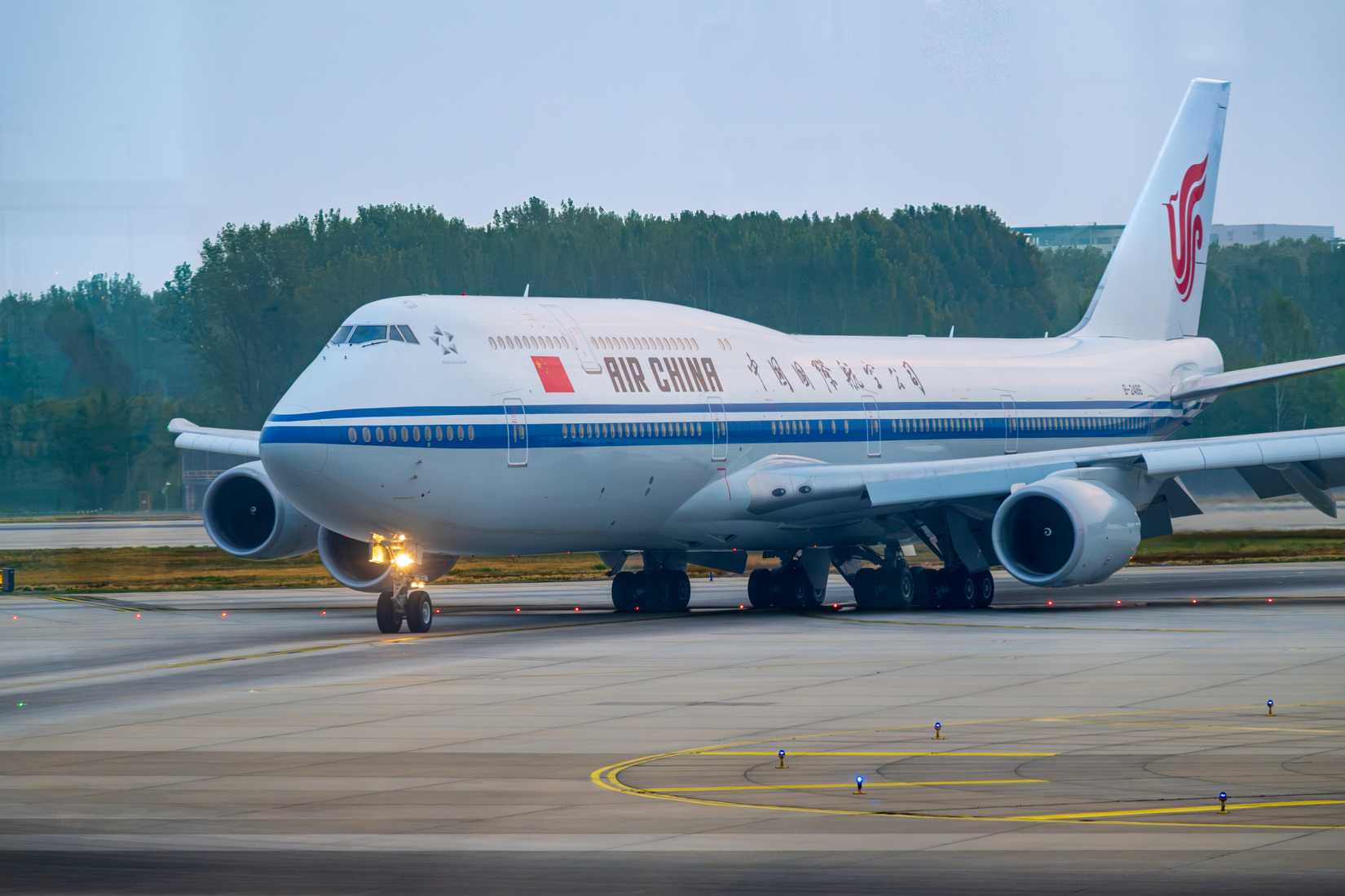
However, while the Boeing jet carried fewer passengers and weighed hundreds of thousands of pounds less than its European rival, it quietly held onto two major world records that the massive A380 could never take away. First, by strategically extending the fuselage, Boeing made the 747-8 the longest airliner currently in active service, measuring an impressive 250 feet and 2 inches from nose to tail.
This engineering feat made the American flagship more than 11 feet longer than the Airbus A380. Second, thanks to its sharply swept wings and modern, high-bypass engines, the 747-8 cruises at Mach 0.855, translating to roughly 567 miles per hour at high altitude. This slight edge successfully outpaces the A380’s Mach 0.85 cruising pace, allowing the Boeing flagship to proudly claim the title of the fastest commercial jetliner flying today.
How a Stretched Fuselage Outmaneuvered Airport Gate Limits
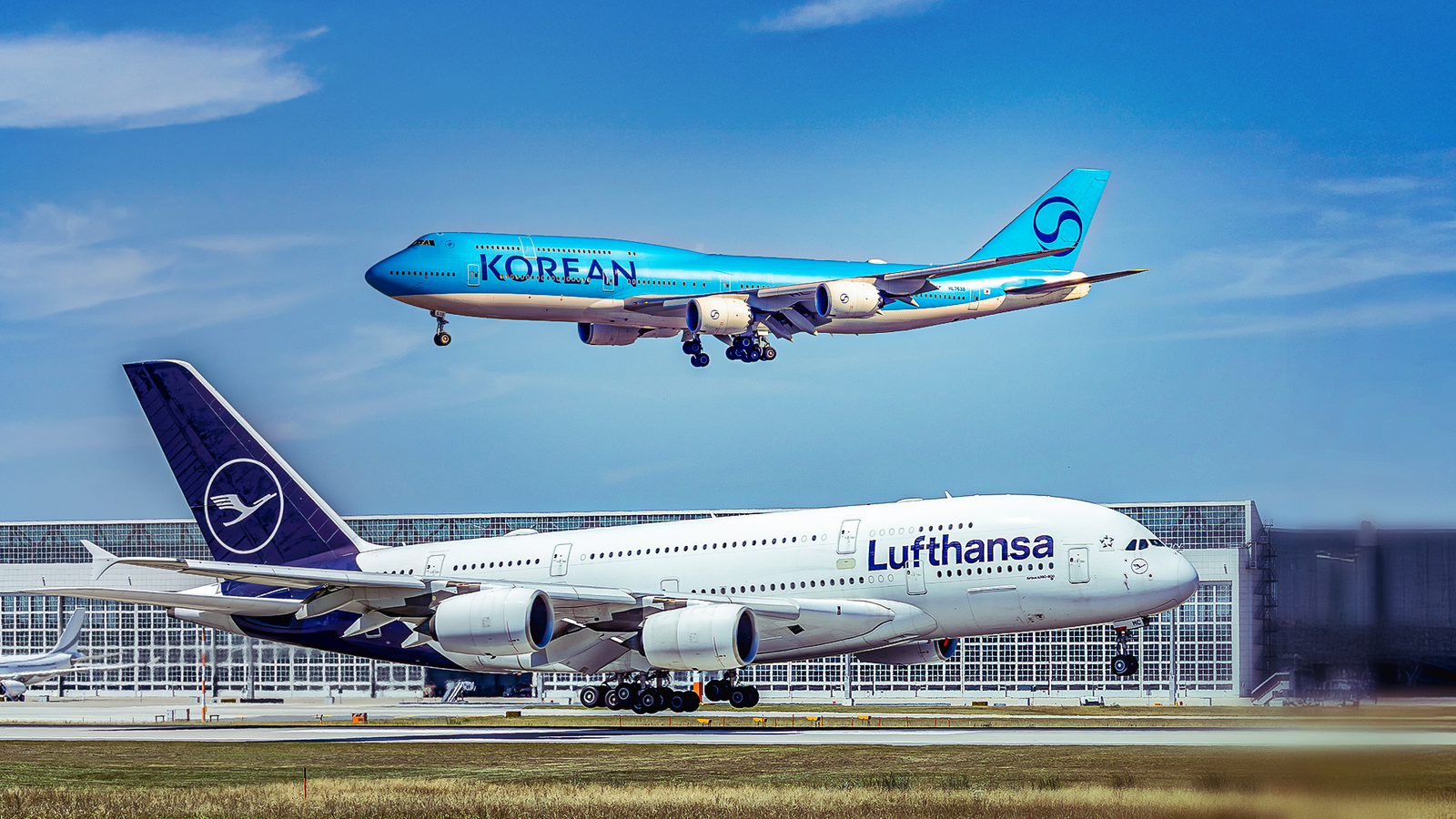
For one critical and pragmatic reason—airport gate compatibility—Boeing ultimately decided to make the 747-8 longer rather than wider. Because the Airbus A380 possesses such an enormous wingspan, major international airports around the world were forced to spend millions of dollars widening taxiways, reinforcing tarmac structures, and building specialized two-story boarding bridges just to handle its massive footprint. In stark contrast, Boeing deliberately kept the 747-8’s wingspan narrower at 224 feet and 5 inches. This careful design choice allowed the aircraft to pull directly into standard international widebody gates with minimal and often unnecessary airport infrastructure upgrades.
To achieve this configuration, Boeing extended the body of the earlier 747-400 by 18.3 feet to create the 747-8, firmly establishing it as the longest aircraft in the sky. Company engineers added two extra fuselage sections—one directly in front of the wings and another just behind them—which increased the overall length to 250 feet and 2 inches.
This expansion allowed the 747-8 to surpass the Airbus A380 by about 11.5 feet in length, successfully breaking the previous record of 75.36 meters held by the Airbus A340-600. While a four-engine Boeing widebody naturally remained expensive to operate, the 747-8’s superior gate compatibility gave global airlines a highly practical operational edge over the A380.
Because the European superjumbo required costly terminal modifications and consistently triggered higher size-based landing and parking fees, its operational route map was largely restricted to a relatively small group of ultra-high-volume mega-hubs. By staying well within standard international gate limits and weighing significantly less than its competitor, the 747-8 could efficiently transport more than 400 passengers into a far wider range of global airports while keeping ground handling costs under control.
1960s Wing Design and Modern Engines Deliver Boeing’s Speed Crown
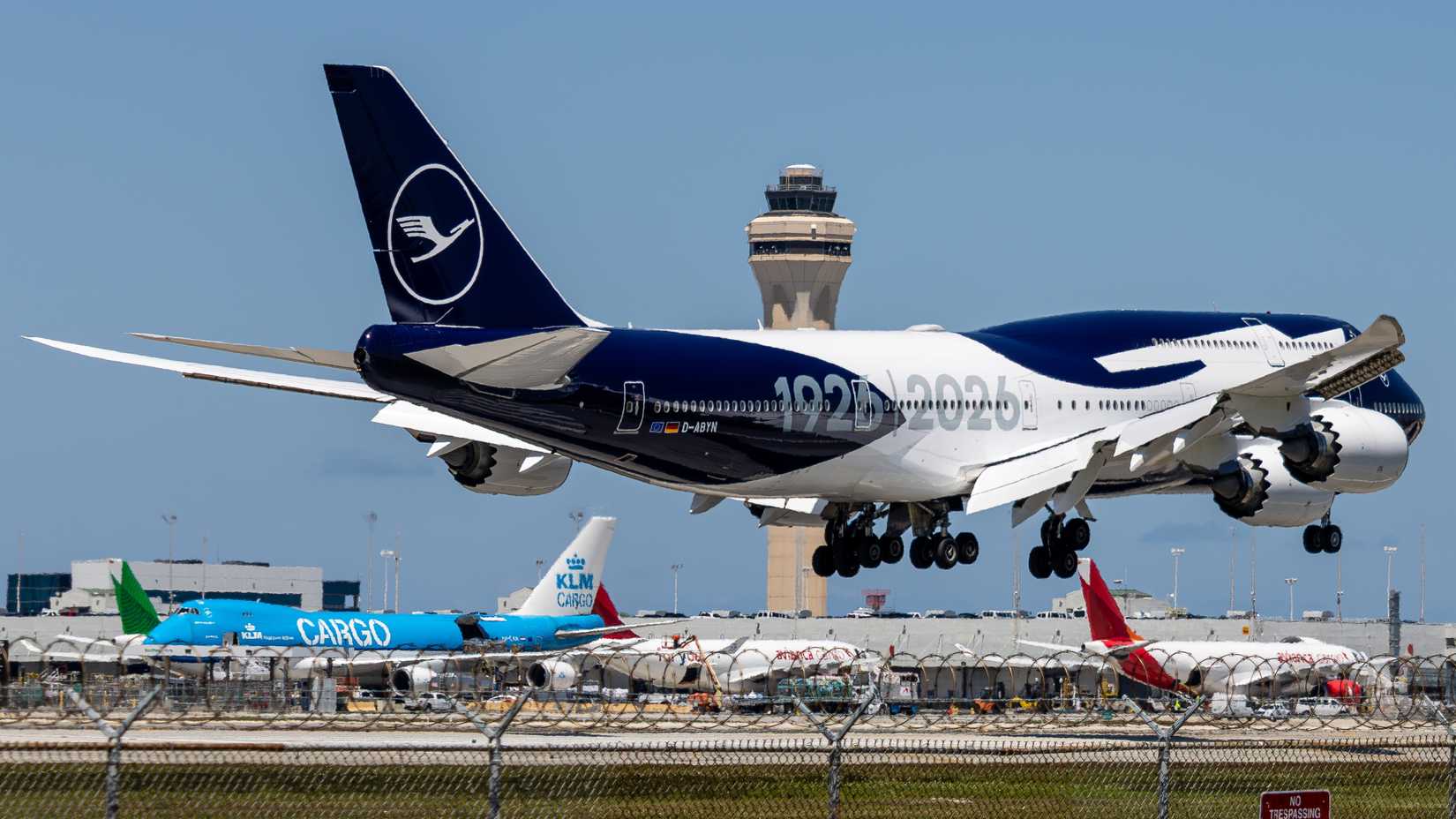
Boeing’s second major trump card over the Airbus colossus comes down to its coveted cruising speed world title. Rated officially at Mach 0.855, or approximately 567 mph at an altitude of 35,000 feet, the 747-8 stands as the fastest commercial airliner currently in service, narrowly edging out the Airbus A380, the A350, and Boeing’s own 787 Dreamliner, which typically cruise at Mach 0.85, as well as the twin-engine 777 at Mach 0.84.
While a modest speed advantage of under 1% only trims a matter of minutes off a grueling long-haul flight, it provides flight crews and dispatchers with valuable schedule padding against strong winter headwinds and unavoidable air traffic control arrival delays. Interestingly, that vital speed advantage stems directly from a foundational design decision made back in the 1960s. When Boeing engineers initially drew up the lines of the original 747, they fully expected supersonic transport jets like the Concorde to completely take over the future of long-distance passenger travel.
As a direct result of that expectation, they angled the 747’s wings sharply backward to help the massive airframe cruise efficiently at higher speeds and seamlessly integrate with fast-moving high-altitude air traffic. Decades later, a set of four General Electric GEnx engines provided the raw power needed to take full advantage of that high-speed wing design. Adapted directly from the advanced Boeing 787 Dreamliner program, these modern powerplants produce robust thrust while burning noticeably less fuel than the older generation of engines that powered legacy 747 models.
While straight wings historically function best at lower speeds, sharply swept-back wings slice through high-altitude air with considerably less aerodynamic resistance. Boeing retained this classic shape on the 747-8, pairing it with modern, fuel-saving raked wingtips. Combined with the advanced powerplants, this wing architecture allows the 747-8 to cruise comfortably at Mach 0.855 without running into the severe drag penalties that tend to slow down wider, less aggressively swept airliners.
Flight-Test Setbacks and a Rocky Commercial Launch
Stretching a classic aircraft fuselage to more than 250 feet in length, however, created a series of unexpected and difficult engineering headaches during early test flights. When test pilots pushed the prototype 747-8 to high speeds, the longer body and its redesigned wing structure experienced troublesome aerodynamic vibrations and flexing along the wingtips. Solving this issue required Boeing to heavily reinforce internal wing structures and completely rewrite the aircraft’s flight-control software.
These unforeseen modifications pushed aircraft deliveries more than two years behind schedule and added well over $2 billion in total program development costs. Once flight-test data was fully analyzed, fuel economy turned out to be an even greater hurdle for the program. The promised fuel-burn reduction targets were missed by the new GEnx engines by 2.7%. That seemingly minor margin effectively wiped out the narrow operating cost advantage Boeing desperately needed to convince commercial airlines to purchase a four-engine 747 instead of efficient twinjet alternatives like the Boeing 777.
The underlying commercial tension publicly boiled over in September 2011, when launch customer Cargolux abruptly walked out of formal delivery ceremonies and refused to accept its very first two freighters until Boeing and General Electric agreed to substantial financial concessions and discounts. Watching these struggles unfold from the sidelines, major passenger airlines grew increasingly wary of the high maintenance and fuel bills associated with four-engine aircraft. Most carriers chose to invest in twinjets or the Airbus A380 instead, leaving the passenger variant of the Boeing 747-8 with a remarkably lean order book.
Opposite Design Philosophies Shape How Airlines Fly Both Giants
The two largest passenger flagships ever built reflect starkly different design philosophies, which become immediately clear when comparing them side by side. Airbus designed the A380 to accommodate around 525 passengers in standard multi-class layouts, supported by an enormous maximum takeoff weight of 1,268,000 pounds and two full-length passenger decks.
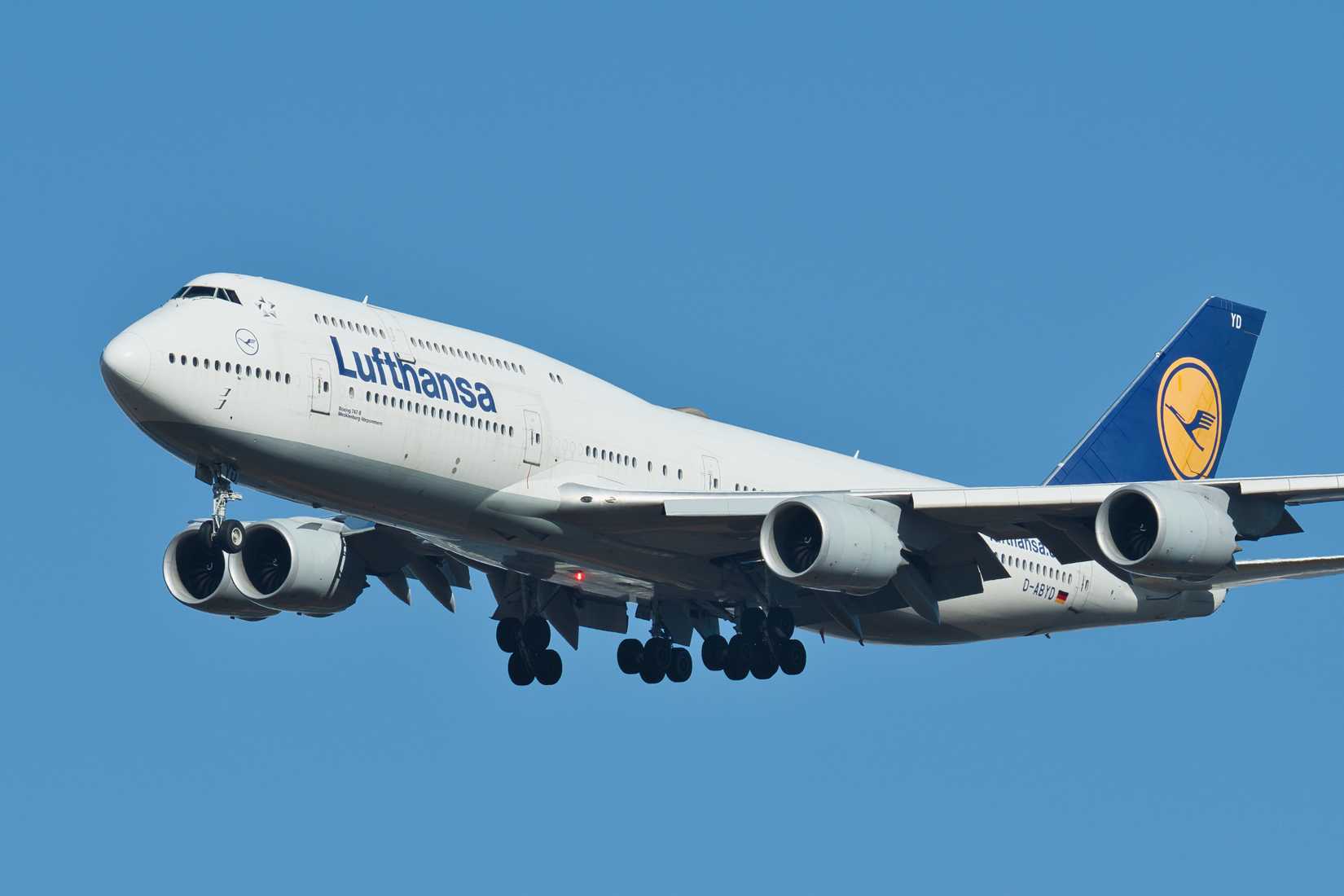
The Boeing 747-8, conversely, consciously trades raw passenger capacity for reduced airport fees and smoother ground logistics. By capping its maximum takeoff weight at 987,000 pounds, it accommodates a cabin capacity typically ranging around 410 seats. Depending on how their respective wings fit into actual airport infrastructure, global airlines have utilized these two unique flagships in distinctly different operational environments.
Lufthansa, currently the only commercial carrier operating both aircraft types in significant numbers, stations all 17 of its passenger 747-8s at its primary hub in Frankfurt. From there, the jets operate high-density routes to major global business centers like Newark, Tokyo, and Johannesburg, where the aircraft easily slip into standard airport gates without requiring specialized infrastructure. Meanwhile, Lufthansa operates its fleet of eight Airbus A380s out of Munich to massive mega-hubs like Los Angeles and Delhi, where local airports have already invested in widened taxiways and dual-level jet bridges specifically constructed for the superjumbo’s expansive wingspan.
The 747-8’s slight speed advantage also plays a subtle role in daily flight planning, particularly during winter jet stream crossings. Cruising steadily at Mach 0.855 allows airline dispatchers to shave crucial minutes off lengthy westbound journeys when compared to the A380, helping protect tight passenger flight connections in the event of unexpected departure delays. Yet, even that degree of operational flexibility could not ultimately shield the four-engine jet from brutal economic realities whenever cabins flew with empty seats.
How Boeing and Airbus Engineered Two Very Different Giants
Designing and manufacturing the longest airliner in commercial history required solving a monumental engineering puzzle: how to extend the physical length of the fuselage without simultaneously increasing debilitating structural weight. To achieve this, Boeing engineers utilized advanced aluminum-lithium skin panels. These specialized panels successfully stiffened the stretched fuselage against the rigors of repeated high-altitude cabin pressurization while simultaneously reducing overall metal density by roughly 10%.
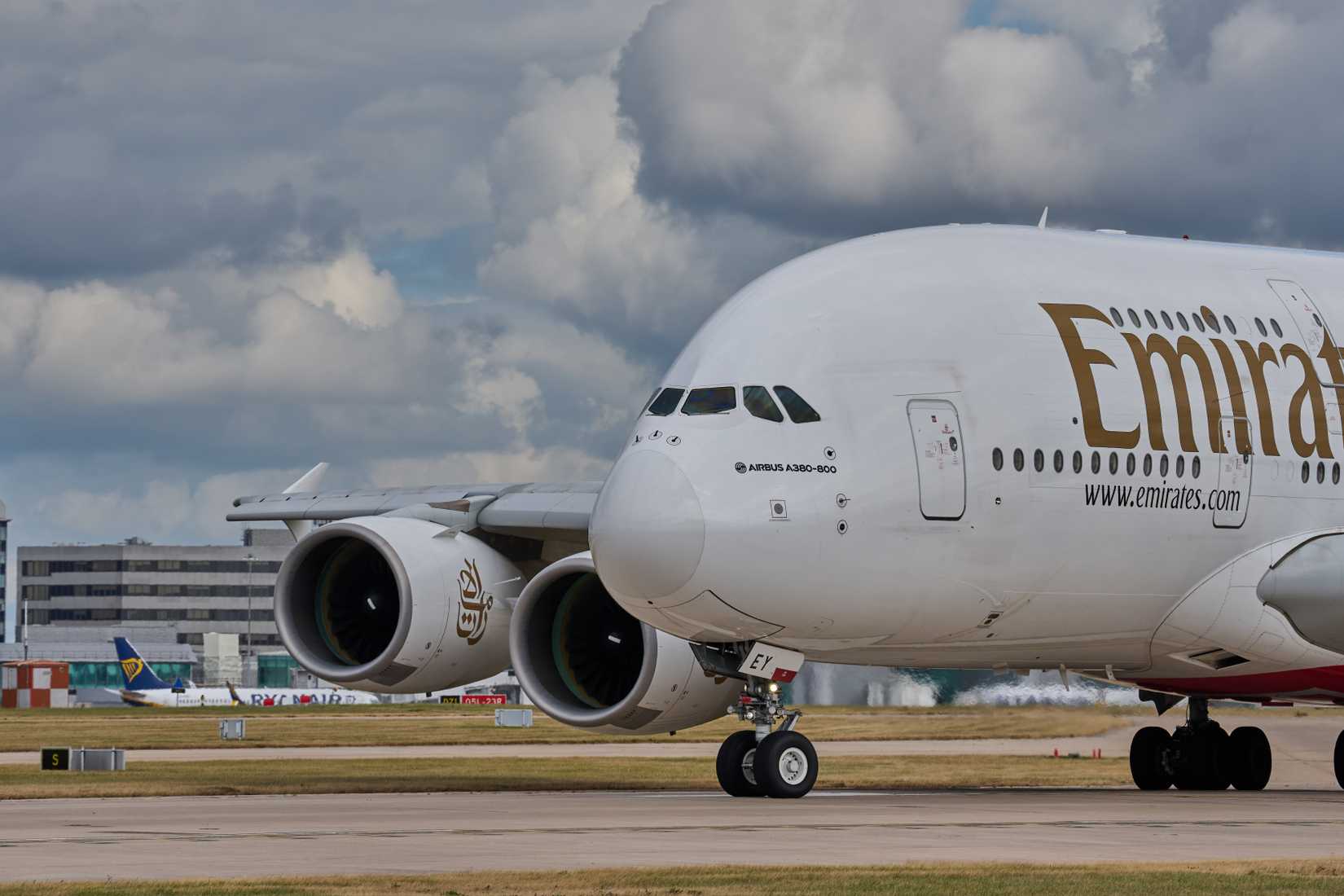
Across the Atlantic Ocean, Airbus chose a different path to address weight and durability concerns on the A380, developing GLARE—a proprietary composite laminate composed of alternating layers of glass and aluminum fibers designed to prevent microscopic fatigue cracks from spreading across its massive double-deck hull. Their respective approaches to wing design reflected equally distinct engineering priorities.
In the quest to minimize aerodynamic drag during long-haul cruises, Boeing replaced the upright winglets seen on the older 747-400 with sweeping, composite raked wingtips. Airbus, by comparison, equipped the A380 with smaller vertical wingtip fences, relying instead on a massive 9,100-square-foot wing area to generate the necessary lift to pull up to 575 tons of aircraft into the sky.
To effectively manage those enormous wings during turbulent flight conditions, Boeing paired traditional mechanical control cables with modern, computer-controlled actuators installed on the outer wing surfaces. When encountering severe turbulence, this automated system deploys wing spoilers to actively absorb bending forces. During high-speed cruise phases, it locks those outer control surfaces in place to completely eliminate the undesirable wing vibrations that plagued early flight testing.
The End of an Era
For both of the world’s premier aircraft manufacturers, the ambition of building the largest commercial passenger aircraft in history came at an extraordinary financial cost. Before concluding more than five decades of continuous 747 production in January 2023—delivering the final freighter to Atlas Air after completing a total of 155 stretched aircraft—Boeing absorbed nearly $4.2 billion in accounting losses directly tied to the 747-8 program.
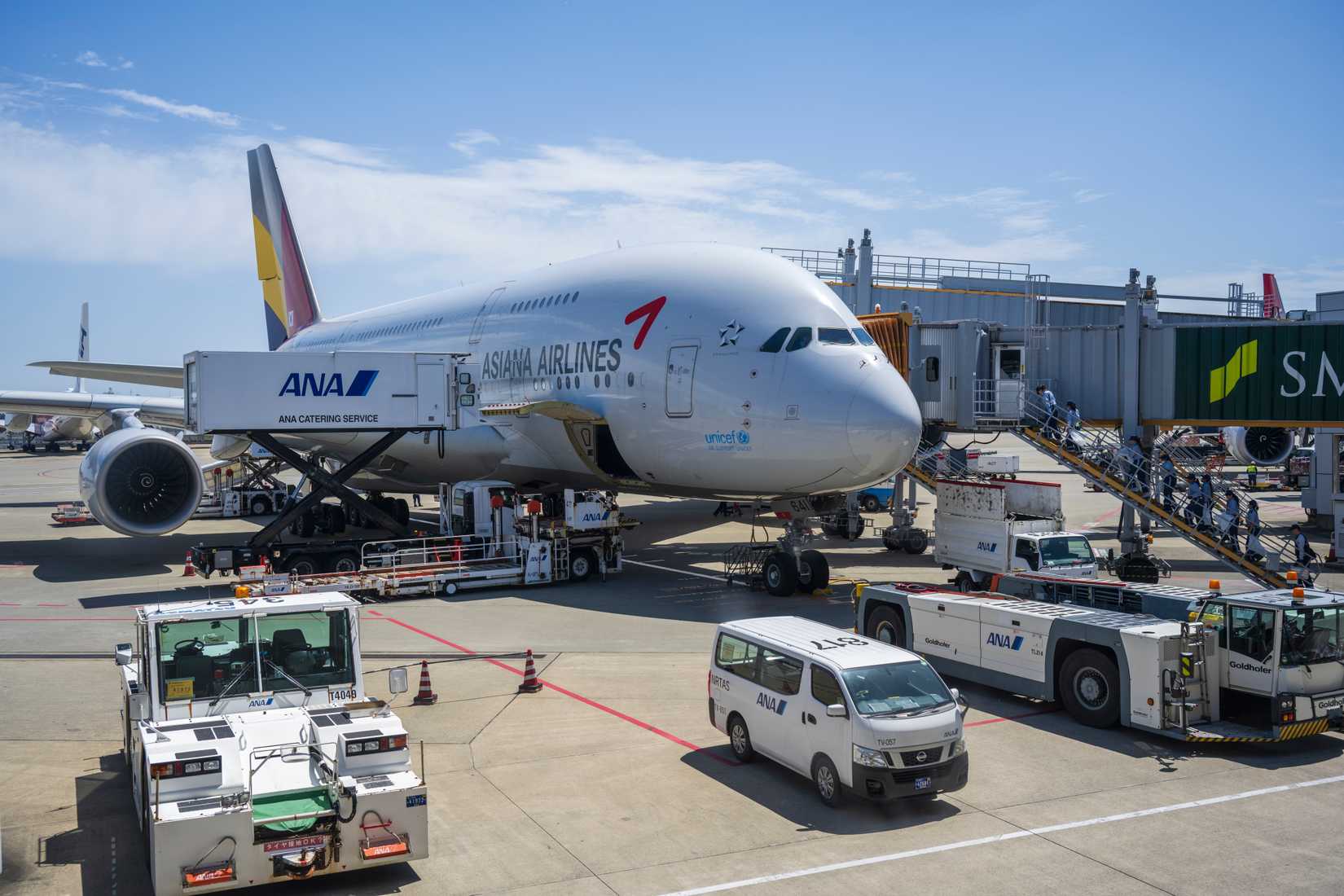
As global airlines rapidly transitioned away from four-engine behemoths in favor of highly efficient twin-engine widebodies, Airbus suffered an even greater financial blow. The European manufacturer invested an estimated $30 billion into the ambitious A380 program before officially closing its final assembly line in December 2021 after a total of just 251 deliveries.
With both historic production lines now closed, the Boeing 747-8 stands entirely alone as the fastest and longest commercial airliner in active service, marking the absolute final peak of four-engine commercial aircraft design. Even so, the 747-8’s length record has a definitive expiration date. Measuring an impressive 251 feet and 9 inches—roughly 19 inches longer than the Boeing 747-8—Boeing’s upcoming twin-engine 777-9 combines massive GE9X engines and innovative folding wingtips to carry over 400 passengers across vast global distances at a fraction of the fuel cost.
Related News