The Rise of ‘Two-Player Mode’: How Couples Are Maximizing Credit Card Points and Travel Rewards
Article Editorial Team
Travel is widely regarded as one of life’s greatest pursuits, offering the thrill of discovering new cultures, tasting exotic cuisines, and experiencing destinations for the very first time. Yet, while the journey itself is often unforgettable, funding those adventures—especially when sharing them with a partner, spouse, or loved one—comes with a steep financial reality. For frequent travelers who rely on credit card points and airline miles, supporting the travel needs of multiple people requires a substantial stash of rewards.
Enter "two-player mode." Borrowed playfully from the gaming world, the strategy involves couples working in tandem to synchronize their credit card applications, welcome offers, hotel free-night certificates, and travel perks. By coordinating their efforts, partners can effectively double their earning power, making luxury travel for next to nothing a sustainable long-term lifestyle rather than a one-time occurrence.
While the concept appears straightforward on the surface, mastering two-player mode requires a high degree of nuance, careful planning, and precise execution. Handled correctly, it can unlock dream vacations that would otherwise be entirely out of reach. Handled poorly, or without organization, juggling multiple annual fees, statement credits, and minimum spending requirements can quickly transform from an exciting hobby into a stressful financial burden.

What is Two-Player Mode?
In the specialized realm of travel rewards, two-player mode refers to a synchronized system where romantic partners coordinate their credit card portfolios and application timelines. Typically, this dynamic involves one partner who takes the lead as the enthusiast driving the strategy, while the other acts as a willing and supportive participant. Because success depends heavily on communication, establishing clear responsibilities is paramount.
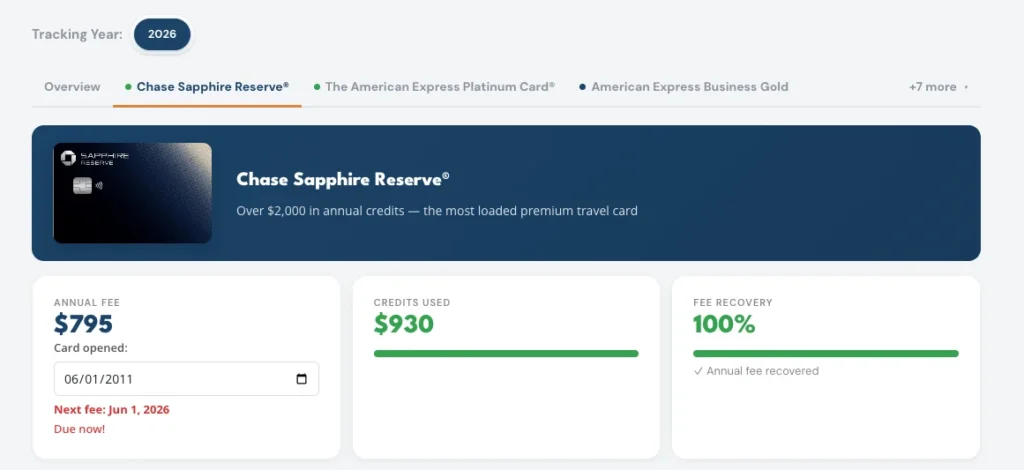
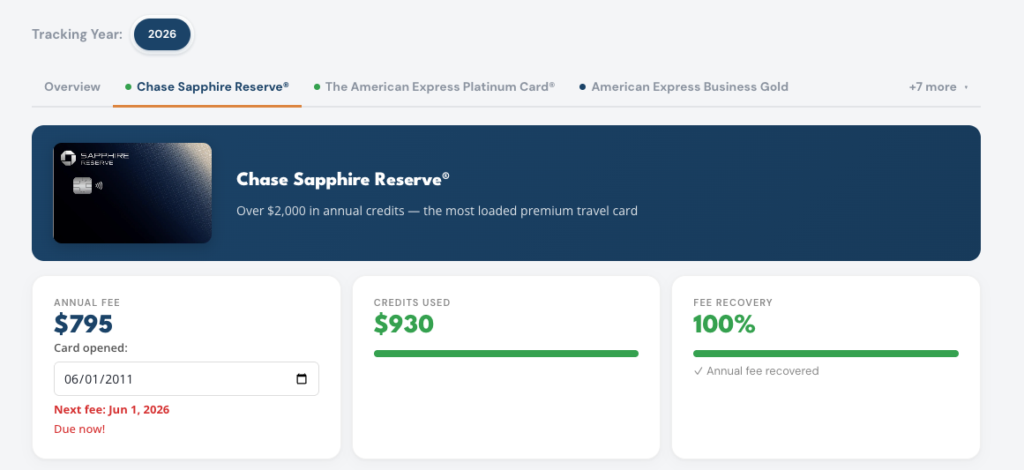
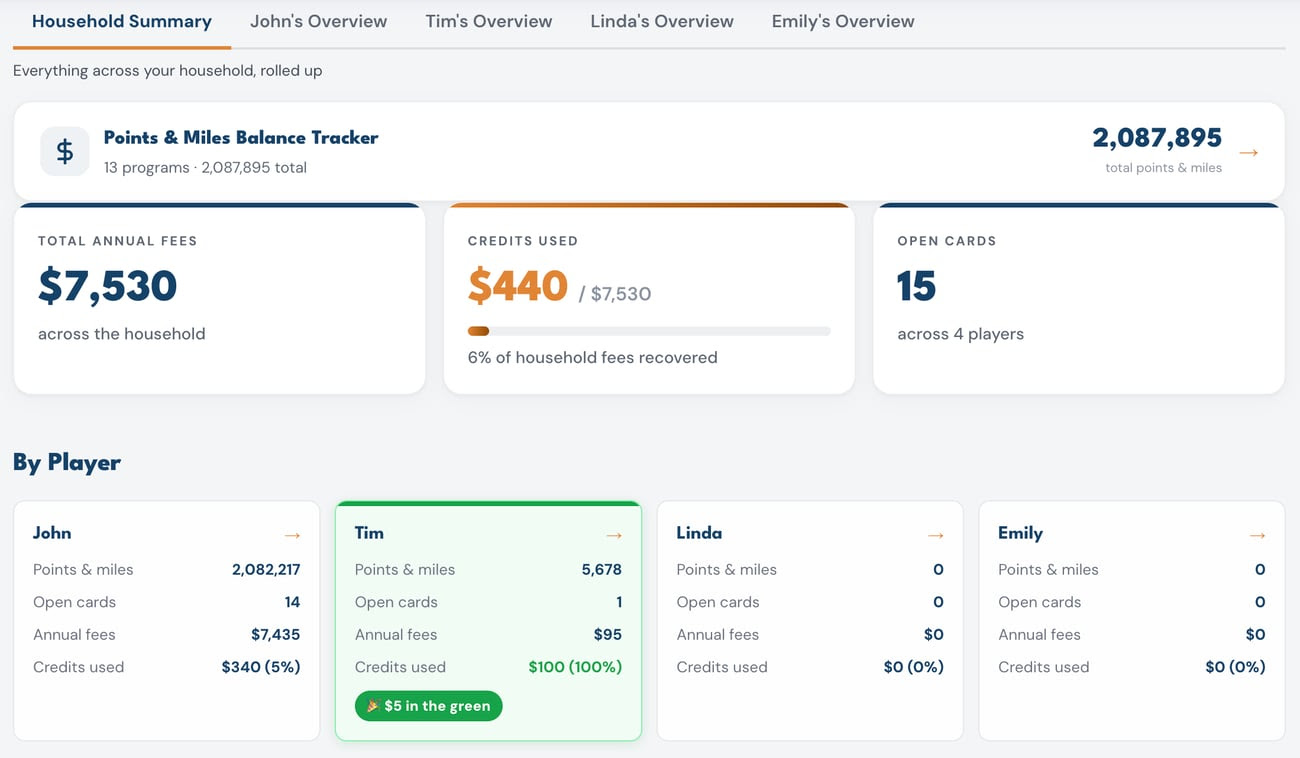
As the volume of credit cards, welcome bonuses, and statement credits grows, managing the household’s portfolio can become complex. Many travelers utilize specialized tracking tools—such as dedicated credit card benefit dashboards—to monitor signup dates, statement credits, annual fees, and expiration alerts across multiple cards. These systems allow partners to view their individual card lists, track progress toward minimum spend, and evaluate whether a card’s benefits justify keeping it for another year. Without a centralized method to track fees and credits, navigating the intricacies of multi-card management can quickly become overwhelming.
Pooling Points and Navigating Bank Policies
Once a couple has established a strategy and begun accumulating points and miles, the next logical challenge is figuring out how to combine those balances to book travel for two or more people. Ideally, partners would simply pool their rewards into a single account and spend them as needed. In reality, bank policies vary wildly, making the consolidation process anything from seamless to entirely impossible depending on the issuer.
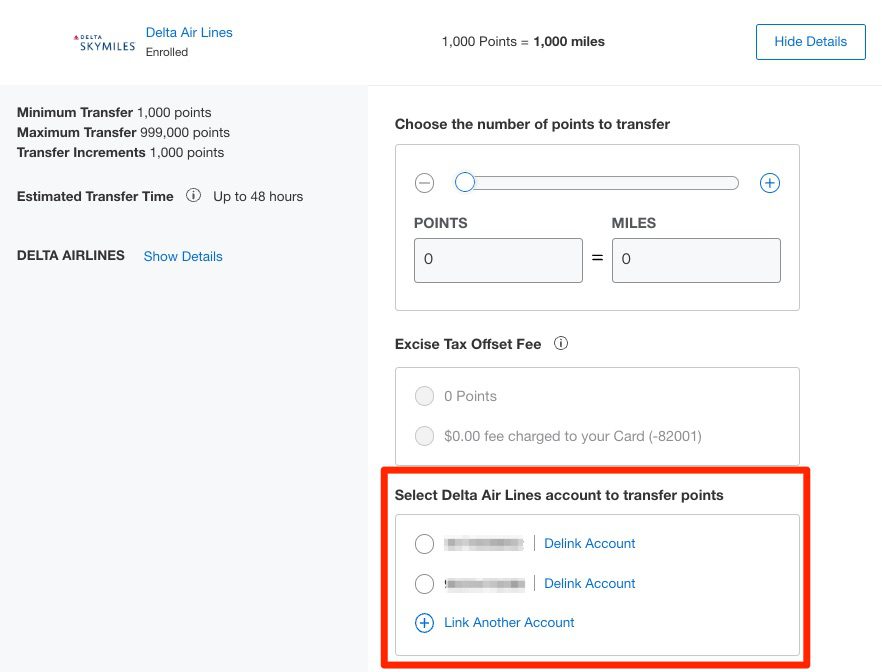
American Express maintains a strict policy prohibiting cardholders from pooling points. It is impossible to combine Amex Membership Rewards points directly with another member, whether for booking flights through an Amex travel portal or transferring to airline and hotel partners. However, a common workaround exists for couples: by adding a partner as an authorized user on an account like the American Express Gold Card, the primary cardholder can transfer their Membership Rewards points directly to the authorized user’s external airline or hotel loyalty account.
This transfer mechanism allows couples to mix and match points to secure award bookings even if one individual lacks sufficient balances independently. Travelers must exercise caution, however, because loyalty transfers are a permanent one-way street. Once points leave the Amex ecosystem and enter a partner airline or hotel program, they cannot be reversed back into Membership Rewards.
Chase offers a much more lenient approach, allowing cardholders to combine Ultimate Rewards points with another member of the same household. This flexibility is a primary reason why Chase points are widely considered among the best for couples aiming to accumulate large balances. Chase interprets the term "household" relatively loosely, sometimes not strictly requiring identical billing addresses. This provides flexibility for partners who do not live together or family members collaborating on travel plans, though financial experts generally advise limiting transfers to immediate family or trusted partners to avoid triggering security reviews. Points can be moved effortlessly between cards like the Chase Sapphire Preferred, Chase Sapphire Reserve, or no-annual-fee Freedom lineup, and once accounts are digitally linked, future transfers can be completed online without calling customer service.
Capital One stands out as perhaps the most flexible issuer for transferable points. Cardholders can move Capital One miles between their own personal and business accounts—such as pairing a Venture X with a Spark Miles card—entirely online. Furthermore, Capital One permits miles to be transferred to other individuals, though this process requires calling the customer service number on the back of the card and providing the recipient’s account details. Capital One does not require shared addresses or familial relationships, and transferred miles carry no expiration dates or severe restrictions, making it an exceptional program for couples building a shared war chest of travel rewards.
Citi, on the other hand, has moved in the opposite direction. The bank previously allowed cardholders to transfer ThankYou points to any other Citi loyalty account holder, regardless of relationship. However, Citi eliminated this customer-friendly sharing feature, entirely closing the door on peer-to-peer point transfers. Consequently, sharing Citi points with a spouse or partner is no longer an option.
Hotel and airline loyalty programs present their own distinct set of rules. While many major hotel chains permit point pooling or transfers between members—frequently with familial or shared-address stipulations—most domestic airlines technically allow mileage transfers, but impose exorbitant fees that make the transaction financially unviable.
Capitalizing on Referral Offers
One of the most lucrative advantages of operating in a two-player mode is the ability to utilize referral offers. When individuals sign up for travel rewards cards through public channels or independent blogs, they earn the standard welcome bonus. However, if one partner generates a referral link from their own existing account for the other partner to use, both parties benefit: the new applicant receives a sign-up bonus, and the referring partner earns a referral bonus. In many cases, targeted referral offers far exceed publicly available promotions, creating a mutually beneficial scenario.
American Express is widely recognized for offering some of the most versatile referral structures in the industry. Amex cardholders can frequently generate referral links not just for the exact card they hold, but for entire families of cards. For instance, a cardholder with an Amex Gold Card can generate a referral link that allows their partner to apply for an Amex Platinum Card, or cross-shop within co-branded airline and hotel card portfolios like Delta and Hilton.
Chase and Capital One also offer robust referral programs for their travel credit cards, though they generally restrict referrals to the exact same card product. While this is effective for households looking to secure multiple welcome bonuses on a specific card, it offers less flexibility for diversifying a portfolio with complementary perks. Travelers must occasionally weigh whether a public welcome bonus outvalues a referral offer, doing the math to determine which path yields the highest cumulative reward.

Timing Your Applications and Managing Benefits
Timing is a critical pillar of any successful two-player rewards strategy. Couples must carefully coordinate credit card applications around their shared financial calendar to ensure they can comfortably meet the minimum spending requirements dictated by new welcome bonuses. Responsible financial management is paramount; experts continuously stress that credit card rewards should never incentivize unnecessary spending, and balances must be paid in full immediately. Going into interest-bearing debt cancels out the value of any sign-up bonus.
Strategic timing also applies to managing card benefits and annual fees. For example, premium hotel cards often issue valuable free-night certificates upon account renewal. While a single certificate might offer limited utility for a couple looking to travel together, holding two cards means receiving two certificates annually. By timing the account openings to align, couples can redeem both certificates simultaneously for a weekend getaway at a luxury property.
Conversely, couples must remain mindful of redundant perks. While referring a partner to secure a welcome bonus makes financial sense, holding duplicate copies of cards that offer identical benefits—such as multiple Priority Pass lounge memberships—often results in paying unnecessary annual fees. Thoughtful planning ensures that households extract maximum value while trimming redundant costs.

Ultimately, points and miles earned through travel credit cards can transform standard vacations into extraordinary experiences. While solo travelers can certainly secure impressive trips through welcome offers and routine spending, teaming up in a synchronized two-player mode multiplies points, free nights, and travel perks exponentially. As long as organization and financial discipline remain at the forefront, the strategy offers a sustainable path to unforgettable journeys.
Related News