Audubon Texas Prepares for 90th Legislative Session with Renewed Focus on Conservation Advocacy
Article Editorial Team
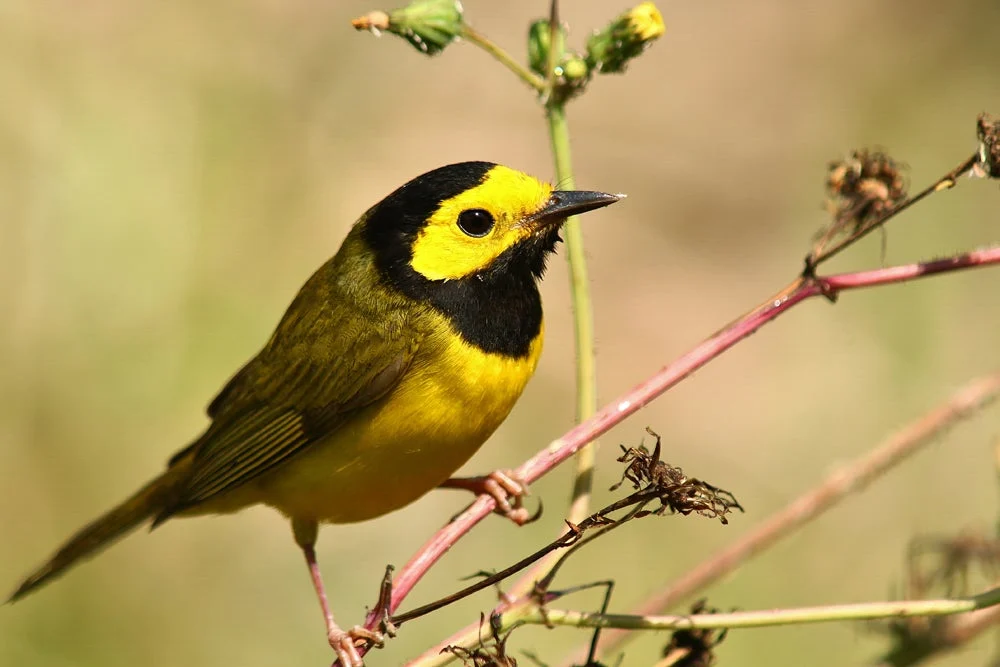
As the seasonal shift brings cooler temperatures to Texas, signaling the arrival of migratory American Robins and Chipping Sparrows, the state’s conservation community is turning its attention toward the upcoming legislative cycle. For Audubon Texas, the change in seasons is a perennial reminder that the Texas Legislature is set to gavel in for the 90th Regular Session this January, marking a critical period for the state’s environmental policy. Staff members, local chapters, and dedicated volunteers have spent the past year laying the groundwork for this session, meticulously building relationships with stakeholders, analyzing complex environmental issues, and preparing to serve as a unified voice for the state’s birds and the habitats upon which they depend.
The strength of Audubon Texas is rooted in a science-backed, nonpartisan philosophy. By leveraging the expertise of a diverse community of members, supporters, and partners, the organization aims to elevate the conversation around thoughtful, long-term conservation. As the legislative session approaches, Audubon Texas is preparing to call upon its supporters to engage directly with policymakers. The objective is to advance conservation policies that align with the organization’s core mission and values, ensuring that the needs of wildlife are represented in the halls of the state capitol.
The landscape of legislative priorities is vast, and the challenge for any advocacy organization lies in identifying where it can make the most meaningful impact. With limited time and resources, Audubon Texas utilizes a strategic framework derived from its organizational "Flight Plan." This plan acts as a compass, allowing leadership to weigh each potential policy issue against established conservation milestones: habitat conservation, climate action, policy leadership, and community building. Before committing to a legislative stance, the organization evaluates whether its scientific research and collective voice can truly move the needle, whether past advocacy efforts support a consistent position, and how any given decision will resonate with its network of chapters, partners, and individual supporters. By maintaining this rigorous, evidence-based approach, Audubon Texas ensures that when it does speak on an issue, it does so with a solution-oriented, nonpartisan perspective that transcends political polarization.
This strategic framework is currently being applied to define the specific legislative priorities for the 90th session. By filtering potential issues through this lens, the organization ensures that its advocacy remains focused on the most critical threats to Texas wildlife and the most promising opportunities for ecological restoration. As the session begins, these priorities will serve as the cornerstone of Audubon’s outreach to legislators, providing a clear roadmap for how the state can balance economic growth with the preservation of natural resources.
Public engagement is, perhaps, the most potent tool in the conservationist’s arsenal. The success of environmental legislation is rarely the result of a single lobbyist’s efforts; rather, it is the product of sustained, grassroots pressure. The organization recalls with appreciation the dozens of members and chapter leaders who traveled to the capitol for Advocacy Day in 2025. This display of civic engagement was instrumental in bringing the concerns of birders and conservationists to the forefront of the legislative agenda. As the state looks toward the 2027 session, there is a strong hope that participation will continue to grow. Meaningful engagement with lawmakers is not a reactive process that begins when a bill is filed; it is a proactive, year-round commitment. Local advocates play a vital role in humanizing these issues, helping decision-makers understand that conservation is not just an abstract ideal, but a tangible priority for their own constituents.
A recent example of this dynamic was the visit by State Sen. José Menéndez to the Mitchell Lake Audubon Center in San Antonio. Such interactions are essential for bridging the gap between scientific policy and local reality. When lawmakers see firsthand how conservation centers serve their communities—by providing educational opportunities, protecting vital flyways, and preserving natural beauty—the abstract concepts of environmental protection become concrete policy goals. By hosting these visits, Audubon Texas and its supporters are building the foundational relationships that ensure conservation has a strong, respected voice when the legislature is in session. These connections are the lifeblood of the organization’s advocacy, ensuring that when representatives consider the future of Texas’s landscape, they are doing so with an understanding of what is at stake for the environment and the people who cherish it.
The work of Audubon Texas is not confined to the months when the legislature is in session. The legislative cycle is merely one phase in a broader, continuous effort to influence the trajectory of state policy. Whether the outcome of the 90th session results in a landmark conservation victory, a legislative setback, or the emergence of new, unexplored ideas, the organization remains committed to transparency and ongoing communication. The work continues in the interim, as Audubon staff continue to collaborate with a wide array of stakeholders, including lawmakers, private landowners, industry representatives, and local communities.
Finding practical, sustainable solutions that benefit both birds and people is a complex task that requires constant vigilance and adaptation. By fostering dialogue between these diverse groups, Audubon Texas seeks to move beyond ideological gridlock and toward common-sense policies that safeguard the future of Texas’s diverse ecosystems. The organization recognizes that the health of the environment is inextricably linked to the prosperity of the state, and it continues to operate with the conviction that informed, collaborative action is the only path forward.
As the 90th Regular Session draws near, the message to members and supporters is clear: their involvement is the catalyst for change. The organization expresses its gratitude to its network for their ongoing commitment, noting that every member who stays informed, reaches out to their representative, or participates in local advocacy efforts is an essential contributor to the collective mission. The upcoming months will undoubtedly bring new challenges and opportunities, but with a firm foundation in science and a dedicated community of advocates, Audubon Texas is prepared to navigate the legislative landscape and ensure that the needs of birds and the places they require to survive remain a priority for the state. As the winter birds continue to settle into their Texas habitats, the advocacy work—built on years of effort and a commitment to the future—continues with renewed purpose and focus.
Related News