Cultivating Resilience: A Year of Youth Engagement and Coastal Restoration in the San Francisco Bay
Article Editorial Team
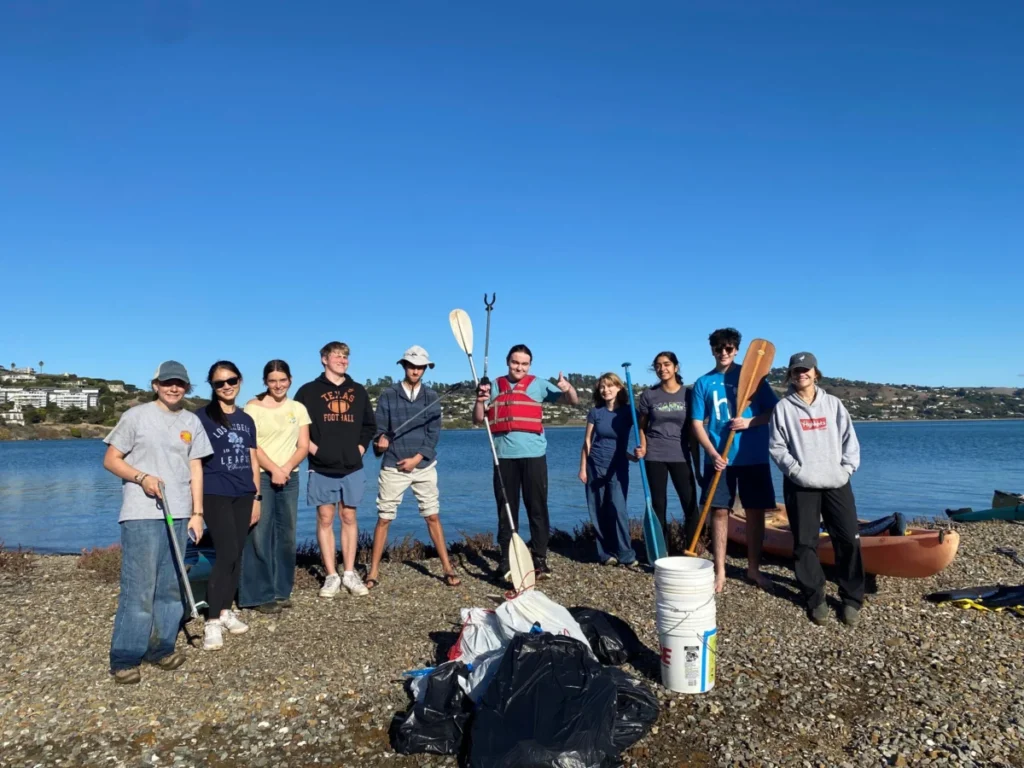
Conservation is often rooted in the simple, profound act of noticing what is right in front of us. At the Richardson Bay Audubon Center & Sanctuary, the most significant milestones of 2026 were not defined solely by technical data or project completion dates, but by the moments of discovery shared with the next generation of environmental stewards. By bridging the gap between hands-on education and large-scale habitat restoration, Audubon California has spent the past year demonstrating that protecting our coastal ecosystems is a task that requires both scientific rigor and a deep, personal connection to the land and sea.
As the San Francisco Bay faces the dual pressures of climate change and habitat loss, the urgency of restoring our shoreline has never been greater. Throughout the year, the center has balanced two distinct but complementary missions: fostering a deep appreciation for the Bay among youth and implementing nature-based solutions to safeguard the region’s vital wetlands and beaches.
Empowering the Next Generation of Coastal Leaders
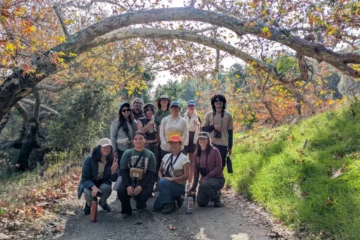
The center’s commitment to youth education reached new heights in 2026, creating opportunities for young people to transition from passive observers to active participants in conservation. Central to this effort were the Audubon Youth Leaders, a group of sixteen interns across two seasonal programs who gained exposure to the complexities of environmental stewardship.
During the summer Marin Naturalist Internship, nine interns spent six weeks immersing themselves in the ecology of Richardson Bay. For four of these young leaders, the experience included a landmark moment: their first-ever kayak trip through the Eelgrass Protection Zone. This firsthand experience on the water provided a perspective that cannot be replicated in a classroom, allowing them to witness the importance of submerged vegetation—a critical component of the Bay’s health—from the surface. Beyond the water, the group participated in a BioBlitz, cataloging the biodiversity of the sanctuary, and engaged in meaningful dialogues with partners at the Canal Alliance regarding environmental justice and the equitable distribution of ecological resources.
The momentum continued into the fall with the Habitat Stewardship Internship. Seven participants, including two returning summer interns, dedicated their time to the practical side of ecology. Through a collaborative effort with the Golden Gate National Parks Conservancy’s Marin Headlands Nursery, the UC Master Gardeners, and the Marin Garden Club, these interns moved beyond observation to active restoration. They spent their weeks learning the intricacies of native plant propagation and care.
The impact of this work is visible in the center’s demonstration gardens, where the interns successfully planted 26 native species, including red flowering buckwheat, sticky monkeyflower, yarrow, hummingbird sage, currant, and Hooker’s evening primrose. Additionally, they sowed hundreds of seeds in the nursery, creating a legacy for future youth leaders to cultivate. Through the School to Career Internship Program with Marin County public schools, these students not only gained invaluable professional experience and high school credit but also received stipends, reinforcing the value of their contributions to the sanctuary’s mission.
The engagement extended to the youngest visitors as well. The Audubon Adventure Camp welcomed more than 300 children, aged four to seven, for six weeks of immersive nature exploration. A highlight of the summer was "Shark Week," where campers were treated to the thrill of spotting leopard sharks swimming in the shallows of Richardson Bay from the safety of the beach—a powerful reminder of the hidden life just beneath the surface of the Bay. By focusing on eelgrass, campers were able to identify sea slugs, including Hedgpeth’s dorids, opalescent nudibranchs, and green sea hares. On land, the lessons continued as they discovered western fence lizards and western skinks. Through creative programming, such as food pyramid skits and a custom camp coloring book, staff helped these young children grasp the interconnectedness of their local ecosystem.
Restoring Vital Habitats: Strip Marsh East and Greenwood Beach
While the youth programs cultivate the stewards of tomorrow, the Audubon team is simultaneously tackling the immediate challenges facing the San Francisco Bay’s current landscape. Two primary restoration projects—Strip Marsh East and the Greenwood Beach restoration—represent the cornerstone of Audubon’s efforts to bolster the region’s climate resilience.
Strip Marsh East, located within the San Pablo Bay National Wildlife Refuge along State Route 37, serves as a sobering example of the fragility of our coastal wetlands. The area has suffered from significant habitat loss due to compromised water flow, poor drainage, and the alternating stressors of flooding and drought, which have degraded hundreds of acres of emergent marsh. In collaboration with federal, state, and local partners, Audubon California is spearheading a comprehensive restoration effort. The project’s technical goals include excavating tidal channels to improve circulation and restoring marsh elevations to ensure long-term stability. These interventions are designed not only to protect critical infrastructure from the impacts of sea-level rise but also to provide essential refuge for endangered species, such as the Ridgway’s Rail and the Salt Marsh Harvest Mouse.
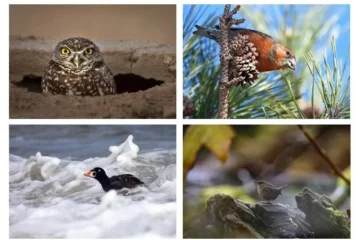
On the northern shoreline of Richardson Bay, the Greenwood Beach project offers a different, nature-based approach to shoreline protection. The beach, which sits adjacent to Audubon’s 900-acre waterbird sanctuary—a critical wintering ground for tens of thousands of seaducks, including the Surf Scoter—has been plagued by chronic erosion and shoreline retreat.
Rather than relying on traditional, hard-engineered barriers like rock walls, the project utilizes a "living shoreline" strategy. This approach employs natural materials and native vegetation to reduce the energy of wind-driven waves and stabilize the beach. The initiative is a model for how human-made interventions can integrate with ecological processes. Since beginning the work with sediment studies in 2024, the team has transitioned to a cultivation phase in the nursery. By the end of 2026, the project will have installed 133 container plants, including the endangered California seablite, alongside Silver burr ragweed, western ragweed, and Beach Saltbush. These plants, some started from seed and others propagated from rhizomes, are expected to weave a resilient vegetative mat that will help the shoreline adapt to rising sea levels while maintaining public access and habitat value.
A Shared Vision for a Resilient Future
Although the Strip Marsh East and Greenwood Beach projects differ in their geographical scale and specific ecological needs, they are united by a singular, overarching vision: the belief that nature-based solutions are the most effective way to build a resilient Bay Area.
The integration of youth education into these scientific efforts is a deliberate strategy. When young people engage with the Bay firsthand—whether by kayaking through an eelgrass bed, planting native vegetation, or spotting a leopard shark from the shore—they develop an ownership over their environment. They begin to see how tidal marshes, eelgrass beds, and beaches are not merely scenery, but are essential components of a climate-resilient future.
As 2026 concludes, the results of these dual efforts are clear. With over 300 campers, 16 dedicated youth leaders, and major advancements in two high-priority restoration sites, Audubon California has demonstrated that the health of the San Francisco Bay is inextricably linked to the engagement of its community. By combining the curiosity of children and the hands-on labor of interns with the technical expertise of restoration ecologists, the organization is ensuring that the Bay remains a vibrant, functional ecosystem capable of weathering the challenges of a changing climate. These projects serve as a reminder that the work of conservation is never static; it is a continuous process of growth, partnership, and shared stewardship.
Related News