Thai Airways International Reports Net Loss Despite Revenue Growth as Surging Fuel Prices Impact Bottom Line
Article Editorial Team
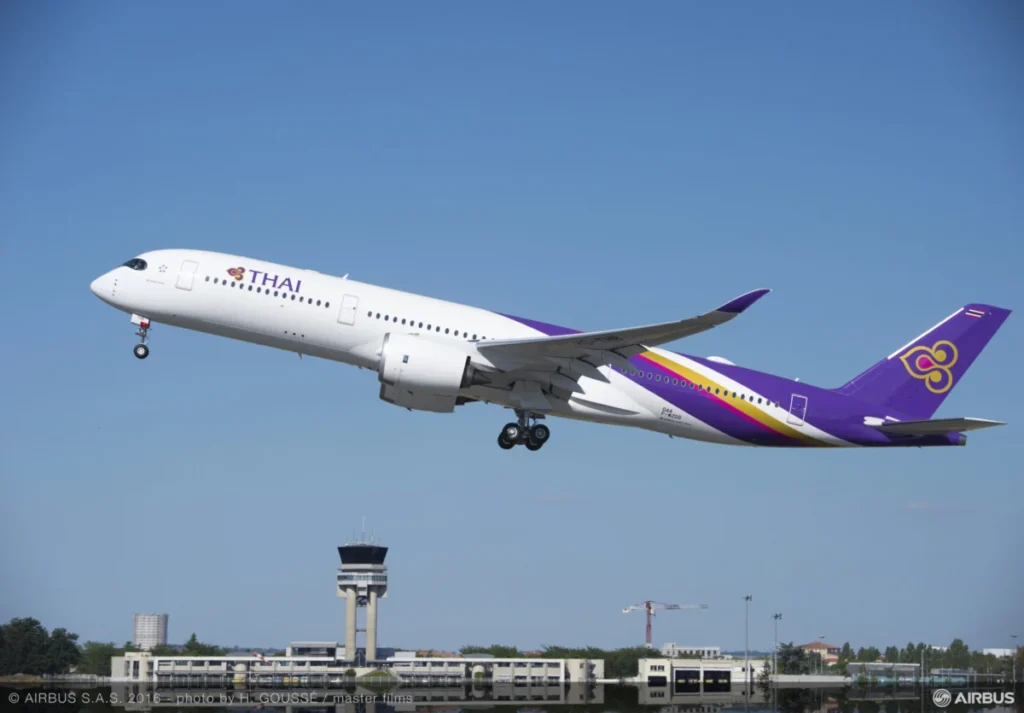
Thai Airways International has reported a net loss of 418 million baht, equivalent to approximately $12 million, for the third quarter, despite experiencing a solid 13 percent increase in overall revenue. The financial setback was primarily driven by a dramatic surge in jet fuel expenses, which skyrocketed by 60 percent during the period, overwhelming the carrier’s top-line gains and forcing executive management to pivot sharply toward aggressive cost-containment measures.
Addressing investors and analysts during the company’s earnings call, Chief of Finance and Accounting Cherdchome Therdsteerasukdi outlined the airline’s immediate operational focus moving forward, emphasizing that aggressive expenditure management will dictate corporate strategy as the carrier looks toward 2027.
"We will protect the profit from the operation," Cherdchome told investors during the call, highlighting the urgency of the situation. "We have a strategy to work on the costs and the fuel, as well as other costs."

The unexpected quarterly loss arrives at a particularly sensitive and challenging juncture for the flag carrier. Thai Airways has been operating under the leadership of an acting chief executive since early October following leadership shifts, and the airline’s board of directors is currently navigating the transition toward confirming a permanent chief executive by December. This leadership evolution coincides with heightened macroeconomic volatility within the global aviation sector, where carriers continue to grapple with unpredictable commodity markets, fluctuating currency values, and shifting travel demand patterns.
During the earnings discussion, financial leadership also addressed the broader implications of sustained high energy costs on the airline’s medium-term outlook. Cherdchome issued a cautionary note to stakeholders, warning that if current elevated oil prices solidify into what the market regards as "the new normal," the challenging financial dynamics witnessed during the third quarter could establish a difficult baseline or reference point for subsequent financial reporting periods.
The juxtaposition of robust revenue growth against a steep net loss underscores the extreme vulnerability that network carriers face when global energy markets experience sudden, sharp escalations. While passenger demand and ticket sales demonstrated healthy momentum, reflected in the 13 percent revenue expansion, the disproportionate leap in operating expenses—anchored heavily by the 60 percent spike in jet fuel costs—eroded operating margins entirely.
As Thai Airways prepares for the leadership confirmation in December and maps out its strategic priorities for the coming years, executive leadership remains resolute in its commitment to structural adjustments. By prioritizing targeted reductions in fuel consumption and broader organizational overhead, the airline aims to insulate its operational profitability against ongoing macroeconomic pressures and stabilize its financial trajectory in an increasingly competitive international aviation landscape.
Related News