Rome Emerges as a Premier Destination for Solo Female Travelers, Offering Historic Splendor and Modern Initiatives
Article Editorial Team
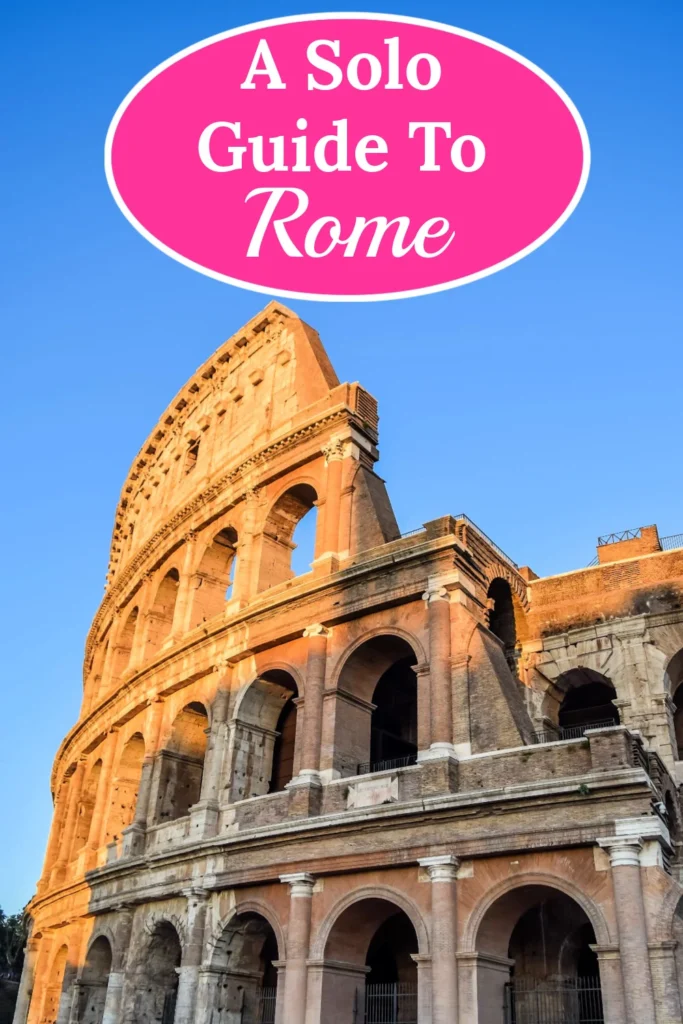
Rome continues to captivate global travelers, establishing itself as a top-tier destination for solo female exploration. Balancing ancient architectural wonders with a vibrant contemporary lifestyle, the Eternal City proves that its legendary romantic reputation should not deter individuals traveling on their own. Experts and community travel platforms consistently award the Italian capital high marks for solo tourism, emphasizing its friendly local population, extensive cultural attractions, and expanding network of safety and social support initiatives.

While the city is globally renowned for its profound historical footprint—spanning the ancient Roman Empire, the Renaissance, and the Vatican—it also accommodates diverse traveler interests. Nature enthusiasts frequently gravitate toward the meticulously manicured grounds of Villa Borghese, while art aficionados and museum-goers navigate the city’s vast cultural repositories. Meanwhile, high-end shopping districts like Via dei Condotti and the surrounding streets near Piazza di Spagna offer premier retail experiences.

Navigating a metropolis of Rome’s scale can initially feel overwhelming for a newcomer. Travel advisors frequently recommend initiating a trip with an orientation tour, such as a guided walking route or a hop-on-hop-off bus excursion, to map out major landmarks before returning for deeper exploration. For those seeking social connections, joining small-group walking tours provides both historical context and an immediate avenue for meeting fellow travelers. Alternatively, sitting al fresco in public squares or visiting neighborhood bars offers relaxed opportunities to converse with locals and other visitors.

Safety remains a primary consideration for visitors navigating the Italian capital independently. Although Rome is widely regarded as secure for women traveling alone, standard urban awareness is essential, particularly during peak summer months when crowds swell. Local authorities and travel guides advise maintaining vigilance in crowded areas and exercising caution in specific zones, such as the Colle Oppio area near the Colosseum after dark, or managing personal belongings carefully against pickpocketing in bustling neighborhoods like Trastevere. Practical necessities, such as staying adequately hydrated during hot summer days, are equally vital for maintaining a healthy and enjoyable solo journey.

The city’s rich inventory of must-see attractions requires strategic planning, especially given recent regulatory and ticketing updates across major sites. The Colosseum, the monumental first-century amphitheater, remains a centerpiece of any itinerary, offering daytime archaeological tours as well as atmospheric evening visits. Similarly, the Pantheon—celebrated for housing the world’s largest unreinforced concrete dome and functioning as a historic church—continues to draw crowds, with minor entry fees implemented to preserve the ancient structure. Visitors are encouraged to secure advance tickets for major landmarks like the Pantheon, the Roman Forum, and the Vatican City, home to the Sistine Chapel and St. Peter’s Basilica.

Beyond the major architectural monuments, Rome’s urban fabric is defined by its lively piazzas and historic street markets. Piazza Navona serves as a central hub for street artists, musicians, and gelato enthusiasts, while Campo de’ Fiori hosts vibrant morning markets filled with fresh regional produce, fine wines, and artisanal cheeses. Cultural exploration extends to Capitoline Hill, designed by Michelangelo, and the tranquil green spaces of Villa Borghese. Meanwhile, traditional landmarks such as the Trevi Fountain and the Spanish Steps continue to draw global visitors, with recent municipal measures introduced to manage visitor flow and protect the historic basins during peak hours.

Public infrastructure supports independent navigation throughout the city. The Rome metro system operates three primary lines, facilitating cross-city transit with connections at Termini Station and expanded downtown access via recently opened stations. Complementing the subway network are extensive municipal bus routes and pedestrian-friendly zones. For arrivals, Leonardo da Vinci-Fiumicino Airport and Ciampino Airport provide rail, shuttle, and bus connections to the city center, ensuring straightforward transitions for incoming travelers.

Beyond tourism, Rome has increasingly integrated social impact projects that allow conscious travelers to support local community welfare. Initiatives such as the Casa Internazionale delle Donne in Trastevere serve as long-standing centers for women’s rights and community support, while culinary programs like Gustamundo assist refugees and migrants in securing employment through gastronomy. These projects resonate with broader efforts in Italy to address social disparities, including labor market participation challenges and historical safety concerns for women, reinforcing a growing movement toward responsible and ethical travel.

With diverse accommodation options ranging from social hostels in Nomentano and Monti to boutique guest houses in the Historic Centre and quiet residential stays in Prati, Rome offers tailored environments for every style of independent traveler. As the city evolves with updated transit links, refined cultural access, and robust community networks, it remains an enduringly rich and welcoming destination for those discovering the world on their own terms.
Related News