Europe’s Hostel Landscape Evolves: A Two-Decade Retrospective on Accommodations for Solo Travelers
Article Editorial Team
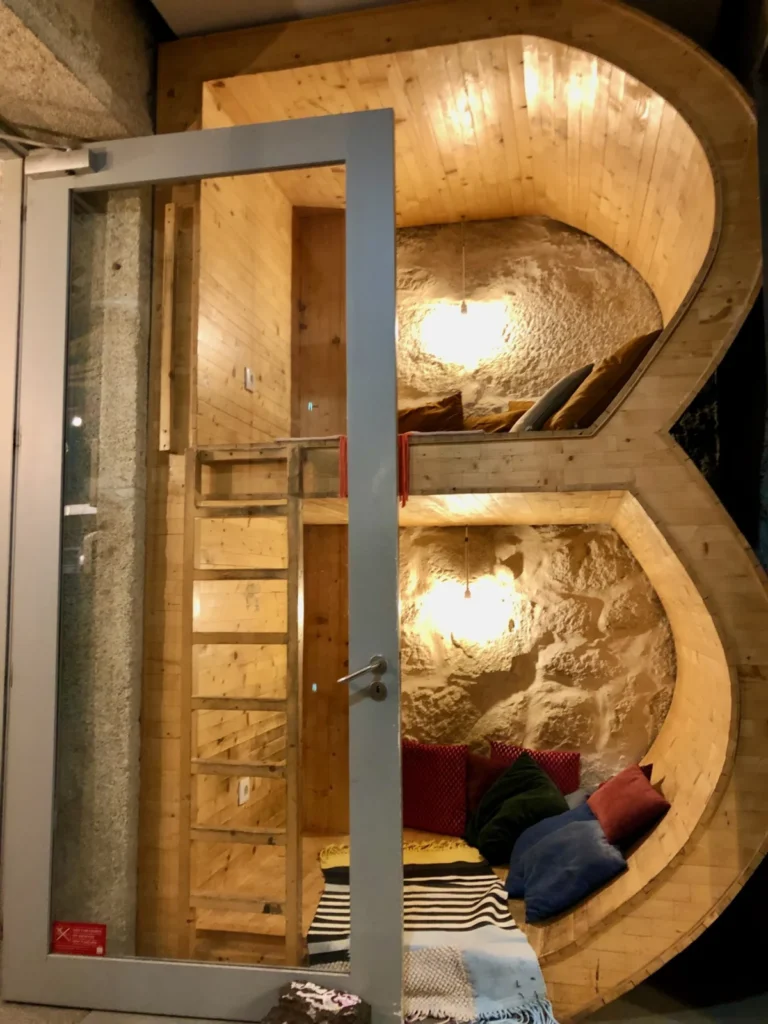
The European hostel landscape has undergone a dramatic transformation over the past twenty years, evolving from basic and occasionally rundown accommodations into sophisticated, design-forward hubs that cater to a diverse demographic of solo travelers and digital nomads. Having visited every country in Europe and logged stays in countless properties over more than two decades of independent travel, industry experts note that the continent’s hostel sector has set a global standard for modern budget travel.

Long gone are the days when hostels were solely associated with cramped, unkempt quarters and rigid curfews. Today’s European hostel market offers everything from eco-friendly properties and boutique design spaces to high-energy party environments and resort-style wellness facilities. Many modern establishments rival traditional hotels by integrating premium amenities such as indoor and outdoor swimming pools, saunas, Turkish baths, fully equipped fitness centers, and professional co-working spaces equipped with reliable high-speed Wi-Fi.

This evolution has effectively broadened the appeal of hostel living, attracting not only traditional backpackers in their late teens and early twenties but also older adults, professionals, and remote workers who desire both community and comfort. While age limits occasionally exist at specific niche properties, they remain remarkably rare across the continent, allowing travelers well into their thirties and beyond to comfortably navigate the hostel circuit without feeling out of place.

Financial considerations remain a primary draw for independent travelers, though pricing structures vary significantly depending on seasonality and geographic location. Standard dormitory beds typically range from nineteen to twenty-five euros per night, roughly sixteen to twenty-one British pounds, based on data heading into late 2026. Seasonal fluctuations dictate the market heavily, with February routinely registering as the most economical month for budget-conscious journeys, while August commands peak rates. Regional discrepancies are equally pronounced; bargain hunters can secure basic beds starting around nine euros in destinations such as Hungary and Albania, whereas summer demand in Switzerland and Iceland can push nightly fees past fifty euros.

Travelers opting for the lowest price points are frequently advised to exercise caution regarding location and hygiene. Properties situated far from city centers may offset initial savings with elevated transportation costs, while exceptionally cheap accommodations occasionally present challenges regarding cleanliness, maintenance, and security. Experienced solo travelers frequently recommend carrying a personal sleeping bag liner and verifying that properties provide secure storage lockers for valuables such as laptops, passports, and smartphones.

Security standards across European hostels generally correlate with pricing, though most reputable establishments now provide individual lockers within dormitories or secure front-desk safe deposit boxes. For travelers balancing multiple destinations, numerous hostels offer secure luggage storage services, permitting guests to explore a city unencumbered before evening departures or to leave larger packs behind during short overnight excursions to neighboring regions. Furthermore, selecting properties situated in well-lit, accessible neighborhoods remains a paramount consideration for personal safety, ensuring guests can return comfortably after evening sightseeing.

The market has also seen the rise of alternative lodging models, including university campuses that transform their student housing into holiday hostels during the summer academic break. These seasonal operations frequently provide twin rooms rather than large communal dormitories, often bundling breakfast and towels into the standard rate. Major commercial chains have simultaneously established a powerful footprint across major European capitals and cultural hubs, standardizing high levels of design and safety.

Among the prominent brands that have shaped the contemporary market, Plus Hostels has gained recognition for introducing hotel-grade wellness features to the budget sector, offering spa areas, swimming pools, and dedicated female-only floors complete with specialized amenities and security features in cities like Florence, Prague, and Berlin. Similarly, St Christopher’s Inns has established a widespread network focused on the traditional backpacker culture, integrating lively social spaces, British-style pubs, and Belushi’s bars across seventeen key European locations.

Boutique design brands have likewise redefined expectations, with Generator Hostels leading the sector by combining award-winning interior architecture with social cafes and central urban locations from London to Rome. Meanwhile, Safestay has carved out a distinct presence by offering stylish, accessible properties tailored equally to sightseeing tourists and digital nomads seeking productive communal work environments.

The sector has not been entirely immune to broader economic shifts. Notable brands have faced corporate restructuring, as seen when the parent company of Selina Hostels entered administration, prompting subsequent acquisitions and property rebranding that underscore the importance for travelers to verify current property operations prior to arrival. Despite such corporate transitions, the fundamental appeal of the European hostel experience remains anchored in its social infrastructure. Platforms such as Hostelworld have further enhanced the solo travel experience by introducing digital community features, allowing guests to review fellow traveler profiles, participate in regional chat groups, and coordinate social meetups up to a week prior to check-in.
Related News