Over 18,000 Artifacts Uncovered in Rescue Excavation at Historic 190-Year-Old Ohio Tavern
Article Editorial Team
TROY, OHIO—More than 18,000 historical artifacts have been recovered during a comprehensive rescue excavation conducted at the site of a 200-year-old tavern in western Ohio, shedding new light on the early days of settlement in the region. The archaeological work at the historic Overfield Tavern site follows years of community stewardship and a devastating fire that threatened to erase a vital piece of local history.
Originally constructed in 1808 by pioneers Benjamin and Margaret Overfield, the structure served as much more than a simple watering hole during the nascent years of Troy, Ohio. Chris Manning of the Troy Historical Society described the building’s central role in the developing community, noting that it functioned as the social hub of the frontier settlement.
"It was where the community gathered to celebrate, to share information, and to spend time together," Manning said.
In the decades before municipal infrastructure and permanent public buildings could be established, the Overfield Tavern acted as the multi-purpose civic center of the area. Beyond providing food, drink, and lodging to travelers and locals alike, the building hosted local militia meetings, public auctions, and served as both the community’s post office and its courthouse. Because of its pivotal role in early nineteenth-century civic and social life, the structure stands as an irreplaceable monument to the pioneer era of western Ohio.
Recognizing its historical significance, community preservationists transformed the building into a museum in the late 1940s, allowing generations of visitors to step back in time. In recognition of its architectural and cultural importance, the tavern was officially added to the National Register of Historic Places in 1976. However, the historic site faced a catastrophic threat in 2024 when an interior fire swept through the structure.
While the blaze caused significant damage, it inadvertently revealed a wealth of architectural data, exposing the original hand-hewn log walls that had been concealed behind later renovations. In response to the disaster, preservationists and local stakeholders initiated a meticulous restoration project to repair the damage and preserve what remained of the pioneer-era building. As part of this vital restoration effort, archaeologists were brought in to conduct a rescue excavation of the surrounding soil to recover any material culture left behind by the nineteenth-century occupants before restoration work disturbed the ground.
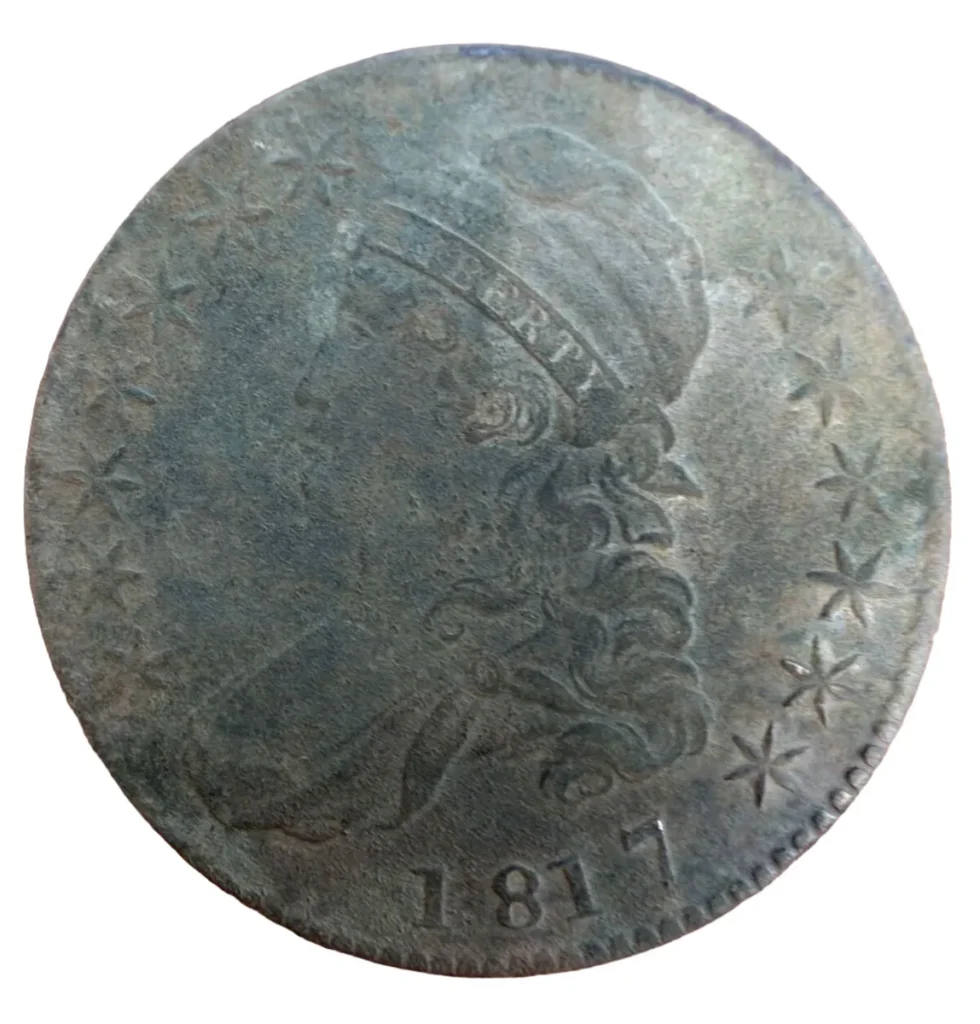
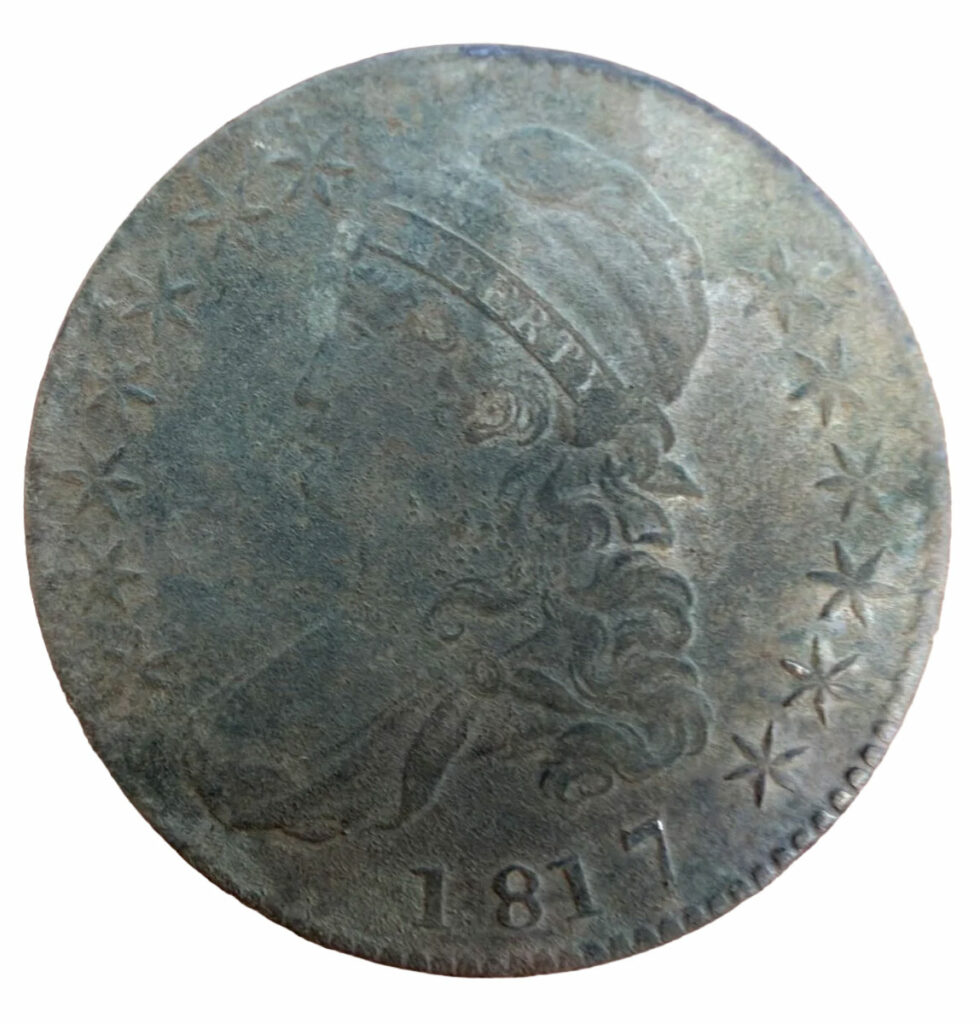
The excavation yielded a staggering volume of material, ultimately recovering more than 18,000 artifacts that paint a vivid picture of daily life in early Troy. Among the thousands of fragments, household items, and personal possessions discovered by archaeologists, one particular find stands out for its unique personal history and international journey: a Spanish silver coin minted in the late eighteenth century.
Unlike standard currency of the period that would have simply been spent and put back into circulation, this particular coin tells a more personal story of its owner. Manning explained that the silver coin had been intentionally pierced, likely so that it could be worn around the neck or carried as a good luck pendant. The presence of a late-eighteenth-century Spanish coin in a frontier Ohio tavern highlights the complex economic networks of the early American republic, where foreign coinage frequently circulated alongside domestic currency, and demonstrates how ordinary objects were often repurposed by pioneers seeking protection or fortune on the American frontier.
The rescue excavation and subsequent restoration of the Overfield Tavern represent a major milestone for preservation efforts in Miami County, ensuring that the physical remnants of Troy’s founding era are safeguarded for future generations. As researchers begin the arduous process of cleaning, catalogoring, and analyzing the more than 18,000 recovered artifacts, the site continues to offer invaluable insights into the social, economic, and civic foundations of nineteenth-century life in western Ohio.
Related News