Navigating the Carbon Offset Market: A Comprehensive Look at Project Types, Quality, and Pricing
Article Editorial Team
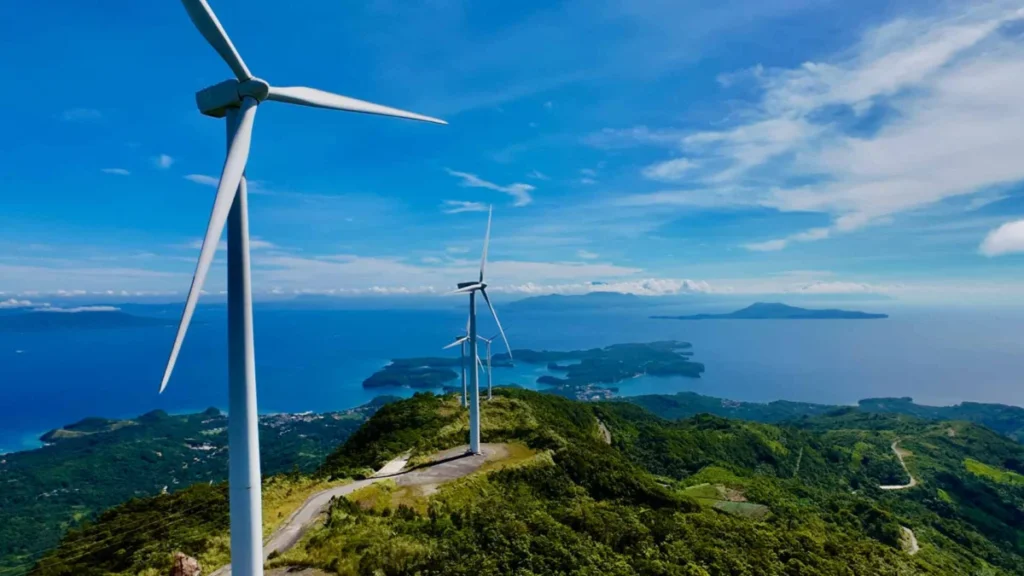
Not all carbon offsets work the same way. While some initiatives focus on protecting existing forests or building large-scale wind farms, others restore vital coastal mangroves or pull carbon dioxide directly out of the air using advanced technology. Understanding these diverse mechanisms is becoming increasingly critical as individuals, organizations, and corporations evaluate their options for mitigating environmental footprints and participating in the global carbon market.
Carbon offset projects are climate initiatives specifically designed to reduce or remove the greenhouse gas emissions driving global climate change. Operating across a vast geographical and functional spectrum—ranging from tropical rainforests and rural farmlands to bustling urban centers—these projects take many forms, including wetland restoration and waste-to-energy conversion.
The emissions reductions or removals generated by these projects are meticulously measured and verified by independent experts. Once validated, a single carbon credit is issued for every metric ton of greenhouse gases reduced or removed. When individuals or entities purchase these credits, their financial contributions directly support the ongoing work and maintenance of the respective projects. The primary categories encompassing these initiatives include forest-based, energy, waste and industrial, blue and teal carbon, agricultural, and technological carbon removal projects.
Avoidance Versus Removal Projects
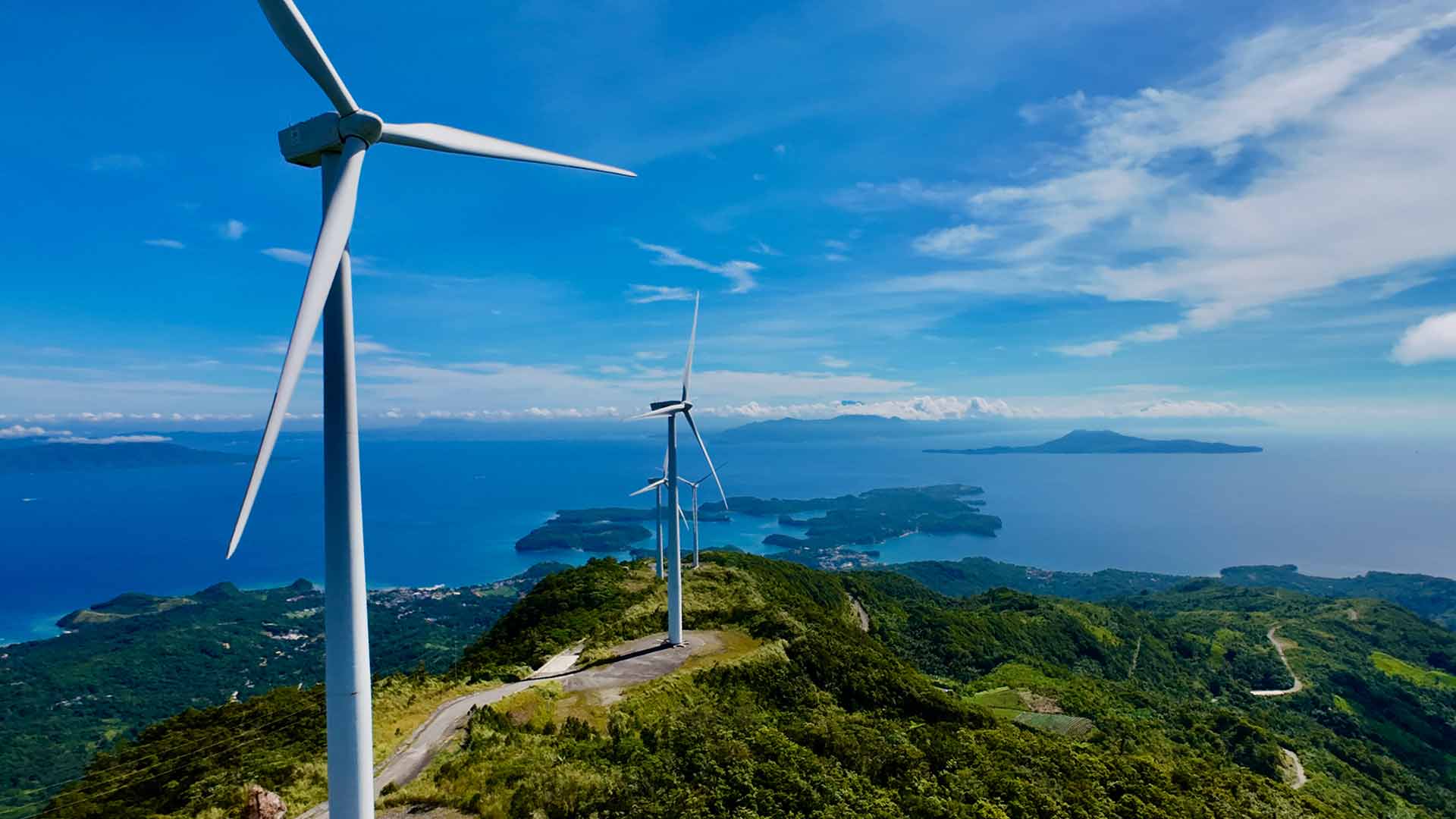
At a foundational level, carbon offset projects generally fall into two overarching categories: avoidance and removal. Avoidance projects focus on preventing future emissions from entering the atmosphere. Examples include constructing a wind farm to supplant fossil fuel-based energy generation or actively protecting vulnerable forests from illegal clearing and deforestation. Conversely, removal projects actively draw down carbon that is already present in the atmosphere through strategies such as large-scale reforestation or direct air capture technologies.
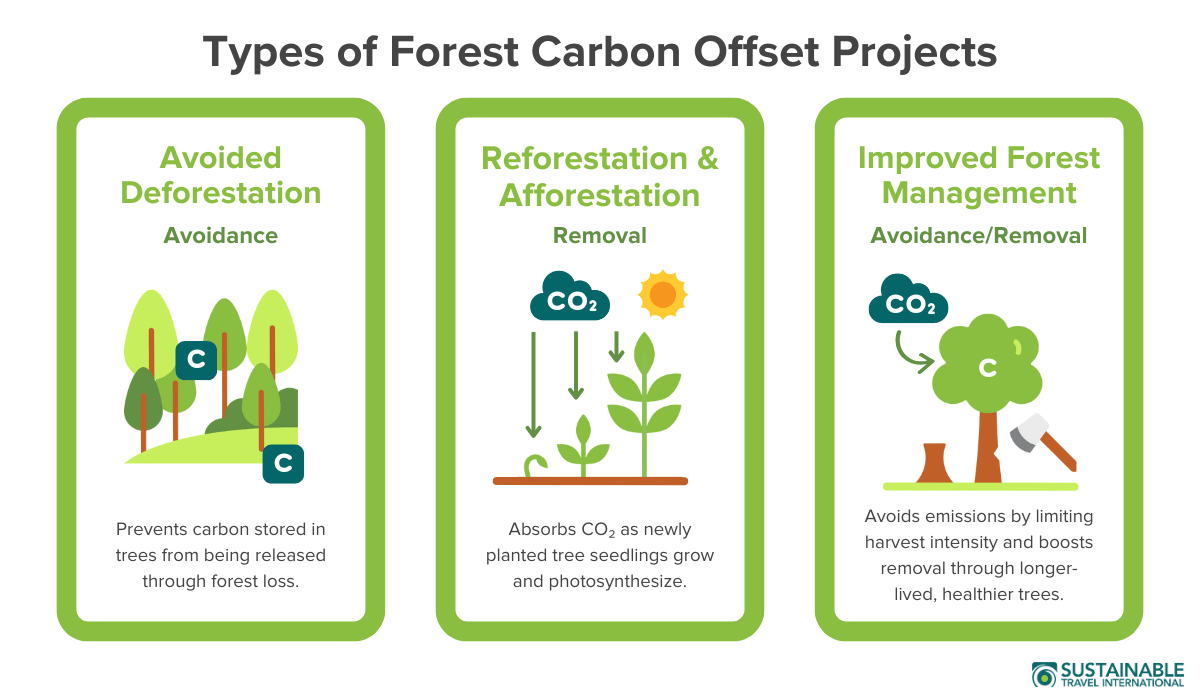
Forests play a vital role in combating climate change by naturally absorbing and storing atmospheric carbon via photosynthesis. Forest-based carbon offset projects leverage this natural capability by protecting existing woodland, restoring degraded areas, or improving overall forest management practices to maximize long-term climate benefits. The primary methodologies within this sector include avoided deforestation, reforestation and afforestation, and improved forest management.
To contextualize the scale of these impacts, the greenhouse gas emissions generated by a single round-trip flight between New York and London are roughly comparable to the amount of carbon that 25 tree seedlings would absorb over a ten-year period—or the equivalent emissions avoided by protecting approximately 1.5 acres of forest from deforestation for one full year.
Energy Carbon Offset Projects
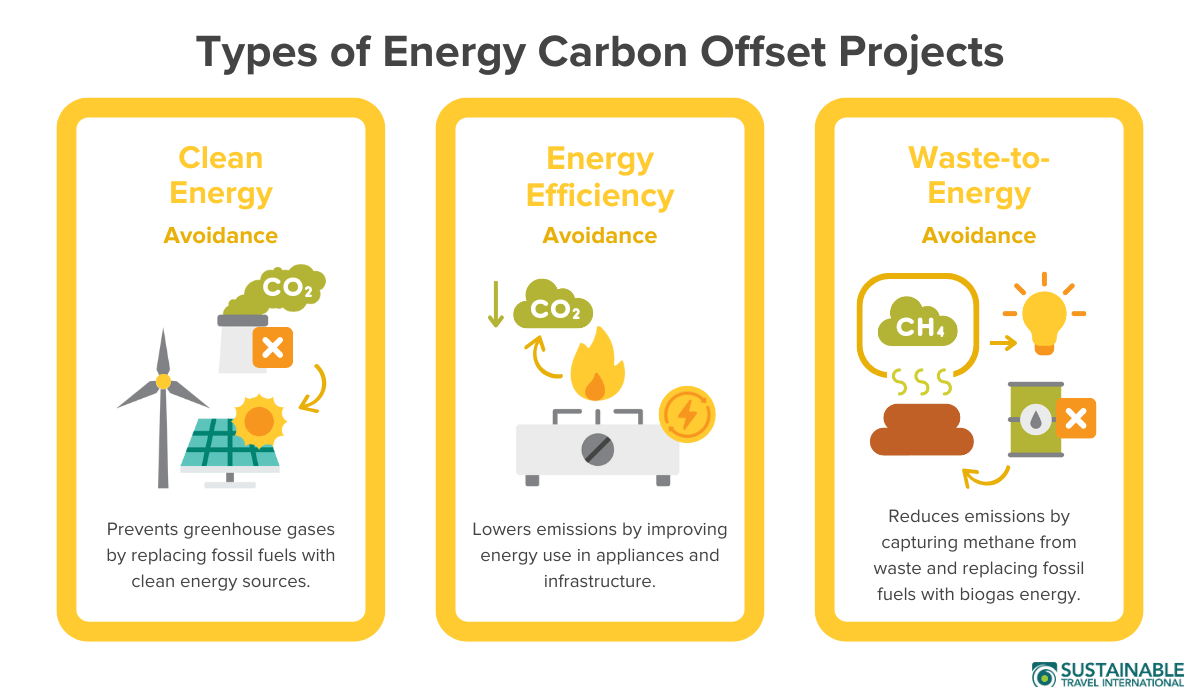
Energy-focused carbon offset projects target greenhouse gas emissions by transforming how power is produced, consumed, and sourced globally. These initiatives typically replace fossil fuel-based power generation with clean, renewable energy sources, recover usable energy from organic waste streams, and curb overall energy demand through the deployment of highly efficient appliances and industrial systems.
The core methodologies driving energy carbon offset projects include the expansion of clean and renewable energy infrastructure, the implementation of energy efficiency programs, and waste-to-energy conversion systems. For comparison, the carbon footprint of that same round-trip flight from New York to London is roughly equivalent to the emissions avoided by preventing the burning of 1,666 pounds of coal or 147 gallons of diesel fuel.
Waste Disposal and Industrial Processes
Beyond traditional waste-to-energy initiatives, a distinct subset of carbon offset projects focuses on the rigorous management of municipal waste and industrial byproducts to drive down greenhouse gas emissions.
Waste disposal projects encompass capturing and destroying methane gas released by decomposing organic matter in landfills, scaling up recycling programs to circumvent the emissions tied to producing entirely new materials, and expanding composting operations to prevent methane formation altogether. A notable real-world example is the Quanzhou Canhua PET Recycling Project in China, which transforms used plastic beverage bottles into high-grade plastic flakes, thereby significantly cutting carbon emissions by removing the necessity to synthesize new plastic from oil and gas extraction. By way of comparison, the emissions footprint of a New York-to-London round-trip flight roughly mirrors the emissions avoided by recycling 128 bags of trash instead of routing them to a standard landfill.
Meanwhile, industrial process carbon offset projects tackle potent pollution stemming from manufacturing and chemical synthesis by neutralizing or substituting high-impact greenhouse gases. These interventions frequently involve capturing methane gas leaking from active or abandoned coal mines, destroying nitrous oxide generated during chemical manufacturing, or replacing high-emission industrial refrigerants with more benign alternatives.
Blue and Teal Carbon Offset Projects
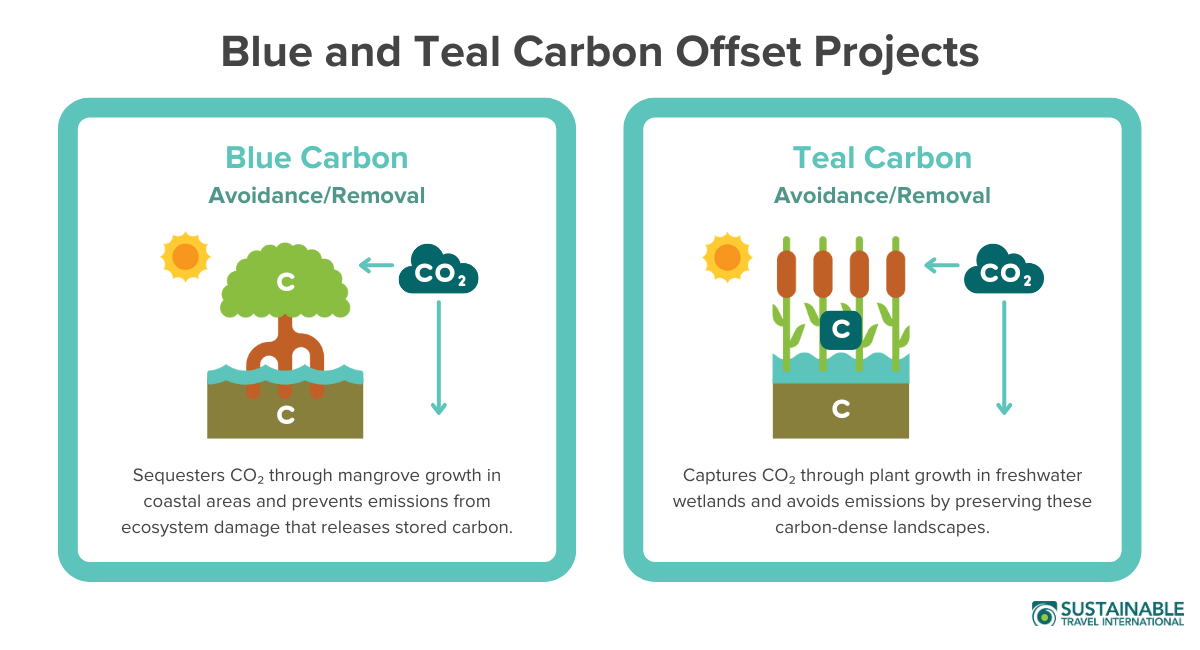
Blue carbon offset projects are dedicated to the conservation and restoration of vital coastal ecosystems, including mangrove forests, salt marshes, and seagrass meadows, whereas teal carbon projects concentrate on freshwater wetlands and peatlands. Although these aquatic and wetland environments cover significantly less surface area than terrestrial forests, they possess an outsized capacity for climate mitigation. Research indicates that these ecosystems can absorb carbon up to ten times faster than tropical rainforests. Furthermore, they can store roughly twice as much carbon per equivalent area—primarily within dense, waterlogged soils where extremely slow decomposition rates trap the carbon securely for millennia.
A prominent example of a blue carbon initiative is Mikoko Pamoja, a community-based endeavor that successfully conserves and restores mangroves along the southern coast of Kenya. On the teal carbon front, the Rimba Raya Biodiversity Reserve in Indonesia protects expansive peat swamp forests, safeguarding a critical natural habitat for rehabilitated orangutans that was once slated for clearance and conversion into commercial palm oil plantations.
Agriculture and Technological Carbon Removal
Agricultural carbon offset projects achieve emissions reductions through targeted land management and livestock strategies designed to curb high-emission practices while simultaneously bolstering carbon storage capacity within agricultural soils and vegetation.
In parallel, technological carbon removal relies on heavily engineered solutions to capture and store carbon dioxide in stable, long-lasting forms. Direct air capture, for instance, utilizes specialized industrial machinery and chemical reactions to extract carbon dioxide directly from ambient air. The captured gas can then be permanently sequestered deep underground or upcycled into commercial products such as synthetic fuels and specialized concrete. Beyond purely mechanical solutions, technology is increasingly deployed to supercharge natural carbon removal processes, accelerating nature’s inherent capacity to sequester carbon.
Market Trends and Credit Retirements
An analysis of annual carbon credit retirements by project type reveals distinct shifts in how global stakeholders support offsetting efforts. For years, avoided deforestation and renewable energy initiatives have dominated the voluntary and compliance carbon markets. However, categories such as blue carbon and innovative technological removals are experiencing steady growth. Together, these diverse approaches form a comprehensive toolkit capable of reducing and removing emissions at scale—particularly for hard-to-abate sectors where eliminating emissions directly at the source remains technologically or economically challenging.
Evaluating what constitutes a high-quality carbon offset project remains paramount, as not all initiatives deliver identical climate impacts. High-quality projects are rigorously verified against independent standards and must satisfy stringent criteria: their verified emission reductions must be additional—meaning the results would not have materialized without the financial backing of carbon credit sales—the sequestered carbon must remain stored for the long term, and the project must not inadvertently shift emissions elsewhere. Additionally, many premier projects deliver tangible co-benefits for local communities and surrounding biodiversity.
Pricing Dynamics Across Project Types
Carbon credit pricing exhibits wide variability, ranging from approximately $1 to $1,000 per metric ton. This pricing spectrum is dictated by factors such as project type, geographic location, operational scale, and current market demand. Projects that undergo rigorous independent verification and generate substantial co-benefits for local populations and ecosystems typically command higher prices.
Project scale and maturity also heavily influence cost structures. Large-scale wind and solar installations can produce credits at a lower per-ton price due to economies of scale and established operational frameworks. Conversely, smaller community-based projects often feature higher operational overhead relative to their credit output, resulting in elevated prices. Similarly, nascent carbon removal technologies, such as direct air capture facilities, remain expensive as the sector continues its early-stage deployment.
Organizations such as Sustainable Travel International curate diversified climate portfolios that blend forestry, energy, blue and teal carbon, and technological removal projects, enabling purchasers to support multi-faceted climate action through a single portfolio vetted by internal due diligence procedures alongside independent standard certifications.
Related News