Crafting the Ultimate Remote Job Application: Key Strategies for Success in a Virtual Workforce
Article Editorial Team
The modern employment landscape has undergone a profound shift, with remote work transitioning from a temporary perk into a permanent, highly sought-after career model for millions of professionals globally. However, as competition for virtual positions intensifies, candidates are discovering that securing a work-from-home role requires a distinct approach compared to traditional office-based hiring processes. Whether transitioning from a corporate cubicle or entering the workforce as a seasoned remote professional, understanding how to effectively tailor application materials can ultimately determine whether an applicant lands the job.
Navigating the remote job market successfully involves more than simply possessing the technical qualifications for a specific role. Employers hiring for virtual positions look for a unique combination of autonomy, communication prowess, and technological adaptability. Because hiring managers cannot observe a candidate’s day-to-day work habits in a physical office, every element of the application—from the resume to the cover letter—must deliberately prove that the applicant can thrive independently.

Tailoring the Resume for Remote Opportunities
While a standard resume outlines past employment history and core competencies, a remote-focused resume requires a strategic emphasis on virtual capabilities. Experts note that even candidates lacking extensive remote work histories can successfully frame their backgrounds to appeal to virtual employers. Previous tasks involving remote coordination, business travel management, or independent project execution from home can be artfully integrated into standard employment histories to demonstrate an understanding of remote work dynamics.
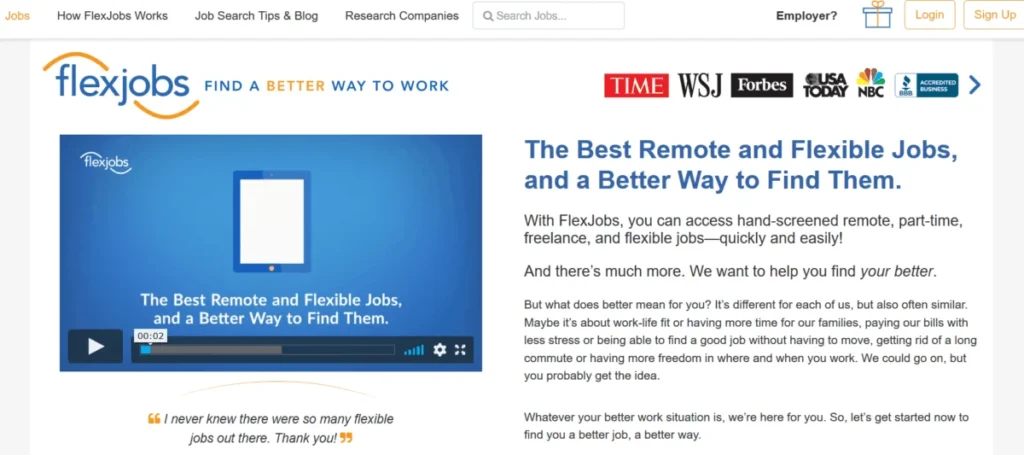
For professionals with entirely office-based backgrounds, building a competitive remote profile often involves proactive steps. Engaging in freelance projects, consulting, or taking on part-time online assignments can help build a credible remote portfolio. Specialized online platforms such as FlexJobs serve as valuable resources for discovering verified part-time and full-time virtual opportunities with reputable global organizations like Apple, Dell, and The American Red Cross.

Beyond past experience, highlighting specific remote work skills is crucial. Employers consistently search for indicators of self-motivation, exceptional written and verbal communication, time management, and problem-solving abilities. Translating these qualities onto a resume involves providing concrete examples of how past challenges were met with autonomy and resourcefulness. Additionally, keeping professional networking profiles, such as LinkedIn, fully aligned with these remote-centric qualifications ensures that a candidate’s online presence reinforces their readiness for a virtual career.
Maximizing the Impact of the Cover Letter
The cover letter provides a vital platform to speak directly to hiring managers, moving beyond the static bullet points of a resume to articulate a candidate’s unique value proposition within a remote context. Rather than focusing solely on what the company can offer the employee, successful cover letters emphasize the tangible benefits the candidate brings to a distributed team. Articulating past success in managing virtual projects or coordinating tasks across disparate teams demonstrates an immediate readiness for remote collaboration.

Candidates frequently utilize the cover letter to highlight the intrinsic qualities that make them suited for independent work. Explaining how a remote environment fosters greater productivity, focus, and self-discipline reassures employers that the applicant will excel without direct, in-person supervision. Furthermore, for positions operating across different geographical regions, addressing availability and time zone logistics proactively is essential. Candidates often specify their working hours to demonstrate how their schedule will overlap with core team hours, thereby mitigating concerns regarding cross-border communication.
Demonstrating familiarity with standard remote collaboration tools is another critical component of a modern application. Employers expect candidates to be comfortable navigating virtual communication and project management applications. Referencing proficiency in tools such as Slack for team messaging, Trello or similar software for task tracking, and Zoom for video conferencing proves to a hiring manager that the applicant can integrate smoothly into an existing digital workflow.

Transparency regarding home office readiness further strengthens an application, particularly for candidates transitioning to remote work for the first time. Briefly mentioning a dedicated, quiet workspace equipped with high-speed internet and reliable technology provides employers with peace of mind. Additionally, security-conscious professionals often note their use of secure virtual private network services, such as NordVPN, to protect sensitive data while working online, signaling a high level of professional responsibility.
Follow-Up Protocols and the Hiring Process
Proactive communication does not end once the initial application materials are submitted. Following up with a polite, professional email a week or two after application submission keeps a candidate visible on the hiring manager’s radar and demonstrates genuine enthusiasm for the role. A concise follow-up message reiterates interest in the organization and inquires about the status of the hiring process without appearing overly persistent.

Ultimately, navigating the competitive remote job market requires a targeted strategy that highlights both professional expertise and virtual readiness. By carefully curating application materials to emphasize autonomy, technical proficiency, and effective communication, candidates can position themselves strongly for success in today’s evolving digital economy.
Related News