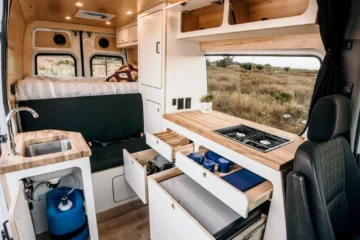
Comprehensive Guide Details Dimensions for Ford Transit Camper Conversions and Van Life Planning
Article Editorial Team

For aspiring van-lifers and automotive enthusiasts looking to convert a Ford Transit into a custom camper, understanding the precise interior and exterior dimensions is a critical first step. Industry data compiled from official manufacturer brochures and specification sheets provides a detailed breakdown of the various configurations available across the Ford Transit lineup, covering the T-150, T-250, and T-350 models, alongside cargo variants, passenger configurations, and the rugged Transit Trail.
The fourth generation of Ford Transit vans, initially introduced to the market in 2015, established a versatile platform for both commercial operations and recreational conversions. Cargo vans within this generation are categorized across three distinct models, three roof height options, and two primary wheelbase choices. The T-150 is typically available with a 130-inch wheelbase, while the T-250 and T-350 expand options to include a 130-inch wheelbase, a 148-inch wheelbase, and a 148-inch extended wheelbase variant often designated as the 148” EX. Beyond the traditional cargo configurations, buyers have long utilized the passenger version of the van, engineered with flexible seating arrangements designed to comfortably accommodate between 12 and 15 passengers.
More recently, the market saw the introduction of the Ford Transit Trail in 2023, a model specifically marketed toward the burgeoning van life community. This specialized adventure camper variant arrived factory-equipped with enhancements tailored for off-grid travel, including increased ground clearance, a factory-installed Maxxfan Deluxe ventilation system, and a robust all-wheel-drive system designed to tackle rough terrain.

Analyzing the physical footprint of these vehicles involves looking closely at how wheelbase options translate into spatial capacity. The 130-inch wheelbase variant features an exterior length of 219.9 inches and an interior cargo floor length of 126 inches. Stepping up to the 148-inch wheelbase increases the exterior length to 235.5 inches and the interior cargo floor length to 143.7 inches. For those requiring maximum interior volume, the 148-inch extended wheelbase variant stretches the exterior length to 263.9 inches, providing an interior cargo floor length of 172.2 inches.
Width measurements remain relatively consistent across the fourth-generation platform. The exterior width measures 97.4 inches overall, or 93.1 inches when excluding the side mirrors. Inside the cargo area, the maximum floor width reaches 67.9 inches, while the space between the interior wheelhouses narrows to 54.8 inches.
Roof height represents another crucial variable for builders, dictating whether occupants can stand upright inside the vehicle. The low roof configuration yields an exterior ground-to-roof height of 83.9 inches, an interior cargo floor-to-ceiling height of 56.9 inches, and a standing height of approximately four feet and seven inches, meaning most adults cannot stand fully upright. The medium roof model increases the exterior height to 100.8 inches, offering an interior height of 72 inches, which equates to a full six feet of standing room. For maximum headroom, the high roof variant stands at 110.1 inches externally, delivering an interior cargo height of 81.5 inches, or six feet and seven inches of standing clearance.
Navigating official manufacturer spec sheets requires an understanding of automotive terminology. The wheelbase, defined as the distance between the front and rear axles, heavily influences both interior space planning and the overall turning radius of the vehicle. While cargo and passenger transit vans utilize these varied wheelbases, the 148-inch extended wheelbase is uniquely paired with a dual-rear-wheel setup to handle heavier loads securely.

When planning a camper conversion, builders must account for the impact of insulation. Incorporating two to four inches of insulating material along the floor and ceiling can reduce interior standing height by up to six inches, a factor that can significantly alter the livability of medium and low roof models. Similarly, interior mattress placement requires careful consideration. Because the maximum cargo width of a Transit van measures 67.9 inches, standard queen-sized mattresses can fit width-wise, but sideways placement often requires aftermarket vehicle body flares to create sufficient horizontal sleeping space.
Door dimensions also dictate how easily gear and occupants can move in and out of the vehicle. Specifications typically account for the side-door opening height from the ground, the side-door opening width when the sliding door is fully retracted, and the rear cargo door opening width at maximum extension.
Cargo capacity metrics measure the total cubic feet available for gear behind the driver’s seat, a figure heavily influenced by the chosen roof height and vehicle length. Passenger vans feature significantly smaller baseline cargo volumes due to factory seating, though removing these seats opens up substantial interior space. Additional factory metrics include load height, which measures the distance from the ground to the empty cargo floor, helping builders gauge the effort required to load heavy equipment into the van. The curb-to-curb turning radius provides insight into maneuverability in tight corners and parking lots, while maximum payload and Gross Vehicle Weight Rating figures establish safe thresholds for combined vehicle and cargo weight.
The Ford Transit lineage traces its roots back to 1965 with the production of the Ford T-Series. The launch of the fourth-generation Transit marked a pivotal shift for the North American market, as it was the first version officially sold in the United States and Canada, effectively replacing the aging Ford E-Series Econoline cargo and passenger van lineup.

As the popularity of mobile living continues to grow, comparisons between the Ford Transit, the Mercedes Sprinter, and the RAM ProMaster remain common among prospective builders weighing their options for custom van conversions. Choosing between a standard 148-inch wheelbase and the 148-inch extended variant often comes down to a balance between maneuverability in tight parking spaces and the desire for an additional 28 inches of buildable interior floor space. Meanwhile, medium-roof models continue to offer an accessible entry point for van life, providing ample headroom for individuals of average height while maintaining a balanced profile for everyday driving.
Related News