Navigating Safety and Security: Essential Pre-Booking Checks for Solo Travelers and High-Value Purchases
Article Editorial Team
Navigating the global travel landscape as a solo adventurer offers an unmatched sense of freedom, but it also places the entire burden of risk assessment squarely on the individual. Unlike group excursions or trips with companions, where a second set of eyes can scrutinize a hotel listing, evaluate a tour operator, or spot anomalies in a booking agreement, the solo traveler must act as their own comprehensive safety audit team.
After spending considerable time traveling alone, rigorous pre-booking research inevitably evolves from a tedious chore into an instinctive daily routine. Establishing who ultimately receives your funds, precisely what services those funds secure, and identifying reliable points of contact should an emergency arise are foundational steps for anyone traversing the globe independently.
This heightened level of scrutiny applies universally across the modern tourism sector, whether an individual is securing a boutique small-group tour, executing a short-term apartment rental, or entering into more complex, long-term commitments such as vacation club memberships. While a polished digital storefront, sophisticated aesthetic design, and an abundance of glowing testimonials can easily foster a false sense of security, industry analysts note that superficial marketing collateral rarely reveals the complete operational reality of a provider. Consequently, establishing a robust methodology for evaluating travel enterprises before exchanging financial assets has become a critical topic of discussion within consumer advocacy circles.
Verifying Digital Authenticity and Navigating Official Platforms
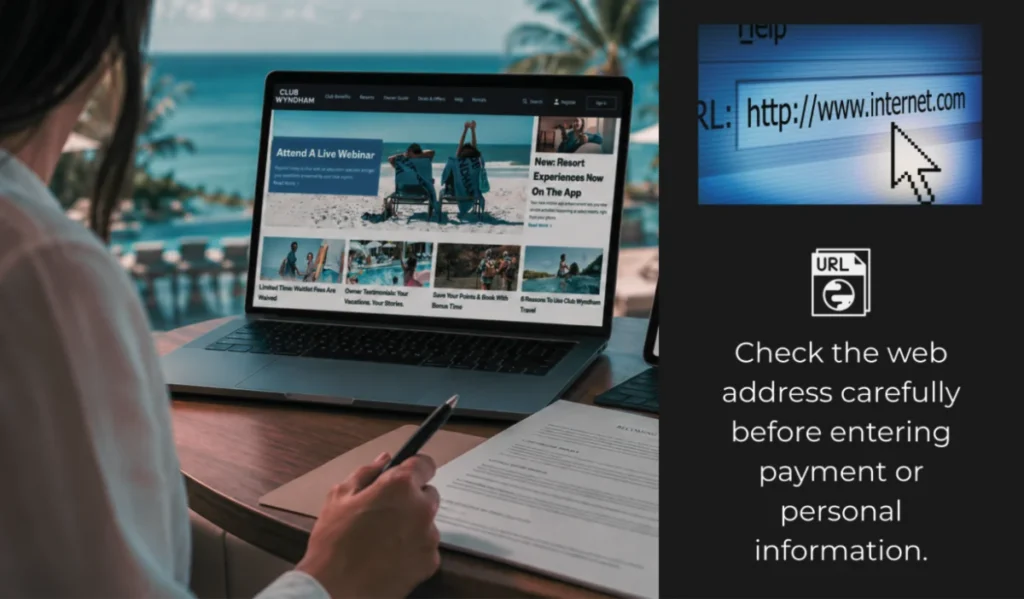
At the foundational level of travel preparation lies the deceptively simple task of confirming platform authenticity. In an era where sophisticated phishing campaigns and deceptive search engine optimization can generate remarkably convincing digital storefronts, taking web addresses seriously is paramount. Cybersecurity experts and consumer advocates consistently recommend navigating directly to a company’s verified official website independently, rather than placing blind trust in direct links embedded within unsolicited emails, unexpected text messages, or targeted social media advertisements.
Before transmitting sensitive payment credentials or personal identifiers, travelers are advised to closely examine the uniform resource locator. Beyond the browser bar, evaluating the overall transparency of the digital platform yields critical insights into the legitimacy of the business. Legitimate travel providers typically make comprehensive corporate identity information, transparent communication channels, and accessible documentation regarding booking protocols, cancellation policies, and refund frameworks readily available.
When a travel business requests substantial financial investments, locating basic operational and legal information should not resemble an arduous scavenger hunt. The ease with which a consumer can identify corporate headquarters, regulatory compliance records, and direct customer support lines often serves as an early indicator of institutional reliability and customer service ethos.
Critically Evaluating Consumer Feedback Beyond Five-Star Ratings
While peer reviews remain a cornerstone of modern travel planning, experienced independent explorers rarely rely on aggregate star ratings alone. Comprehensive research methodologies typically involve cross-referencing a company’s official designation alongside key investigative terms such as independent reviews, formal complaints, and consumer fraud warnings. When examining consumer feedback, identifying systemic patterns is far more illuminating than focusing on isolated grievances.
A single dissatisfied consumer rarely invalidates an enterprise that successfully processes thousands of bookings annually. However, if multiple independent reports consistently describe identical unexpected supplementary charges, systemic reservation failures, or persistent obstacles regarding refund processing, those shared experiences warrant serious consideration. Furthermore, observing how a corporate entity responds to criticism provides invaluable insight into its organizational culture. Constructive, transparent responses that address root causes and detail corrective actions often distinguish reputable operators from unreliable vendors.

It is also vital to distinguish between curated testimonials hosted directly on a company’s proprietary marketing channels and unfiltered feedback housed on independent consumer advocacy platforms. Understanding the specific context in which a reviewer experienced a service—such as analyzing the operational style of a specific adventure tour operator rather than simply measuring personal satisfaction levels—allows potential travelers to determine whether a particular travel style genuinely aligns with their individual preferences and risk tolerance.
Dissecting Financial Commitments and Hidden Cost Structures
Understanding the exact scope of a financial transaction represents one of the less glamorous aspects of itinerary preparation, yet it frequently shields travelers from severe fiscal stress down the line. Prior to authorizing any transaction, conducting a line-by-line examination of inclusions and exclusions is essential.
For long-term commitments, such as vacation ownerships or fractional holiday clubs, the financial evaluation must extend well beyond the initial purchase price. Prospective buyers need to carefully calculate ongoing annual maintenance fees, administrative dues, and potential currency fluctuation impacts if the product operates on a point-based allocation system. Furthermore, understanding how reservation availability fluctuates during peak travel seasons and evaluating the contract’s exit strategies are vital components of responsible financial planning.
Consumer protection agencies consistently emphasize that any verbal assurance provided by a sales representative regarding membership benefits or flexibility must be explicitly verified within the written contractual terms. If a promised perk cannot be located in the binding paperwork, purchasers are strongly encouraged to pause the process, regardless of sales pressure. A sound travel investment should retain its logical and financial coherence long after the excitement of an initial promotional presentation has faded.
Guarding Against Unsolicited Communications and Social Engineering
Unsolicited communications do not inherently signal malicious intent, but they should fundamentally alter how a traveler verifies the identity of the person initiating contact. The mere fact that an individual possesses personal data, past travel itineraries, or specific details regarding owned assets does not authenticate their affiliation with a recognized travel provider.
When approached unexpectedly regarding travel club modifications, rental opportunities, or ownership exit strategies, security professionals advise against utilizing the phone numbers, email addresses, or web links provided directly within the message. Instead, consumers should independently locate the corporate entity’s verified contact channels and initiate dialogue directly.
This vigilance is particularly critical for vacation club members who frequently encounter targeted outreach from third parties offering guaranteed resale results or demanding substantial upfront administrative fees before rendering any tangible service. Independent verification remains the most effective defense against unauthorized financial transfers and data exploitation across all sectors of the tourism industry.
Exercising Caution with Irreversible Payment Instruments
The payment phase of any travel arrangement serves as a critical juncture for deliberate pause. Consumer protection frameworks advise heightened caution whenever a vendor insists upon utilizing payment mechanisms that lack consumer protection or prove exceptionally difficult to reverse, particularly when such requests are accompanied by aggressive urgency or artificially inflated discounts.

Gift cards, direct wire transfers, and unauthorized cryptocurrency transactions represent classic warning signs within consumer fraud prevention guidelines. If payment instructions undergo sudden modifications during an ongoing transaction, travelers must independently verify the change through official corporate channels before releasing funds.
Financial regulatory bodies frequently recommend utilizing standard credit cards for substantial travel purchases where applicable, as credit facilities often provide additional statutory dispute resolution mechanisms and chargeback protections. However, because specific protections vary widely depending on jurisdictional laws and individual card issuer agreements, verifying the exact terms of one’s financial instruments remains a prudent preparatory step. Moreover, heavily discounted luxury packages or impossibly inexpensive villa rentals should prompt increased analytical rigor rather than hasty financial commitments.
Establishing Contingency Frameworks and Comprehensive Insurance
When traveling with companions, logistical disruptions such as delayed flights, misplaced luggage, or substandard accommodations can be shared and managed collectively. For solo travelers, navigating these hurdles requires absolute self-reliance.
Consequently, establishing contingency protocols before departure is a vital component of independent risk management. Travelers must identify whether a service provider offers 24-hour emergency support, understand the operational parameters for late-night arrivals, and thoroughly review cancellation deadlines and refund liabilities in the event of operator-initiated trip cancellations. Preserving critical documentation offline—including digital and physical copies of booking confirmations, accommodation addresses, local emergency contacts, and insurance policy schedules—ensures access even in the absence of reliable cellular data networks.
Travel insurance demands an identical level of analytical attention. Policies vary significantly regarding emergency medical evacuation coverage, geographical exclusions, pre-existing medical condition clauses, trip duration limits, and personal property deductibles. Evaluating these variables against the specific demands of an itinerary ensures that potential disruptions are met with structured preparedness rather than improvised crisis management.
Mitigating the Pressure of Artificial Urgency
Many of the most detrimental consumer decisions stem from tactical environments engineered to manufacture a sense of false urgency, often framed around restrictive payment deadlines or limited-availability claims. While genuine travel promotions do operate under authentic operational time constraints, artificial pressure should never supersede the necessity of conducting due diligence and reviewing legal terms.
This principle is magnified when evaluating high-value commitments such as timeshares or vacation memberships. Consumer protection agencies routinely advise prospective buyers to insist upon adequate time to study exhaustive legal paperwork outside of the sales environment. Depending on regional jurisdiction and specific contractual frameworks, certain travel purchases may be protected by statutory rescission periods, allowing a limited window for cancellation after signing. However, relying on universal cancellation policies without verifying the exact governing statutes is a significant risk.
When a commercial representative becomes evasive or defensive in response to direct inquiries regarding total costs, cancellation liabilities, or contractual terms, that resistance serves as a clear indicator of potential institutional friction. Dedicating a brief period to rigorous research ultimately transforms the booking experience, allowing independent travelers to commit resources with confidence and return to the primary objective of planning their next journey.
Related News