Ancient Teeth Reveal Britain’s Medieval Lead Industry Began Centuries Earlier Than Thought
Article Editorial Team

DERBYSHIRE, ENGLAND—Chemical analysis of tooth enamel from individuals who lived in central England’s Peak District suggests that large-scale lead mining and smelting in Britain’s post-Roman period was already well underway by the mid-seventh century A.D. The findings, released in a statement by the University of Nottingham, reshape our understanding of early medieval industry, public health, and environmental contamination in the British Isles.
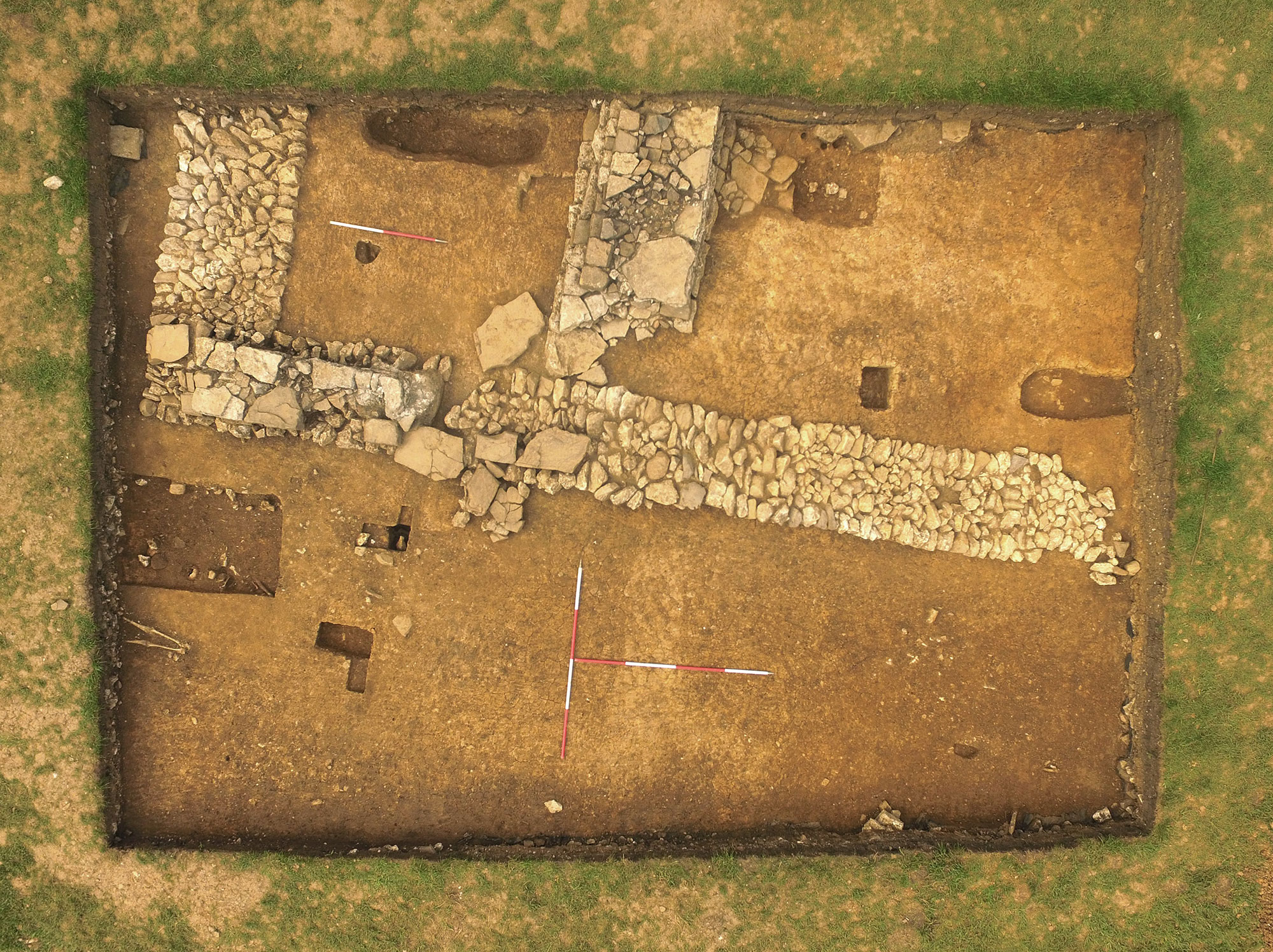
The research, led by Christopher Loveluck and his colleagues at the University of Nottingham, relies on the biological archive preserved within human teeth. When teeth form during childhood, they absorb various elements from the surrounding environment, including heavy metals like lead. This accumulation becomes permanently locked into the tooth enamel, serving as a lifelong chronological record of an individual’s exposure to dietary and environmental toxins.

By examining this chemical signature, the researchers were able to track the invisible toll of early industrial practices on local populations. The extraction and processing of lead ore—activities fundamental to metalwork, construction, and trade—inevitably released contaminated dust, toxic fumes, and heavy particulate matter into the immediate surroundings. These hazardous materials are well known to modern science for their severe toxic effects on human biological systems, particularly harming the nervous, renal, and reproductive systems, especially during critical developmental years in childhood.

To gauge the timeline and severity of this exposure, Loveluck’s team compared lead levels found in human remains recovered from three distinct cemeteries in the Peak District with samples from individuals buried in other regions of Britain across a vast chronological span, stretching from the Neolithic period all the way through the Industrial Revolution.

The results of this comparative analysis revealed a startling historical parallel. The study determined that by the seventh century A.D., children growing up within the early mining communities of the East Midlands experienced levels of lead exposure that were comparable to those suffered by children living in heavily industrialized urban centers some 1,000 years later during the height of the modern Industrial Revolution.

The implications of these findings stretch far beyond economic history, offering a sobering window into the daily living conditions of early medieval society. Anna Bloxam of the University of Nottingham emphasized the domestic reality uncovered by the study, noting that the contamination was not confined to industrial workshops but permeated the home environment.
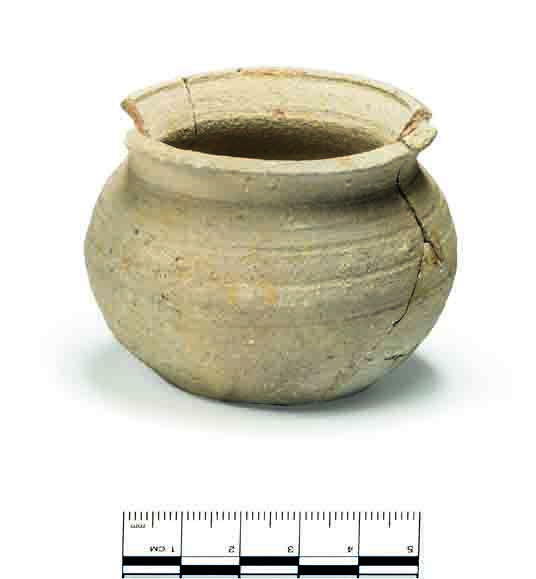
"Our results indicate that in these mining communities, girls and boys alike were raised in dangerously polluted home environments," Bloxam said. She further explained that this persistent, generational exposure would have inevitably triggered detrimental health consequences throughout an individual’s lifespan, and likely contributed directly to higher rates of premature mortality, particularly among women of childbearing age whose physiological systems were vulnerable to heavy metal accumulation.

The research also charted how the intensity of this environmental poisoning shifted over the centuries, tracking the ebbs and flows of medieval industrial output. According to the study’s data, the highest concentrations of lead detected in human remains dated to the late twelfth and early thirteenth centuries. This peak in bodily lead burden corresponds directly with historical records showing that lead production in the Peak District reached its maximum output during this medieval boom period, amplifying both economic prosperity and environmental toxicity in the region.

The original scholarly article detailing this extensive research and its broader archaeological and historical methodologies has been published in the academic journal Antiquity.
Related News