Redefining Exploration: How Global Destinations Are Putting the Seven Principles of Authentic Ecotourism into Practice
Article Editorial Team

As modern travelers become increasingly conscious of their ecological footprints, a fundamental question echoes across the global tourism landscape: how do our journeys genuinely affect the places we visit? Far beyond a passing industry trend, ecotourism offers a vital pathway to experience the natural world while actively protecting fragile ecosystems and supporting the indigenous and local communities that live alongside them. While defining ecotourism and its foundational principles introduces the core concepts of sustainable travel, understanding how those theories translate into real-world action remains the ultimate challenge for travelers, tourism operators, and destination managers alike.
By examining authentic ecotourism examples from across the globe, industry observers, travelers, and businesses can better recognize genuine sustainability efforts while steering clear of deceptive greenwashing. Each facet of responsible travel relies on core principles that reshape tourism on the ground, proving that travel can be a powerful force for preservation rather than depletion.
Ecotourism Principle #1: Minimize Negative Environmental and Wildlife Impacts
Nature-based tourism frequently draws travelers into delicate, fragile environments where visitor activity—if left unmanaged—can trigger severe environmental degradation. Issues such as soil erosion, pollution, habitat disruption, and acute stress on wildlife populations threaten the very landscapes visitors cross oceans to see. Mitigating these threats requires a deliberate commitment to travel practices that actively reduce harm while bolstering ecosystem resilience.
On-the-ground execution of this principle involves deploying low-impact infrastructure, enforcing strict waste reduction protocols, and championing responsible wildlife viewing. Furthermore, destinations must rely heavily on adaptive visitor management, a dynamic approach that involves continuously monitoring environmental conditions and proactively adjusting access routes, visitor numbers, or operational guidelines to alleviate pressure and prevent destructive overtourism.
The Galápagos Islands offer a profound global example of why minimizing environmental impact is paramount. Shaped by millions of years of complete geographic isolation, the archipelago harbors countless endemic species found nowhere else on Earth. Because many of these animals evolved in the absence of natural predators, they are exceptionally sensitive to human disturbance.
To safeguard these irreplaceable ecosystems, tourism in the Galápagos operates under a meticulously managed system. Ninety-seven percent of the entire archipelago is legally designated as a national park, while a surrounding marine reserve protects hyper-biodiverse waters. Strict zoning laws restrict visitor activities to specific, less vulnerable areas, and cruise tourism has been strictly capped since 1998 to prevent visitor volumes from overwhelming local ecosystems—though land-based tourism continues to introduce evolving management hurdles.
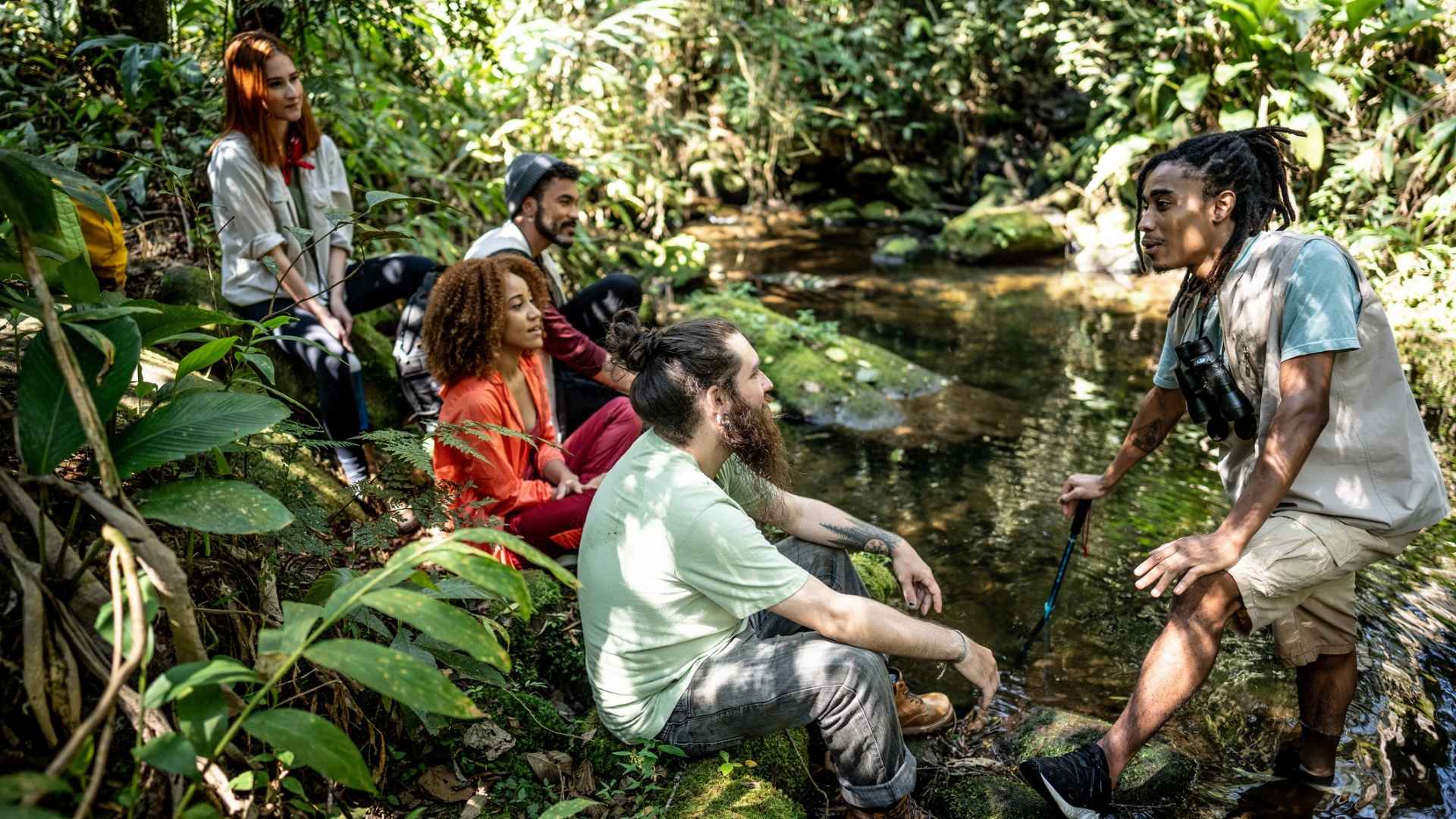
All travelers are legally required to follow stringent park rules, which include traveling exclusively in the company of licensed naturalist guides and remaining strictly on marked trails. Additionally, vital renewable energy projects have been implemented to drastically reduce the persistent risk of catastrophic fuel spills, such as a tragic past tanker accident that claimed the lives of more than 10,000 marine iguanas.
Beyond macro-level destination policies, individual operators can drastically curb environmental degradation through the conscious design of their ecotourism activities. In Norway’s remote Svalbard archipelago, Svalbard Wildlife Expeditions centers its entire operational philosophy around non-motorized travel. Guests explore the stark Arctic wilderness on foot, via kayak, or on skis. These intentional approaches entirely eliminate engine noise, drastically cut emissions, and limit physical disturbance to fragile Arctic terrain and local wildlife. Expert guides emphasize maintaining impeccably safe distances from animals and strictly adhering to leave-no-trace ethics, further shielding these vulnerable polar environments from human impact.
Ecotourism Principle #2: Minimize Negative Impacts on Communities and Cultures
Nature is rarely just a scenic backdrop or a leisure attraction; it serves as the literal foundation for the identity, culture, and daily survival of the local communities that call these destinations home. Without careful, deliberate management, nature-based tourism can fracture that vital connection. Unchecked visitor influxes can degrade culturally sacred natural sites, crowd local recreation areas, and restrict traditional access to forests, rivers, and fishing grounds upon which communities have relied for generations.
Moreover, tourism frequently strains scarce local resources, most notably water supplies in arid regions where natural availability is already severely constrained. Even commercial lodges marketed broadly as "eco-friendly" have been known to consume vast quantities of water for swimming pools or lush landscaping, generating profound social friction with nearby households and local farmers. True ecotourism champions local livelihoods, fiercely respects cultural ties to the environment, and ensures that visitor enjoyment never comes at the direct expense of the people who depend on those ecosystems.
Sedona, Arizona, a desert municipality globally celebrated for its dramatic red rock formations and outdoor recreation opportunities, illustrates how a destination can courageously course-correct. As visitor numbers surged year after year, local residents increasingly voiced alarm over severe traffic congestion, intrusive noise, and environmental pollution. In response, Sedona began pivoting away from traditional, volume-driven destination marketing toward a deeply community-informed management approach.
Today, the destination actively invests in alternative transit solutions to ease vehicular traffic, channels visitors away from overused and eroded trails, and directs increased revenue streams toward comprehensive trail maintenance. Furthermore, the town has successfully introduced strict limitations on helicopter flight paths to mitigate deafening noise pollution over residential and environmentally sensitive zones, alongside aggressive water conservation mandates and targeted visitor education campaigns designed to relieve pressure on local resources. While these efforts are ongoing and tourism pressures persistently loom, Sedona demonstrates how resident engagement, data-driven oversight, and adaptive policies can help balance a thriving visitor economy with the daily quality of life for locals.

Ecotourism Principle #3: Provide Financial Benefits for Conservation
Authentic ecotourism is designed to transcend mere harm reduction; its core architecture aims to generate robust, recurring funding dedicated to protecting and restoring the natural areas and wildlife populations that make travel possible in the first place. Direct revenue streams collected from travelers—such as national park entrance fees, trekking permits, and direct operator donations—are funneled straight back into the preservation of the ecosystems visitors come to experience.
In the extreme southern expanse of Chilean Patagonia, Torres del Paine National Park is renowned across the planet for its breathtaking vistas of jagged granite peaks and sprawling glacial lakes. Yet, with over 350,000 people visiting the park annually, the sheer volume of feet places immense stress on its fragile landscapes.
To combat this, tourism in Torres del Paine directly finances conservation via the Legacy Fund, a dedicated initiative that channels financial contributions from tour operators, wilderness lodges, and individual travelers into high-priority restoration projects. A primary focus has been the meticulous rehabilitation of heavily eroded hiking trails and the strategic installation of elevated boardwalks designed to protect vulnerable tundra habitats. Furthermore, the Legacy Fund has actively supported the reforestation of vast areas scarred by historic wildfires and has championed the ongoing conservation of the endangered huemul deer native to the park.
Half a world away in East Africa, Rwanda provides another powerful blueprint for how ecotourism can sustain conservation on a massive scale. Tourism revenue has been instrumental in backing aggressive conservation initiatives that have successfully pulled Rwanda’s mountain gorilla population back from the absolute brink of extinction, allowing numbers to rebound to approximately 600 individuals today.
Within Volcanoes National Park, specialized gorilla trekking permits cost USD 1,500 per visitor. This significant revenue directly funds dedicated tracking teams who continuously monitor gorilla families and manage daily visitor access to minimize human-induced stress. Additionally, the funds support critical anti-poaching operations—including systematic snare removal—and provide specialized veterinary care for injured or ill animals in the wild.
Ecotourism Principle #4: Provide Economic Benefits for Local Communities
True ecotourism guarantees that the human populations who live closest to natural environments, and who have served as their stewards for generations, share equitably in the financial rewards of tourism. This principle drives the creation of local jobs, supports community-owned enterprises, and elevates experiences deeply rooted in Indigenous knowledge. When tourism revenue remains directly within the community, it honors their long-standing role as environmental protectors and empowers them to continue safeguarding the very ecosystems their livelihoods depend upon.

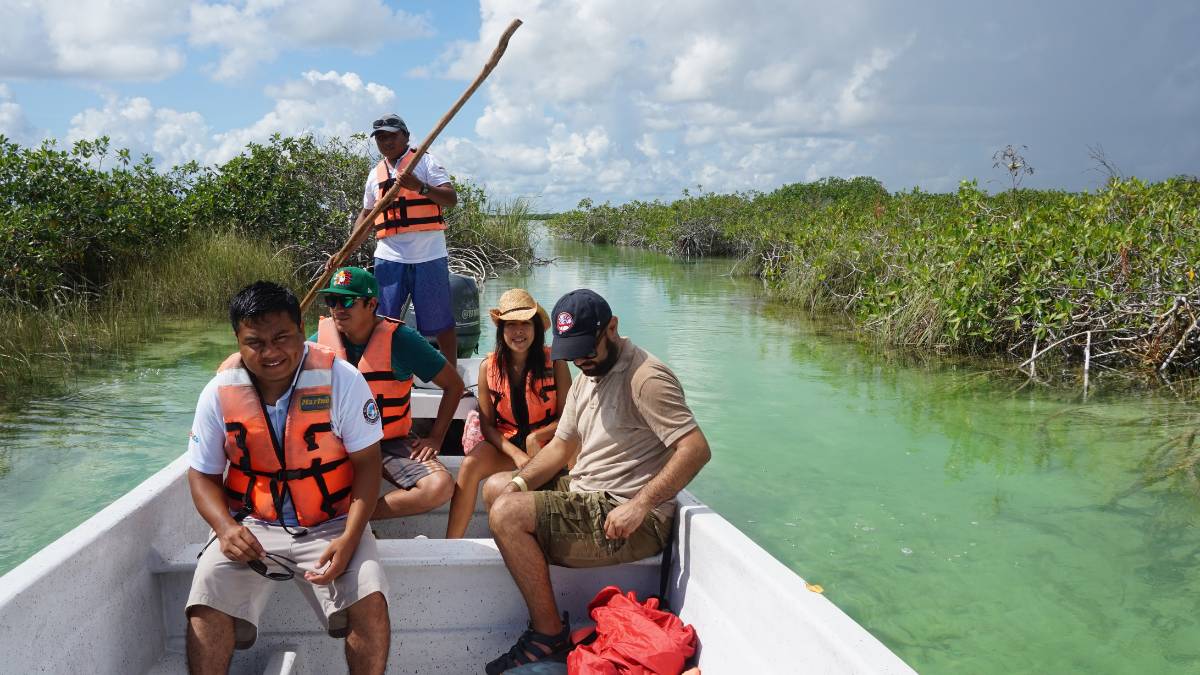
In Mexico’s sprawling Sian Ka’an Biosphere Reserve, a Maya-run cooperative offers nature-based excursions that channel economic benefits straight to local families. These ecotours are led exclusively by local guides and hosts, offering intimate small-group experiences such as tranquil lagoon boat trips, kayaking through ancient, mangrove-lined Mayan canals, bird watching expeditions, and authentic traditional meals. Because the entire operation is community-led, income stays firmly in Maya hands. Participating communities have documented average household income increases of roughly 30 percent, alongside vital investments in professional guide training. This economic model has established a viable, sustainable alternative to environmentally destructive activities like illegal poaching or logging, firmly linking the preservation of the biosphere reserve with tangible financial prosperity.
A remarkably similar model thrives high within Nepal’s rugged rural mountain regions. Here, the Community Homestay Network curates immersive travel experiences that blend community integration with direct nature exploration. Journeys typically feature guided hikes through forested Himalayan foothills, wood-working workshops led by local artisans, and overnight stays in family homes where visitors learn to prepare authentic Nepali dishes. The network provides specialized training in hospitality and business management to local hosts—many of whom are women—enabling them to run successful, independent enterprises. To date, this community-centric model has generated over USD 139,000 in direct economic value across 28 distinct communities.
Ecotourism Principle #5: Empower Indigenous and Local Communities as Equal Partners
Historically, when tourism intersected with Indigenous and local communities, their role was frequently relegated to that of low-wage service providers or exoticized attractions for outsiders. In countless instances, traditional tourism models have yielded meager wages while actively driving cultural exploitation, land dispossession, and severe social disruption.
Ecotourism fundamentally rejects this exploitative paradigm, pivoting instead toward deep collaboration and shifting communities from passive participants to empowered decision-makers. In true ecotourism frameworks, communities actively help design visitor experiences, maintain shared ownership, dictate how tourism operates within their ancestral territories, and retain absolute control over how their unique cultures are represented to the world.
Deep within the Brazilian Amazon, the Indigenous Paiter Suruí people are spearheading their own progressive ecotourism initiative. Rather than submitting to the operational control of outside commercial agencies, the community established its own independent organization to manage visitor experiences across their sovereign territory.
Suruí community members personally host travelers, leading them on dense forest walks, sharing ancestral oral histories, and conducting workshops on traditional cuisine and medicinal plants. The comprehensive program features an established botanical garden, a locally crafted handicraft shop, and a community-run restaurant, collectively generating steady income for local families. By independently leading and managing their tourism sector, the Suruí ensure that every facet of the enterprise supports their primary collective goals: protecting the rainforest and preserving their ancient cultural traditions for future generations.

Ecotourism Principle #6: Build Awareness and Respect
Education sits at the absolute beating heart of ecotourism, transforming ordinary travel into a profound catalyst for lifelong learning and cross-cultural connection. This foundational principle ensures that visitors depart a destination with far more than mere photographs and souvenirs; they leave equipped with a heightened awareness of local environments, indigenous cultures, and the tangible impact of their own presence.
Ecotourism-based learning manifests in diverse ways, ranging from expert interpretation by local naturalist guides and informative conservation materials to immersive cross-cultural exchanges and hands-on scientific participation. These meaningful interactions foster environments where both travelers and host communities can exchange knowledge, deepen mutual understanding, and cultivate a shared respect for nature and heritage.
Costa Rica serves as a stellar global example of how educational tourism comes to life in the field. At the Pacuare Reserve, travelers can actively participate in guided night patrols to observe endangered sea turtles nesting along the shoreline while simultaneously contributing to ongoing scientific research. Working alongside trained research staff, visitors assist with data collection and learn the intricate details of the turtles’ delicate nesting cycle firsthand.
Beyond sea turtle conservation, visitors encounter wild primates, exotic birds, and diverse fauna during guided educational excursions, with resident staff explaining precisely how rainforest and coastal ecosystems function and what threats endanger them. These interpretive experiences effectively transform the reserve into an expansive outdoor classroom, demonstrating the realities of active conservation while instilling a deep sense of personal responsibility for Costa Rica’s peerless biodiversity.
Ecotourism Principle #7: Create Positive Experiences for Both Visitors and Hosts
Ultimately, ecotourism is engineered to yield deeply enriching experiences for both travelers and the residents of destination communities. The model insists that tourism must simultaneously support local community needs and priorities while delivering exceptionally high-quality, memorable adventures for those exploring the world. This principle demands balance on both fronts: cultivating a tourism economy that genuinely works for the people who live in the destination and the people who visit.
In Bolivia’s breathtaking Madidi National Park, the Chalalán Ecolodge stands out as a shining, community-run model that bakes these dual positive outcomes into its daily operations. Fully owned and managed by the Indigenous people of San José de Uchupiamonas, the lodge was originally founded to protect their ancestral territory and elevate local living standards through responsible ecotourism revenue. Every guest stay directly fuels community development projects, with incoming funds systematically reinvested into vital initiatives such as improved potable water access, local health clinics, school construction, and emergency micro-loans.
While visiting, travelers hike dense rainforest trails and paddle canoes across the glassy waters of Lake Chalalán, guided exclusively by Indigenous experts who help spot elusive wildlife and interpret the complex ecosystem along the way. Travelers depart with unforgettable wildlife encounters—such as watching spider monkeys swing through the dense forest canopy or gliding quietly past caimans under the cover of night—alongside a profound, lasting connection to the communities that call the wilderness home.
Putting Ecotourism into Practice
Comprehending the theoretical principles of ecotourism represents merely the initial step; the subsequent challenge lies in putting those ideals into active practice. Every journey, regardless of scale, presents a distinct opportunity to protect the natural world, uplift local communities, and travel with deliberate intention. Becoming a conscientious ecotourist starts with fundamental choices: selecting destinations mindfully, choosing modes of transit thoughtfully, and behaving respectfully upon arrival. Before embarking on a journey, consulting established eco-friendly travel resources can help travelers significantly minimize their environmental footprint.
When evaluating an eco-operator or wilderness lodge, travelers should use core ecotourism principles to rigorously assess whether a provider’s daily actions truly align with their marketing claims. Scrutinizing how a company minimizes environmental damage, finances conservation, benefits local populations, and integrates Indigenous voices is essential. To successfully sidestep misleading greenwashing tactics, travelers should thoroughly review official websites, cross-reference guest feedback, and compare promotional promises against actual operational realities. Transparency remains a critical indicator; operators that openly communicate their sustainability practices—even when acknowledging they are not yet entirely flawless—tend to be far more credible.
For industry businesses striving to elevate their sustainability practices, engaging with structured networks like Sustainable Travel International provides critical access to specialized tools, shared resources, peer exchanges, and targeted training programs designed to drive continuous progress. For both the individual traveler and the commercial enterprise, authentic ecotourism invariably begins with informed awareness and is carried forward through deliberate, everyday action.
Related News