Discovering the Isles of Scilly: An Ultimate Guide to Cornwall’s Atlantic Archipelago
Article Editorial Team
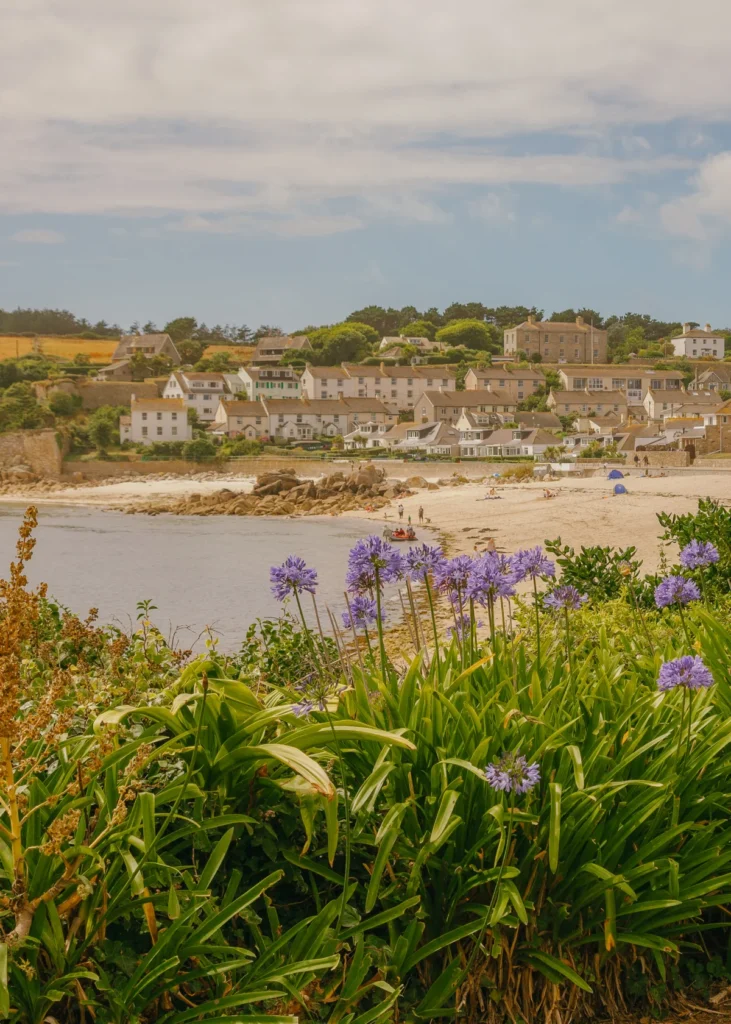
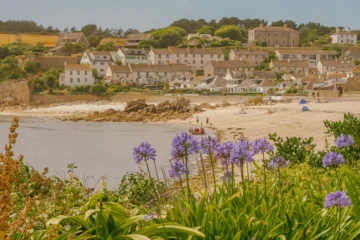
Perched roughly 30 miles off the dramatic coast of Cornwall, the Isles of Scilly offer a picturesque and stunning escape that often feels worlds away from the British mainland. Benefiting significantly from the warming waters of the Gulf Stream and the Atlantic Drift, this magical archipelago enjoys milder weather and a uniquely temperate microclimate compared to the rest of the UK. For travelers planning a journey to these remote shores, navigating the vast array of sights, islands, and experiences can initially present a delightful challenge. Over years of extensive exploration, frequent visitors have uncovered the finest spots, hidden gems, and essential travel logistics to ensure a seamless island-hopping adventure.

How to Get to the Isles of Scilly
Reaching the Isles of Scilly is remarkably straightforward, with travel options tailored to both air and sea passengers. Travelers frequently utilize the Skybus flights, which land directly on St Mary’s Island. This method offers ultimate convenience, with departures available from airports including Exeter, Land’s End, and Newquay. The short flights are efficient, and passengers are even permitted to bring their dogs on board.

Alternatively, visitors can head to the tip of Western Cornwall to Penzance and board the Scillonian Ferry. The maritime crossing typically takes between two and a half to three hours, depending on prevailing weather and sea conditions. While the ferry provides a classic coastal voyage, travelers should be prepared for potentially choppy waters on particularly windy days. Once across the Atlantic, the archipelago opens up into a network of distinct, beautiful islands, each offering its own unique character.

1.) St Agnes (Porth Conger)
St Agnes stands as the southernmost populated island in the Isles of Scilly, presenting a charming landscape ideal for a day excursion. Easily reached via local water taxis and scheduled boat services operating from neighboring islands, St Agnes welcomes visitors at the Porth Conger Quay. Because boat schedules frequently adjust in response to tidal differences and seasonal shifts, checking local timetables upon arrival is essential.

Upon stepping ashore, travelers can explore the compact yet breathtaking settlement. For those arriving around lunchtime, the Turk’s Head pub provides traditional fare and exceptional views from its beer garden and decked area. Recognized as the most southerly pub in the entire British Isles, it is a notable landmark on the island. A short walk further into the community reveals quaint local spots, including the local Post Office, which doubles as a boutique souvenir shop. Visitors can also enjoy a hot drink at the Coastguards Lookout café while catching glimpses of the St Agnes Lighthouse and St Agnes Church along New Lane. Furthermore, St Agnes is physically linked to the neighboring unpopulated island of Gugh by a sandy bar, allowing visitors to walk between the two at low tide.

2.) St Mary’s
It is virtually inevitable that any visitor to the archipelago will spend time on St Mary’s Island, as it functions as the commercial center, transport hub, and home to the local airport and main ferry port. Although it serves as the most active commercial zone in the Isles of Scilly, it retains the intimate, unhurried atmosphere of a small, quaint town.

Travelers often find that basing themselves on one island—such as Tresco—while spending a final night on St Mary’s provides optimal flexibility, particularly when coordinating return flights to regional airports like Exeter. Upon arriving at St Mary’s, visitors frequently head to Hugh Town to rent golf carts, which offer an efficient and enjoyable way to navigate the narrow country lanes and explore the wider landscape.

Key historical and natural sites across St Mary’s include the St Mary’s Garrison Walls, an English Heritage site offering free entry and panoramic coastal views within a brief 25-minute walk. Porthcressa Beach, situated right on the edge of Hugh Town, provides a sandy paradise with shallow waters ideal for a refreshing swim. Additional points of interest easily reached by cart or on foot include Peninnis Head, Porth Hellick, and the Down Burial Chamber, while Juliet’s Garden restaurant offers locally sourced seafood, including freshly prepared scallops, paired with sweeping views.

4.) St Martin’s
St Martin’s offers a notably low-key and tranquil environment, contrasting with the relatively modest bustle of St Mary’s. Small ferry boats regularly transport visitors to Higher Town Quay, allowing them to explore the island entirely at their own pace.

A central highlight of St Martin’s is Higher Town Bay, an accessible beach situated close to the arrival point. Visitors frequently stop by local culinary spots, such as Adam’s freshly fried fish and chips served with generous amounts of vinegar, or the St Martin’s Vineyard and Winery for a regional tasting experience. The coastline also features Great Bay Beach, widely regarded as one of the finest beaches in the archipelago, alongside local water sports rentals for kayaking along the shallow shoreline. A visit to The Seven Stones Inn provides an opportunity to sample local Cornish brews and traditional pasties in a welcoming coastal pub setting.

5.) Porthcressa Beach
While numerous remarkable beaches grace the Isles of Scilly, Porthcressa Beach on St Mary’s Island distinguishes itself through its exceptional accessibility. Located directly adjacent to the streets of Hugh Town, the beach features fine white sand and gentle, shallow waters. On warm, sunny days, it serves as an ideal location for swimming, sunbathing, and relaxing before visiting nearby dining establishments such as Dibble and Grub for lunch and refreshments.

6.) Peninnis Lighthouse
Situated on the southern coast of St Mary’s Island near Porthcressa Beach, the Peninnis Lighthouse area is a prime destination for coastal walks. The rugged headland features dramatic granite formations and sweeping ocean vistas, making it one of the premier locations in the archipelago for a leisurely afternoon stroll or a sunset view across the Atlantic.

7.) Tresco Abbey Garden
Tresco Abbey Garden stands out as one of the most famous and botanically remarkable attractions in the Isles of Scilly. Directly illustrating the warming effects of the Gulf Stream and Atlantic Drift, the garden thrives with subtropical vegetation, trees, and flowers gathered from regions across Europe and beyond. Maintained behind protective windbreaks, the terraced gardens surround the ruins of a medieval priory and provide visitors with a peaceful, visually striking environment that rewards a multi-hour exploration.

8.) Tresco
Beyond its renowned gardens, Tresco Island offers an extensive array of sights and activities for extended stays. Visitors can explore the historic ruins of Cromwell’s Castle and King Charles’s Castle, which sit on opposite shores and overlook the surrounding waters. The small village of New Grimsby features New Grimsby Quay and the New Inn, a traditional English pub serving hearty local meals. Across the island’s network of paths, travelers frequently encounter traditional honesty boxes offering local eggs, handmade crafts, and artwork left out by residents.

9.) Innisidgen Lower and Upper Burial Chambers
For those interested in ancient history, the northern coast of St Mary’s Island hosts the Innisidgen Lower and Upper Burial Chambers. Maintained by English Heritage with free public access, these megalithic monuments date back approximately to 2,500 BC, standing as enduring testaments to the prehistoric human settlement of the islands. Nearby sites, such as the Bant’s Carn Burial Chamber and the Halangy Down Ancient Village, offer further insight into the archipelago’s deep archaeological heritage within brief walking distances from the main pathways.

10.) Bryher Island
Located just off the coast of Tresco, Bryher is celebrated for its wild, rugged scenery and peaceful atmosphere. Small boat transfers typically arrive at Church Quay, from which visitors can traverse the island on foot. The dramatic western coast features Hell Bay and Fraggle Rock, where visitors can find the local bar and café offering outdoor seating. Art enthusiasts can also visit Richard Pearce’s Artist Studio to view paintings inspired by the island’s distinctive light and landscape.

11.) Teän Island
Teän Island is an unpopulated isle situated just east of St Martin’s, offering an exceptionally quiet retreat for travelers seeking to escape populated areas entirely. Characterized by untouched, pristine beaches and expansive views from Great Hill, the island provides a tranquil natural environment. Visitors planning a trip to Teän must carry all necessary supplies, including water, food, and sun protection, as the island contains no commercial facilities.

12.) Gugh Island
Connected to St Agnes Island by a narrow sandy bar that submerges at high tide, Gugh Island is a largely uninhabited isle featuring a single working farm. The island can be easily explored on foot in under an hour, offering serene landscapes and historical landmarks such as the Old Man of Gugh, a prominent standing stone dating back to the Bronze Age.
Related News