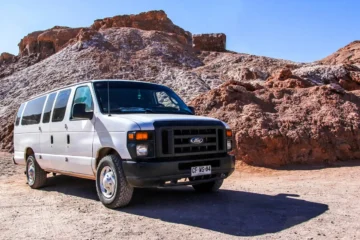
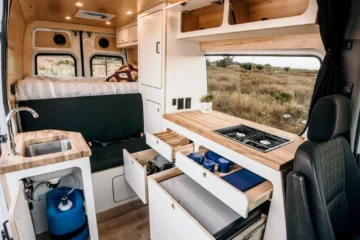
Comprehensive Guide to Mercedes, Dodge, and Freightliner Sprinter Van Dimensions from 1995 to the Present
Article Editorial Team

When it comes to comparing the interior and exterior dimensions of Mercedes-Benz, Dodge, and Freightliner Sprinter vans spanning from 1995 to the present day, evaluating every variable is essential. Whether planning a custom camper van build, installing heavy-duty van racking, or maximizing gear storage, obtaining an accurate picture of available space is the key to a successful project. Industry enthusiasts and professional builders have long grappled with scattered specifications, prompting a comprehensive review of more than 25 years of historical brochures and factory specification sheets to establish a unified reference for these ubiquitous commercial vehicles.

Understanding the lineage of the Sprinter van requires recognizing its various nameplates over the decades, a detail that prevents confusion when trying to locate documentation for specific model years. Sprinter vans have been marketed under several banners since their inception. Between 2001 and 2007, these vehicles were primarily branded as Dodge Sprinters in North American markets. From 2007 onward, branding shifted to Mercedes-Benz and Freightliner. Despite the shifting badges on the grille, the foundational engineering and core chassis dimensions remained consistent across the shared platforms.
The evolutionary history of the platform is broadly categorized into three distinct generations that share comparable dimensional profiles. The first generation, produced from 1995 through 2006, is widely recognized by enthusiasts under designations such as the Dodge Sprinter, Freightliner Sprinter, and the Mercedes-Benz Transporter T1N. This inaugural era is notable for offering three distinct wheelbase configurations and two roof heights, including the compact 118-inch wheelbase variant that was permanently retired after this generation.

During the first generation, exterior lengths varied significantly according to the wheelbase chosen. The 118-inch regular wheelbase model measured 197 inches externally with an interior cargo floor length of 99 inches. Stepping up to the 140-inch long wheelbase expanded the exterior length to 225 inches and the interior floor length to 128.5 inches. The largest option in this era was the 158-inch extended wheelbase, boasting an exterior length of 263 inches and a cargo floor length of 165.9 inches. Across all first-generation models, the exterior width measured 95.5 inches, while interior width at the floor reached 68.3 inches. Height dimensions varied by roof configuration, with standard-roof models offering an interior cargo height of 64.2 inches—translating to roughly five feet and three inches of standing room—while high-roof variants provided 73 inches of vertical clearance, granting a full six feet of standing height.
The second generation of Sprinter vans arrived in Europe in 2006 and made its North American debut in 2007, remaining in production through 2018. Known internationally as the NCV3 platform, this generation continued to offer three wheelbase choices and two roof heights, though the smallest 118-inch wheelbase was dropped in favor of larger standard platforms. Exterior lengths for the second generation expanded across the lineup. The 144-inch regular wheelbase measured 233.3 inches externally with a 137.4-inch interior cargo floor length. The 170-inch long wheelbase stretched the exterior to 274.1 inches and the interior floor to 178.2 inches, while the 170-inch extended wheelbase pushed the exterior to 289.8 inches and the interior floor to 193.9 inches. Width measurements for the second generation held steady at 95.5 inches externally with mirrors, while narrowing to 79.7 inches without them. Inside, the floor width widened to 70.1 inches, with 53.1 inches available between the wheelhouses. Roof heights also improved, with standard roofs offering 66.5 inches of interior height and high roofs providing 77.8 inches, giving occupants five feet five inches or six feet five inches of standing room, respectively.

The third generation of the Sprinter van launched in 2018, introducing a front-wheel-drive option to the platform for the very first time alongside traditional rear-wheel and four-wheel-drive configurations. This generation maintained three wheelbase lengths and two roof height choices while refining interior packaging to maximize usable space. For the 144-inch regular wheelbase, exterior length measured 233.5 inches with an interior cargo floor length of 132.9 inches. The 170-inch long wheelbase offered an exterior length of 274.3 inches and an interior floor length of 173.6 inches, while the 170-inch extended wheelbase reached an exterior length of 290 inches with 189.4 inches of interior floor space. Exterior width remained standardized at 95.5 inches with mirrors and 79.5 inches without, while interior floor width slightly increased to 70.4 inches, and the distance between wheelhouses measured 53.2 inches. Standing height saw another modest gain, with standard roofs providing 67.7 inches of vertical space and high roofs delivering 79.1 inches, equating to six feet six inches of headroom before interior flooring and ceiling treatments are installed.
Navigating these factory specifications requires a clear understanding of automotive terminology. The wheelbase—the distance separating the front and rear axles—dictates both the overall length of the vehicle and its turning radius, influencing how the interior space can be laid out. Cargo vans generally utilize three wheelbase options, whereas crew and passenger configurations are restricted to the 144-inch or 170-inch lengths without an extended variant. Roof height similarly dictates whether occupants can stand upright, a factor that heavily influences custom camper conversions. Additional metrics found in manufacturer documentation, such as side-door and rear-cargo door opening dimensions, curb-to-curb turning radius, and unloaded load height, provide essential guidance for parking maneuverability and interior accessibility. Furthermore, metrics detailing cargo volume, maximum payload capacity, and Gross Vehicle Weight Rating establish safe operational limits for hauling heavy gear or building permanent living quarters.

Sprinter vans are commercially distributed across three primary body styles, each serving distinct purposes. Cargo vans are built strictly for commercial utility, featuring a single row of seats for a driver and two passengers while leaving the rear compartment entirely unadorned for maximum payload capacity and cost efficiency. Passenger vans, conversely, are outfitted to seat between eight and 15 individuals with comprehensive interior trim, making them less suitable for custom living conversions due to their higher acquisition cost and pre-installed seating infrastructure. Crew vans bridge the gap as a hybrid option, featuring a removable second row of seating, factory-installed side windows, and a payload capacity positioned directly between the cargo and passenger variants.
The historical evolution of the Sprinter platform reflects continuous refinement by Mercedes-Benz. The first generation established the modern European-style cargo van market in North America, while the second generation expanded powertrain options to include gasoline engines and robust four-wheel-drive systems. The third generation modernized connectivity, introduced front-wheel-drive alternatives, and coincided with the 2021 phase-out of the Freightliner branding badge in North America, leaving Mercedes-Benz as the sole distributor of the platform.

Frequently asked questions surrounding the platform often address practical living concerns. In contemporary high-roof Sprinter models, the raw standing height reaches approximately 79.1 inches, though adding insulation to both the floor and ceiling typically reduces total headroom by two to six inches. Regarding sleeping arrangements, the third-generation cargo width of 70.4 inches allows a standard queen-size mattress to fit width-wise, though many conversion enthusiasts install aftermarket body flares to accommodate longer sleeping orientations. Deciding between the 144-inch and 170-inch models ultimately depends on intended use, as the longer variant provides expansive buildable space for families and groups, while the shorter wheelbase offers superior maneuverability and fuel economy in urban environments.
Related News