Federal Officials Scrutinize Deleted DJ Music Video Filmed Inside Grand Teton National Park
Article Editorial Team
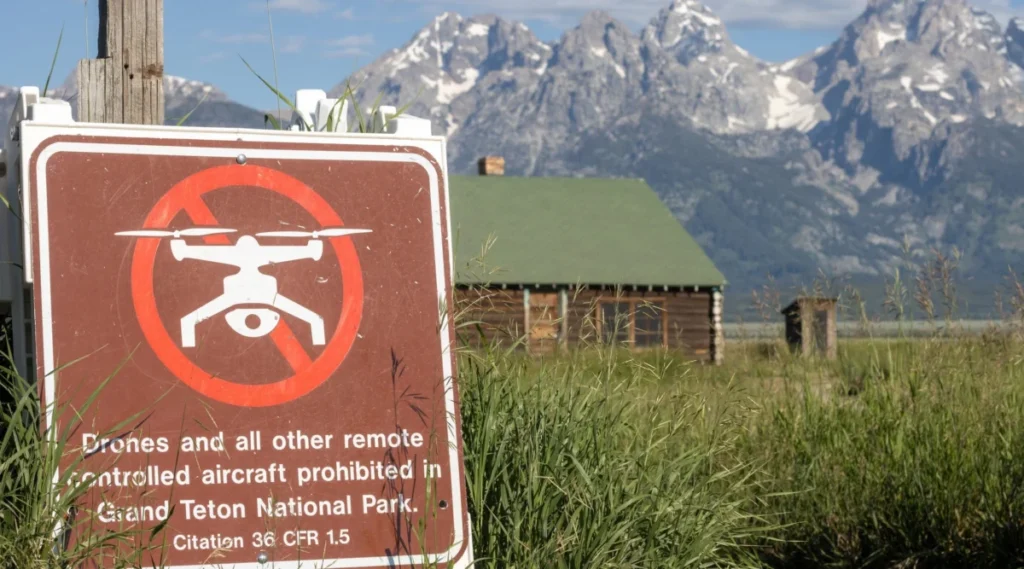
A recently deleted music video featuring a DJ performing a set on a scenic mountainside inside Grand Teton National Park has reignited intense public scrutiny and regulatory concern over the strict federal ban on uncrewed aircraft systems in America’s national parks—regulations that carry severe penalties, including steep financial fines and potential jail time.
The controversy began when sharp-eyed internet users and local residents flagged a performance video circulating on social media platforms and online forums like Reddit. According to reporting by the Wyoming-based newspaper Jackson Hole News and Guide, a YouTube user uploaded clips on October 14 capturing a man wearing a green jacket mixing music at Blacktail Butte, a prominent 7,000-foot mountain feature located entirely within the boundaries of Grand Teton National Park.
The footage prominently featured sweeping, high-altitude aerial shots that appeared to have been captured by a drone hovering above the rugged terrain. As online criticism mounted regarding the legality of the aerial cinematography, the video was quickly scrubbed from the internet, and the creator seemingly wiped their digital footprint. Outside reached out directly to the video creator for comment regarding the production of the music video, but did not receive a response prior to publication.
Local park administration is now examining the circumstances surrounding the shoot. Emily Davis, a spokesperson for Grand Teton National Park, confirmed to Outside that park officials are fully aware of the footage circulating online. However, Davis declined to specify the exact coordinates of the filming location within the park, whether the individual or production crew had obtained prior written authorization from the park superintendent, or if law enforcement rangers had formally issued citations related to the incident.
Davis emphasized the multifaceted dangers that uncrewed aircraft pose to the delicate ecosystems and visitor experiences managed by the National Park Service.
"Drones can disturb or displace wildlife, create noise, detract from the natural soundscape and scenic views, and pose safety hazards to visitors," Davis told Outside. "Unauthorized flights can also ground aerial search-and-rescue missions and wildland firefighting operations."
Drones Are Strictly Prohibited in National Parks
The friction between modern content creation technology and federal land conservation laws is not a new phenomenon. In 2014, the National Park Service instituted a comprehensive ban on the use of uncrewed aircraft systems across all 433 parks and monuments managed under its jurisdiction, unless the operator has secured explicit, written approval from the individual park superintendent. Under federal guidelines, violators caught flying drones without authorization face severe consequences, including fines of up to $5,000 and a maximum sentence of six months behind bars.
Despite the unambiguous regulations and clear warning signage posted at park entry points and trailheads, recreational drone incidents continue to surface across the American West, frequently drawing fierce condemnation from conservationists, wildlife advocates, and outdoor enthusiasts.
The Grand Teton incident follows a string of high-profile violations in neighboring protected areas. In May, a visitor in Yellowstone National Park filmed an unauthorized drone flying within mere feet of a famous grizzly sow, known as Beryl, and her two dependent cubs as they traveled alongside a park roadway, as first reported by Cowboy State Daily. That encounter sparked widespread outrage across the region, echoing similar reckless episodes from the past. Back in 2014, the year the overarching federal ban took effect, a recreational drone catastrophically crashed into Yellowstone’s fragile and iconic Grand Prismatic Spring, while another pilot managed to plunge an aircraft directly into Yellowstone Lake during the same summer season.
Online communities have increasingly taken on a policing role, with visitors and forum users actively flagging suspected illegal flights and urging authorities to take action. Commenters on regional discussion boards quickly questioned the legitimacy of the Blacktail Butte DJ video, calling on fellow outdoor advocates to alert park rangers to the potential violation.
Grand Teton National Park has faced similar headaches in the past. In 2017, park rangers made a public appeal for information to help identify a drone operator who brazenly flew an aircraft directly over a group of grizzly bears near the park’s scenic Oxbow Bend area. Despite launching an investigation, park personnel were ultimately unable to locate the drone or identify the operator at the scene, highlighting the persistent enforcement challenges land managers face in vast, remote wilderness areas.
As online content creators continually seek out increasingly dramatic landscapes and elevated vantage points to capture viral media, incidents like the Blacktail Butte music video serve as a stark reminder. Between the vigilant eyes of park visitors, the enforcement efforts of the National Park Service, and the unforgiving federal penalties, the message shared across public lands remains definitive: unauthorized drones are strictly unwelcome in the national parks.
Related News