American Skiers Flocking to the Alps Face Shifting Snow Conditions, Rising Costs, and Megapass Realities
Article Editorial Team
Published October 25, 2026, 09:51 AM
A growing wave of American travelers is heading across the Atlantic to ski the Alps, transforming European winter destinations as they increasingly utilize U.S.-based megapasses overseas. However, the conditions surrounding these international travel plans are shifting rapidly. Adventurous skiers from the United States now face a complex landscape defined by dwindling snow coverage at lower elevations, currency shifts, and intricate fine print attached to popular international resort partnerships.
For travelers who have spent multiple winter and summer seasons navigating the vast networks of the Alps, the changing environment requires careful planning. Anyone hoping to capture the quintessential European ski vacation must balance timeless alpine charm against modern climatic and economic realities.
Let’s Talk About Snow Coverage
With a super El Niño forecasted for the coming season, snow coverage at Alpine resorts is likely to be a more critical factor than ever before. Similar to seasonal patterns observed in the Western United States, meteorological models are forecasting a warm and wet winter for the European continent. While experienced skiers often prefer a warm and wet winter over a warm and dry season, the conditions remain far from ideal for low-altitude destinations.
Historically, slopes sitting above 1,650 feet were consistently blanketed in snow, particularly along the northern side of the Alps. Unfortunately, those reliable patterns are largely a thing of the past. Consequently, many lower-elevation destinations have become far less attractive than they once were, presenting a significant gamble for American travelers who typically lock in flights and accommodations months in advance.
Consider Portes du Soleil, a massive cross-border ski area straddling France and Switzerland boasting 360 miles of pistes and virtually unlimited off-piste terrain. Despite its immense size, the resort peaks at a modest 7,200 feet, with base elevations hovering around 3,300 feet. Today, many storms bring rain rather than snow to the lower slopes. It is increasingly common to experience rain at elevations above 6,500 feet anywhere across the French Alps.
Austria presents a somewhat more continental climate, offering better protection when warm air surges from the south and west. Yet, several of its most famous ski resorts sit at relatively low altitudes, causing skiing operations to suffer in recent years. Kitzbühel, a powerhouse in ski racing and one of the most recognizable Austrian destinations for American tourists, embodies the ultimate European ski experience. It features a picturesque base village, extensive terrain, vibrant après-ski culture, and a formidable ski history, alongside its inclusion on the Ikon Pass. However, the resort tops out at just 6,600 feet, with a base elevation of 2,625 feet.
Similarly, the Saalbach Skicircus stands as a legendary Austrian resort offering 168 miles of piste and some of the country’s finest off-piste skiing, with Epic Pass holders granted five days of access. Nevertheless, sharing similar elevation constraints with Kitzbühel, truly favorable days—particularly for off-piste adventures—are more limited than in the past.
When weather patterns align with a nordstau—the European equivalent of a northwest flow delivering heavy snow—and Austria experiences favorable low-altitude snow coverage, travelers with flexible schedules find these resorts exceptional. However, experts advise against gambling on an advance-booked overseas trip too far ahead of time. This season, travelers are encouraged to focus on resorts that top out above 10,000 feet in France, Italy, and Switzerland, and above 8,200 feet in Austria.
Chamonix and Zermatt: Are They Worth It?
Nearly every American skier exploring the Alps eventually includes one of two iconic destinations on their itinerary: Chamonix or Zermatt. Both towns occupy a permanent place in the American mountain consciousness, and both maintain ties to the Ikon Pass, though Chamonix comes with notable operational caveats.
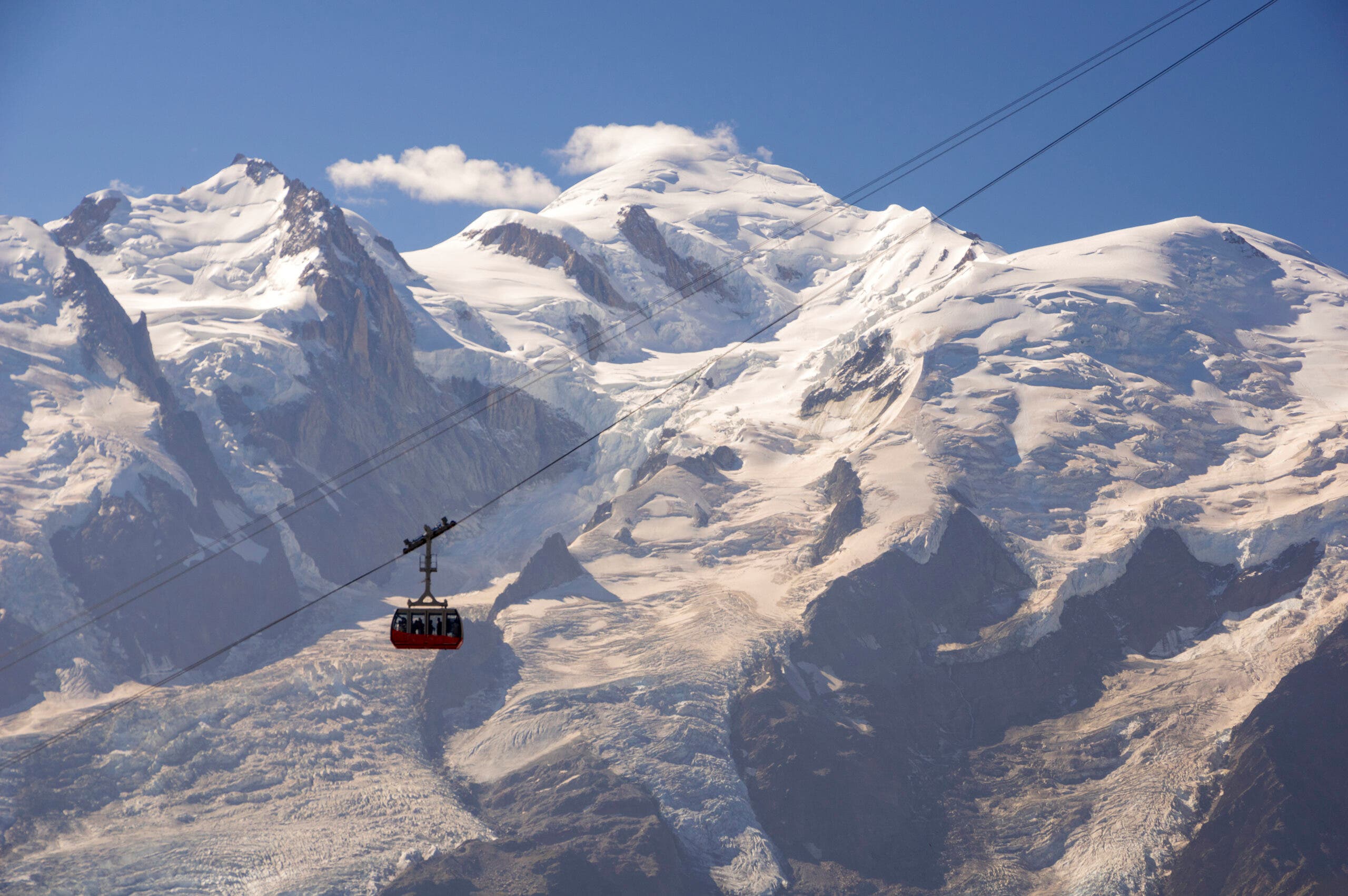
Chamonix stands as the undisputed birthplace of mountaineering and, to a large extent, the modern winter sports industry. Hosting the first Winter Olympics in 1924, Chamonix sparked a "white gold" rush of winter sports infrastructure expansion across the Alps and beyond. While the rich history is undeniable, industry experts suggest that Chamonix may not serve as the ideal destination for the majority of Americans planning a ski-focused trip to the Alps.
For starters, the standard Ikon Pass includes only the Chamonix "Le Pass," omitting the comprehensive Mont-Blanc Unlimited pass. This distinction means standard passholders cannot access premier high-altitude zones such as the Aiguille du Midi—and by extension, the legendary Vallée Blanche—Courmayeur via the Skyway Monte Bianco, or the upper station of the Grands Montets. Securing access to these premier experiences requires purchasing an upgraded pass, with daily fluctuations bringing additional costs. Instead, "Le Pass" provides standard access to five conventional resorts within the Chamonix Valley, where peak access maxes out at 9,186 feet off the Bouchard gondola at Grands Montets, and inter-resort travel can prove punishingly difficult during peak season.
Meanwhile, Zermatt has long served as a primary stronghold for U.S. tourists, originally discovered by Americans taking vacations in Europe following World War II. Today, Zermatt remains a major fixture for American skiers who appreciate its inclusion on the Ikon Pass and are accustomed to navigating premium price points.
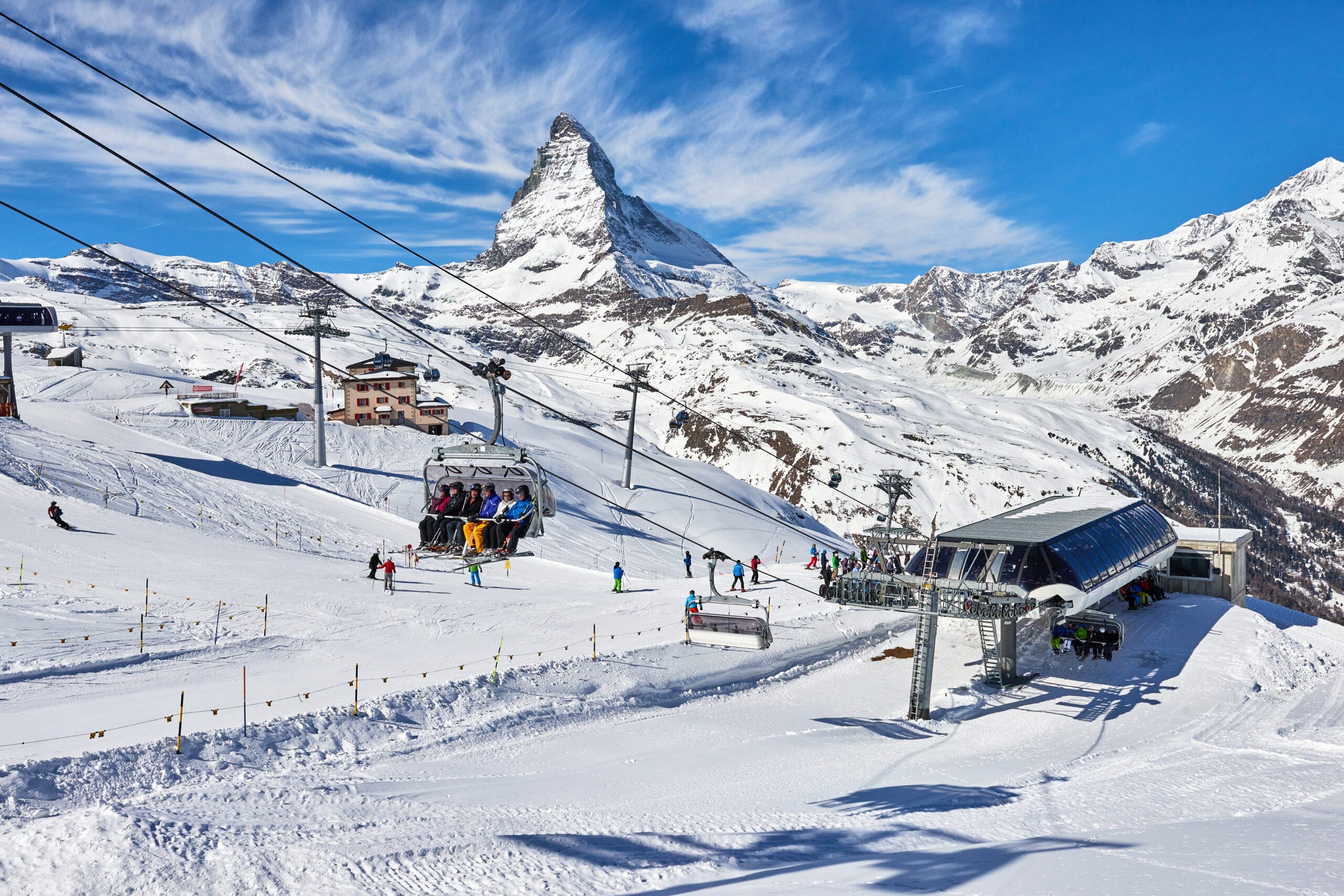
For many, waking up to striking views of the Matterhorn fulfills a lifelong bucket-list goal. Zermatt offers broad, snow-sure pistes, fast lift infrastructure, and incredible vistas. Yet, travelers frequently note that equivalent financial investments can yield a less iconic but more authentic experience elsewhere in the Alps. Furthermore, Zermatt presents distinct drawbacks: it often feels at least twice as expensive as neighboring France, its culinary offerings lag behind French and Italy standards, and its high-altitude terrain can feel exposed, cold, and limited during stormy weather. Despite being snow-sure due to its elevation, Zermatt is not historically the snowiest location in the Alps, and off-piste terrain is often more readily accessible at alternative resorts.
Which Alpine Country?
Selecting an Alpine destination requires weighing a delicate balance of regional culture, pricing, operational efficiency, and mountain access. Each country offers a distinct atmosphere that shapes the overall vacation experience.
France and Italy generally deliver exceptional dining experiences and more competitive pricing, though operations can occasionally lack efficiency. Lifts and restaurants may experience unexpected closures, and customer service standards do not always match domestic American expectations.
In contrast, Switzerland and Austria operate with remarkable efficiency and typically record higher seasonal snowfall totals than France and Italy. Historically, the northern Alps capture the heaviest precipitation, with resorts like Engelberg and St. Anton consistently tallying impressive depth numbers, though shifting climate patterns have recently brought an increase in southern-origin storms. Additionally, Switzerland and Austria boast some of the most advanced lift infrastructure in the world, housing the vast majority of current and planned 3S cable systems.
My Recommendations for France
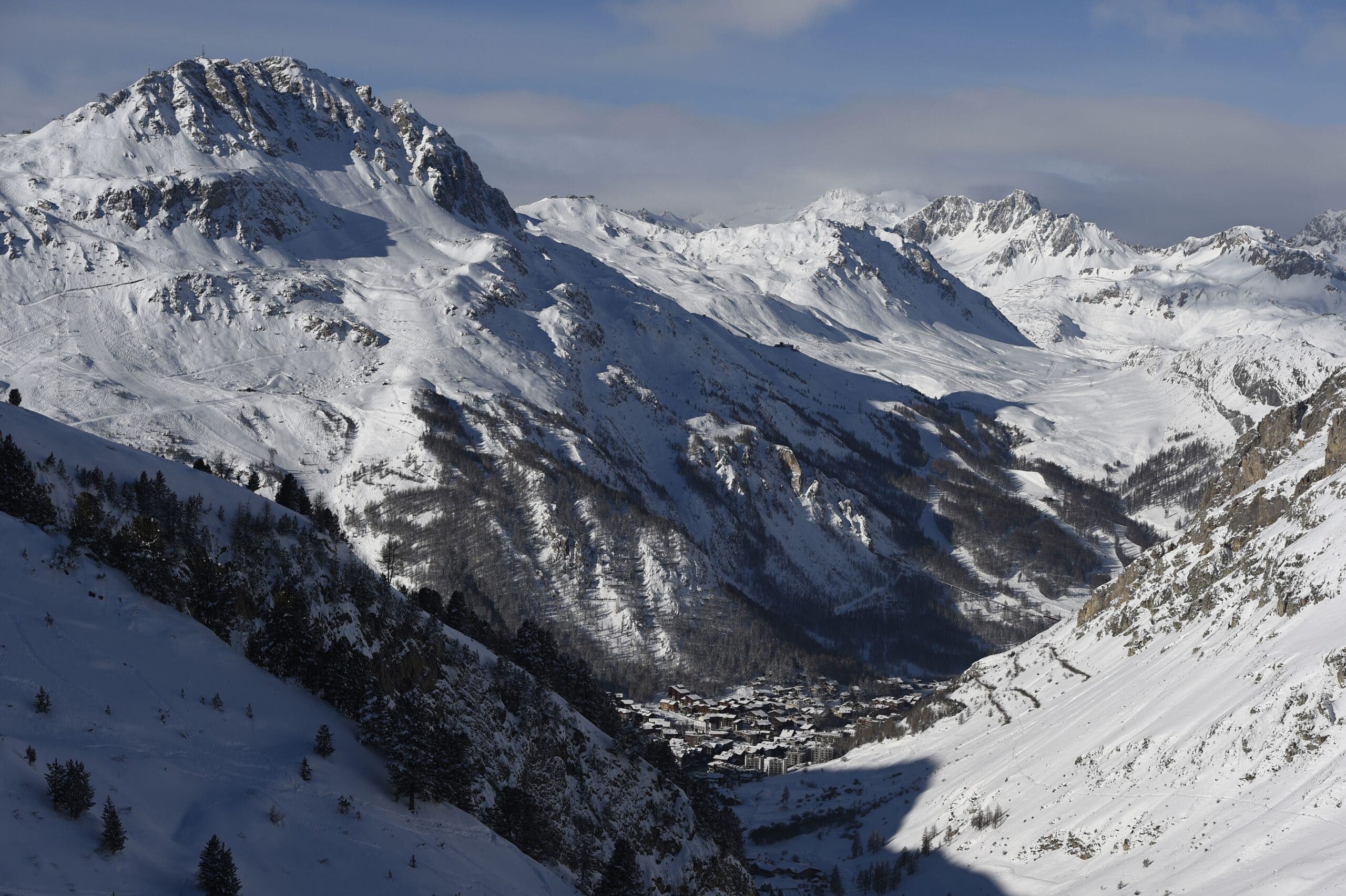
Within France, the Tignes and Val d’Isère domain stands out as a premier ski destination capable of accommodating everyone from young beginners to extreme freeriders. The Grand Motte chair reaches glacial terrain at 11,339 feet, representing the fifth-highest cable car in the Alps. Val d’Isère retains a traditional village atmosphere rich in local culture rather than functioning as a purpose-built resort, while new development is largely confined to Tignes. Furthermore, its 5,906-foot base elevation is among the highest for a major resort in the Alps.
While Tignes and Val d’Isère are excluded from major U.S. megapasses—which can be viewed as an advantage for travelers seeking to avoid crowds of fellow Americans—they remain comparatively affordable by Swiss standards, with adult day tickets hovering around $80.
In recent years, American visitors have increasingly gravitated toward the Trois Vallées, one of the world’s largest interconnected ski domains featuring endless pistes and expansive backcountry terrain included on the Epic Pass. Paradiski, comprising Les Arcs and La Plagne, offers another massive domain situated between the Trois Vallées and Val d’Isère, providing competitive daily ticket prices ranging from $66 to $85.
Venturing further south into the Savoie region reveals the true cultural heart of the French Alps. While Alpe d’Huez and Les 2 Alpes follow the tradition of French megaresorts with extensive off-piste terrain, Serre Chevalier near Briançon remains a massive yet under-the-radar gem for American visitors. Retaining a traditional village vibe in hamlets like Monêtier-les-Bains, Serre Chevalier features exceptional on- and off-mountain dining alongside world-class off-piste areas like the Montagnole, with adult day lift tickets priced around $78.
Further east along the Italian border, Montgenèvre offers cross-border connectivity with the Via Lattea and benefits from both eastern and western weather systems, with lift tickets ranging from $58 to $66. Even further south, remote high-altitude destinations in the Queyras region—such as Abriès at 8,202 feet and Saint-Véran at 9,186 feet—provide authentic French country lodging and local charm with lift tickets starting around $48.
My Recommendations for Italy
Travelers seeking rich cultural immersion, historic alpine villages, and exceptional culinary standards paired with favorable pricing will find Italy an ideal destination. The inclusion of the Aosta Valley on the Ikon Pass has expanded American access to magnificent resorts including Monte Rosa, Cervinia, La Thuile, and Courmayeur.
Monte Rosa remains a favorite among powder enthusiasts, offering vast off-piste terrain and ski touring options accessible from base villages like Alagna and Gressoney in the upper Lys Valley. Meanwhile, Cervino provides the Italian counterpart to the Matterhorn Ski Paradise, offering direct access to Zermatt. While current cross-border transit relies on limited-capacity tram systems from the Italian side, ongoing construction of the Cervino The One 3S cable car is slated for completion by 2030, promising faster transit to the Klein Matterhorn than from Zermatt itself. Combined with lower prices and superior dining, the Italian side presents a compelling alternative.
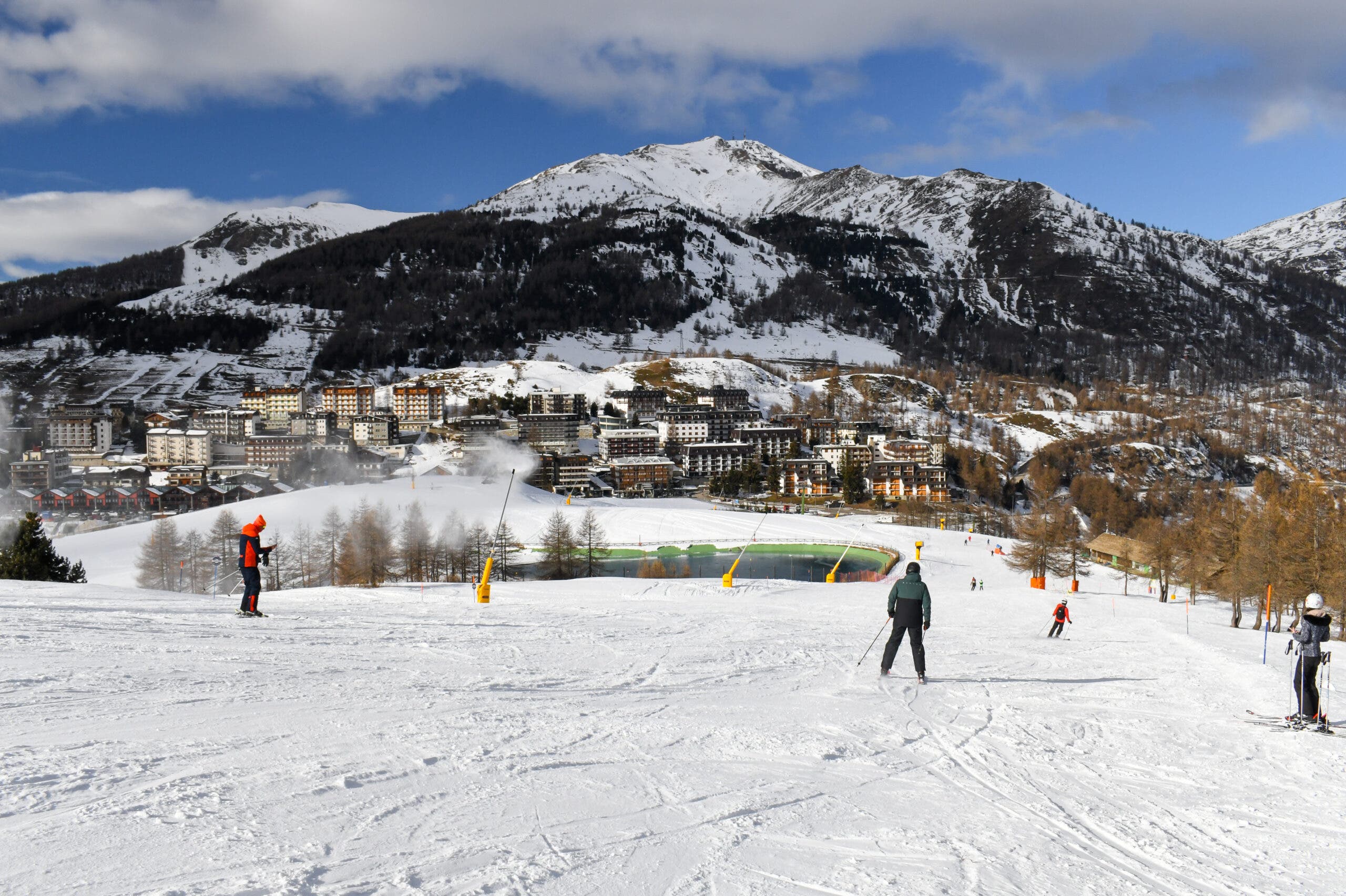
South of Aosta, the Via Lattea encompasses an extensive network of interconnected resorts, anchored by Sestriere. While lower-elevation sectors share similarities with Portes du Soleil, Sestriere reaches 9,186 feet and features some of the finest tree skiing in the Alps when weather conditions cooperate. The region’s culinary scene is exceptional, highlighted by mountain outposts like La Marmotta in the Sauze d’Oulx sector.
Meanwhile, the Dolomites continue to attract international attention, supported by Olympic heritage around Cortina. The Dolomiti Superski area, accessible via the Ikon Pass, offers stunning natural scenery characterized by smaller, interconnected resorts centered around authentic mountain villages rather than manufactured commercial bases. While snow totals may lag behind other regions, the combination of striking landscapes, cultural heritage, and gourmet mountain dining in areas like Val Gardena and Alta Badia solidifies the Dolomites as a top choice for American travelers.
My Recommendations for Austria
Austria’s national identity is deeply intertwined with winter sports, making it home to some of the most efficient slopes and access networks in the world. Austrian resorts combine high annual snowfall with moderate pricing that sits slightly above French rates but well below Swiss levels.
While Austrian ski culture places a strong emphasis on groomed pistes, the local preference for avoiding storm skiing often means fresh powder lines remain accessible longer during stormy periods. Furthermore, Austria maintains a vibrant après-ski culture characterized by lively alpine entertainment.
The Epic Pass offers robust access across Austria, granting five consecutive days at world-class destinations such as Skicircus Saalbach, Sölden, Zillertal, and Silvretta Montafon. Ski Arlberg, encompassing St. Anton, remains the gold standard of Austrian skiing due to its position within a consistent snowbelt and its massive expanse of on- and off-piste terrain, though Epic Pass redemptions at St. Anton involve specific reservation and lodging requirements.
For Ikon Pass holders, Ischgl provides a fantastic all-around resort experience connected to Samnaun in Switzerland, while Kitzbühel serves as a signature destination despite elevation constraints. Travelers are also encouraged to explore Innsbruck, a vibrant European city that serves as a transit hub offering immediate rail connections to major resorts including St. Anton, Kitzbühel, and Saalbach within an hour. For those seeking off-the-beaten-path powder away from international crowds, eastern Austrian resorts such as Zauchensee and Obertauern offer reliable snowfall and minimal tourist traffic.
My Recommendations for Switzerland
Switzerland distinguishes itself through a preservation of traditional alpine life, notably demonstrated by the abundance of car-free base villages such as Wengen, Saas-Fee, and Mürren. These pedestrian-only environments create an immersive, historic atmosphere that sets Swiss resorts apart. Switzerland also records the highest snowfall reliability in the Alps, supported by extensive high-altitude, north-facing slopes and massive glacial systems.
While major resorts like Verbier cater to ambitious freeriders, crowded lines and aggressive competition for fresh powder often lead experts to recommend alternative destinations. For travelers seeking an authentic alternative to Zermatt, Saas-Fee offers a historic, car-free village setting reaching high glacial elevations.
Other destinations like Andermatt and Engelberg feature incredible off-piste terrain, though limited summit lift capacities can create bottlenecks during peak powder days. Larger resorts such as Laax, Arosa Lenzerheide, Davos, and St. Moritz offer efficient modern lift networks alongside world-class terrain. Although Switzerland generally records lower overall skier visit volumes compared to neighboring France, ensuring a less crowded experience outside major hubs, travelers must prepare for overall costs that typically run double those of other Alpine nations.
Related News