Battle Lines Drawn on the Appalachian Trail: Hikers and Locals Fight to Save Historic Shelters From Demolition
Article Editorial Team
By Outdoor News Staff
Published October 25, 2026
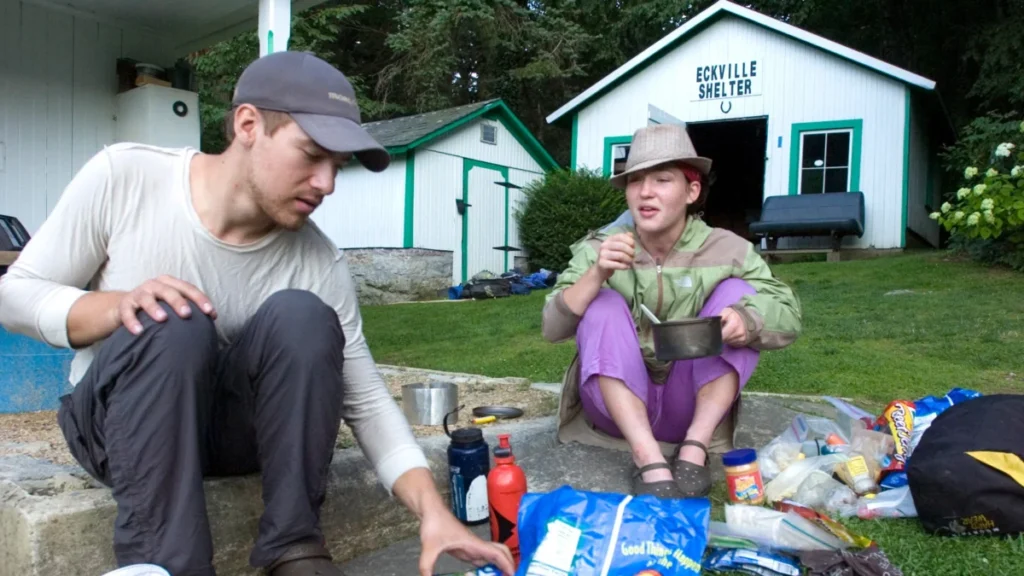
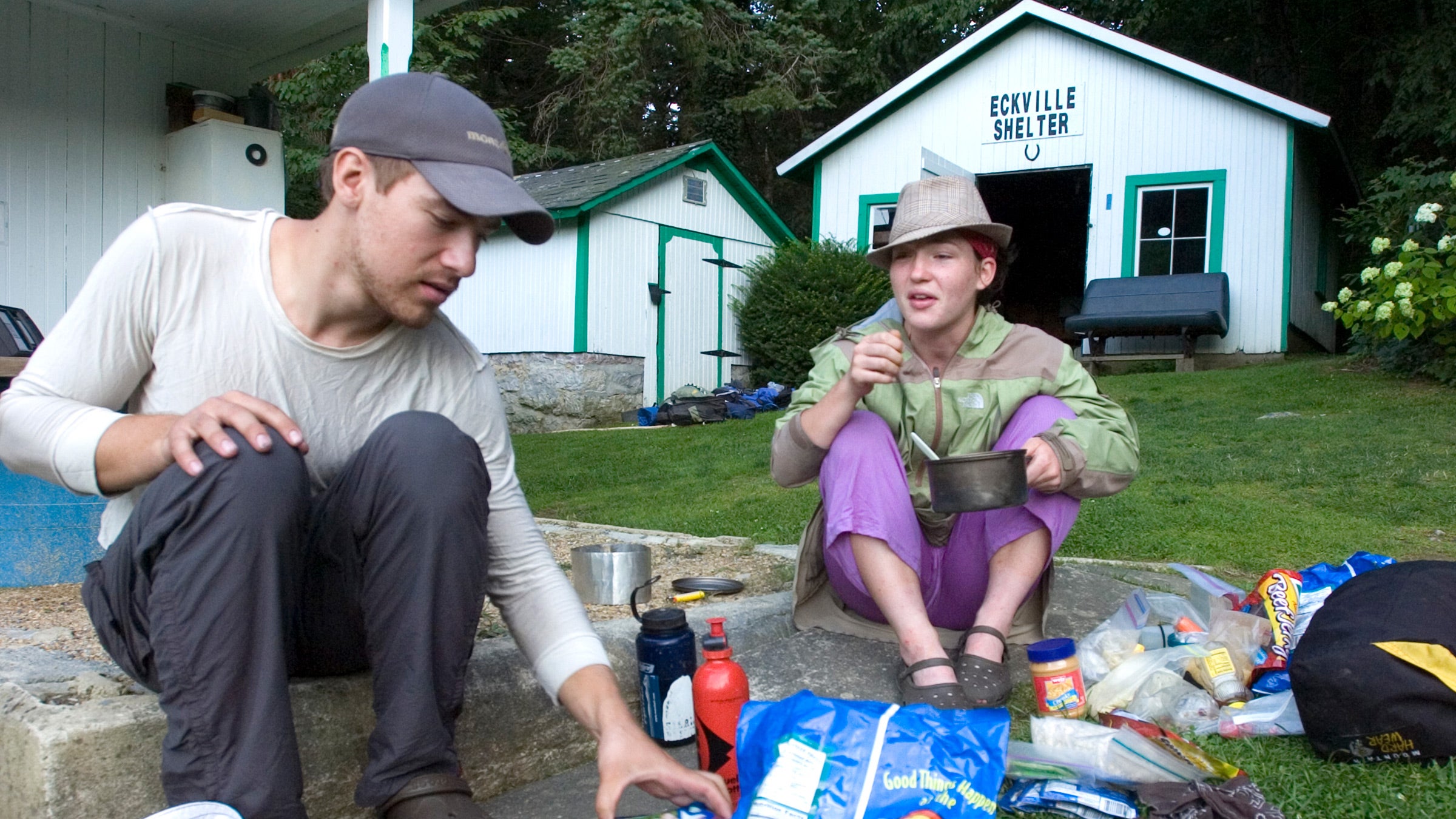
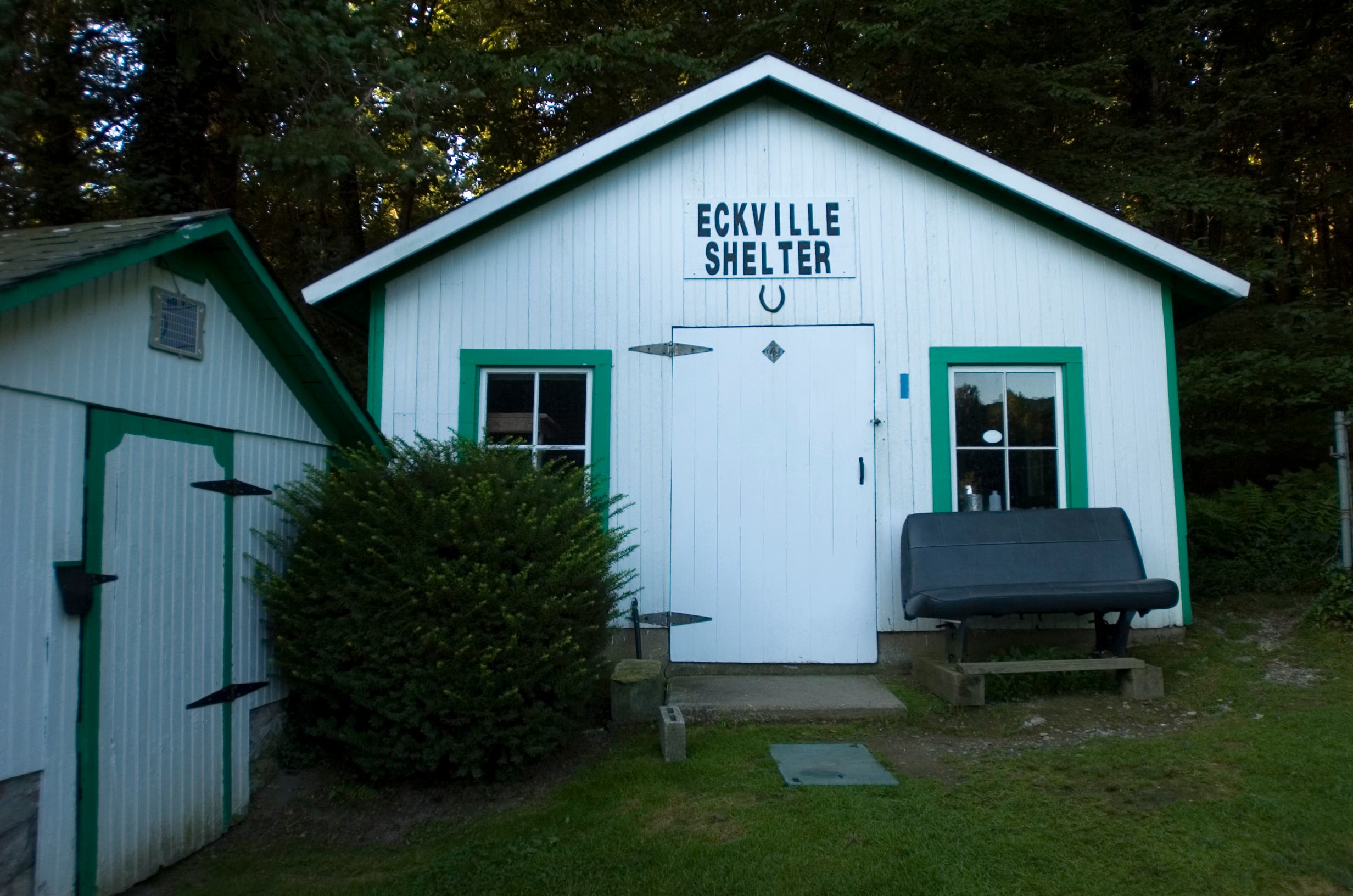
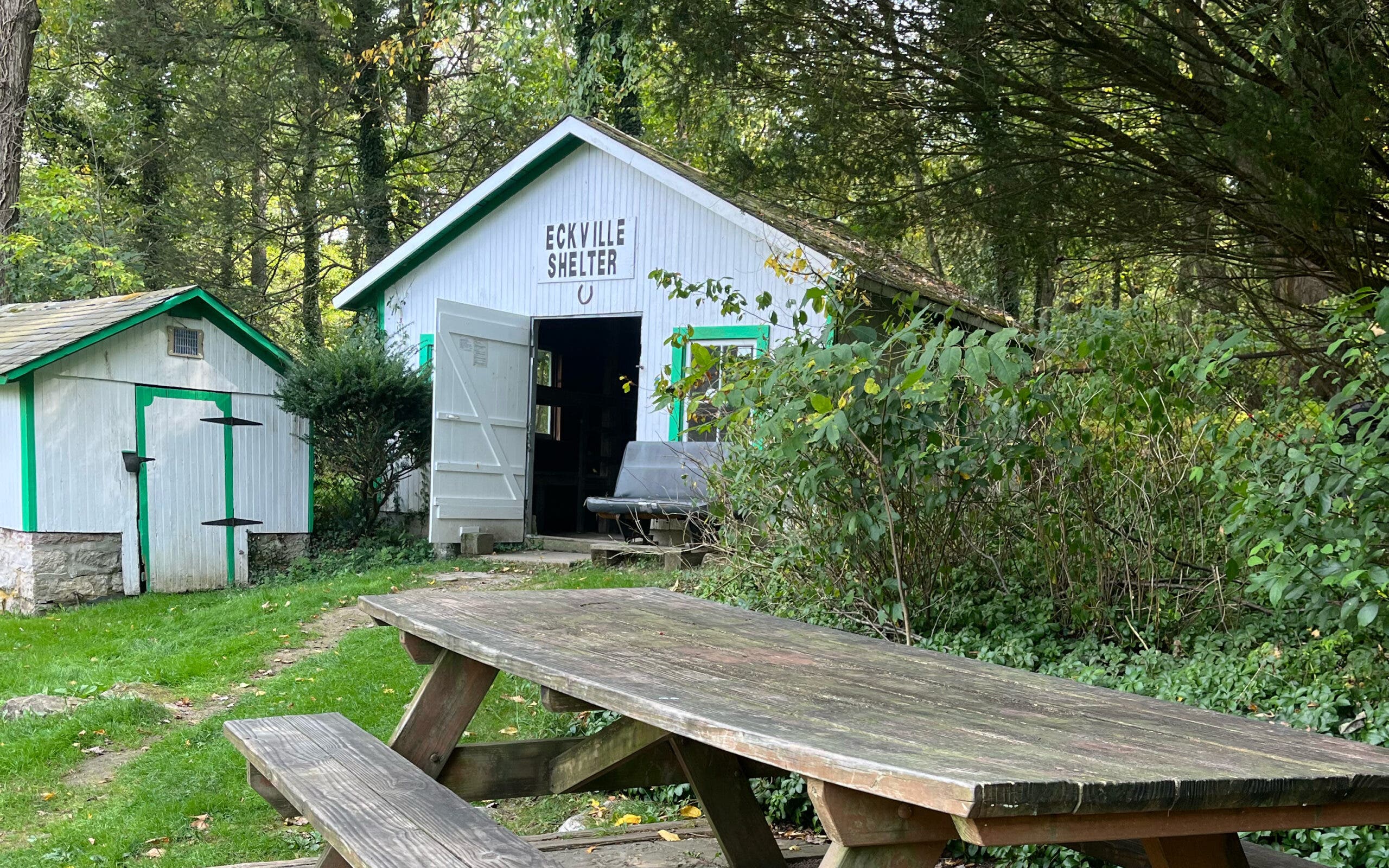
For nearly 40 years, Mick Charowsky has called a converted wooden barn in Berks County, Pennsylvania, his home. As the dedicated caretaker of the Eckville shelter—a historic bunkhouse originally built in 1880—Charowsky watches over a vital milestone sitting at mile 1,235 of the legendary Appalachian Trail (AT).
The Appalachian Trail spans approximately 2,200 miles of demanding terrain, characterized by rocky footpaths, grueling hill climbs, and historic shelters like Eckville. Spaced roughly a day’s hike apart along the length of the footpath, these simple structures range from rough wooden lean-tos to fully enclosed cabins. To thousands of weary backpackers, they represent much more than a mere place to rest. After hours of battling relentless rain, freezing winds, or blistering summer heat, these shelters serve as sanctuaries. They offer a reprieve where hikers can drop heavy packs, cook a warm meal, and kick up a pair of aching feet.
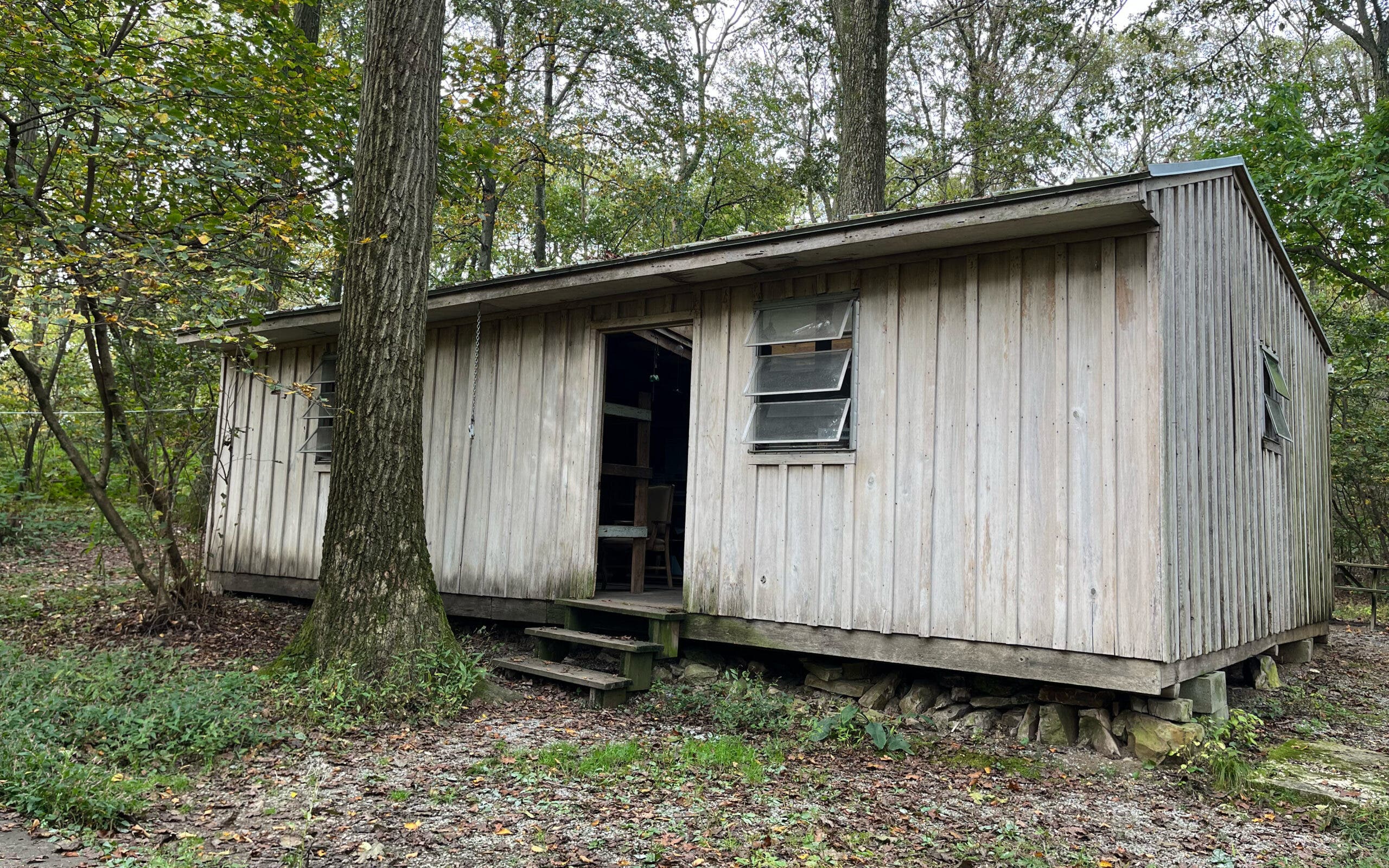
Now, however, the future of these iconic waystations is in jeopardy. The National Park Service (NPS), which manages the AT in partnership with the U.S. Forest Service and various state agencies, is preparing to tear down both the Eckville shelter and another nearby structure known as the 501 shelter. According to an NPS spokesperson who spoke with Outside, the agency has determined that the shelters do not meet its modern safety standards and must be removed.
This impending demolition has ignited a fierce backlash, drawing outrage from a vocal chorus of Appalachian Trail thru-hikers, section hikers, and local residents. In response, community members and trail advocates have launched a concerted campaign called "Save Our Shelters" to challenge the federal agency’s plans, utilizing a dedicated website and a public petition to rally opposition.
"The NPS may own and safeguard the existence of the AT on paper, but this place is ours," said Dan Nash, a 2017 AT hiker who was born and raised near the shelters. "It is our heritage. If it can’t be operated as a shelter, at least let us take possession of it rather than see another iconic piece of our community needlessly destroyed."
Darree Sicher, a local advocate who co-chairs the Save Our Shelters campaign, expressed the sentiment even more succinctly. "If it ain’t broke, don’t fix it," Sicher said. "People use these shelters and want them there."
Why the National Park Service Wants to Tear Down the Two Structures
The controversy first flared in April 2025, when the NPS formally announced its intentions to demolish the structures. While the 501 shelter has already been closed to the public pending its eventual removal, the Eckville shelter remains open for now.
Explaining the rationale behind the controversial decision, an NPS spokesperson told Outside that the demolitions are part of a broader, long-term initiative to rewilding the trail, which favors primitive backcountry camping over permanent built structures.
"The removal of the nonconforming 501 and Eckville shelters is intended to restore this section of the Appalachian National Scenic Trail to a more natural backcountry setting, while also addressing ongoing safety, maintenance, and repair concerns associated with the structures," the NPS spokesperson explained.
Federal officials classify both shelters as "nonconforming" because agency management policies dictate that all trail shelters must be located more than two miles away from any road or motorized access point. Both the Eckville and 501 shelters sit closer to roadways than these guidelines permit.
According to the agency, shelters situated in close proximity to roads frequently attract unauthorized non-hikers seeking a place to gather or party. This easy access has historically led to issues with litter, property damage, and overcrowded bunks, creating ongoing headaches for land managers.
While the agency has confirmed its intent to proceed, a precise timeline for the demolitions has not yet been established. "Before any removal activities occur, the project will undergo environmental and historic preservation reviews over the coming year," the NPS spokesperson noted.
The Appalachian Trail Conservancy (ATC), the primary national nonprofit organization dedicated to the oversight and maintenance of the trail, has thrown its support behind the NPS’s demolition plan. The ATC views the removal as a necessary step in a long-range strategy designed to minimize the ecological footprint of the AT’s camping infrastructure, which currently encompasses more than 250 permanent shelters.
Luke Weir, a spokesperson for the ATC, told Outside that the philosophical groundwork for removing structures like Eckville is rooted in the trail’s Comprehensive Plan, drafted jointly by the NPS and the U.S. Forest Service in 1981. Although the structures are undeniably cherished by the community, the plan explicitly states that the "use of the trail should not depend on them."
Morgan Sommerville, the ATC’s director of visitor use management, added that some older shelters were established in locations that modern conservation science would advise against.
"A lot of shelters are really old, and put in places that we now wouldn’t put them, because we have more knowledge," Sommerville said, noting that some structures sit in zones harboring rare plant species or sensitive archaeological artifacts. "Plenty of shelters are placed at appropriate sites, and some aren’t."
Why Hikers and Locals Want the Shelters to Stay
For the people who use and support the trail, the abstract ideals of rewilding and nonconformance clash sharply with the reality of what Eckville and 501 provide. Unlike remote wilderness lean-tos, these facilities offer unique trail luxuries. At both locations, visitors can utilize amenities such as solar showers, flush toilets, and electricity. The 501 shelter is famously accessible enough that hikers can even arrange for local pizza delivery.
"Not everyone is physically able to hike 27 miles in a day," pointed out Bernadette Leibensperger, owner of the nearby Lookout House hostel. "Nor does every hiker have the proper gear, enough water, or the ability to keep their devices charged for a long stretch between safe stopping points."
Chuck Eckenroth, a resident of nearby Kempton who completed an AT thru-hike in 1999, frequently visits the shelters to check on passing backpackers, often bringing along pizza and snacks to share.
"Eckville is the closest spot in the Appalachian Trail for me to meet up with current hikers," the 501-resident said.
Billy Ciccino, a backpacker who recently wrapped up a 130-mile section hike of the AT through Pennsylvania, stayed at Eckville and praised its distinct atmosphere. "From its flush toilet and shower to Mick the mercurial caretaker, the Eckville shelter has long been considered an icon to both thru-hikers and section hikers alike," Ciccino said. "I challenge you to find one hiker who agrees with the decision."
Ciccino and other advocates repeatedly highlighted the tireless efforts of Mick Charowsky and other caretakers. These individuals live in and manage the shelters on a volunteer basis, supported by local organizations like the Blue Mountain Eagle Climbing Club (BMECC), which mobilizes the necessary funds, materials, and manpower to keep the structures operational.
"If the trail volunteers, local community members, and hikers, the people actually connected to and affected by the Eckville Shelter, have no problem with the shelter as it exists, then why does a detached and distant federal agency have a problem?" Nash asked.
A Plan to Build Support
The Save Our Shelters campaign was spearheaded by the BMECC, a Pennsylvania-based nonprofit organization that assists in the management of the 65-mile stretch of the Appalachian Trail where both endangered structures are located.
In September, the coalition rolled out an online petition aimed at halting the demolition plans. Darree Sicher stated that the BMECC has set a target of 2,000 signatures for the current petition, building upon an earlier effort in 2025 that successfully gathered nearly 1,500 names.
Beyond the digital petition, campaign organizers have reached out directly to local municipal governments, regional wildlife sanctuaries, and watershed associations to secure formal letters of support. Sicher intends to present the compiled signatures and endorsement letters to both the National Park Service and the Appalachian Trail Conservancy to demonstrate the deep reservoir of local backing for the shelters.
"It’s a historic property," Sicher said. "It’s a part of old mountain culture."
Related News