FAA Orders Mandatory Inspections for Nearly 2,000 Boeing 737NG Aircraft Following Pitch Oscillation Incidents
Article Editorial Team
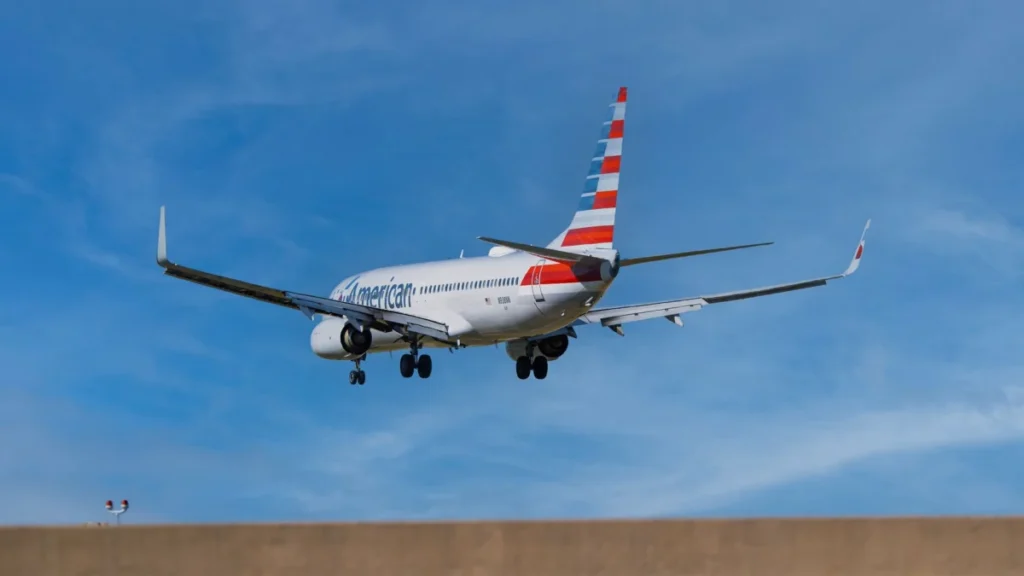
The United States Federal Aviation Administration (FAA) has officially mandated rigorous safety inspections for nearly 2,000 Boeing 737 Next Generation (737NG) aircraft registered in the country. The directive comes in response to multiple reports from operators detailing unsettling in-flight incidents where the noses of the aircraft moved unexpectedly up and down. This newly issued airworthiness directive specifically targets excessive mechanical play, known as freeplay, located within the hinges and the jackscrew that collectively support and control the movement of the aircraft’s horizontal stabilizer.
The airworthiness directive warns that leaving this mechanical wear unaddressed could trigger severe aerodynamic flutter. In a worst-case scenario, such a flutter event could lead to a catastrophic loss of aircraft control. Set to take effect next month, the directive casts a wide net over the domestic aviation landscape, covering a total of 1,987 US-registered Boeing 737NG jets. This includes the 737-600, -700, -700C, -800, -900, and -900ER models. Notably, the newer Boeing 737 MAX family remains entirely unaffected by this specific mandate, as the design and mechanics of their tail sections differ from the older generation.
FAA Makes Boeing 737NG Tail Checks Mandatory
The official mandate, designated as AD 2026-20-14, officially takes effect on November 23. Under the new rules, commercial airlines and other registered operators are required to meticulously measure excessive movement, or freeplay, at both the left and right horizontal stabilizer pivot hinges, as well as at the operating jackscrew. Depending on the precise measurement results yielded by these initial checks, operators may be forced to repeat the examinations at strictly specified intervals. Furthermore, if excessive wear is detected, airlines will be required to repair or replace the compromised parts before returning the aircraft to regular passenger service.

This regulatory enforcement directly follows a series of troubling reports regarding pitch oscillation events linked to excessive horizontal stabilizer freeplay on 737NG airframes. While the FAA has not publicly disclosed the exact number of pitch oscillation incidents recorded, nor the specific dates of their occurrence or the identities of the airlines involved, the severity of the phenomenon was enough to prompt federal intervention.
To understand the gravity of the directive, one must look at the mechanics of the aircraft. On every Boeing 737, the horizontal stabilizer is the primary control surface responsible for adjusting the pitch of the plane, facilitating nose-up or nose-down maneuvers. The stabilizer pivots dynamically on two structural hinges while a motorized jackscrew drives it precisely into position. Over years of continuous flight operations, routine wear and tear on these vital mechanical components can cause freeplay to gradually increase. If that freeplay grows beyond safe engineering tolerances, the stabilizer can suffer from dangerous aeroelastic flutter, which compromises the stability of the tail and threatens the pilots’ ability to maintain control of the aircraft. Emphasizing the stakes, the FAA noted that the identified unsafe condition, if neglected, could directly lead to a flutter event resulting in the loss of control of the airplane.
Airlines Requested More Time, The FAA Said No
The path to this final airworthiness directive has been met with significant pushback from the aviation industry. The order was first proposed by federal regulators back in January before culminating in this week’s finalized rule. During the initial public consultation phase, several major airlines and industry operators petitioned the FAA for greater flexibility and extended timelines.
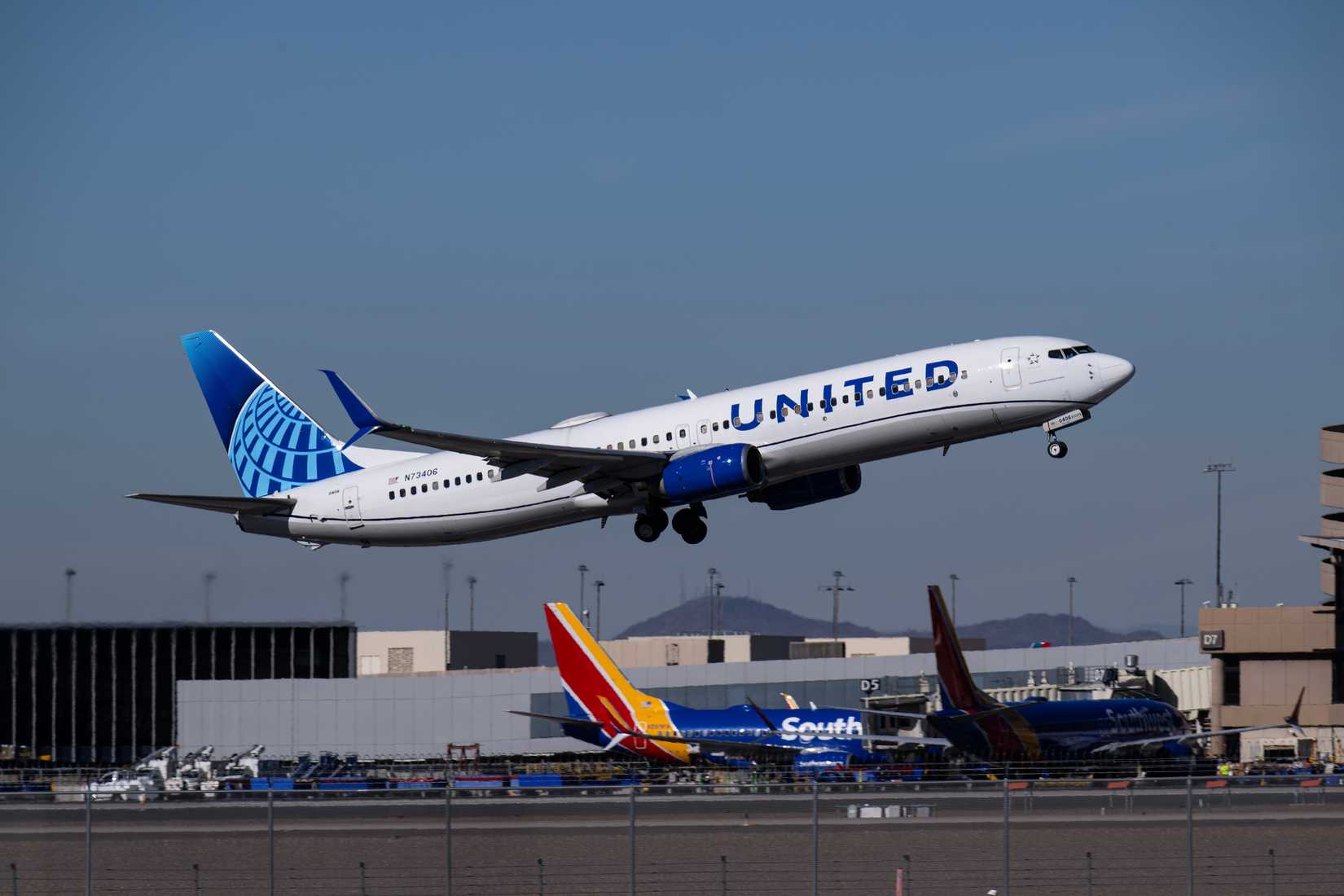
United Airlines, for instance, which counts more than 300 affected 737NG aircraft in its vast domestic fleet, formally requested longer intervals between repeat inspections. The carrier also asked the regulatory body to grant operational credit for similar maintenance checks that had already been completed under existing internal guidelines.
At the same time, Alaska Airlines submitted a request asking permission to bypass the interim freeplay measurements altogether, arguing that it would be more efficient to simply repair or replace worn components immediately upon discovery. Meanwhile, regional carrier Canadian North asked regulators to push back the strict 12-month initial inspection deadline to 36 months. Their argument was logistical, noting that a three-year window would allow the mandatory tail checks to coincide seamlessly with scheduled heavy maintenance visits, thereby minimizing operational disruption and fleet grounding.
Despite these reasoned appeals from major commercial stakeholders, the FAA firmly rejected all requests for timeline extensions and procedural shortcuts. The regulatory agency maintained that the mandated inspection intervals are critical to ensuring that excessive freeplay does not develop undetected in either original factory parts or subsequent replacement components.

From a financial standpoint, the regulatory burden is substantial. The FAA estimates that each individual inspection will consume approximately six work hours and cost $510 in labor alone per aircraft. Across the entire United States commercial fleet affected by the rule, the direct labor expense will easily surpass $1 million—a figure that notably excludes the substantial additional costs of purchasing replacement hardware, hinges, and jackscrews as worn parts are inevitably uncovered.
How Many Boeing 737NGs Could Be Affected?
While the FAA’s mandate currently applies exclusively to US-registered 737NG models, aviation authorities in other global jurisdictions are now faced with the decision of whether to harmonize their own rules and mandate similar tail examinations for aircraft registered under their respective flags.

Fleet tracking data provided by ch-aviation indicates that there are currently more than 5,160 Boeing 737NG aircraft listed as active with operators worldwide. Furthermore, the 737-800 variant remains the single most common commercial jet model in active domestic service within the United States today.
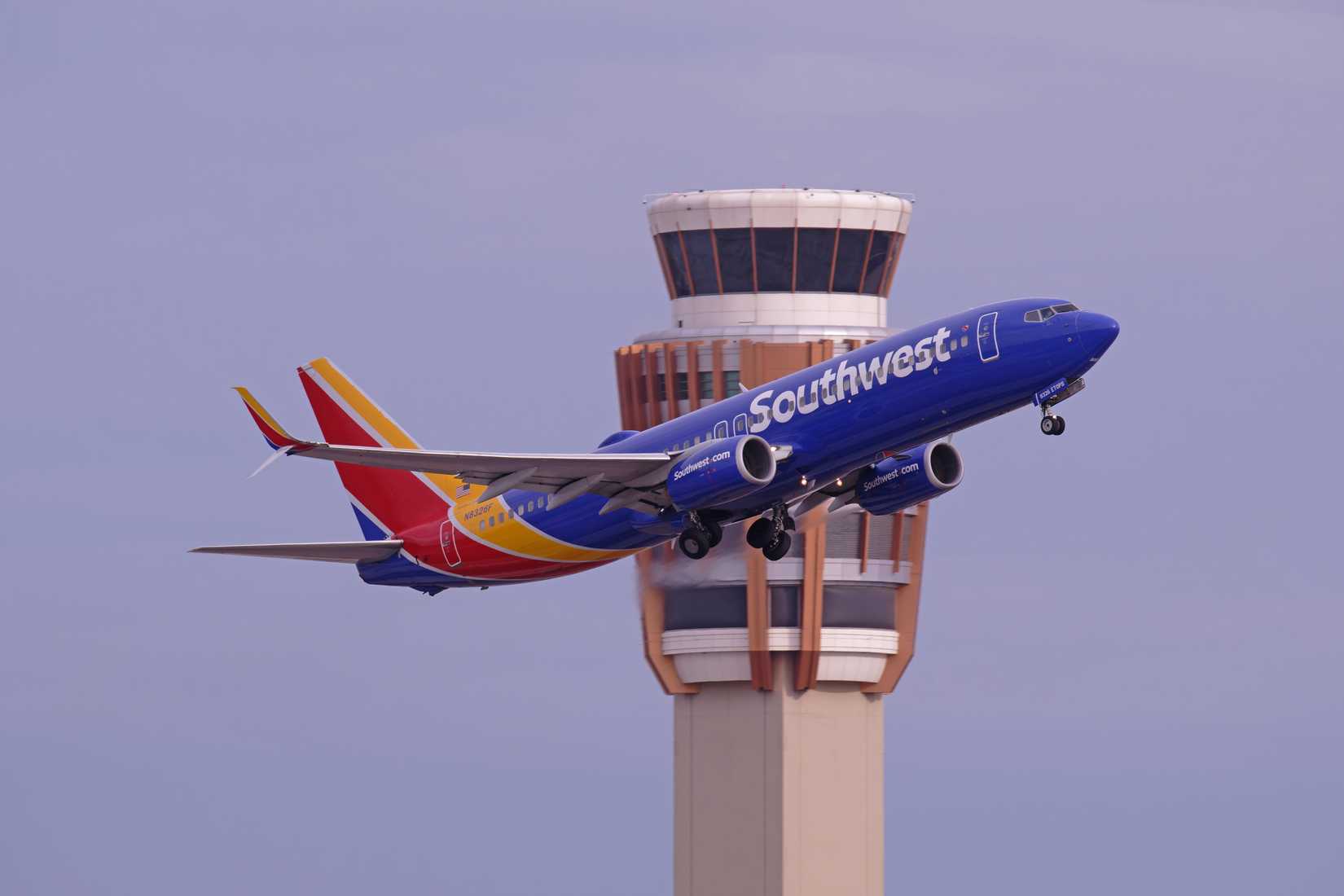
The global footprint of the 737NG is massive, meaning any fleet-wide mechanical concern carries widespread implications. The world’s largest operator of Boeing 737 aircraft is Southwest Airlines, which commands an active fleet of more than 800 Boeing 737-family jets, with over 500 of those consisting of the -700 and -800 NG models targeted by industry trends. European low-cost titan Ryanair holds the second position globally with a fleet exceeding 400 737NGs, closely followed by major United States carriers United Airlines and American Airlines.
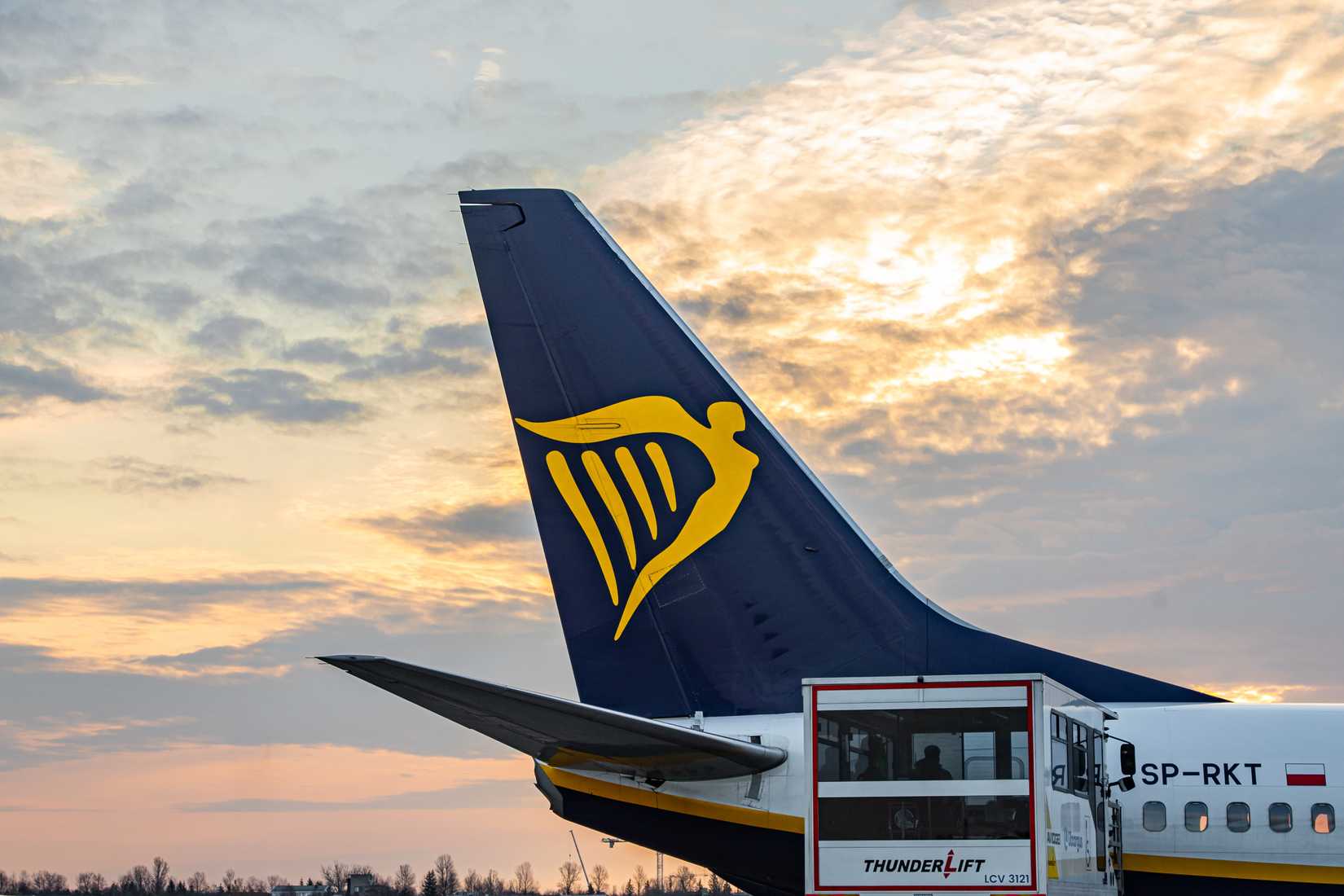
Boeing successfully manufactured and delivered more than 7,000 aircraft from the 737NG family between 1997 and January 2020, when the final units rolled off the production lines. This is not the first time the aging, hardworking fleet has faced sweeping regulatory scrutiny. Back in 2019, the discovery of structural fatigue cracks in the "pickle fork"—a crucial load-bearing component connecting the main wings to the fuselage—forced the FAA to order mandatory inspections for US-registered 737NGs. That previous safety directive similarly triggered widespread operational headaches and led to the temporary grounding of dozens of aircraft across the international aviation network as airlines scrambled to clear their fleets for safe flight.
Related News