Navigating Campervan Builds: A Comprehensive Look at Creative and Practical Bed Designs for Van Life
Article Editorial Team
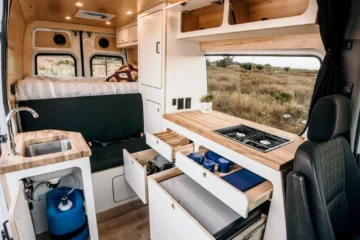
Embarking on a campervan conversion is an exercise in spatial optimization, where every square inch dictates the comfort and functionality of your mobile home. For anyone diving into the world of van life, the foundational piece of the entire build is undeniably the bed. Because a campervan serves primarily as a mobile bedroom, expert builders and full-time travelers consistently recommend starting your design layout right there.
A thorough examination of current custom van builds reveals a wide spectrum of creative and practical bed designs tailored to different travel styles, vehicle dimensions, and living requirements. Whether you are looking for a permanent fixture that requires zero daily assembly or a flexible configuration that transforms to accommodate gear and socializing, understanding the landscape of campervan bedding options is essential for a successful build.

When mapping out a conversion, aspiring vanlifers must balance the layout and surface area of their specific vehicle model. However, experienced builders emphasize that perfection is rarely achieved on the first try, and layouts can—and often do—evolve as travel needs change over time. Broadly speaking, campervan bed designs fall into two primary categories: the platform bed and the convertible bed. Each category presents distinct advantages and trade-offs regarding storage, seating, and ease of use.
The Platform Bed
The platform bed stands out as one of the most standard and widely adopted designs in the van life community. Featuring a single dedicated sleeping space that remains in a fixed position, platform beds appeal to travelers who value convenience. Because the mattress stays permanently in place, there is no daily assembly required—a significant benefit after a long day of driving or outdoor adventuring.

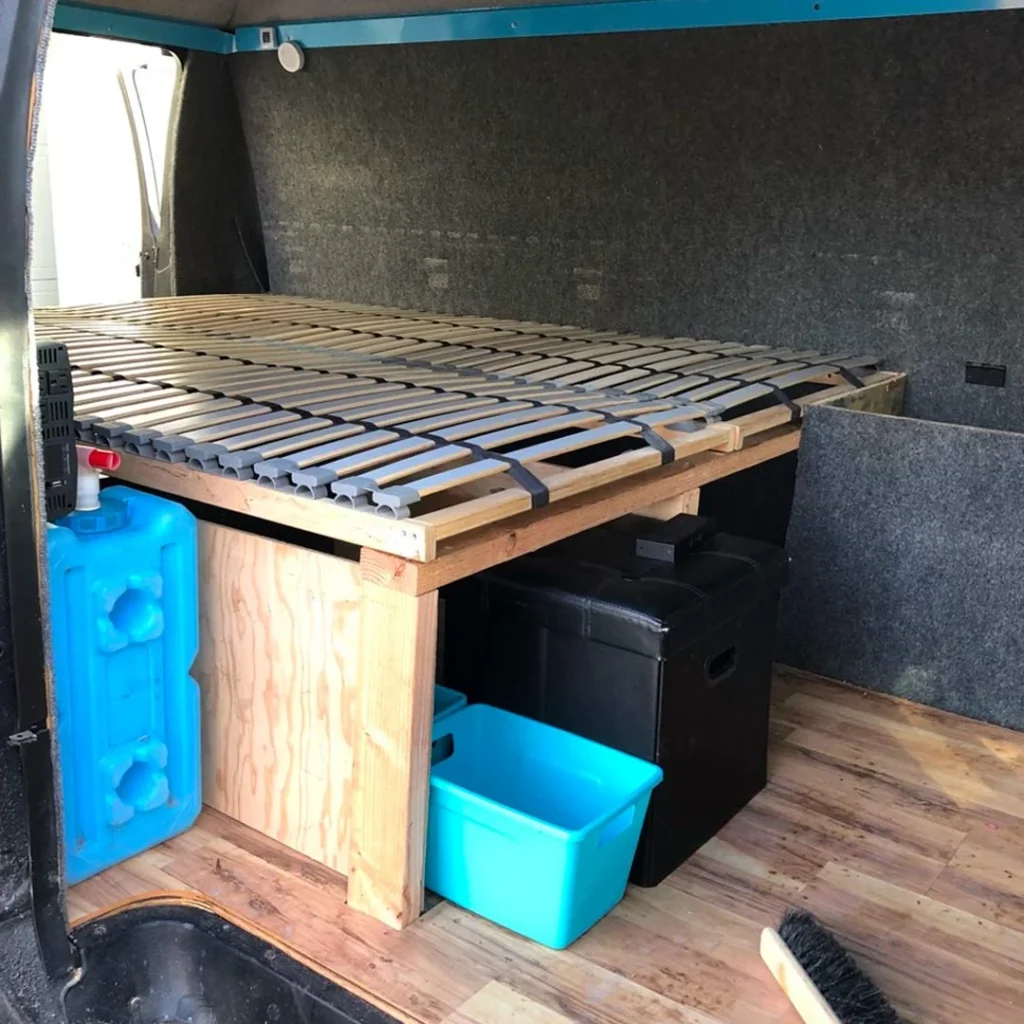
Furthermore, fixed-position beds create a massive cavity underneath, commonly referred to in the van community as the "garage." This dedicated lower storage zone can accommodate bicycles, bulky clothing bins, freshwater tanks, portable camping refrigerators, and other essential adventure equipment. Despite these advantages, the fixed platform bed does come with a notable trade-off: it consumes a large portion of the vehicle’s interior volume, leaving very little room for dedicated daytime seating.
Managing overhead space is a critical factor when constructing a platform bed. Initial builds often prioritize maximizing under-bed storage to fit tall items like bicycles, which forces the bed platform higher toward the ceiling. Over time, however, many travelers discover that vertical headspace is paramount for comfortable living, prompting them to lower their bed platforms by several inches. To enhance comfort without sacrificing structural integrity, many builders utilize pre-made wooden slats, such as those from Ikea, to provide a flexible spring cushion beneath the mattress. A standard queen-size memory foam mattress, typically around five inches thick, is frequently placed on top to complete the setup.

The Challenge of Van Width and Adding Flares
A persistent hurdle in campervan conversions is vehicle width. Most standard cargo vans cannot accommodate a queen or full-sized mattress running length-wise without sacrificing a prohibitive amount of interior living space. The Dodge ProMaster serves as a notable exception, offering enough interior width to fit a standard mattress in any direction without requiring modifications or cutting.
For owners of other popular platforms like the Mercedes-Benz Sprinter, Ford Transit, or Nissan NV, maximizing width often involves the installation of fiberglass panels known as flares. These aftermarket additions widen the usable space on the sides of the vehicle, allowing travelers to install their mattress width-wise and reclaim several precious feet of interior living area. While flares offer a practical solution for transverse sleeping, they come with notable drawbacks: they require professional installation, represent a significant financial investment, and can complicate the vehicle’s thermal insulation process.

For those who choose not to install flares, navigating standard mattress sizes requires flexibility. The market offers specialized RV mattresses, including short-queen and RV bunk sizes, alongside customizable mattress toppers designed to fit unconventional spaces.
Convertible Beds and Multifunctional Spaces
For travelers who prioritize a versatile living area over a permanent bed, convertible beds offer an alternative approach. These systems fold, slide, or stow away when not in use, opening up floor space for dinettes, sofas, or the transport of oversized adventure gear. Convertible setups are particularly convenient for remote workers who need a comfortable daytime workspace or for travelers who frequently host guests inside the vehicle.

The primary disadvantage of convertible beds is the daily labor involved. Transforming a seating area into a sleeping space requires regular assembly and disassembly. Additionally, convertible systems can create friction for couples or travel partners whose sleep schedules do not align.
Several innovative variations of convertible beds have emerged within the van life community. The table bed design, for instance, utilizes a telescoping table base surrounded by bench cushions. During the day, the table provides a workspace or dining area; at night, the table lowers to form a cohesive sleeping platform.

Another space-saving variation is the flip bench bed design. Utilizing a bench that flips open into a single bed configuration, this setup requires minimal effort and provides a comfortable seat for travelers who prefer to sit upright while on the road.
More unique configurations include the slide-out platform bed, which remains pushed flush against the rear wall during transit but can be slid outward once parked, allowing travelers to lounge in the open air. Similarly, custom bunk bed systems—such as those suspended from the ceiling with integrated ladders—allow families to accommodate multiple sleepers in a single vehicle without making the interior feel overwhelmingly cramped.

Other advanced configurations include custom-built Murphy beds that fold flat against the wall to maximize floor space for surfboards or bikes, drawbridge-style beds featuring accordion-folding mattresses, and traditional couch-bed conversions that utilize folding benches. Slider beds, which feature movable slats that push inward to create a seating area with a lifted backrest, offer yet another multi-purpose solution that preserves room for kitchens or interior bathrooms.
For builders seeking custom layouts, non-square configurations like L-shaped beds can maximize the utility of unconventional floor plans, while custom-designed bench seats that fold down into beds can expand sleeping capacity to four people in larger builds. Hybrid drop-down bed systems, which use lift supports to raise and lower the mattress from the ceiling, combine the benefits of platform and convertible designs.

Alternatives and Mattress Selection
For individuals hesitant to undertake complex carpentry or permanent installations, simpler alternatives exist. Throwing a standard mattress, camping pad, and sleeping bag directly on the floor requires minimal woodworking, reduces vehicle weight, and ultimately improves fuel efficiency. Alternatively, hanging a minimalist hammock across the interior provides a comfortable sleeping solution for solo travelers who prefer that style of rest.
When selecting a mattress for a camper conversion, buyers generally weigh available space against personal comfort. Gel-infused memory foam mattresses have emerged as a popular choice because they remain slim, breathable, and relatively easy to cut with an electric carving knife to fit custom van contours. Standard sizing options range from king and queen to full and twin, with thicknesses typically kept between five and six inches to preserve vertical headroom. Additionally, pre-folded camping mattresses offer a ready-made solution for bench seats and drawbridge configurations, providing immediate utility without the need for custom fabrication.
Related News