How Qatar Airways is Rebalancing its US East Coast Flying After American Airlines Quit Doha
Article Editorial Team
The global airline industry is currently navigating a period of profound unpredictability and operational difficulty. Over the past two decades, Middle Eastern carriers have risen to prominence as some of the largest and most efficient international operators in the world. Their central hubs were historically regarded as economically resilient, highly attractive, and largely insulated from localized geopolitical friction. However, the ongoing war involving Iran has thrust these critical regions directly into the line of fire, sparking a cascade of strategic adjustments and fascinating developments across the international aviation landscape.
One of the most notable shifts involves American Airlines and its long-haul relationship with Qatar Airways. When the conflict first erupted, American abruptly suspended its nonstop route connecting Philadelphia International Airport (PHL) with Doha Hamad International Airport (DOH). As the volatility persisted, the carrier ultimately decided that the route would not return, making the cancellation permanent.
Yet, travelers in the Philadelphia region need not worry about losing access to Middle Eastern destinations. Qatar Airways has stepped in to seamlessly absorb the capacity, now operating its own metal on the Philadelphia-to-Doha corridor. Simultaneously, the Doha-based carrier is adjusting its footprint elsewhere on the US East Coast by winding down its third nonstop frequency to New York, demonstrating a meticulous rebalancing of its North American network.
Route Changes in the Northeast & Middle East
American Airlines initially launched its Doha service in 2022 out of New York’s John F. Kennedy International Airport (JFK), marking its first and only destination in the Middle East. Seeking better operational alignment and connectivity, the carrier shifted its US port for the route to Philadelphia the following year. While Doha is considerably smaller than major regional peers like Dubai, and neither New York nor Philadelphia serves as an overwhelmingly massive hub for American in terms of international transfer scale, the primary driver for the route was always seamless connectivity with fellow oneworld alliance partner Qatar Airways.

Before American took over the operation, Qatar Airways routinely served Philadelphia with its own aircraft. Under their expansive codeshare agreement, the route continued under American’s banner utilizing a Boeing 787 Dreamliner, preserving vital feed for both network carriers. Coinciding with that arrangement, Qatar Airways bolstered its own footprint by introducing a third nonstop frequency between Doha and New York JFK, operating four times weekly and driving its total weekly JFK frequencies from 14 up to 18 flights. This robust schedule held firm until the outbreak of the war necessitated temporary suspensions, leading to permanent structural adjustments later in the summer season.
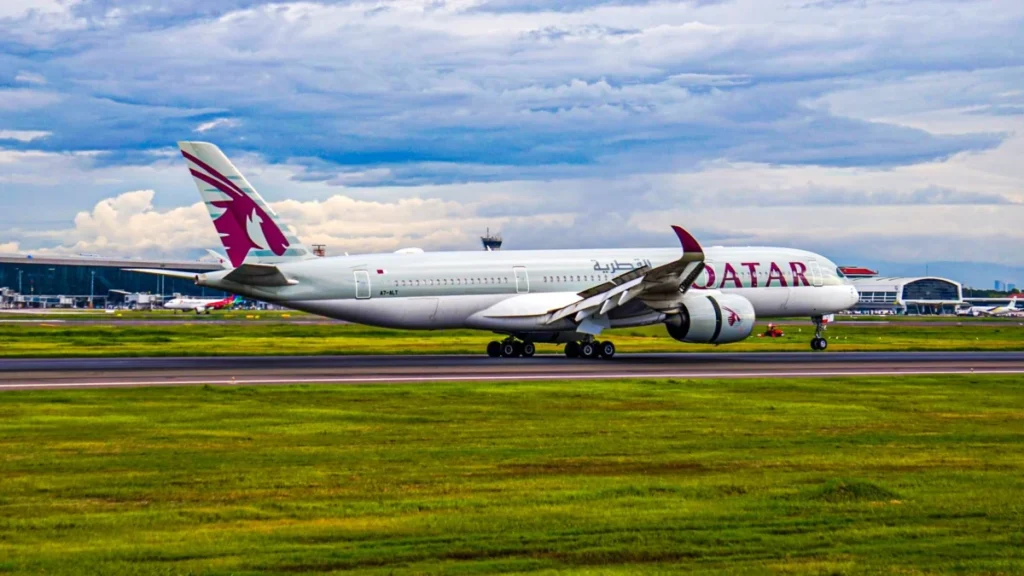
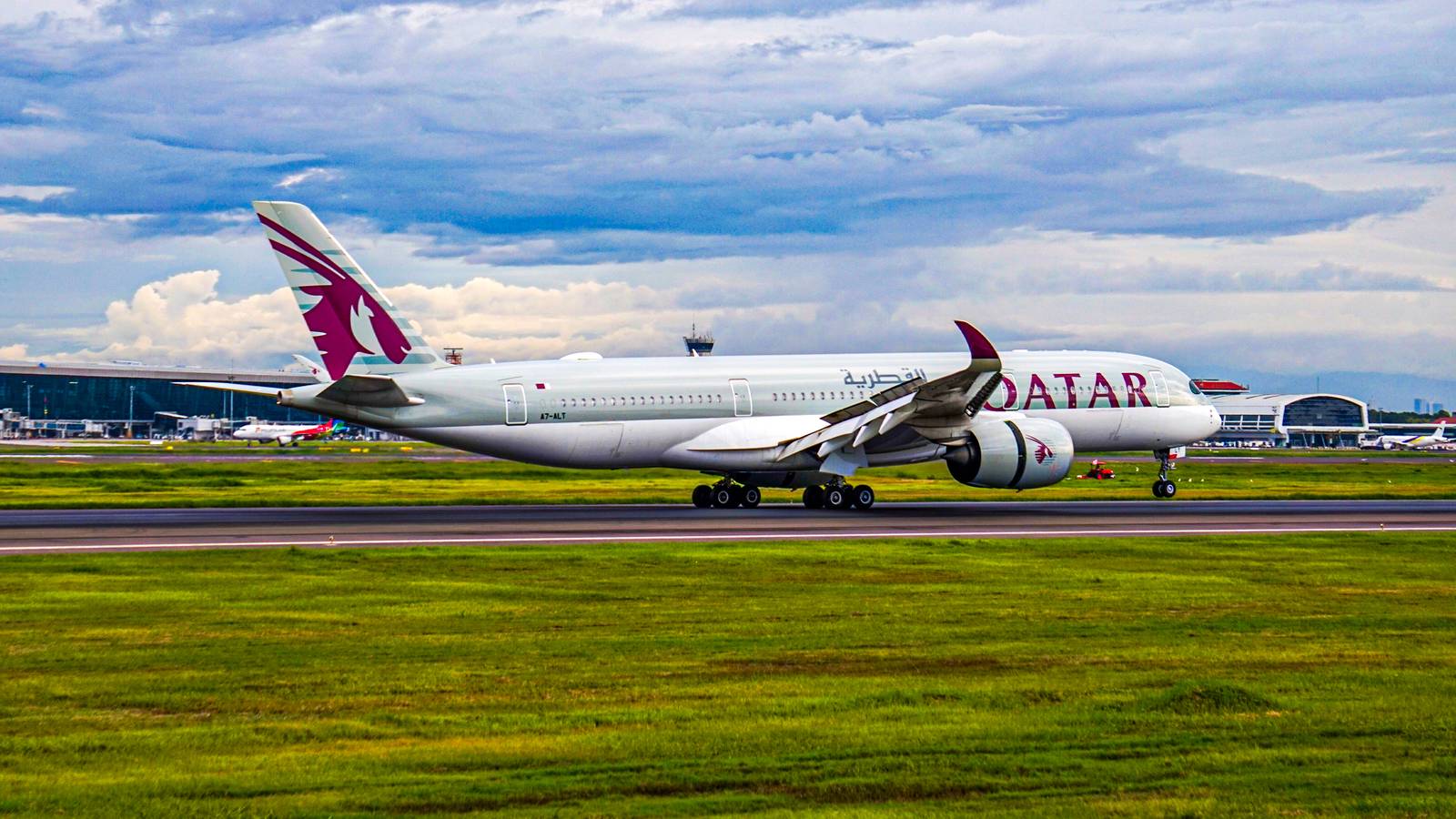
By August, Qatar Airways had firmly re-established its presence by initiating daily flights between Doha and Philadelphia utilizing an Airbus A350 widebody aircraft. Conversely, the airline is winding down its extra third frequency to New York JFK by the end of October. Essentially, this represents Qatar Airways reclaiming the capacity it operated prior to American Airlines stepping onto the route. This strategic pivot occurs against a backdrop where foreign airlines generally tread carefully around the Middle East, while local network airlines, including Qatar Airways, have largely managed to restore their pre-war schedules—even if the broader macroeconomic and geopolitical environment remains deeply unpredictable.

The Effects of the Iran War on Airlines
The broader repercussions of the Iran conflict have rippled across the global airline industry, most visibly through skyrocketing jet fuel prices, which have nearly doubled compared to the previous year. Within the Middle East, severe airspace restrictions have compounded operational challenges, forcing airlines to navigate congested corridors and endure significantly extended flight times.
Prior to the outbreak of hostilities, destinations across the Arabian Peninsula—including Dubai, Doha, Abu Dhabi, and Riyadh—had blossomed into booming international powerhouses. Major US carriers had aggressively expanded into the region; United Airlines served Dubai directly from Newark, Delta Air Lines announced plans for nonstop service to Riyadh, and Air Canada maintained active routes to Dubai. Today, none of these specific flights are operational, highlighting the swift contraction of foreign airline exposure to the region.
Furthermore, ongoing security concerns and sporadic attacks on Middle Eastern aviation infrastructure have dramatically elevated the risk profile for aircraft and flight crews. Airlines venturing into the region face exorbitant insurance premiums due to these heightened threats. Labor unions representing North American airline pilots and flight attendants have also voiced strong objections regarding layovers and short turnarounds in these volatile hubs. Because the vast majority of long-haul operators based in North America lack a sprawling corporate footprint or deep operational reliance within the Middle East, flying to the region currently presents a high-risk, low-reward proposition.
Conversely, premier local carriers like Qatar Airways are fundamentally compelled to protect and maintain their pre-existing schedules. A core pillar of their commercial value proposition relies on offering vast global connectivity and highly competitive scheduling across international markets. While foreign carriers find it increasingly difficult to justify the economic and operational hurdles of maintaining these routes, local network airlines continue pushing forward, even as North American partners steadily push back their intended restart dates—or, in American Airlines’ case, abandon the routes entirely.
Qatar Airways’ US Network Today
Following its recent adjustments, Qatar Airways maintains a robust US network spanning 12 major destinations: Atlanta, Boston, Chicago, Dallas/Fort Worth, Houston, Los Angeles, Miami, New York-JFK, Philadelphia, San Francisco, Seattle, and Washington, D.C. Notably, Qatar Airways stands as the sole Middle Eastern carrier linking Philadelphia directly to the region. This gateway remains exceptionally valuable to the airline due to its symbiotic relationship with American Airlines, which utilizes Philadelphia as its primary transatlantic hub and commands a dense connecting network capable of feeding international long-haul services.
Because of this deep partnership, the route between Philadelphia and Doha benefits significantly from domestic feed at both ends, effectively operating as a high-capacity hub-to-hub connector regardless of which carrier’s livery is on the fuselage. A similar dynamic applies to Qatar Airways’ flights serving Chicago, Dallas-Fort Worth, Los Angeles, Miami, and New York JFK, all of which function as massive domestic fortresses for American Airlines.
Ultimately, these adjustments represent a measured recalibration by the oneworld alliance member to compensate for American’s departure from Doha. The strategy ensures that Philadelphia preserves its vital nonstop umbilical cord to the Middle East while allowing Qatar Airways to trim excess capacity in its largest US spoke as the summer peak fades and shoulder-season demand settles in. However, the more compelling narrative remains American’s definitive choice to permanently sever ties with Doha, particularly at a time when the Fort Worth-based carrier is aggressively seeking to scale up and modernize its broader long-haul network.
Why American Airlines Left Doha (And Won’t Return Anytime Soon)
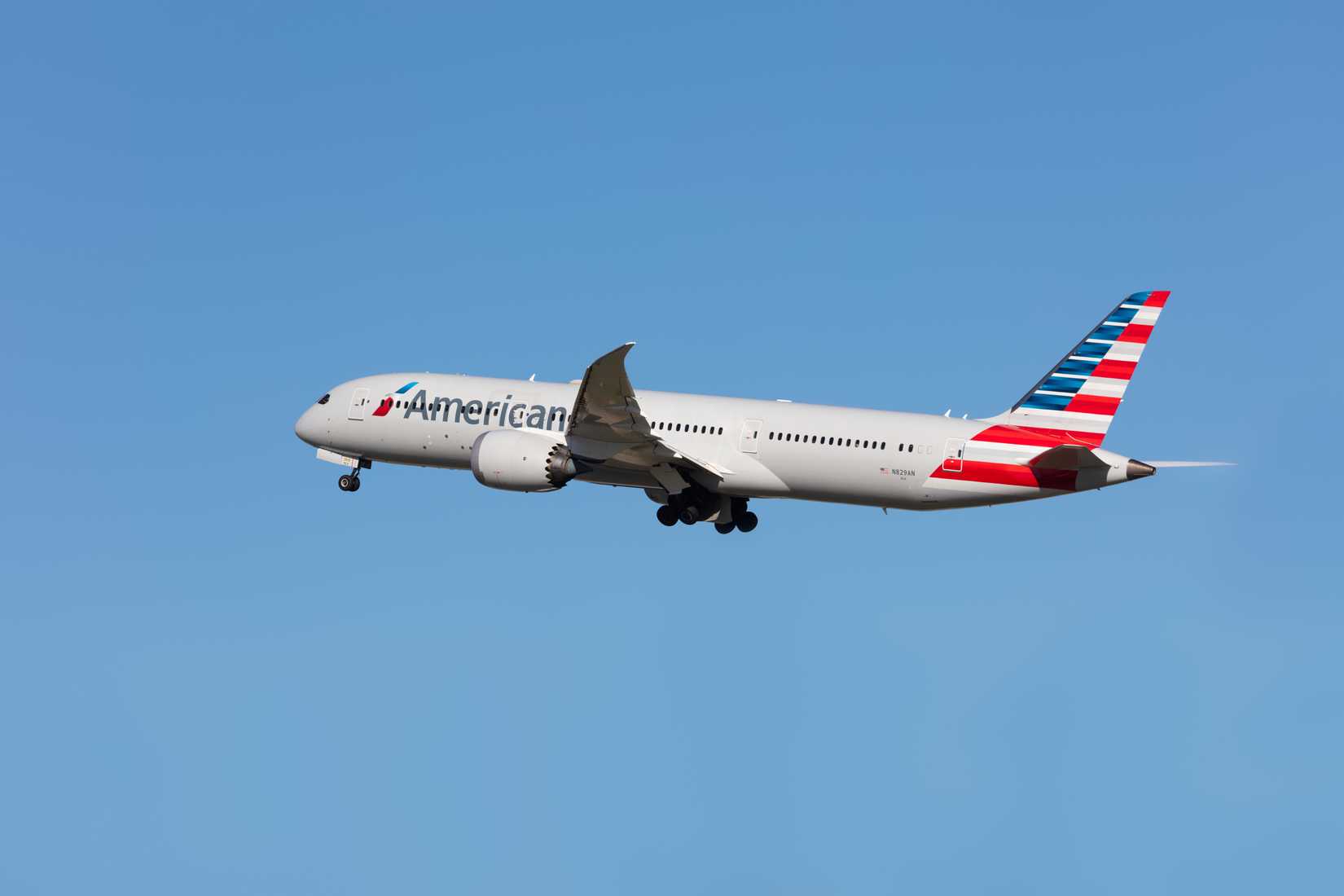
Like nearly all international operators, American Airlines initially grounded its Middle East flights when the conflict erupted, prioritizing the safety of its personnel and fleet amid unstable conditions. While some international carriers have cautiously resumed select operations, United and Delta have repeatedly delayed their returns due to persistent regional instability. For American, while geopolitical volatility is a clear deterrent, the decision is equally tied to a broader evolution of its widebody strategy designed to make the airline more competitive against its primary domestic rivals. Simply put, American believes its Boeing 787 fleet can be deployed much more profitably elsewhere.

Shortly after confirming the permanent cancellation of its Doha route, American Airlines unveiled a brand-new nonstop route connecting Chicago O’Hare with Tokyo Narita. Tokyo serves as the primary hub for Japan Airlines, an even closer and more integrated partner for American than Qatar Airways. Beyond alliance cooperation, American has made no secret of its desire to make its international network more competitive, recognizing that its global footprint across both the Atlantic and Pacific oceans remains notably smaller than those of Delta and United. In Chicago, for instance, American previously lacked any direct Asian service of its own, whereas rival United maintains a strong foothold across the Pacific.
While Japan Airlines could theoretically absorb more traffic out of Chicago, American opted to launch its own metal to reinforce its market relevance in the Midwest. Tokyo offers broader, more consistent commercial relevance for American’s customer base than Doha. Until American expands its widebody fleet significantly, serving niche partner hubs like Doha remains a distant secondary priority, especially under the current cloud of regional uncertainty.
American’s Renewed Focus On Long-Haul
Navigating ongoing financial pressures, American Airlines is executing a strategic turnaround aimed at emulating the highly lucrative international models perfected by Delta Air Lines and United Airlines. Both competitors have established themselves among the most profitable airlines globally by capturing lucrative premium passenger traffic and dominating high-yield long-haul corridors. In response, American leadership has explicitly stated its intention to close the competitive gap, setting sights on international network expansion—particularly across Asia.
Aside from the newly minted Tokyo service, however, American’s recent European and international route additions have been relatively modest compared to the aggressive expansion seen at United. Furthermore, American’s current order book includes only 19 remaining Boeing 787 widebody aircraft, a remarkably lean figure for an airline of its scale and one that trails far behind the massive widebody orders logged by its domestic peers.
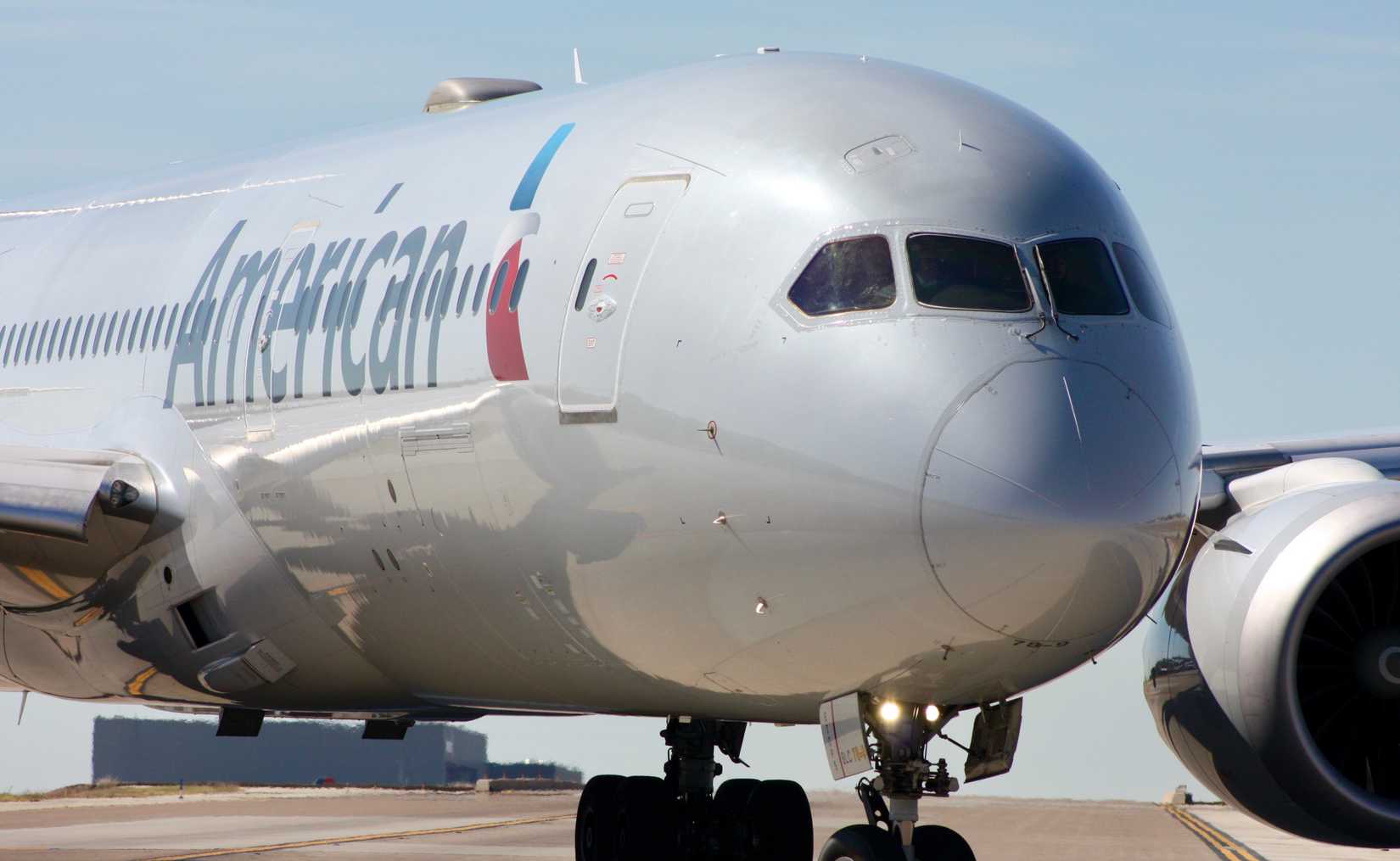
A potential turning point for the airline’s long-term ambitions lies in its ongoing fleet evaluation. American has solicited proposals from both Airbus and Boeing for a new widebody acquisition rumored to encompass approximately 65 aircraft. While industry observers speculate these frames could be earmarked to eventually replace its aging fleet of 47 Boeing 777-200ERs, they also provide the necessary capacity for ambitious long-haul growth. How American ultimately chooses to deploy these future assets remains to be seen, but the carrier is clearly positioning itself to prioritize high-value markets over secondary partner-feeding routes as it redraws its global map for the future.
Related News