UAE Hotel Operators Pivot to Short-Haul Markets Amid Geopolitical Pressures and High Airfares
Article Editorial Team
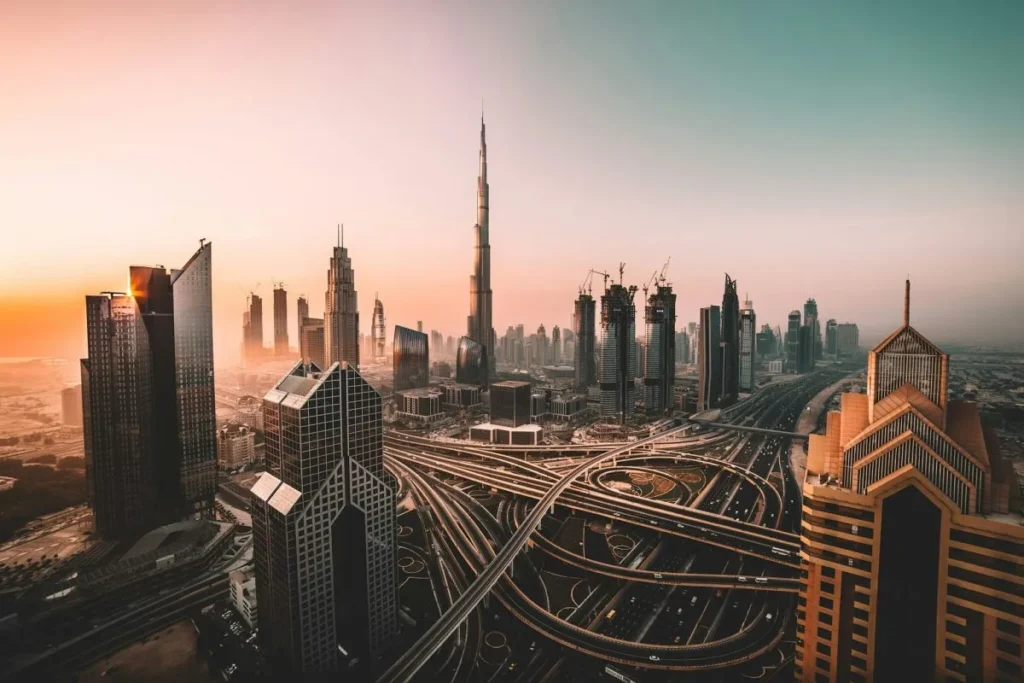
Hotel operators across the United Arab Emirates are aggressively pivoting their strategies toward travelers from key short-haul markets such as India, China, and Russia. This strategic shift is designed to support their ongoing recovery from the worst impacts of the U.S.-Iran war, even as persistently elevated airfares continue to deter long-haul guests from booking trips to the region.
The regional hospitality sector has faced a complex operational environment marked by fluctuating geopolitical tensions and volatile energy costs. With jet fuel remaining significantly more expensive than historical averages, airlines have been forced to pass higher operating costs on to consumers through elevated ticket prices. For prospective travelers living a half-day’s journey or more away from the Gulf, the combined cost of long-haul flights and accommodations has created a formidable barrier to travel.
Industry leaders acknowledge that the traditional reliance on a geographically diverse global mix of tourists must be temporarily recalibrated to match current economic realities. "We’re targeting short-haul markets like India, China, and Russia, that are a five- to six-hour flight away," said Saurabh Tiwari, vice president for the Middle East, Maldives and Sri Lanka at IHCL, the prominent hospitality company that operates the luxury Taj brand.
Tiwari noted that the economic arithmetic of modern aviation makes it impractical to pursue visitors from distant continents under current conditions. "Since jet fuel prices are more expensive than before, it is hard to expect people to come from long-haul markets like the Americas or Australia," Tiwari explained, adding that attempting to attract visitors from such vast distances under the present market dynamics is "going to be wishful thinking."
Among these targeted short-haul territories, India has emerged as an exceptionally vital economic anchor for the region’s tourism and hospitality stakeholders. According to hospitality executives, India has served as IHCL’s most reliable and resilient source market throughout the recent crisis period. This dependability is largely attributed to geographic proximity, robust flight connectivity, and comparatively lower airfares when contrasted with the steep costs associated with long-haul transoceanic destinations.
The influx of visitors from India, alongside steady interest from Chinese and Russian travelers, is helping to stabilize occupancy rates across major UAE hubs like Dubai and Abu Dhabi. These short-haul tourists are able to take advantage of favorable flight durations, making weekend getaways, short vacations, and business trips far more feasible than they would be for travelers originating from North America, South America, or the distant markets of the Asia-Pacific region.
At the same time, a notable evolution in pricing strategies within the local hospitality sector is further reshaping the tourism landscape. Driven by the need to maintain healthy occupancy levels in the face of broader economic headwinds, hotels and resorts have adjusted their room rates. These increasingly competitive, cheaper room offerings are effectively broadening the appeal of the destination.
By offering more accessible nightly rates, major tourism centers like Dubai are positioning themselves as highly attractive value propositions. This shift is making the emirate more accessible and affordable to a wider demographic of travelers—particularly those who previously may have viewed the destination as exclusively luxury-tier or cost-prohibitive. Through a combination of targeted regional marketing, short-haul flight accessibility, and adjusted pricing models, UAE hoteliers are navigating a challenging geopolitical and economic landscape while maintaining steady momentum in their recovery trajectory.
Related News