How Modern B2B Marketing is Adapting to Shorter Attention Spans and the Demand for Realistic Visuals
Article Editorial Team

The landscape of business-to-business (B2B) marketing has undergone a profound transformation in recent years. As digital channels become increasingly saturated and modern professionals face an unprecedented daily influx of information, attention spans have grown markedly shorter, while stakeholder expectations have risen to new heights. Today, modern enterprises are not simply competing with the merit and value of their core offerings; they are competing fiercely with how clearly, efficiently, and compellingly they can present those solutions to an increasingly busy audience.
In this environment, visual content—and video in particular—has evolved from a supplementary marketing tactic into an essential pillar of cross-channel communication. Yet, despite the widespread adoption of multimedia across corporate strategies, marketing teams frequently discover that not all content delivers equal results. Understanding the underlying mechanics of what tends to resonate with professional buyers, alongside finding the best ways to leverage professional stock media platforms like Shutterstock, can empower marketing teams to craft campaigns that are substantially more effective, agile, and manageable to execute.
How B2B Buyers Approach Content
Professionals operating within the B2B sector rarely possess the luxury of spending extended periods exploring marketing collateral or wandering through elaborate brand narratives. Instead, decision-makers, procurement specialists, and corporate leaders are typically hyper-focused on diagnosing and solving a specific, pressing operational issue within their organizations. Consequently, they approach external content with a results-oriented mindset, searching rapidly to determine whether a given message is genuinely relevant to their current challenges.

Because of this fast-paced evaluation process, content that performs exceptionally well tends to prioritize instant comprehension over elaborate artistic flourishes. The overarching objective in modern enterprise marketing is rarely to impress viewers with visual extravagance, but rather to communicate value with absolute clarity. When corporate buyers can instantly grasp how a product, service, or methodology addresses their pain points, engagement rates climb and the friction of the sales cycle diminishes.
Common Traits of Effective Visual Content
Across a diverse array of digital formats and advertising channels, distinct behavioral patterns frequently emerge in campaigns that consistently outperform their peers. High-performing visual assets generally share specific characteristics that capture attention within the critical opening seconds of exposure. They rely on clean composition, targeted focal points, and unambiguous messaging that avoids unnecessary cognitive load.
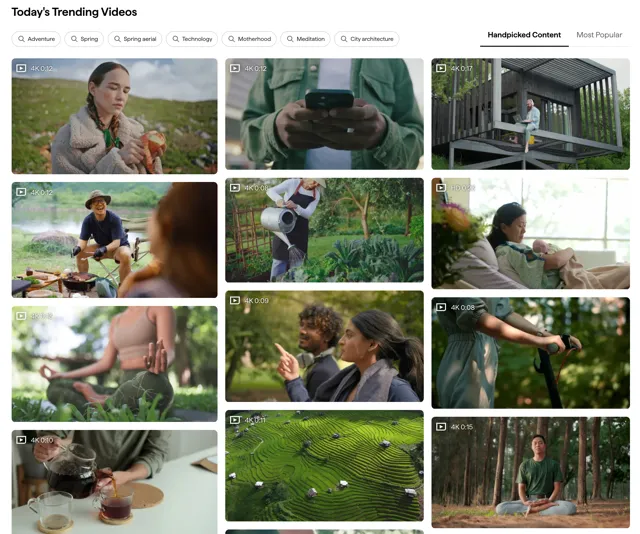
These foundational factors become exponentially more critical in paid advertising campaigns, where marketing budgets hang in the balance and teams have only a fleeting window to interrupt a user’s digital journey. To achieve this, organizations require a steady stream of professional visual materials tailored to modern engagement standards. Platforms like Shutterstock provide precisely the type of rich media assets needed to construct attention-grabbing, conversion-driven campaigns without requiring infinite production budgets or extensive lead times.
Adjusting Content for Different Platforms
Even when a marketing campaign maintains a consistent core message and targets the same overarching audience, the presentation of that content must adapt dynamically depending on the distribution channel. What performs seamlessly within a dedicated corporate email newsletter or a long-form website case study will rarely translate effectively into a fast-scrolling social media feed or a mobile-first digital advertisement.

Adapting creative assets to fit the specific behavioral norms, technical constraints, and aspect ratios of each unique digital space can make a noticeable, measurable difference in campaign performance. Modern platforms reward native formatting—whether that means tailoring visuals for vertical mobile consumption, horizontal desktop viewports, or square feed layouts. Ensuring that video and photography assets fit seamlessly into their intended environment prevents the content from feeling disjointed or out of place, thereby preserving viewer engagement.
The Challenge of Producing Content Regularly
Despite the recognized necessity of maintaining a robust and diverse portfolio of visual assets, many corporate marketing teams struggle profoundly to keep pace with the relentless demand for fresh content. Building every single graphic, photograph, or video sequence entirely from scratch demands an immense investment of time, specialized labor, and financial resources that are frequently unavailable within standard operational budgets.
While custom video production and bespoke photography will always retain a vital place in comprehensive brand building, relying exclusively on custom creation often introduces severe bottlenecks. These can include lengthy pre-production planning, complex scheduling for shoots, expensive equipment rentals, and the inherent unpredictability of post-production editing timelines. By integrating pre-made visual assets and professionally curated footage from platforms like Shutterstock into their broader media mix, marketing organizations can significantly alleviate these operational pressures, making it vastly easier to construct, test, and adjust campaigns in real time.
Avoiding Delays Related to Usage Rights
Beyond the sheer logistical hurdles of content creation, another persistent operational issue that frequently slows down marketing velocity is legal uncertainty surrounding licensing and usage rights. In fast-moving corporate environments, ambiguities regarding where, when, and how a piece of media can be legally deployed can bring campaign launches to a grinding halt.
When internal teams are uncertain about permissions or intellectual property clearances, projects often become bogged down in prolonged legal reviews or risk costly compliance errors down the road. Working with visual content that features transparent, easily understood licensing terms helps eliminate these bureaucratic roadblocks and keeps marketing momentum moving forward. The straightforward and reliable licensing frameworks provided by major platforms like Shutterstock serve as an invaluable resource for marketing departments seeking to deploy assets quickly and securely without legal friction.
Why Realistic Content Matters More Now
Over the past several years, the broader digital ecosystem has witnessed a gradual yet unmistakable shift away from overly polished, highly staged corporate imagery toward more natural, authentic-looking visuals. Recently, this preference has accelerated significantly. As digital spaces become increasingly saturated with synthetic, hyper-stylized, and artificial-looking media, modern audiences have grown wary of traditional advertising tropes.
Instead, consumers and business professionals alike consistently respond much more favorably to content that feels familiar, relatable, and genuinely believable. This style of visual communication fosters trust more rapidly, humanizes corporate brands, and bridges the psychological gap between the buyer and the vendor. For B2B communication—where trust and credibility form the bedrock of every successful commercial relationship—embracing realistic imagery can generate a profound and measurable commercial impact.
A More Practical Approach to B2B Content
Faced with escalating demands and shifting audience expectations, many forward-thinking marketing teams are fundamentally rethinking their strategies. Instead of relentlessly pursuing ultra-polished, blockbuster-style creative outputs for every single touchpoint, these organizations are pivoting toward a more practical, sustainable methodology centered on utility and manageability.

This pragmatic approach typically emphasizes speed to market, relevance to the buyer’s immediate needs, and the strategic reuse of high-quality assets across multiple channels. By incorporating ready-made visual resources from platforms like Shutterstock, marketing departments can seamlessly support this philosophy, empowering their teams to transition effortlessly from initial campaign conception to flawless execution without overcomplicating the creative process or burning out internal resources.
Related News