Two Cruise Ships Fail Surprise CDC Health Inspections in Unprecedented Setbacks
Article Editorial Team
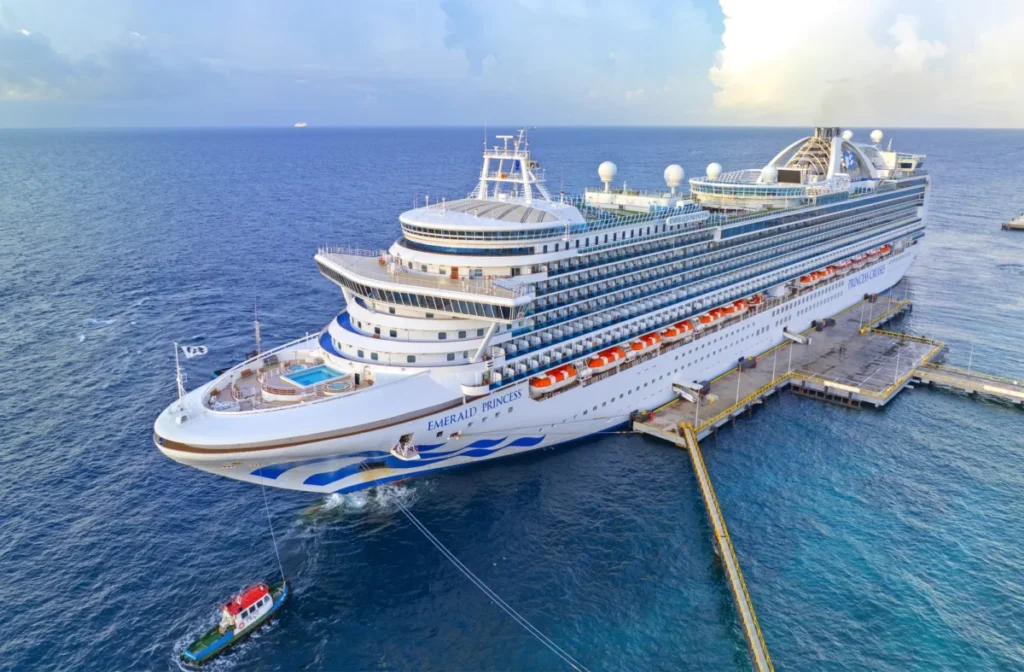
Cruise passengers and industry watchers are keeping a close eye on public health reports following a pair of surprising announcements from the Centers for Disease Control and Prevention. Two distinct cruise ships recently failed their unannounced health inspections administered by the CDC’s Vessel Sanitation Program, delivering a rare double blow to the maritime travel sector.
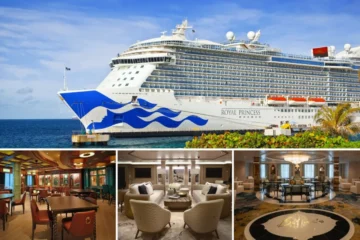
The Emerald Princess, operated by Princess Cruises, failed an inspection on October 16, recording the lowest score seen so far in 2026 with a 78. Just one day later on October 17, Le Lyrial, a luxury vessel operated by Ponant, also failed its health evaluation by scoring an 83. Under the guidelines established by the CDC’s Vessel Sanitation Program, any score of 85 or below is considered a failing grade.
Although these rigorous inspections took place weeks ago, the official reports were just published to the CDC’s public website. The agency typically requires anywhere from two to 12 weeks to process and upload inspection reports following the completion of an evaluation, meaning the public often learns of these sanitation setbacks long after the ship has addressed the initial findings or set sail on subsequent itineraries.
Emerald Princess Scores a Low 78 Following Major Food Safety Findings
When Vessel Sanitation Program inspectors boarded the Emerald Princess while the ship was docked in Los Angeles on October 16, they documented a total of 39 distinct deficiencies. Among these violations, the most pressing concern cited by the health officials involved widespread and significant food safety issues distributed across various areas of the massive cruise liner.
Inspectors flagged several problematic conditions during their walkthrough of the ship’s galleys and food preparation spaces. Among the recorded violations were instances of visibly moldy and spoiled fruit, improper food storage methods that compromised safety protocols, and a notable absence of required temperature-measuring devices needed to ensure that perishable items were kept at safe thresholds.
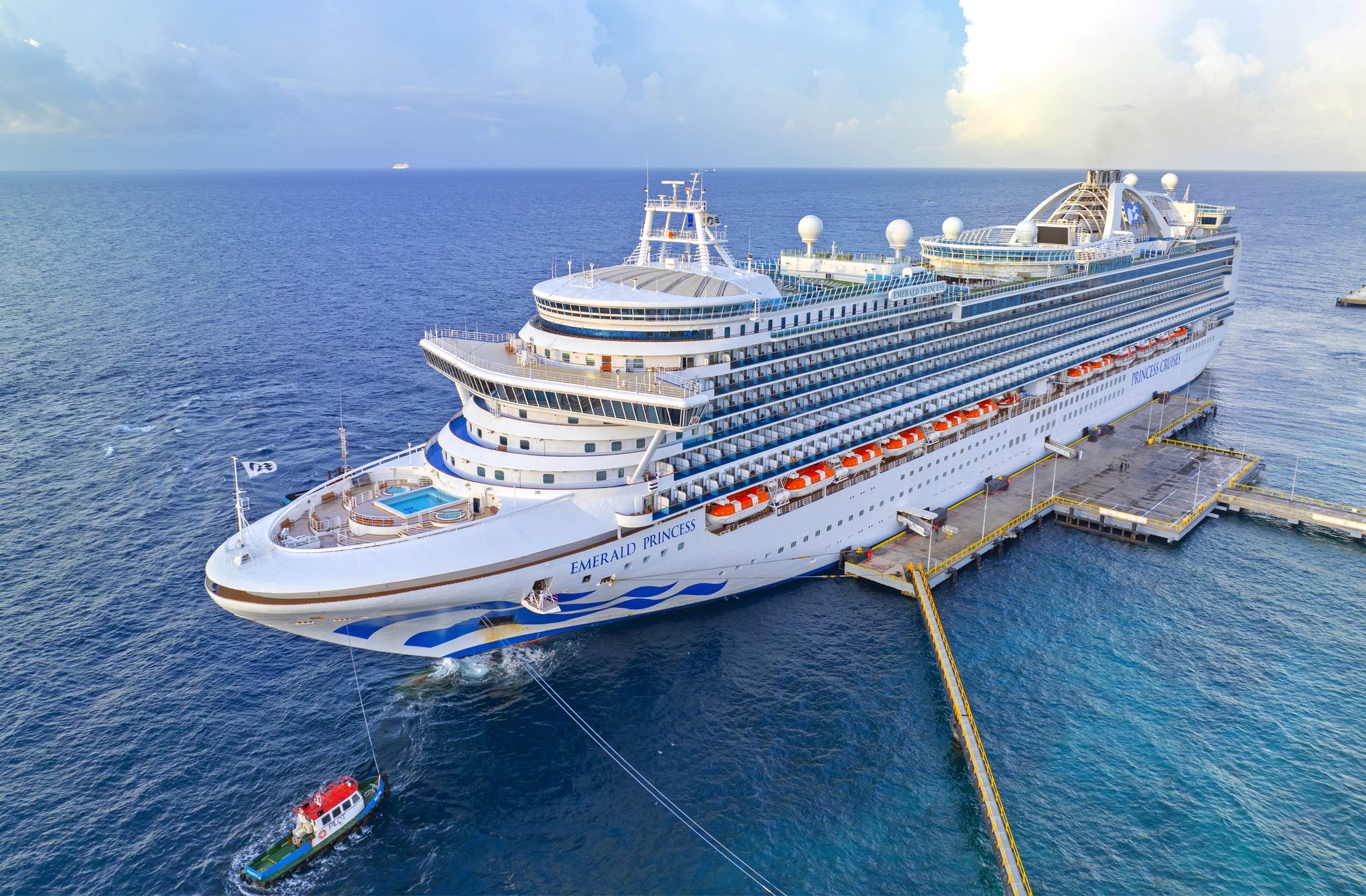
Despite this disappointing outcome, historical data shows that the Emerald Princess has maintained a strong track record over its operational lifetime. Prior to the October evaluation, the vessel had undergone 31 separate health inspections without a single failure. Furthermore, the ship has achieved a coveted, spotless score of 100 on seven distinct occasions throughout its history, highlighting that this recent drop in sanitation standards marks an uncharacteristic anomaly for the vessel.
Le Lyrial Records an 83 During First-Ever CDC Inspection
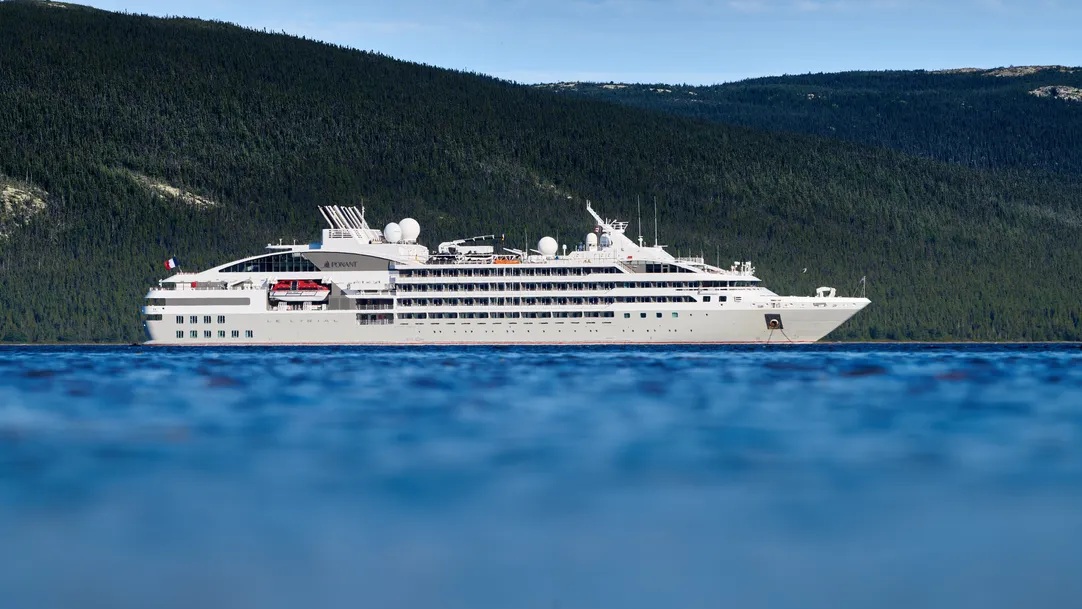
The second vessel to fail health standards during this brief window was Le Lyrial, a boutique luxury cruise ship accommodating 264 passengers under the Ponant flag. Inspectors evaluated the ship while it was docked in New York on October 17, uncovering a total of 27 separate deficiencies before concluding the assessment.
Among the prominent issues noted in the report, inspectors found that several food-contact surfaces throughout the vessel were not adequately designed, constructed, or properly maintained to meet rigorous federal sanitation standards. Additionally, a distinct maritime safety violation occurred when rat guards were not properly in place on the ship’s mooring lines upon the arrival of the inspectors. Crew members corrected this specific oversight approximately one hour after the vessel arrived in New York port.
The majority of the remaining violations recorded during the assessment pertained to the storage, management, and handling of cleaning supplies onboard the vessel. This October evaluation carries added significance for the boutique ship, as it marks the very first time Le Lyrial has ever undergone an official health inspection by the CDC’s Vessel Sanitation Program.
These two setbacks represent rare occurrences within the broader context of maritime travel for the year. Prior to these evaluations, the only other cruise ship to fail a health inspection in 2026 was the Norwegian Dawn, which recorded a failing score back in May.
Understanding the CDC Vessel Sanitation Program
All commercial cruise ships that sail to or from United States ports are subject to rigorous oversight by federal health authorities. Vessels undergo two unannounced health inspections per year, a process funded entirely by the cruise lines themselves through fees calculated according to the physical size and passenger capacity of each individual ship.
These comprehensive inspections are designed to maintain high public health standards across the fleet and to proactively prevent widespread outbreaks of gastrointestinal illnesses among passengers and crew members. During an active inspection, federal health officials systematically evaluate eight core areas of the ship, ranging from water safety systems and recreational water facilities to child activity spaces, food preparation areas, and general housekeeping practices.
In addition to physical inspections of the vessel’s infrastructure and equipment, health officials conduct formal interviews with crew members to verify that staff members are thoroughly trained in Vessel Sanitation Program requirements specific to their daily operational duties. Inspectors also meticulously review official logs and documentation to ensure the cruise line consistently adheres to required sanitation benchmarks.
Once an inspection concludes, cruise lines are required to submit a detailed corrective action report to the CDC, outlining specific steps taken to address every deficiency listed in the health report—regardless of whether the ship ultimately passed or failed the evaluation. While the Vessel Sanitation Program does not actively verify that these corrections have been successfully implemented until the next scheduled vessel inspection or formal reinspection, any ship that outright fails its evaluation is scheduled for a timely reinspection to ensure compliance.
Despite the recent failures of the Emerald Princess and Le Lyrial, the broader state of cruise ship sanitation remains exceptionally high. A total of 43 cruise ships have achieved a perfect score of 100 so far in 2026, setting a new record for the highest number of flawless evaluations in a single year. In an average year, between 25 and 35 vessels manage to ace their inspections. Furthermore, five specific cruise ships have earned a perfect score twice during this calendar year alone: the Disney Fantasy, Icon of the Seas, Koningsdam, Norwegian Joy, and Norwegian Luna.
Related News