Navigating the Shift: How Job Seekers Must Adapt Resumes and Cover Letters for the Modern Remote Workplace
Article Editorial Team
The traditional job application has undergone a significant transformation. As remote and hybrid employment models solidify their place in the modern global economy, professionals navigating the job market are finding that traditional office-based application strategies often fall short. Whether candidates are seasoned professionals transitioning from a corporate headquarters or individuals stepping into the workforce for the first time, understanding how to effectively highlight remote-specific competencies on a resume and cover letter has become a critical factor in securing employment.

Industry experts emphasize that landing a virtual role requires more than just listing standard qualifications. It demands a deliberate strategy to demonstrate trust, autonomy, and digital fluency to prospective employers who cannot observe an employee in a physical office setting. Navigating this shift successfully involves a careful evaluation of how professional experience, communication skills, and home office readiness are presented during the hiring process.
Crafting a Resume for the Virtual Environment
While a complete overhaul of a traditional resume format is rarely necessary, tailoring application materials to highlight remote capabilities is essential for standing out in a competitive talent pool. Employers hiring for distributed teams look for distinct indicators that an applicant can thrive without direct, in-person supervision.

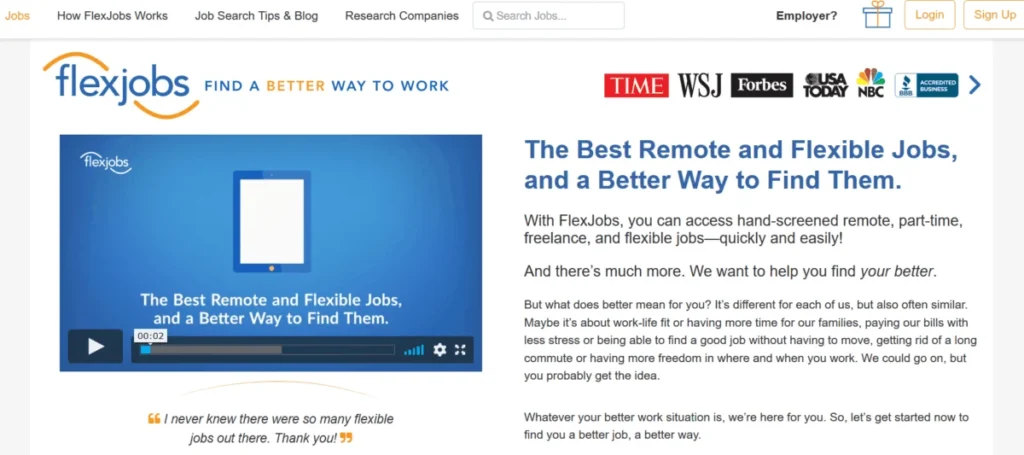
For candidates who lack substantial remote work history, bridging the gap requires creativity and intention. Even limited exposure to virtual tasks—such as managing projects while traveling, preparing virtual presentations from home, or contributing to remote team initiatives—can be integrated into an existing work history section to demonstrate an understanding of remote dynamics. When direct experience is entirely absent, career advisors often recommend taking on part-time online roles or freelance assignments to build a foundational portfolio and establish familiarity with asynchronous workflows. Reputable employment platforms like FlexJobs serve as a resource for finding verified remote opportunities with established global companies, helping job seekers build credible remote work histories.
Beyond past employment, highlighting specific remote work skills is paramount. Competencies such as self-motivation, exceptional time management, written communication clarity, and the ability to solve problems independently are heavily scrutinized by hiring managers. Translating these qualities onto a resume involves pairing standard job duties with context that shows how those tasks were accomplished across digital spaces or independent environments. Furthermore, maintaining an updated professional online presence, including platforms like LinkedIn, ensures that a candidate’s digital footprint aligns seamlessly with their application materials.

Elevating the Cover Letter
While the resume outlines a candidate’s professional trajectory, the cover letter provides an opportunity to speak directly to the hiring manager and articulate why an individual is uniquely suited for a virtual role. Rather than focusing solely on personal career goals, successful applicants use this space to emphasize how their remote work skills and methodologies will directly benefit the organization.
Articulating past successes in virtual environments—such as managing remote teams across multiple time zones or maintaining productivity without direct oversight—helps build immediate trust. Candidates frequently detail their preferred productivity strategies, demonstrating a high degree of self-discipline and organization. For positions involving cross-border or multi-regional teams, addressing availability and time zone logistics proactively is equally important. Being transparent about working hours and outlining a clear plan for overlapping core hours with a distributed team helps alleviate employer concerns regarding communication bottlenecks.

Demonstrating Technical Proficiency and Infrastructure
Remote employers expect candidates to be thoroughly comfortable with a variety of digital communication and collaboration applications. Demonstrating proficiency in tools commonly used for daily operations—such as Slack for messaging, Trello or similar software for project management, and Zoom for virtual conferencing—signals to hiring managers that an applicant can integrate smoothly into an existing digital infrastructure. Even those unfamiliar with specific platforms can easily learn the basics, as many tools offer accessible versions for individual practice.
In addition to software proficiency, transparency regarding a candidate’s home office setup has become an increasingly valuable element of the application process. For applicants with limited remote experience, confirming the presence of a dedicated workspace, a quiet environment, and a reliable high-speed internet connection reassures employers of their readiness for home-based employment. Utilizing secure networking tools, such as a Virtual Private Network, is also frequently noted by professionals as a standard practice for protecting sensitive company data while working online.

The Follow-Up and Application Lifecycle
The application process does not conclude the moment a resume and cover letter are submitted. Maintaining a proactive approach through a polite follow-up communication after a week or two can keep a candidate’s name visible on a hiring manager’s radar. A concise, professional message expressing continued enthusiasm for the role and inquiring about the status of the hiring timeline demonstrates genuine interest and organizational diligence.
Ultimately, navigating the modern remote job market requires a targeted approach that showcases not just technical qualifications, but an inherent readiness for the demands of distributed work. By effectively translating communication skills, time management strategies, and digital proficiency into their application materials, job seekers can position themselves competitively as remote work continues to redefine the global workforce.
Related News