Uncovering Ancient Childhood: Rare Amulets and Artifacts Discovered in Pompeii’s House of Cornelius Maximus
Article Editorial Team
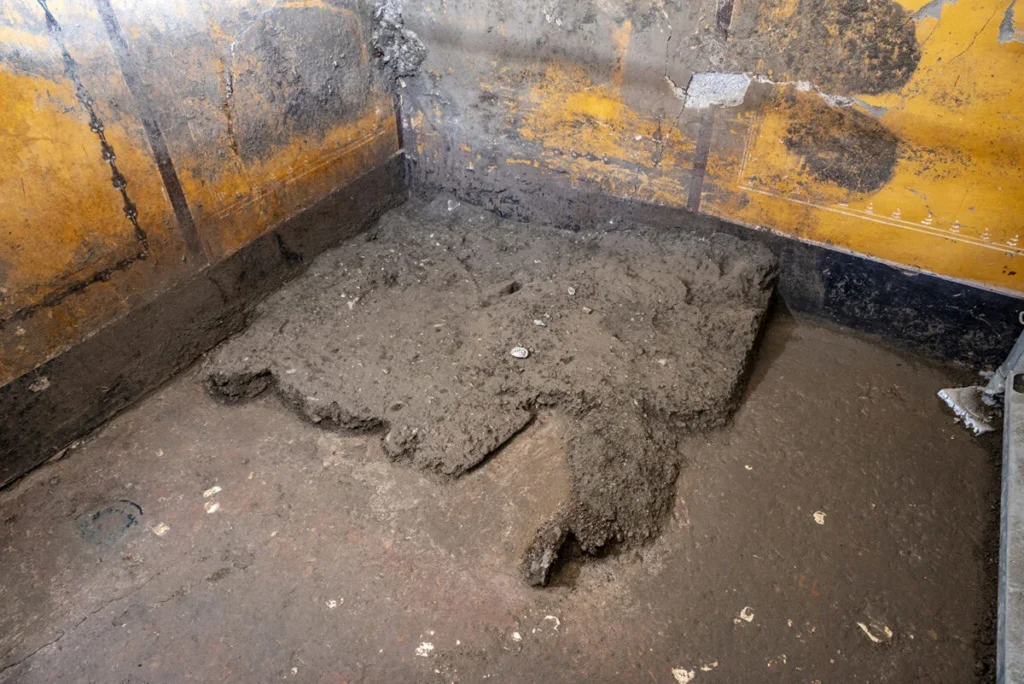
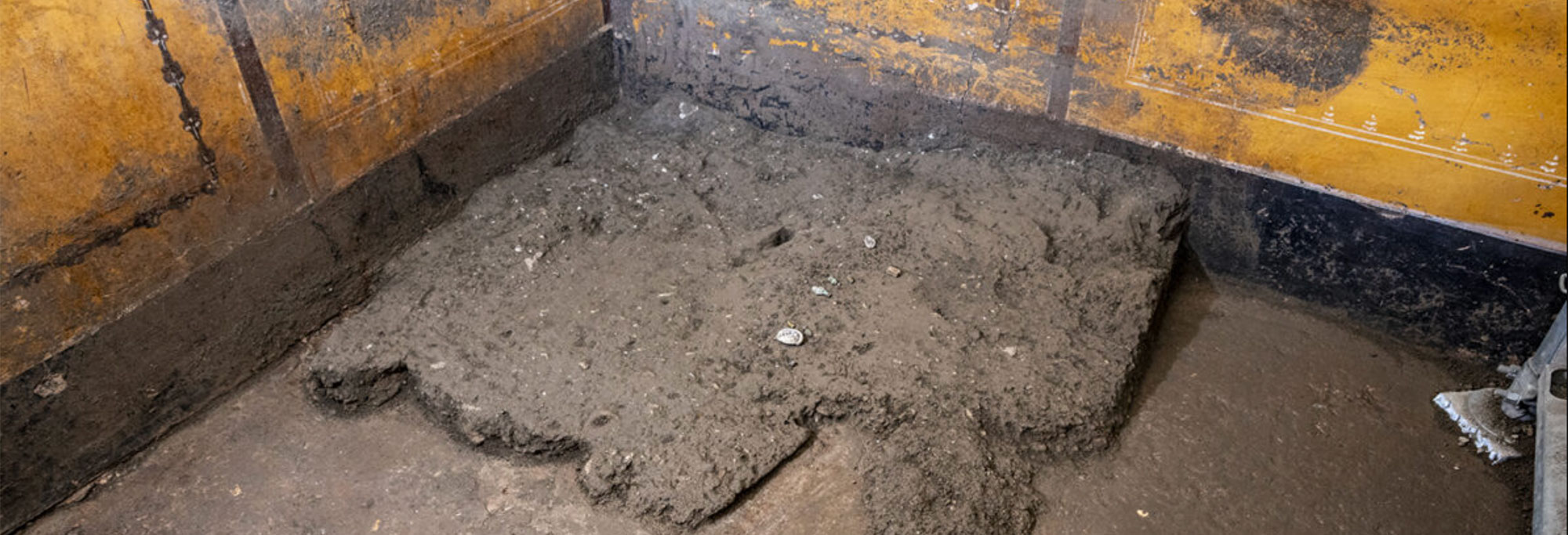
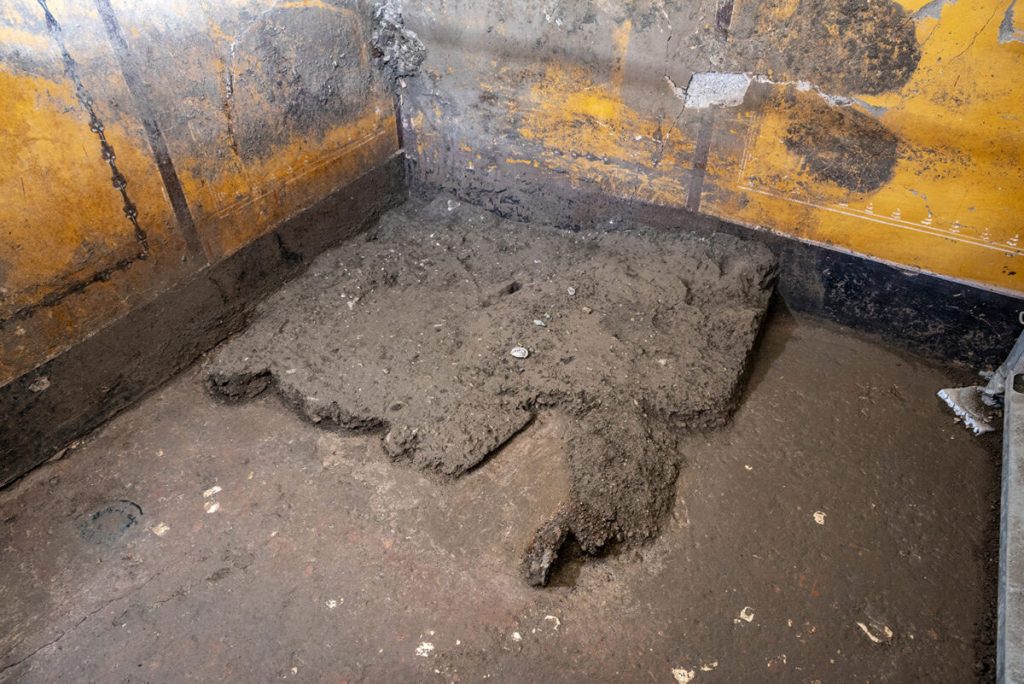
NAPLES, ITALY — Archaeological excavations in the ancient Roman city of Pompeii continue to yield extraordinary insights into the private lives of its inhabitants before the catastrophic eruption of Mount Vesuvius in A.D. 79. In the latest discovery announced from the site, archaeologists working in the central district have uncovered the remains of a wooden cupboard stored within a residence on the bustling Via dell’Abbondanza. Epigraphic evidence and inscriptions recovered from the property suggest that the dwelling belonged to an individual named Cornelius Maximus, offering researchers a rare, tangible connection to a specific Roman household and its daily routines.
The find provides a poignant glimpse into domestic existence along one of Pompeii’s primary commercial and residential thoroughfares. While the catastrophic cataclysm that buried the city under volcanic ash and pumice left behind vast architectural monuments, grand frescoes, and public works, discoveries of intimate personal possessions remain uniquely valuable for understanding the human scale of the ancient world.
Gabriel Zuchtriegel, director of the Pompeii Archaeological Park, emphasized the significance of recovering these everyday items rather than solely focusing on high-status monumental art. "We cannot reconstruct with certainty the identity of whoever lived in the house, but these fragments bring us closer to their daily life," Zuchtriegel noted. He further observed that "Pompeii is not just a place of great works of art; it is also a place where the most ordinary objects restore the human dimension of the past."
At the heart of the discovery is a remarkably preserved archaeological context: the imprint and remnants of a wooden cupboard that stood in the home prior to the fatal eruption. Detailed analysis of the debris and organic traces within the container revealed that it once held a collection of deeply personal and domestic goods, chief among them an intricate piece of ancient jewelry associated with Roman childhood customs.
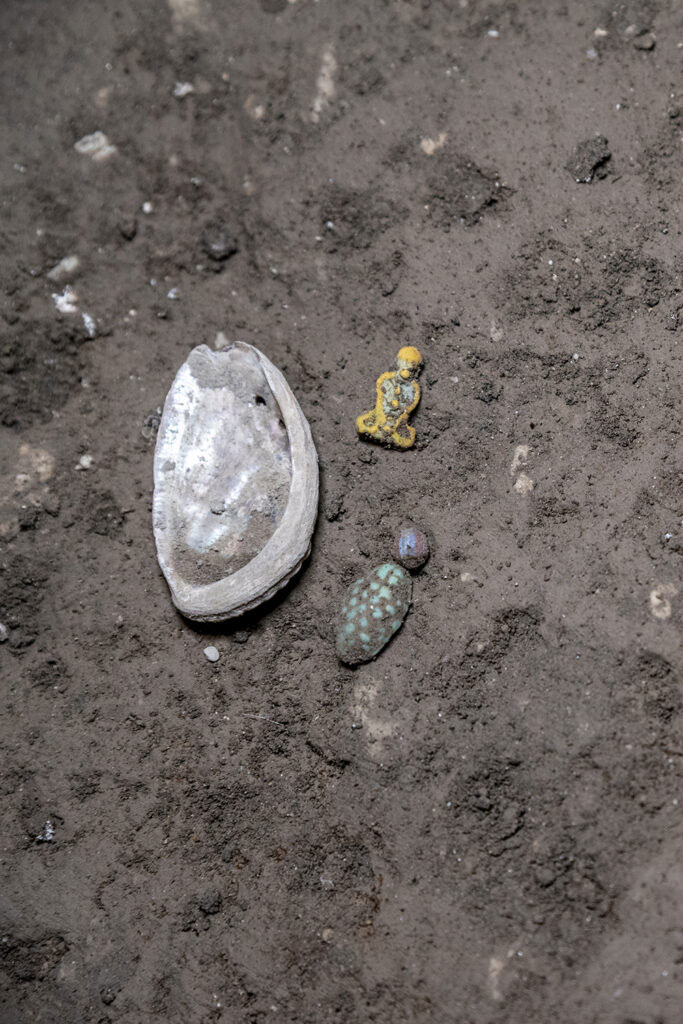
Before Vesuvius sealed the fate of the city nearly two millennia ago, the cupboard safely stored a necklace composed of at least 24 distinct crepundia—traditional Roman amulets and trinkets. These protective objects were crafted from a diverse array of materials, including bone, glass paste, earthenware, and rock crystal. Each piece carried symbolic meaning meant to ward off malevolent forces and safeguard the vulnerable wearer.
Among the individual amulets identified in the collection are representations of foreign and domestic deities, including images of the god Bes, an ancient Egyptian deity adopted into the Roman pantheon and commonly invoked for protection against evil spirits and to safeguard households and children, as well as Mercury, the Roman messenger god associated with commerce, travel, and good fortune. Other elements of the necklace feature whimsical or symbolic miniature forms, such as tiny hands, miniature feet, stylized pinecones, and detailed bunches of grapes.
Historians and archaeologists suggest that such necklaces were frequently worn by children as apotropaic devices to protect against illness, misfortune, and the evil eye. Beyond their primary spiritual function, these amulets likely served a practical purpose for Roman caregivers. As the child moved about the home or the bustling streets of Pompeii, the dense cluster of bone, crystal, and earthenware pendants would have produced a gentle rattling sound. This acoustic feedback would have allowed parents, enslaved attendants, or nurses to keep track of a toddler’s whereabouts in a busy multi-room Roman villa.
The contents of the wooden cupboard extended far beyond the child’s amulet necklace, painting a comprehensive picture of household management, personal grooming, and daily domestic activities in first-century Campania. Among the items meticulously recovered by researchers were a pair of bronze tweezers, pointing to personal hygiene and grooming practices common among well-to-do Pompeians.
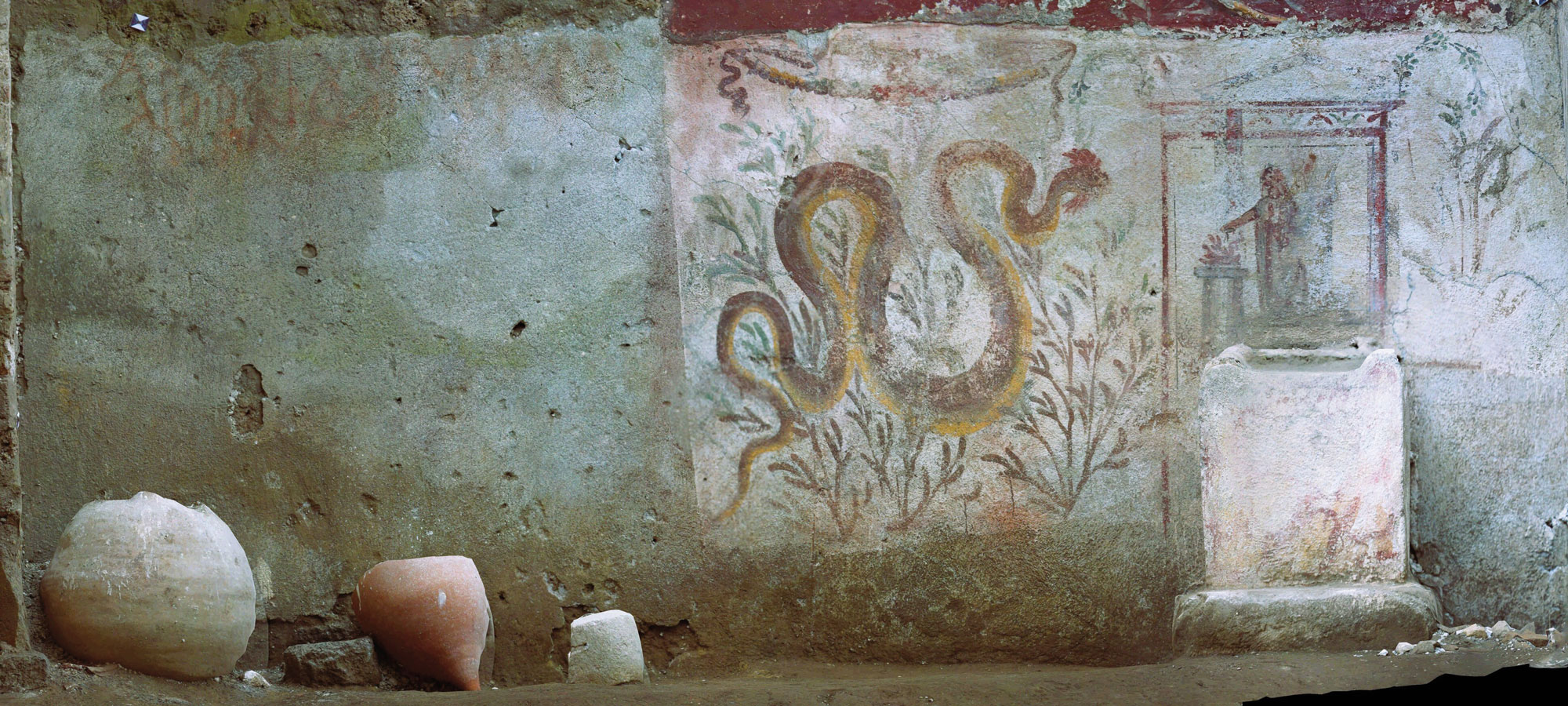
Further adding to the domestic inventory was a small glass bottle, likely utilized to hold precious perfume, scented oils, or medicinal ointments. The presence of an incense burner suggests that religious rituals, household prayers, and offerings to the lares—the ancestral guardian deities of the home—were regularly practiced within the walls of the residence on Via dell’Abbondanza.
The cupboard also housed a variety of practical kitchenware and dining equipment, including a cooking vessel alongside several other storage and serving containers crafted from diverse materials such as bronze, glass, and ceramic. These utilitarian objects demonstrate how food preparation and daily sustenance were integrated directly into the living quarters of the home.
In addition to items related to personal care and cooking, the assemblage included commercial and financial artifacts. Archaeologists discovered a set of lead weights carefully housed within a small wooden box, indicating that the occupants of the house may have been involved in local mercantile trade, market activities, or the careful management of household provisions requiring precise measurement. Furthermore, a small woven container discovered nearby held a cache of 38 bronze coins, providing a snapshot of the small-scale currency circulating in the city immediately before the final destruction.
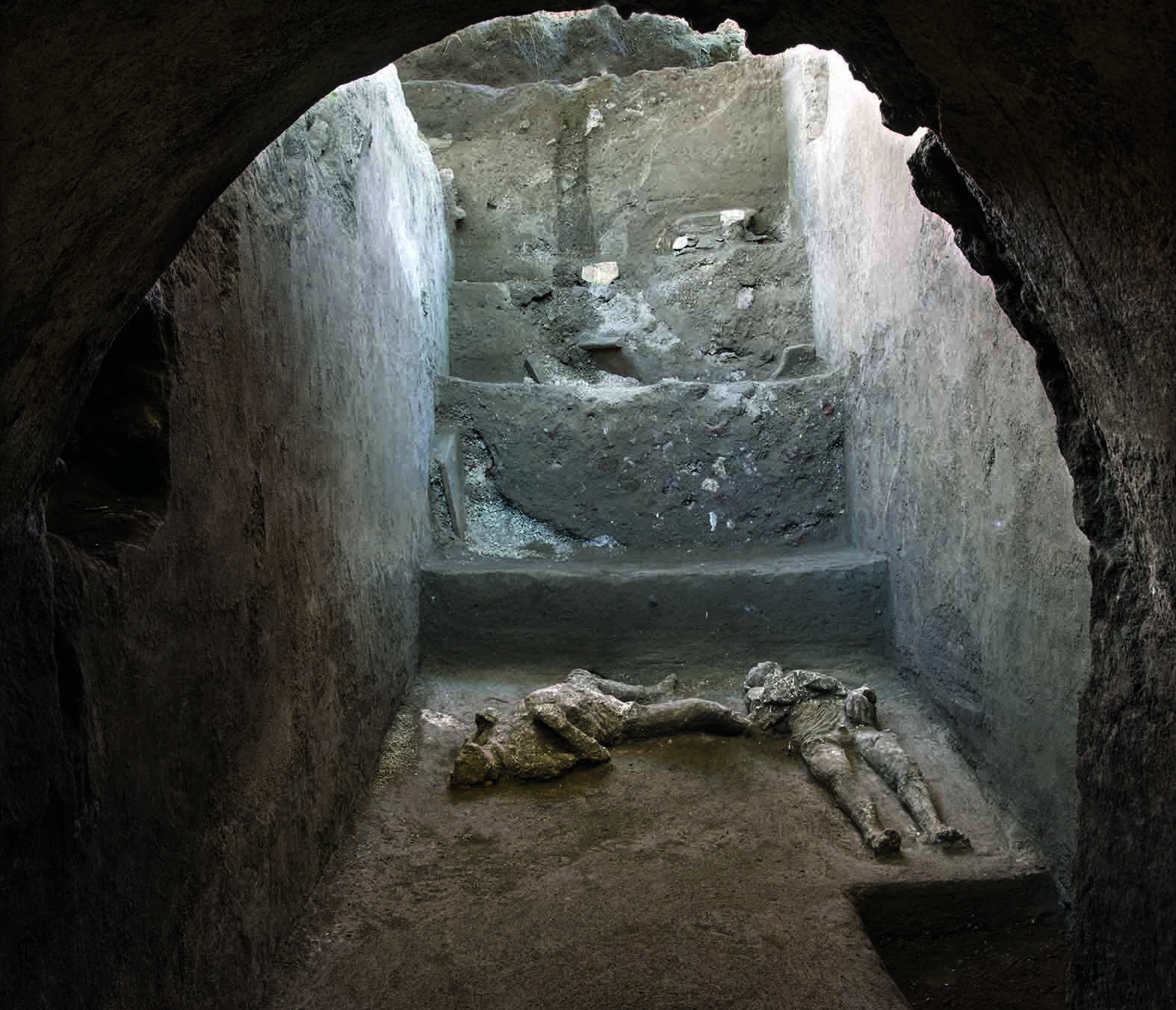
The ongoing excavation of the House of Cornelius Maximus adds to a long and distinguished history of archaeological research at Pompeii, which continues to transform our understanding of ancient Roman society through the recovery of preserved organic remains, structural imprints, and everyday artifacts. As conservation and laboratory analysis of the newly retrieved items proceed, specialists at the Pompeii Archaeological Park anticipate that further insights will emerge regarding the economic activities, religious beliefs, and familial structures of the individuals who walked the streets of Pompeii before the eruption silenced the city in the autumn of A.D. 79.
Related News